
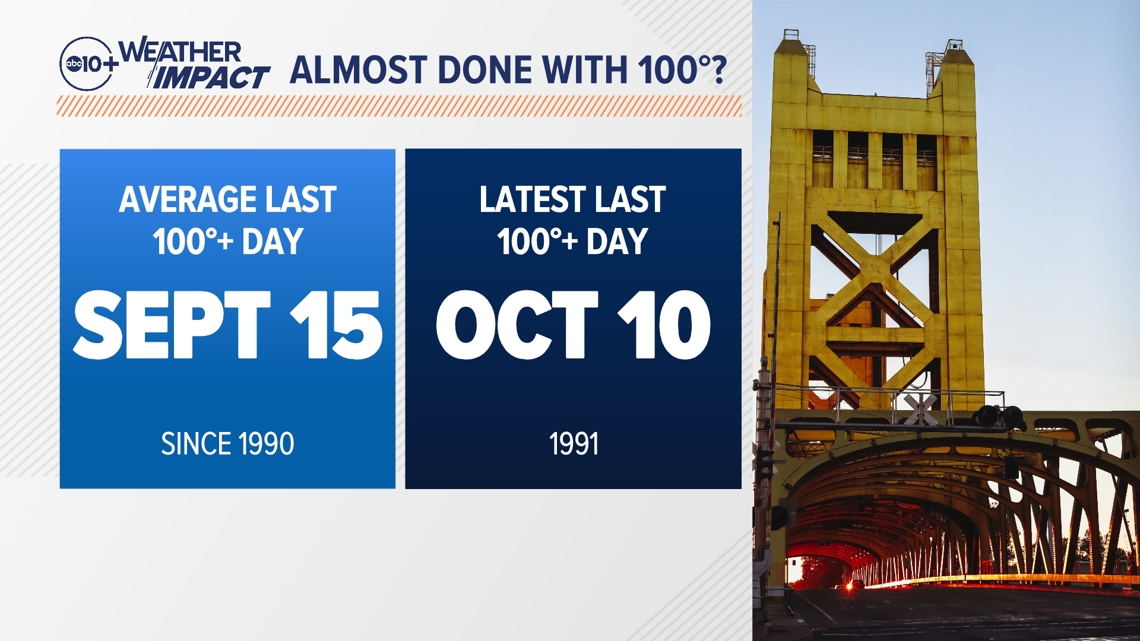
California, often celebrated for its perpetual sunshine, presents a complex tapestry of climates that can make predicting cooler weather a nuanced affair. From its rugged northern coastline to its arid southern deserts and towering mountain ranges, the state experiences a diverse range of temperatures and seasonal shifts. For travelers planning a visit, understanding when the heat truly begins to recede is key to an enjoyable experience, whether you’re seeking crisp autumn air for wine tasting or milder temperatures for desert exploration. Generally, a noticeable cooling trend typically begins in mid-September, gaining momentum through October and November, but this varies significantly by region.
Understanding California’s Diverse Climates
To truly grasp when California cools down, one must first appreciate its distinct microclimates. The state’s vast geographical span and varied topography create stark differences in weather patterns, even between relatively close destinations.
Coastal Influences
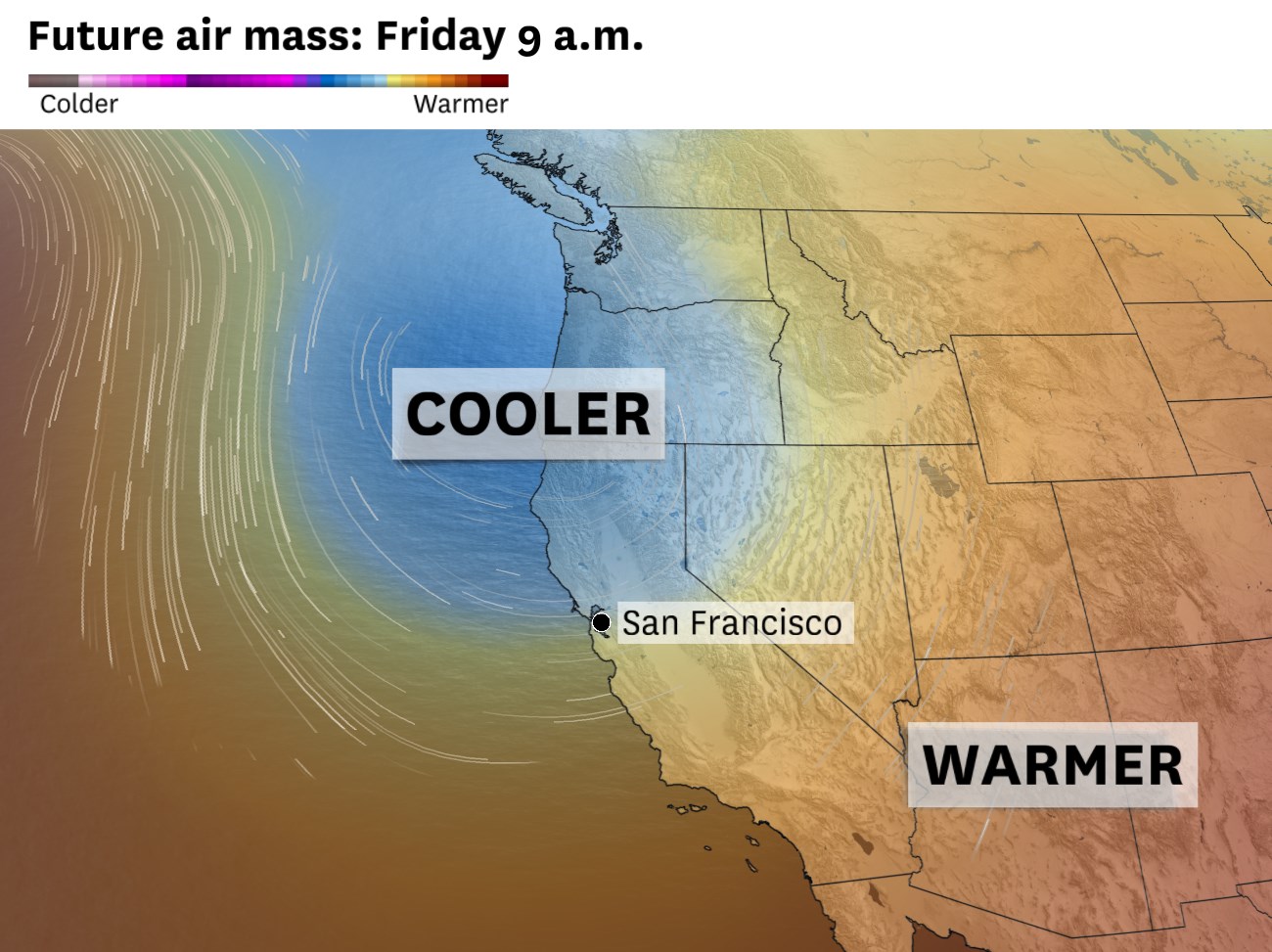
The Pacific Ocean is the dominant factor for coastal regions, characterized by a mild Mediterranean climate. Cities like San Francisco, Los Angeles, and San Diego benefit from oceanic breezes that moderate temperatures year-round. While summers can still be warm, particularly in Southern California, the intense heat often experienced inland is rare. In these areas, the cooling down process is more gradual and less dramatic. San Francisco, for instance, famously experiences cool summers and mild winters, with the true “cooling” merely being a continuation of its generally temperate conditions, perhaps with a slight drop in the already moderate averages. Los Angeles and San Diego will feel the transition more distinctly, often seeing their hottest days in late August or early September before a noticeable shift by mid-October.
Inland Valleys and Deserts
Venturing inland, away from the coastal influence, the climate becomes much more extreme. The Central Valley, a vast agricultural heartland, experiences scorching summers with temperatures frequently exceeding 100°F (38°C). Similarly, desert regions like Palm Springs and Death Valley are renowned for their intense heat, where summer temperatures can climb to dangerous levels. For these areas, the arrival of cooler weather is a much anticipated and more pronounced event. The shift here typically begins in late September or early October, transforming brutal heat into pleasantly warm days and refreshingly cool nights, making them ideal for winter travel.
Mountainous Regions
California’s majestic mountain ranges, including the Sierra Nevada and Cascades, present yet another climatic picture. Here, elevation plays a critical role. Summers are generally warm and sunny, perfect for hiking and camping around destinations like Lake Tahoe and Yosemite National Park. The cooling trend in the mountains begins earlier than in the valleys, often in September, with crisp air and the first signs of autumn foliage. By October, nights can be quite chilly, and higher elevations may even see their first snowfalls, signaling the approach of ski season in places like Mammoth Lakes.
The Seasonal Shift: A Statewide Overview
While regional variations are significant, a general pattern for cooler weather emerges across California.
Late Summer’s Lingering Heat (August – Early September)
Across much of the state, especially inland and in Southern California, August and early September often represent the peak of summer heat. This period can sometimes extend into what is affectionately known as “Indian Summer,” where warm, dry conditions persist well into early autumn. Coastal fog, often prevalent in June and July (known as “June Gloom” or “No-Sky July”), tends to recede, leading to clearer, warmer days near the coast as well. During this time, temperatures remain high, and travelers seeking cool relief might find it only at higher elevations or directly along the immediate coastline.
Autumn’s Gentle Arrival (Mid-September – October)
Mid-September typically marks the beginning of the statewide cooling trend. In Northern California, particularly in wine regions like Napa Valley and Sonoma, this is when the air becomes noticeably crisper, ideal for harvest season. Even in Southern California, the intense afternoon heat starts to diminish, giving way to more comfortable daytime temperatures and pleasantly cool evenings. Desert regions begin their transformation from uncomfortably hot to delightfully warm, with comfortable nights perfect for stargazing. October is arguably one of the best months to visit many parts of California as temperatures are generally pleasant across the board, and the summer crowds have thinned.
Winter’s Mild Embrace (November – February)
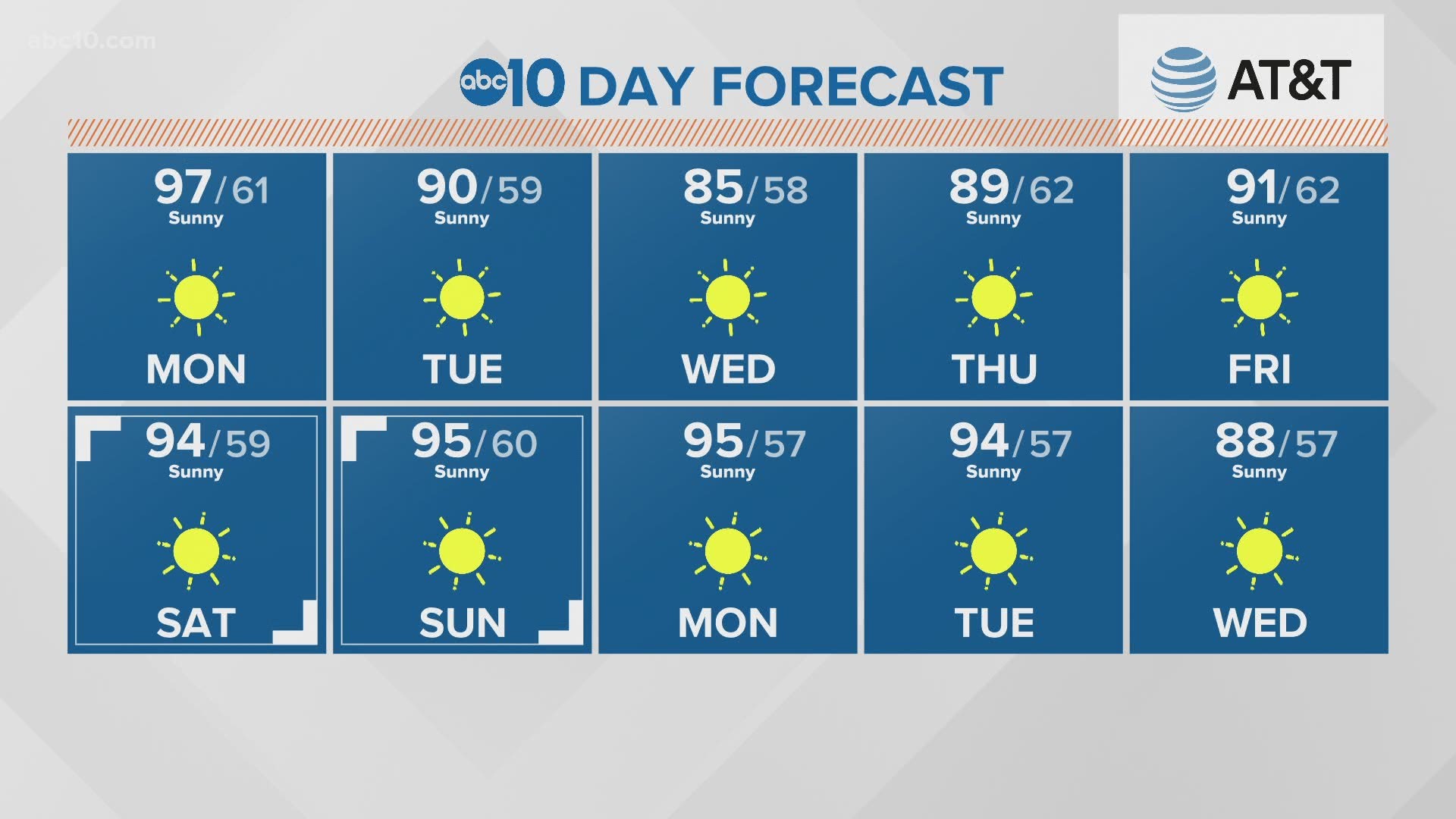
By November, cooler temperatures are firmly established across most of the Golden State. Coastal areas experience mild, often rainy winters, with average daytime temperatures in the 50s and 60s Fahrenheit (10-20°C). Inland valleys become cool and can be prone to fog, while desert regions enjoy their peak season with warm, sunny days and cool, clear nights. The mountains, of course, transition into full winter mode, with abundant snowfall making them prime destinations for winter sports enthusiasts. While it’s “cooler,” California’s winter is generally much milder than many other parts of the world, making it an attractive destination for those escaping harsher climates.
Regional Breakdowns for Cooler Weather
Pinpointing the exact “cool down” period requires a regional lens, as the experience varies dramatically.
Northern California’s Refreshing Autumn
For those seeking truly crisp, refreshing autumn weather, Northern California is the place to be starting from mid-September.
- Best for: Napa Valley and Sonoma wine tours during harvest season, when the vineyards are vibrant, and the air is cool. October is particularly popular. Hiking in majestic forests like Redwood National Park or exploring the dramatic Northern California coastline near Mendocino becomes incredibly pleasant with fewer crowds and comfortable temperatures. San Francisco experiences some of its clearest, warmest days in September and October as the summer fog diminishes, offering a unique “cool down” experience where the weather actually improves before becoming consistently cooler in November.
Southern California’s Extended Warmth
Southern California holds onto summer’s warmth longer than its northern counterpart, with a noticeable cool down generally starting in October.
- Best for: Beach activities in Santa Barbara or Orange County remain enjoyable well into October, with fewer crowds than in peak summer. Desert explorations in Joshua Tree National Park or Anza-Borrego Desert State Park become comfortable from late October through spring, as the intense summer heat gives way to mild, sunny days. Theme parks in Anaheim and Valencia are also excellent choices in the autumn and winter months, offering shorter lines and more comfortable weather for extended outdoor activities.
Mountain Highs and Lows
The mountains experience the earliest and most dramatic cooling, with the shift beginning in September.
- Best for: Autumn hikes in Yosemite National Park are breathtaking in October when the leaves change, and the air is crisp. By November, many high-elevation roads may close due to snow, and ski resorts like those around Lake Tahoe and Mammoth Lakes begin to open, offering world-class skiing and snowboarding in truly cold temperatures. Winter in these regions is distinctly cold, with ample snow, providing a stark contrast to the mild conditions found closer to the coast.
Planning Your California Getaway for Optimal Comfort
Understanding California’s cooling schedule empowers travelers to plan their ideal trip, matching weather conditions to desired activities.
What to Pack for Shoulder Seasons
For visits during the “cool down” period (mid-September through November), versatile packing is essential. Layers are key: light shirts for warmer afternoons, sweaters or light jackets for evenings and mornings, especially near the coast or in the mountains. If visiting the mountains in late autumn, heavier outerwear, hats, and gloves will be necessary. For desert trips, even in cooler months, sun protection remains important during the day, but warm layers for surprisingly chilly nights are crucial. Always check regional forecasts close to your travel dates, as conditions can vary.
Avoiding Peak Heat and Crowds
The shoulder seasons—late September to November and March to May—offer a sweet spot for many California destinations. During these times, the intense summer heat has typically subsided (or hasn’t yet arrived), and the major tourist crowds often thin out after the summer holidays, before the winter holiday rush. This allows for a more relaxed experience, easier access to popular attractions, and often better rates on accommodations. Visiting the deserts in winter also allows you to experience their unique beauty without the oppressive summer temperatures.
Embracing Cooler Weather Activities
The cooler months open up a wealth of unique California experiences.
- Wine Country: Autumn is prime harvest season in Napa and Sonoma, with festivals, vibrant foliage, and comfortable touring weather.
- Desert Escapes: From October to April, the deserts of Southern California become an oasis for hiking, stargazing, and exploring the unique flora and fauna of parks like Joshua Tree.
- Mountain Adventures: Winter brings world-class skiing and snowboarding to the Sierra Nevada, while autumn provides spectacular opportunities for fall foliage viewing and crisp hikes.
- City Exploration: Cooler temperatures make exploring San Francisco’s hills, Los Angeles’ diverse neighborhoods, or San Diego’s Gaslamp Quarter even more enjoyable without the intense summer sun.
Ultimately, the best time to experience California’s “cool down” depends on your desired destination and activities. Whether you seek the mild coastal breezes, the crisp mountain air, or the comfortable desert warmth, a planned visit from mid-September onwards will generally provide a more temperate and often more enjoyable travel experience across this incredibly diverse state.
LifeOutOfTheBox is a participant in the Amazon Services LLC Associates Program, an affiliate advertising program designed to provide a means for sites to earn advertising fees by advertising and linking to Amazon.com. Amazon, the Amazon logo, AmazonSupply, and the AmazonSupply logo are trademarks of Amazon.com, Inc. or its affiliates. As an Amazon Associate we earn affiliate commissions from qualifying purchases.