
The landscape of the global hotel industry is a complex tapestry woven with numerous brands, management groups, and ownership structures. Among the prominent players is Wyndham Hotels & Resorts, a company whose name graces countless establishments across the globe, from budget-friendly motels to upscale resorts. Understanding who owns Wyndham Hotels & Resorts is key to grasping its strategic direction, its operational philosophy, and its impact on the travel and hospitality sector. It’s a question that delves into corporate structures, shareholder interests, and the broader dynamics of the lodging business.
The Corporate Structure of Wyndham Hotels & Resorts
To answer the question of ownership, it’s crucial to dissect the corporate identity of Wyndham Hotels & Resorts. Unlike many privately held entities, Wyndham operates as a publicly traded company. This means that its ownership is distributed among shareholders who purchase stock on the open market. These shareholders can range from large institutional investors, such as mutual funds and pension plans, to individual retail investors. The company’s stock is listed on the New York Stock Exchange under the ticker symbol WH.

This publicly traded status has significant implications for ownership. There isn’t a single individual or family that “owns” Wyndham in the traditional sense. Instead, ownership is fluid and determined by the aggregate holdings of all its shareholders. The largest shareholders, often institutional investors, wield considerable influence, but ultimately, the company is governed by its board of directors and its executive management team, who are accountable to all shareholders.
Tracing the Origins and Evolution
The history of Wyndham Hotels & Resorts is one of strategic acquisitions, brand development, and corporate spin-offs. The Wyndham brand itself has a storied past, but the current iteration of Wyndham Hotels & Resorts as a distinct, publicly traded hospitality company emerged in 2018. Prior to this, Wyndham was part of the larger Wyndham Worldwide Corporation, which also encompassed vacation ownership and hotel lodging businesses.
In 2018, Wyndham Worldwide Corporation underwent a significant transformation. It spun off its hotel franchising business, creating the independent entity known today as Wyndham Hotels & Resorts. This strategic move allowed the newly formed company to focus exclusively on its core competency: hotel franchising and management. The remaining portion of the former Wyndham Worldwide Corporation continued as Travel + Leisure Co., focusing on travel club memberships and related services. This separation is key to understanding that the ownership of the hotels under the Wyndham umbrella now resides with Wyndham Hotels & Resorts as a separate corporate entity.
The Role of Shareholders and Institutional Investors
As a publicly traded company, the primary owners of Wyndham Hotels & Resorts are its shareholders. These shareholders invest in the company with the expectation of financial returns through dividends and an increase in the stock’s value. The ownership structure is dynamic, with shares constantly being bought and sold on the stock exchange.
Major Institutional Holders
While individual investors own a portion of Wyndham stock, a significant percentage is typically held by institutional investors. These entities include:
- Mutual Funds: Large pools of money from many investors, managed professionally, which invest in a diversified portfolio of securities, including hotel stocks.
- Pension Funds: Funds set aside by employers to provide retirement income for their employees. These funds often make long-term investments in stable companies.
- Hedge Funds: Investment funds that use complex strategies to generate returns, which may include taking significant stakes in publicly traded companies.
- Asset Management Firms: Companies that manage investments on behalf of individuals and institutions, often holding substantial blocks of shares in major corporations.
These institutional investors, due to the sheer volume of shares they control, often have a substantial voice in corporate governance. They may influence board elections, vote on significant corporate actions, and engage with management regarding the company’s strategy and performance. For instance, a large shareholder might advocate for specific operational changes or strategic acquisitions that they believe will enhance shareholder value.
The Franchise Model and Property Ownership
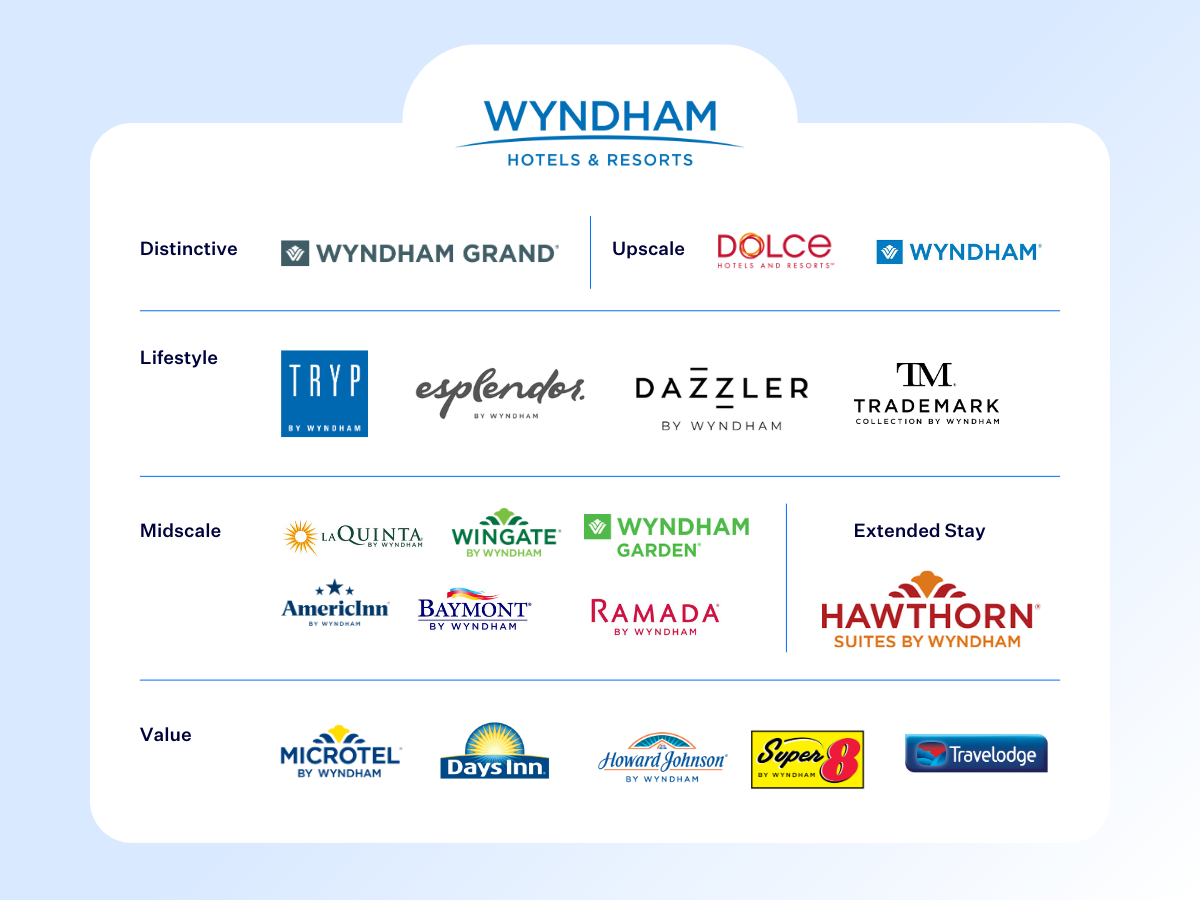
It is essential to distinguish between the ownership of the Wyndham Hotels & Resorts corporate entity and the ownership of the individual hotel properties that operate under its various brands. Wyndham Hotels & Resorts primarily operates a franchise model. This means that the company licenses its brand names, operational standards, and reservation systems to independent hotel owners and operators.
Independent Hotel Owners
The vast majority of hotels bearing Wyndham brands, such as Ramada, Days Inn, Super 8, Wingate by Wyndham, and La Quinta, are not directly owned by Wyndham Hotels & Resorts. Instead, they are owned by individual entrepreneurs, real estate investment groups, or other companies that have entered into franchise agreements with Wyndham.
These independent owners are responsible for:
- Property Acquisition and Development: They purchase or build the physical hotel properties.
- Day-to-Day Operations: They manage staffing, guest services, maintenance, and marketing at the local level.
- Capital Investment: They invest in property upkeep, renovations, and amenities to meet Wyndham’s brand standards.
- Paying Franchise Fees: In exchange for using the Wyndham brand and its associated services, these owners pay ongoing fees to Wyndham Hotels & Resorts.
Wyndham’s Role as Franchisor and Manager
Wyndham Hotels & Resorts acts as the franchisor and, in some cases, the hotel manager. Its revenue streams are primarily derived from franchise fees, management fees, and other related services. The company’s business model relies on the success of its franchisees and the strength of its diverse portfolio of brands, which cater to a wide spectrum of travelers and price points.
While Wyndham Hotels & Resorts does own a small number of properties outright or through joint ventures for strategic purposes, this is not the dominant ownership model. The company’s primary asset is its intellectual property, its brand recognition, and its robust distribution and loyalty programs, such as Wyndham Rewards.
Key Figures in Wyndham’s Leadership
Understanding the ownership of Wyndham Hotels & Resorts also involves recognizing the individuals who lead the company and are accountable to its shareholders. The executive leadership team, overseen by the board of directors, makes the strategic decisions that shape the company’s future.
The Board of Directors
The board of directors is elected by shareholders and is responsible for representing their interests. They set the company’s strategic direction, approve major transactions, oversee financial reporting, and ensure compliance with legal and ethical standards. The composition of the board often reflects a blend of industry expertise, financial acumen, and corporate governance experience.
The Executive Management Team
The day-to-day operations and strategic execution are managed by the executive team. Key positions include:
- Chief Executive Officer (CEO): The highest-ranking executive, responsible for the overall success of the company.
- Chief Financial Officer (CFO): Oversees the company’s financial planning, reporting, and management.
- President and Chief Operating Officer (COO): Manages the company’s operational activities, including franchising and brand management.
- Chief Development Officer: Focuses on expanding the company’s portfolio through new franchise agreements and acquisitions.
The individuals holding these positions at Wyndham Hotels & Resorts are instrumental in navigating the competitive hospitality market and delivering value to its owners – the shareholders and the independent hotel operators who rely on the Wyndham brands.

Conclusion: A Distributed Ownership Model
In summary, Wyndham Hotels & Resorts is owned by its shareholders, who are a diverse group of individuals and institutions. The company operates primarily as a franchisor, meaning that the physical hotel properties bearing its brands are largely owned and operated by independent third parties. This distributed ownership model is a hallmark of the modern hospitality industry, allowing for rapid expansion and leveraging the entrepreneurial spirit of local business owners while benefiting from the scale and recognition of a global brand. The value and strategic direction of Wyndham Hotels & Resorts are thus shaped by the collective interests of its shareholders and the effectiveness of its leadership in managing its vast network of franchised hotels.
LifeOutOfTheBox is a participant in the Amazon Services LLC Associates Program, an affiliate advertising program designed to provide a means for sites to earn advertising fees by advertising and linking to Amazon.com. Amazon, the Amazon logo, AmazonSupply, and the AmazonSupply logo are trademarks of Amazon.com, Inc. or its affiliates. As an Amazon Associate we earn affiliate commissions from qualifying purchases.