
Embracing the Florida Lifestyle: Property Ownership and Its Nuances
The allure of the Florida lifestyle is undeniable. From the sun-drenched beaches of Miami to the theme park magic of Orlando and the tranquil Gulf Coast communities near Tampa, owning property here is a dream for many. Whether seeking a permanent residence, a seasonal escape, or an investment opportunity, the decision to purchase or sell property in the Sunshine State is a significant life event that intertwines deeply with one’s chosen lifestyle. This choice comes with responsibilities, particularly concerning property condition and legal disclosure requirements. Understanding these obligations is paramount to ensuring a smooth transaction and protecting your lifestyle investment.
The real estate landscape in Florida is unique, shaped by its climate, diverse population, and robust tourism industry. Properties range from historic bungalows to modern high-rises and sprawling suburban estates, each contributing to the rich tapestry of the Florida experience. For homeowners, maintaining a property in this climate presents specific challenges, and for sellers, transparent communication about these challenges is not just good practice—it’s often a legal necessity. Disclosing material defects, such as stucco cracks, is a critical component of upholding integrity in the Florida real estate market and, by extension, the lifestyle choices of both buyers and sellers.
The Role of Due Diligence in Florida Property Transactions
For those buying into the Florida lifestyle, conducting thorough due diligence is non-negotiable. This involves comprehensive home inspections, title searches, and a deep understanding of the property’s history. Buyers are looking for properties that align with their vision of the perfect Florida existence, free from unexpected financial burdens or structural surprises. For sellers, providing accurate and complete disclosure forms is the first step in building trust and facilitating a successful sale. A well-informed buyer is a confident buyer, and transparency regarding potential issues like stucco cracks can often prevent future disputes and costly litigation, allowing both parties to move forward with their desired Florida lifestyle seamlessly.
Stucco: An Integral Part of the Florida Home Aesthetic and Its Challenges
Stucco is a widely used exterior finish for homes throughout Florida, admired for its durability, versatility, and ability to withstand the state’s often humid and sunny climate. It contributes significantly to the Mediterranean and Spanish Colonial architectural styles popular in many Florida communities, enhancing the aesthetic appeal that defines a certain segment of the Florida lifestyle. However, like any building material, stucco is not immune to wear and tear, and it can develop cracks over time due to various factors. Understanding the nature of these cracks and their potential implications is crucial for any Florida property owner.
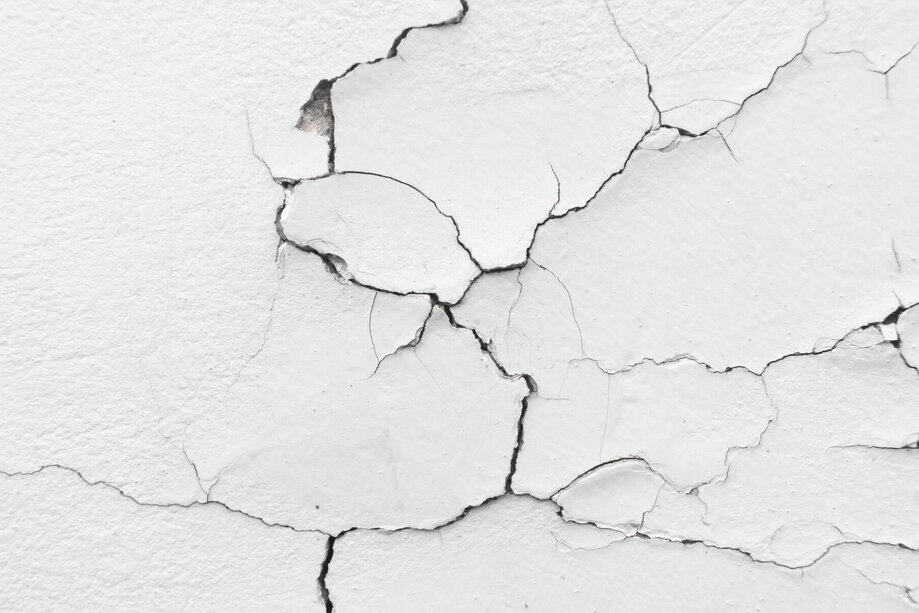
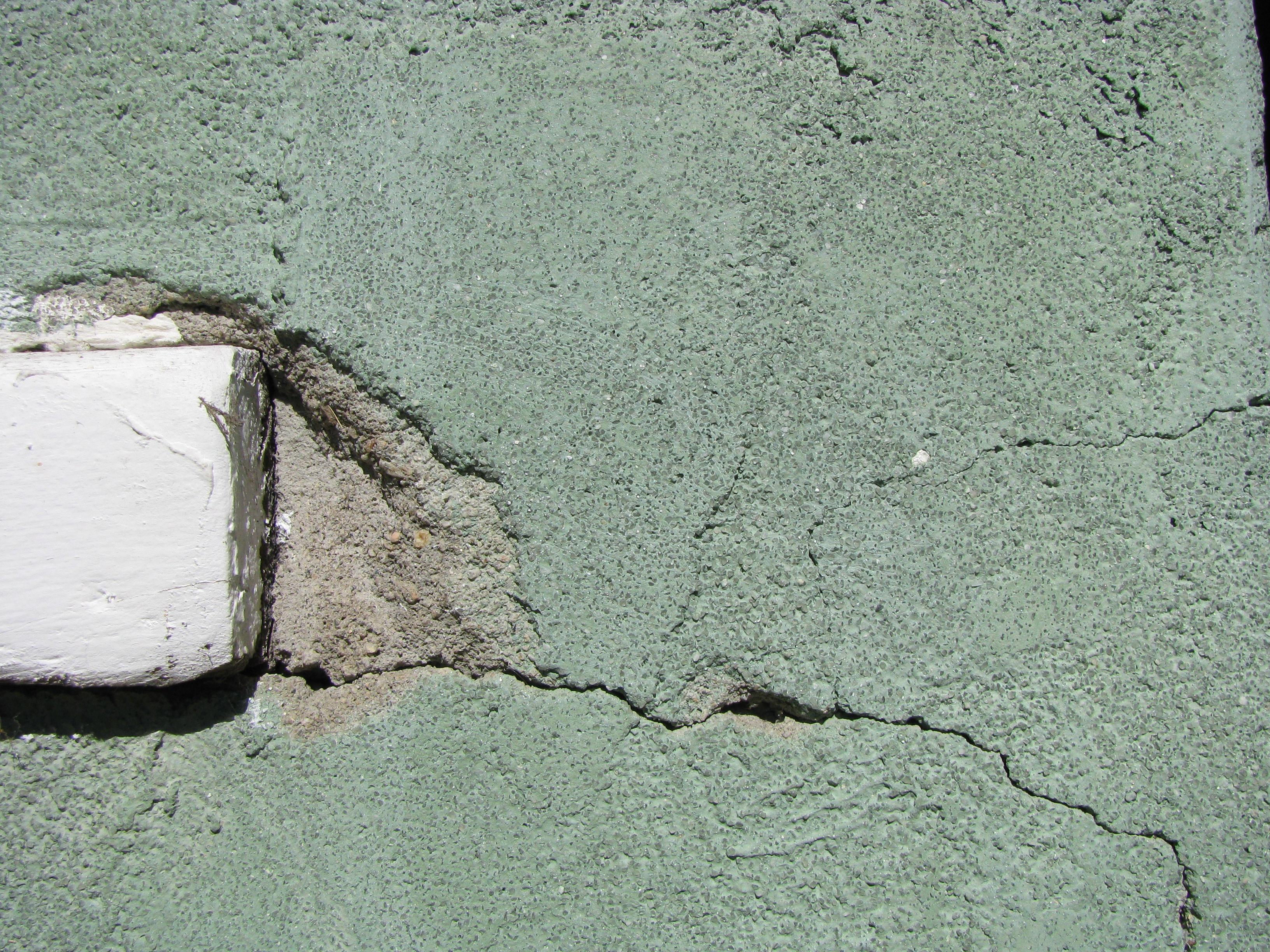
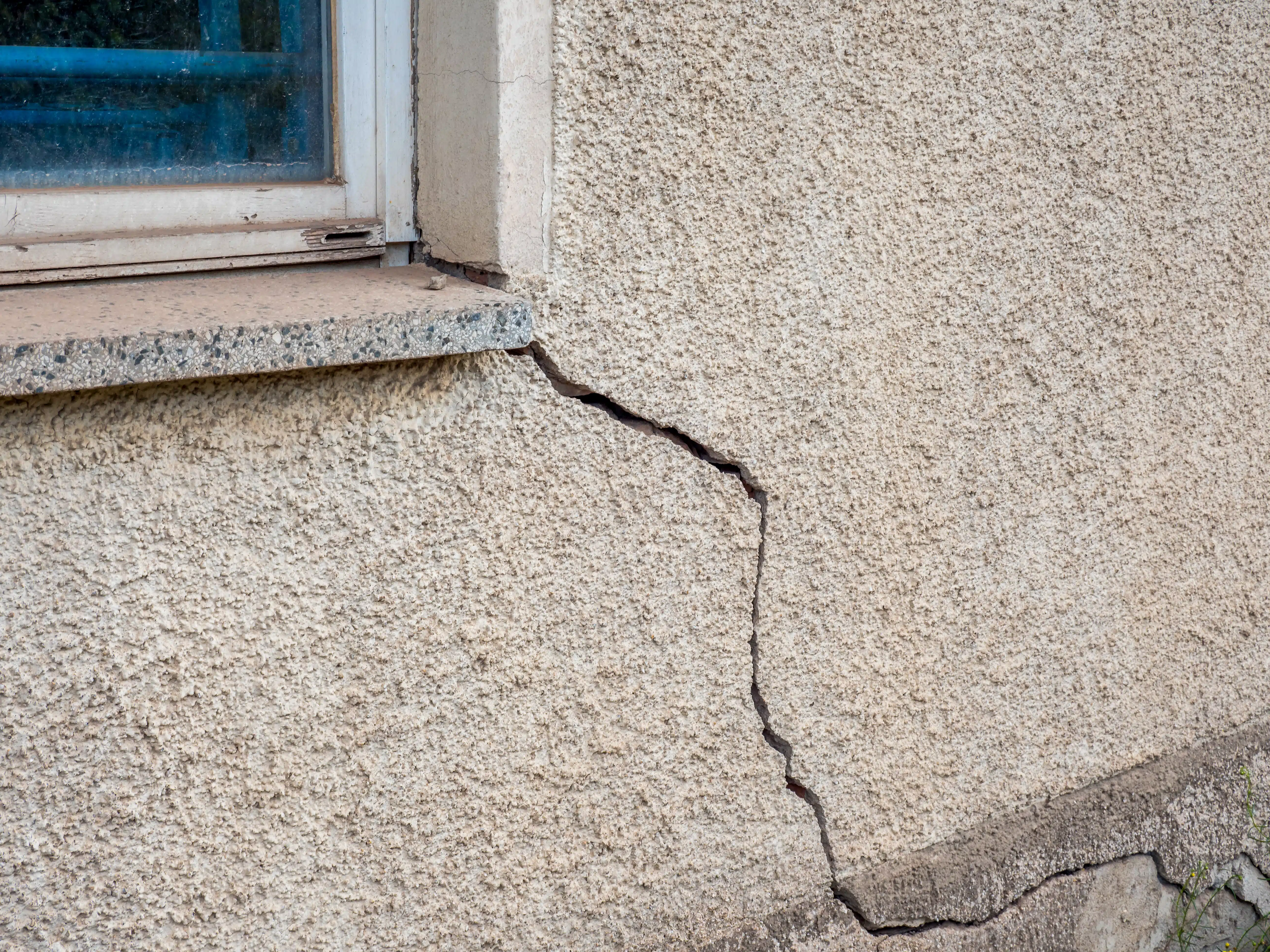
Cracks in stucco can range from minor cosmetic blemishes to indicators of more significant structural issues. Hairline cracks are often superficial and can be caused by the natural curing process of the stucco, temperature fluctuations, or minor settling of the home. While these might not always signify a major problem, they can still allow moisture intrusion, which, in Florida’s humid environment, can lead to mold growth or deterioration of the underlying structure. Larger, more extensive cracks, particularly those that are wide, deep, or spiderweb-like, could point to structural movement, foundation problems, or improper stucco application, all of which represent material defects that can significantly impact the property’s value and integrity.
Common Causes and Concerns with Stucco Cracks in Florida
The unique environmental conditions in Florida contribute to specific challenges for stucco exteriors. High humidity, heavy rainfall, and the intense sun can accelerate wear. Additionally, the sandy soil common in many areas can lead to foundation shifting if not properly managed, which in turn can cause stucco to crack. The presence of water intrusion, a common concern in a state prone to tropical storms and hurricanes, can also compromise stucco’s integrity from within. For homeowners, proactive maintenance and regular inspections are part of responsible ownership in Florida, ensuring their lifestyle investment remains sound. For sellers, acknowledging and disclosing these potential issues is a testament to their integrity and commitment to a transparent transaction.
The Imperative of Disclosure: Upholding Integrity in Your Florida Lifestyle Transition
In Florida, the principle of “caveat emptor” (buyer beware) traditionally held significant sway, but modern real estate law has shifted towards greater transparency. While Florida does not have a statutory disclosure form that sellers are legally mandated to complete (unlike some other states), case law and common law impose a duty on sellers to disclose known material defects that are not readily observable by the buyer and that materially affect the value of the property. This duty applies directly to conditions like significant stucco cracks.
A “material defect” is generally defined as an issue that would significantly impact a buyer’s decision to purchase the property or the price they would be willing to pay. Stucco cracks, especially if indicative of water intrusion, structural issues, or widespread damage, almost certainly fall into this category. Failure to disclose such known defects can lead to serious legal consequences for the seller, including rescission of the sale, damages, and attorney’s fees. This is not merely about legal compliance; it’s about fostering a marketplace built on trust, which is essential for buyers making significant lifestyle commitments in Florida and for sellers transitioning from one phase of their life to another.
What Constitutes “Known” and “Readily Observable”?
The duty to disclose hinges on whether the seller knew about the stucco cracks and whether they were readily observable by a buyer.
- Knowledge: A seller is obligated to disclose defects they are aware of, even if they haven’t been professionally assessed. This could include issues noticed during routine maintenance, previous repair attempts, or from personal experience living in the home. A seller cannot intentionally conceal defects or lie about them.
- Readily Observable: If the stucco cracks are superficial and clearly visible during a casual walk-through, they might be considered “readily observable,” and a seller may not be obligated to explicitly point them out. However, if the cracks are hidden by landscaping, paint, or located in less accessible areas, they would not be “readily observable” and thus fall under the disclosure requirement if known. Even readily observable defects that suggest a deeper, non-obvious problem (e.g., a visible crack that indicates hidden water damage) should generally be disclosed.
When in doubt, it is always advisable for a seller to disclose. Providing a comprehensive disclosure statement, possibly including a seller’s disclosure form (even if not legally mandated, it’s a best practice), and having a professional inspection report can protect a seller from future liability and provide peace of mind for both parties as they navigate their respective Florida lifestyle aspirations.
Navigating the Selling Process: Protecting Your Lifestyle Investment
Selling a home in Florida is more than just a transaction; for many, it’s a pivotal moment in their lifestyle journey, whether downsizing, relocating for work, or moving to a different Florida community. Approaching this process with transparency and diligence is crucial for a smooth transition and for protecting your financial and personal investment. When it comes to stucco cracks, proactive management and honest disclosure are your best allies.
Firstly, consider having your property professionally inspected before listing it. A pre-listing inspection can identify any stucco issues, allowing you to address them or at least be fully informed before discussions with potential buyers begin. This proactive approach demonstrates integrity and can prevent last-minute surprises that might derail a sale. If stucco cracks are identified, obtaining professional estimates for repair can also be beneficial, providing potential buyers with clear information and helping them factor the costs into their decision-making.
Secondly, work closely with an experienced Florida real estate agent. A knowledgeable agent will guide you through the disclosure process, advise on what constitutes a material defect, and help you present the information to buyers in a clear and legally sound manner. They understand the nuances of the local market and the expectations of Florida buyers who are eager to embrace their new lifestyle without unforeseen complications. Your agent can help you decide how best to document and communicate the property’s condition, including any stucco concerns.
The Power of Transparency: Building Trust for a Smooth Sale
Ultimately, transparency is key. When disclosing stucco cracks or any other known material defects, be specific, honest, and provide as much detail as possible. This includes when you became aware of the issue, any attempts made to repair it, and the current status. While it might seem counterintuitive to highlight potential flaws, full disclosure actually builds trust with potential buyers. It demonstrates that you are an honest seller, willing to provide a complete picture of the property they are considering for their Florida lifestyle. Buyers appreciate honesty, and it often leads to a more efficient negotiation process and a stronger, more secure sale. By upholding your ethical and legal obligations, you not only protect yourself from future legal challenges but also contribute to a healthier, more trustworthy real estate market in Florida, benefiting all who dream of living or investing in this vibrant state.
LifeOutOfTheBox is a participant in the Amazon Services LLC Associates Program, an affiliate advertising program designed to provide a means for sites to earn advertising fees by advertising and linking to Amazon.com. Amazon, the Amazon logo, AmazonSupply, and the AmazonSupply logo are trademarks of Amazon.com, Inc. or its affiliates. As an Amazon Associate we earn affiliate commissions from qualifying purchases.