
Understanding the tax landscape of a destination is a crucial part of planning any extended visit or relocation. For those considering a trip to the Gem State, or perhaps contemplating a more permanent move, the question of state taxes in Idaho is paramount. This exploration delves into Idaho’s tax structure, focusing on how it might impact travelers, temporary residents, and potential long-term visitors interested in a more immersive experience within its scenic beauty and vibrant communities.
The Core of Idaho’s Tax System: Income and Sales Tax
At the heart of Idaho’s revenue generation lie two primary taxes: income tax and sales tax. For individuals and businesses operating within the state, understanding these is foundational.
Income Tax in the Gem State
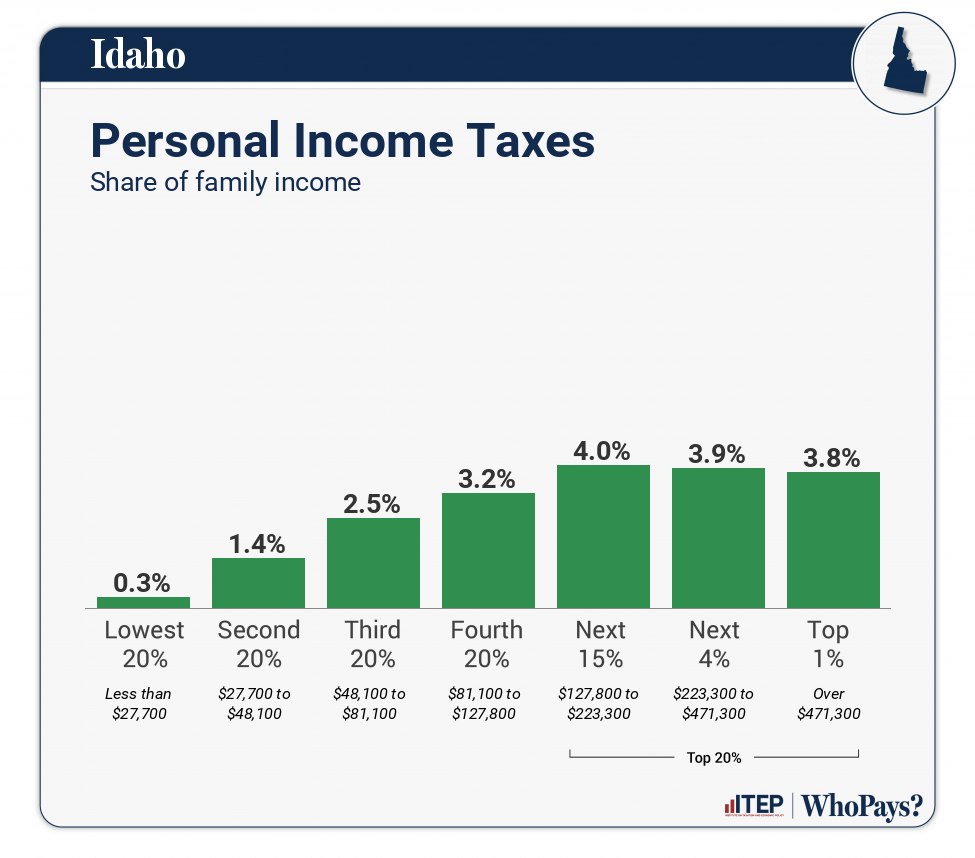
Idaho operates a progressive income tax system, meaning that tax rates increase as income levels rise. This structure aims to distribute the tax burden more heavily on those with higher earning capacities.
Tax Brackets and Rates
The specific tax brackets and corresponding rates are subject to legislative changes and can be adjusted annually. For the most current information, consulting the Idaho State Tax Commission is recommended. However, the general principle involves several income tiers, each associated with a specific percentage of tax liability. For instance, lower income brackets might be taxed at a modest rate, while higher income brackets face progressively higher percentages.
- Understanding the Progressive Nature: This system is designed to ensure that essential services, such as infrastructure development, education, and public safety, are funded while striving for a degree of fairness in the distribution of that funding. For a traveler, this typically means that short-term income earned within Idaho might be subject to taxation, depending on the duration and nature of the work performed. Freelancers, remote workers temporarily residing in Idaho, or individuals engaging in short-term employment opportunities need to be aware of potential filing requirements.
Deductions and Credits
Like many states, Idaho offers various deductions and credits that can reduce an individual’s taxable income. These can include deductions for dependents, medical expenses, charitable contributions, and specific retirement plan contributions. Credits may be available for certain activities, such as investing in local businesses or for specific demographic groups. While these are more relevant for residents, a temporary visitor earning income in Idaho might still benefit from certain provisions, depending on their specific circumstances and filing status.
Sales and Use Tax
The sales tax is perhaps the most visible tax for any visitor to Idaho. This is a tax levied on the retail sale of tangible personal property and certain services.
State and Local Sales Tax Rates
Idaho has a statewide sales tax rate. It’s important to note that while the state sets a base rate, some local jurisdictions may have additional taxes or fees that can increase the overall sales tax burden. This is particularly relevant when making purchases in different cities or counties within Idaho.
-
What is Taxed?: Generally, the sales tax applies to items like clothing, electronics, home goods, and restaurant meals. There are typically exemptions for groceries, prescription medications, and other essential items, making the tax more palatable for everyday living. Services such as lodging, professional services, and utilities may also be subject to sales tax, depending on their classification by the state.
-
Use Tax: Complementing the sales tax is the use tax. This tax is levied on goods purchased outside of Idaho but brought into the state for use, storage, or consumption. The purpose of the use tax is to ensure that Idaho residents and businesses pay taxes on items they would have otherwise paid sales tax on if purchased within the state, thereby preventing tax avoidance. For a traveler, this might apply if they purchase a significant item elsewhere and then bring it into Idaho for use.
Property Taxes and Their Impact on Visitors
While income and sales taxes directly affect day-to-day spending and earning for visitors, property taxes are primarily a concern for those owning real estate in Idaho. However, understanding their existence is part of a comprehensive picture of the state’s fiscal structure.
Real Estate Taxation
Property taxes in Idaho are levied by local governments (counties, cities, school districts, and special districts) and are based on the assessed value of real property.
-
Assessment and Valuation: Property is assessed periodically, and its value is determined by market conditions and specific appraisal methods. Homeowners and property owners are then taxed based on this assessed value, with the rates determined by the budget needs of the local taxing entities.
-
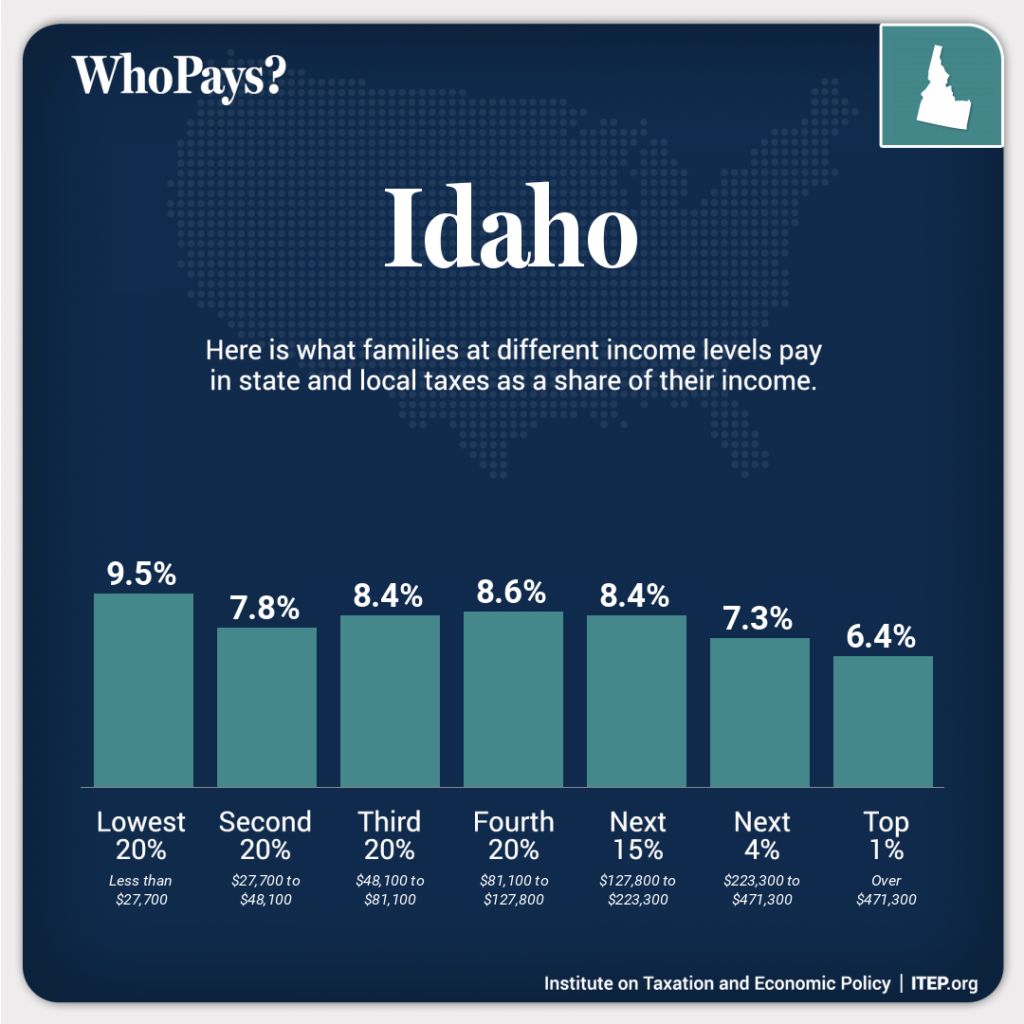
Impact on Renters and Short-Term Stays: For short-term visitors staying in hotels, vacation rentals, or other forms of temporary accommodation, the direct impact of property taxes is negligible. These costs are typically bundled into the rental rates charged by the establishment. However, in a broader sense, high property taxes in certain areas can indirectly influence the cost of living and, consequently, the prices of goods and services, which may affect a traveler’s budget. For those considering longer stays or purchasing property, understanding local property tax rates is critical.
Other Taxes and Fees Relevant to Visitors
Beyond the primary income, sales, and property taxes, Idaho has other levies that can affect visitors, particularly those exploring the state or engaging in specific activities.
Fuel and Vehicle Taxes
For travelers driving through or within Idaho, fuel taxes are a constant consideration. The state imposes taxes on gasoline and diesel fuel. These taxes are incorporated into the price at the pump and contribute to funding state transportation infrastructure, such as highways and bridges.
- Vehicle Registration: If a visitor plans to stay in Idaho for an extended period with their own vehicle, they may eventually be subject to vehicle registration requirements and associated fees, depending on the duration of their stay and their residency status.
Lodging and Tourism-Related Taxes
Many destinations rely on taxes related to tourism to fund their hospitality infrastructure and promotional efforts. Idaho is no exception.
-
Hotel Taxes: Visitors staying in hotels, motels, and other forms of paid lodging will typically encounter occupancy taxes, often referred to as lodging taxes or transient room taxes. These are usually a percentage of the room rate and are collected by the lodging establishment, which then remits them to the state and/or local government. These taxes help fund services and amenities that support the tourism industry.
-
Recreational Fees: For those engaging in outdoor activities within Idaho, particularly in state parks or on public lands, there may be entrance fees, permit fees, or user fees. These are essential for the maintenance and preservation of these natural resources. For example, visiting a place like Sawtooth National Recreation Area might involve specific fees for certain activities or overnight stays.
Navigating Tax Implications for Different Stays
The implications of Idaho’s tax system vary significantly based on the nature and duration of a visitor’s stay.
Short-Term Visitors and Tourists
For the typical tourist exploring Idaho for a few days or weeks, the primary tax impact will be through sales tax on purchases and lodging taxes on accommodation. Fuel taxes will also apply if traveling by car. Income tax is unlikely to be a concern unless the visitor is earning income locally during their stay, which is less common for vacationers.
Digital Nomads and Remote Workers
The rise of remote work has made Idaho an attractive destination for digital nomads. For these individuals, understanding the tax implications of establishing a temporary residence is crucial.
-
Residency Determination: A key factor is determining tax residency. If a digital nomad spends a significant amount of time in Idaho (typically exceeding 183 days, though specific rules apply), they may be considered an Idaho resident for tax purposes, potentially making them liable for Idaho income tax on their worldwide income, regardless of where their employer is based.
-
Nexus and Business Income: For those operating their own businesses or freelancing, the concept of “nexus” becomes important. If sufficient business activity occurs in Idaho, even for a remote worker, the state may assert the right to tax that business income. Consulting with a tax professional specializing in multi-state taxation is highly advisable for digital nomads.
Long-Term Stays and Potential Relocation
Individuals considering a longer stay or contemplating relocating to Idaho will need a more thorough understanding of all tax types.
-
Income Tax Residency: As mentioned, establishing residency triggers full income tax obligations. This means filing Idaho tax returns and reporting all income earned.
-
Property Tax Liability: If purchasing property, understanding local property tax rates, assessment practices, and potential exemptions (like homestead exemptions for primary residences) becomes a significant financial consideration. This can vary greatly between cities like Boise and smaller towns.
-
Other State-Specific Taxes: Depending on the nature of employment or business, other taxes such as unemployment insurance contributions or specific business taxes may apply.
Conclusion: Planning Your Idaho Experience with Tax Awareness
In summary, Idaho does indeed have state taxes, encompassing income tax, sales tax, and property tax, along with various other fees and levies. For the casual traveler, these are primarily experienced through sales and lodging taxes, adding a predictable cost to purchases and stays. For those looking to work remotely, engage in longer visits, or relocate, a deeper dive into the progressive income tax structure, residency rules, and property tax implications is essential. By understanding Idaho’s tax framework, visitors can better plan their finances, make informed decisions, and fully appreciate the economic environment of this diverse and beautiful state. Always refer to the official Idaho State Tax Commission for the most up-to-date and detailed tax information.
LifeOutOfTheBox is a participant in the Amazon Services LLC Associates Program, an affiliate advertising program designed to provide a means for sites to earn advertising fees by advertising and linking to Amazon.com. Amazon, the Amazon logo, AmazonSupply, and the AmazonSupply logo are trademarks of Amazon.com, Inc. or its affiliates. As an Amazon Associate we earn affiliate commissions from qualifying purchases.