
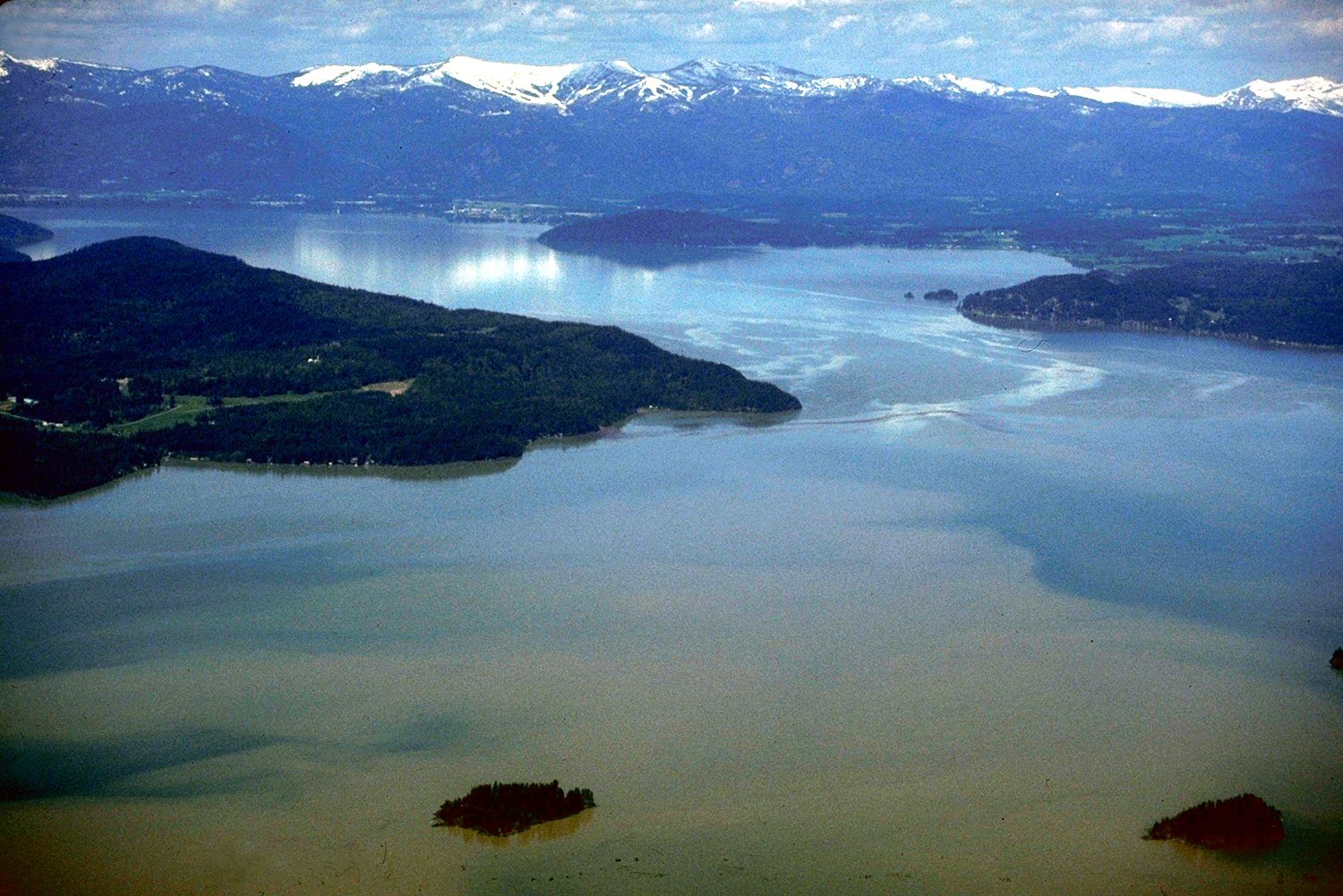
Lake Pend Oreille, a jewel nestled in the Idaho Panhandle, is a body of water that sparks curiosity and awe in equal measure. Its vast expanse and captivating beauty are undeniable, but one question often surfaces among visitors and locals alike: just how deep is this magnificent lake? The answer to this question delves into the geological history of the region, the ecological significance of its depths, and the practical implications for those who explore its waters. Understanding the profound dimensions of Lake Pend Oreille adds another layer to its already rich allure, transforming a simple scenic vista into a testament to nature’s grandeur and the ancient forces that shaped it.
The Geological Tapestry of Depth
The extraordinary depth of Lake Pend Oreille is not an accident of nature but a direct consequence of powerful geological processes that unfolded over millennia. The lake occupies a basin carved by glacial activity, a common feature in the rugged landscapes of North America. During the Pleistocene epoch, massive ice sheets, part of the Cordilleran Ice Sheet, advanced and retreated across the region. As these glaciers moved, their immense weight and abrasive power gouged out deep valleys and depressions in the Earth’s crust.
Glacial Scouring and Moraine Formation
The process of glacial scouring was particularly intense in the area that is now Lake Pend Oreille. The sheer force of the moving ice acted like a colossal chisel, stripping away bedrock and deepening the existing river valleys. The southern end of the lake, in particular, is characterized by a profound trough. This dramatic depth is a direct result of the glacier’s erosive power.
Furthermore, as the glaciers melted and retreated, they deposited vast amounts of sediment, rock, and debris that had been carried along. These deposits, known as moraines, often formed natural dams that helped to impound the meltwater, creating the vast lake we see today. The complex interplay of scouring and deposition shaped the lake’s unique bathymetry, creating areas of immense depth alongside shallower shelves.
Tectonic Influences
While glacial activity is the primary architect of Lake Pend Oreille’s depth, underlying tectonic forces may have also played a role. The region is part of the Northern Rocky Mountains, an area characterized by significant geological activity over millions of years. Fault lines and regional uplift could have influenced the initial formation of the bedrock, making it more susceptible to glacial erosion in certain areas. This combination of tectonic setting and glacial power is what ultimately sculpted the lake’s deep and expansive basin.
The deepest point in Lake Pend Oreille reaches an astounding 1,150 feet (approximately 350 meters). This makes it the deepest lake in Idaho and one of the deepest in the United States. This remarkable depth has significant implications for water temperature, aquatic life, and even historical research.
Ecological Significance of the Depths
The profound depths of Lake Pend Oreille are not merely a geographical curiosity; they are integral to the lake’s complex ecosystem. These deep zones create unique habitats that support a diverse array of aquatic life, from microscopic organisms to apex predators. The stratification of water temperatures and oxygen levels at different depths plays a crucial role in the survival and distribution of various species.
Thermal Stratification and Oxygen Levels
In the summer months, Lake Pend Oreille, like many deep lakes, experiences thermal stratification. The surface waters are warmed by the sun, becoming less dense and forming a distinct layer. Beneath this epilimnion lies the thermocline, a transition zone where the temperature drops rapidly. At the deepest levels, the hypolimnion, the water remains cold and relatively stable year-round.
This temperature gradient has a significant impact on dissolved oxygen levels. While the surface waters are well-oxygenated due to atmospheric exchange and wave action, the deeper, colder waters can become depleted of oxygen, especially during periods of low circulation. This can create challenging conditions for some species but also provides a refuge for others adapted to low-oxygen environments.
Habitat for Unique Species
The deep, cold waters of Lake Pend Oreille are a haven for a variety of fish species, including native and introduced populations. The lake is renowned for its kokanee salmon, a landlocked sockeye salmon population that thrives in the lake’s environment. The deep, cool waters provide ideal spawning grounds and protection from predators for juvenile kokanee.
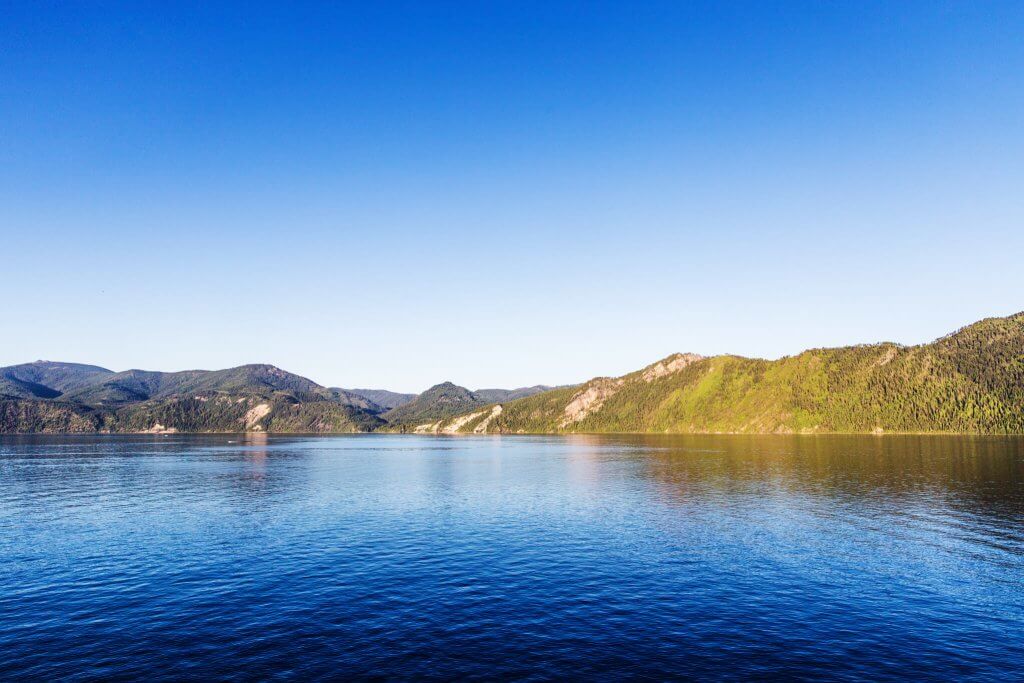
The lake also supports populations of rainbow trout, cutthroat trout, and Mackinaw (lake trout). The latter, in particular, are deep-water specialists, often found in the colder, lower strata of the lake. Their presence is indicative of a healthy, functioning ecosystem where food sources are abundant, even in the deepest trenches. The deep zones also harbor various invertebrates, which form the base of the food web, supporting the larger fish populations.
Research and Conservation Efforts
The immense depth and ecological significance of Lake Pend Oreille make it a prime location for scientific research. Scientists study the lake’s water quality, fish populations, and ecological dynamics to understand its health and to inform conservation efforts. The deep-water environments present unique challenges for sampling and monitoring, often requiring specialized equipment and techniques.
Organizations like the Lake Pend Oreille Waterkeeper work diligently to protect the lake’s water quality and natural resources, recognizing the critical role its depth plays in its overall ecological integrity. Understanding the dynamics of these deep zones is paramount to ensuring the long-term sustainability of the lake’s biodiversity.
Practical Implications for Exploration and Recreation
The significant depth of Lake Pend Oreille influences how it is used and enjoyed by visitors and residents alike. Whether for recreation, transportation, or scientific inquiry, understanding the lake’s bathymetry is essential for safe and effective engagement with its waters.
Boating and Navigation
For boaters, the sheer depth of Lake Pend Oreille presents both opportunities and considerations. While it allows for large vessels and offers ample space for various water sports, it also means that sudden drops in the lakebed can occur. Mariners must be aware of potential hazards, especially in uncharted areas. Charting and modern navigation systems are crucial tools for navigating the lake safely, particularly as some areas can be surprisingly deep even close to shore.
The presence of submerged structures, remnants of historical use or natural formations, can also be a concern for boaters, especially those operating smaller craft. Understanding the lake’s floor topography is vital for preventing accidents and ensuring a smooth experience on the water.
Fishing and Angling
The varied depths of Lake Pend Oreille create diverse fishing opportunities. Anglers can target species that prefer different water temperatures and habitats. Shallower areas may yield smaller fish and baitfish, while the deeper zones are the domain of larger predators like the Mackinaw trout.
Successful fishing often depends on understanding where specific species are likely to be found relative to depth and temperature. Techniques such as downrigging are often employed by anglers seeking to reach the cold-water species that inhabit the lake’s deeper sections. The abundance and variety of fish in these deep waters are a significant draw for anglers from far and wide.
Underwater Exploration and Research
The immense depth of Lake Pend Oreille offers intriguing possibilities for underwater exploration and scientific research. While challenging, the clear, cold waters can be appealing for diving expeditions, though safety precautions are paramount due to the extreme depths and potential for decompression sickness.
Submersible vehicles and advanced sonar technology can be used to map the lakebed, study deep-water ecosystems, and even search for historical artifacts or geological formations. The deep trenches of Lake Pend Oreille remain a frontier for discovery, holding secrets of its past and providing a unique laboratory for understanding aquatic environments.
A Deeper Appreciation for Lake Pend Oreille
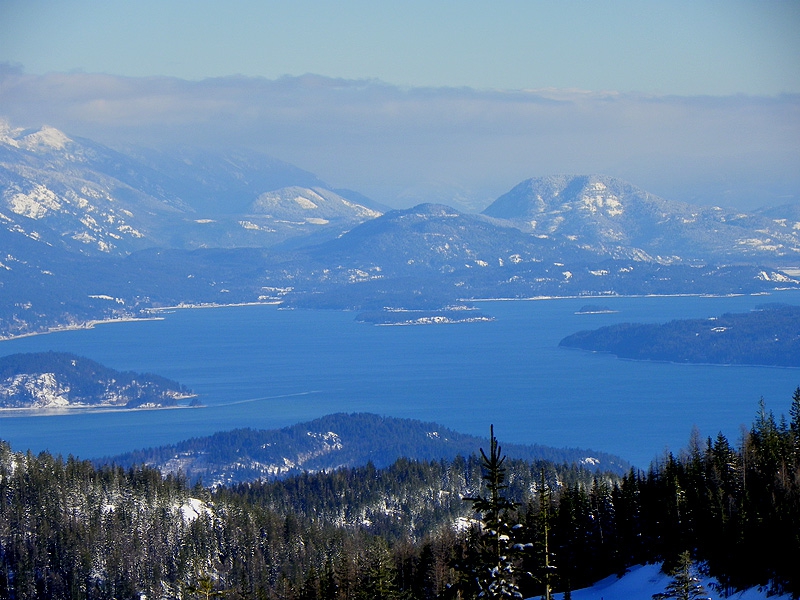
The question “How deep is Lake Pend Oreille?” opens a gateway to understanding the profound geological forces that shaped it, the intricate ecological systems it supports, and the practical ways its immense dimensions influence human interaction. From its glacial origins to its role as a vital habitat and recreational resource, the lake’s depth is a defining characteristic that imbues it with both mystery and magnificence.
Recognizing the 1,150-foot abyss at its deepest point provides a tangible measure of the natural wonder that is Lake Pend Oreille. It is a reminder of the ancient processes that continue to shape our planet and the delicate balance of ecosystems that thrive in even the most extreme environments. Whether one is a tourist marveling at its surface, an angler seeking its elusive depths, or a scientist studying its secrets, a deeper appreciation for Lake Pend Oreille begins with understanding how truly profound it is. Its allure extends far beyond its picturesque shores, plunging into an unseen world that is as vital and fascinating as the landscapes above.
LifeOutOfTheBox is a participant in the Amazon Services LLC Associates Program, an affiliate advertising program designed to provide a means for sites to earn advertising fees by advertising and linking to Amazon.com. Amazon, the Amazon logo, AmazonSupply, and the AmazonSupply logo are trademarks of Amazon.com, Inc. or its affiliates. As an Amazon Associate we earn affiliate commissions from qualifying purchases.