
To understand what is considered the Big Island in Hawaii, one must first look at the sheer scale and geological diversity of the Hawaiian Islands. Officially named Hawaii Island, this massive landmass is the largest and youngest in the archipelago located in the Central Pacific Ocean. It is so vast that all the other major islands—Maui, Oahu, Kauai, Molokai, Lanai, Niihau, and Kahoolawe—could fit onto it nearly twice over. For travelers, the Big Island represents a microcosm of the world’s climates, ranging from tropical rainforests and volcanic deserts to alpine tundras and white sand beaches.

Understanding the Identity of Hawaii Island
The Big Island is a land of superlatives. As a traveler ventures across its 4,028 square miles, they are traversing the shield of five major volcanoes that risen from the seafloor over hundreds of thousands of years. The island’s identity is intrinsically linked to this volcanic activity, which continues to shape its topography today.
A Land of Massive Proportions
The term “Big Island” was popularized to distinguish the island of Hawaii from the state of Hawaii as a whole. Situated at the southeastern end of the island chain, it is the most diverse destination for those seeking adventure within the United States. Because of its size, the island is divided into several distinct districts, each offering a completely different travel experience. From the dry, sun-drenched resorts of the Kohala Coast to the misty, lush jungles of Hilo, the geography dictates the lifestyle and the activities available to visitors.
The Five Volcanoes of the Big Island
The island’s foundation is built upon five shield volcanoes. Kohala, the oldest, is now extinct and forms the rugged northern tip of the island. Mauna Kea, a dormant volcano, is the highest point in the state, reaching 13,803 feet above sea level. When measured from its base on the ocean floor, it is technically the tallest mountain in the world. Hualalai towers over the city of Kailua-Kona and last erupted in 1801. Mauna Loa, which covers half of the island’s surface, is one of the world’s most massive active volcanoes. Finally, Kilauea is among the most active volcanoes on Earth, attracting millions of visitors to witness the creation of new land.
Navigating the Diverse Regions and Ecosystems
Travelers visiting the Big Island often find themselves surprised by the dramatic shifts in weather and scenery. The island contains 10 of the world’s 14 climate zones, making it a unique laboratory for nature lovers.
The Sunny Kona Coast
The western side of the island is known as the Kona side. This region is famous for its clear waters, historic sites, and world-renowned coffee. Kailua-Kona serves as the primary hub for tourism, offering a blend of shopping, dining, and seaside strolls along Alii Drive. Just south of the town lies Kealakekua Bay, a marine life sanctuary and the site where Captain James Cook first arrived in 1778. The Kona Coast is also the gateway to high-end luxury at the Four Seasons Resort Hualalai and the volcanic fields of North Kona.
The Lush Hilo Side and Hamakua Coast
In stark contrast to the lava-strewn landscapes of the west, the eastern side of the Big Island is a testament to the power of rain. Hilo, the island’s capital and largest city, is one of the wettest cities in the United States. This abundance of water fuels breathtaking waterfalls and botanical gardens. Along the Hamakua Coast, travelers can find Akaka Falls State Park, where a 442-foot waterfall plunges into a steam-filled gorge. Nearby, Rainbow Falls offers a more accessible but equally stunning view near downtown Hilo. The Hilo region feels more like “Old Hawaii,” with historic wooden storefronts and a slower pace of life.
The High Desert and Ranch Lands of Waimea
Moving inland and north, the landscape shifts again into the rolling green hills of Waimea, also known as Kamuela. This is the heart of Hawaiian Cowboy or “Paniolo” culture. Parker Ranch, one of the largest privately owned cattle ranches in the United States, dominates this landscape. The cooler temperatures and misty pastures offer a refreshing break from the coastal heat, providing a glimpse into the island’s deep agricultural roots.
Primary Attractions That Define the Big Island Experience
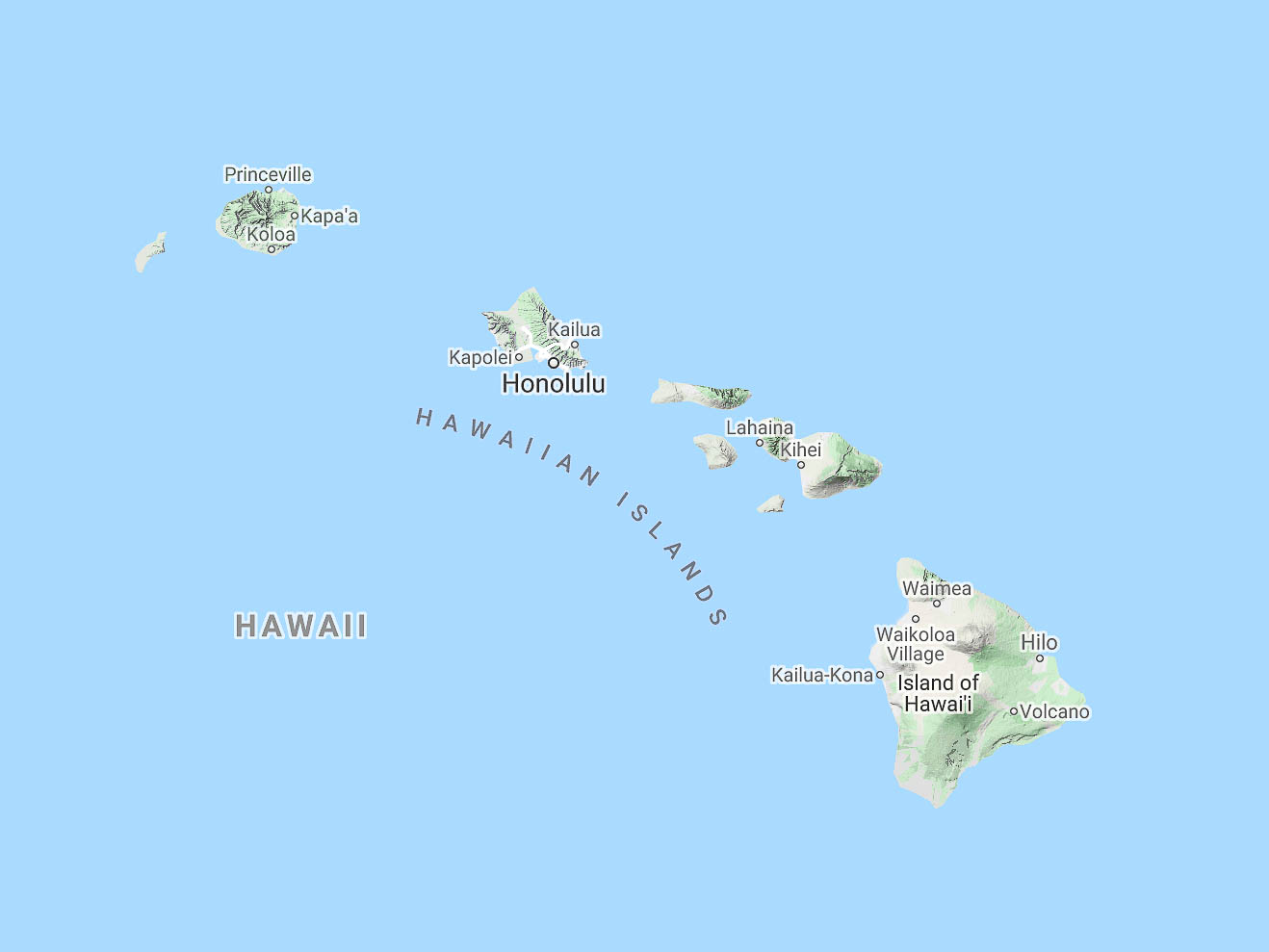
For those identifying what makes the Big Island a premier destination, several landmark sites stand out as essential visits.
Hawaii Volcanoes National Park: A Living Landscape
No trip to the Big Island is complete without exploring Hawaii Volcanoes National Park. Established in 1916, this UNESCO World Heritage Site protects the summit and rift zones of Kilauea and Mauna Loa. Travelers can drive the Crater Rim Drive, hike through the Thurston Lava Tube (known as Nahuku), and witness the vast Halemaumau Crater. The park offers a rare opportunity to see how the earth is being formed, with steam vents and solidified lava flows serving as a reminder of the island’s raw power.
Mauna Kea: The Gateway to the Stars
Mauna Kea represents the spiritual and scientific pinnacle of Hawaii Island. The summit is home to the Mauna Kea Observatory, which houses some of the world’s most advanced telescopes due to the clear, dark skies and high altitude. Visitors often stop at the Onizuka Center for International Astronomy visitor information station to acclimatize and participate in stargazing programs. The drive to the summit reveals a landscape that looks more like Mars than a tropical island, often covered in snow during the winter months.
Waipio Valley: The Valley of Kings
Located on the Hamakua Coast, Waipio Valley is a place of profound historical and cultural significance. Once the residence of King Kamehameha I, this “Valley of the Kings” is encased by cliffs reaching 2,000 feet high. The valley floor is home to traditional taro farmers and wild horses. While access to the valley floor is currently restricted to residents and authorized tours to protect the area, the Waipio Valley Lookout provides one of the most iconic panoramas in the Pacific.
Coastal Wonders and Marine Adventures
The waters surrounding the Big Island are just as spectacular as the land itself. Because the island is so young, it lacks the extensive coral reefs found on older islands like Kauai, but it offers deep, clear waters perfect for unique marine encounters.
Black, Green, and White Sand Beaches
The geological youth of the Big Island has resulted in some of the most unusual beaches in the world. Punaluu Black Sand Beach is perhaps the most famous, where jet-black basalt sand is often shared with basking Hawaiian Green Sea Turtles. Further south near Ka Lae (also known as South Point), the southernmost point of the United States, lies Papakolea Green Sand Beach. One of only four green sand beaches in the world, its color comes from olivine crystals eroded from a nearby cinder cone. For those seeking traditional white sands, Hapuna Beach State Recreation Area on the Kohala Coast consistently ranks as one of the best beaches in the world.
Snorkeling and the Manta Ray Experience
The calm, clear waters of the Kona Coast make it a premier destination for snorkeling and diving. Kealakekua Bay and Honaunau Bay (next to Puuhonua o Honaunau National Historical Park) offer exceptional visibility and vibrant marine life. However, the most iconic water activity on the Big Island is the nighttime manta ray snorkel or dive. Travelers can swim with these gentle giants as they feed on plankton attracted by underwater lights, often near resorts like the Outrigger Kona Resort and Spa or Mauna Kea Beach Hotel.

Planning Your Journey Through the Largest Hawaiian Isle
To truly experience what is considered the Big Island, travelers should plan for significant drive times. Unlike the smaller islands where one can circumnavigate the coastline in a few hours, the Big Island requires a more methodical approach. Many visitors choose to split their stay between Kailua-Kona and Hilo to minimize driving and maximize their time exploring the local attractions.
The island’s cultural heritage is another vital component of its identity. Sites like Puukohola Heiau National Historic Site, built by King Kamehameha I to unify the islands, provide a window into the ancient political and religious life of Hawaii. Visiting the Kona Coffee Living History Farm or exploring the farmers’ markets in Hilo and Waimea allows travelers to engage with the local community and taste the flavors that make this island unique.
Whether you are seeking the thrill of an active volcano, the serenity of a remote rainforest, or the luxury of a world-class resort in Waikoloa Village, the Big Island offers a travel experience that is as grand as its name suggests. It is a place where the earth is still growing, history is deeply felt, and the natural beauty remains untamed and diverse.
LifeOutOfTheBox is a participant in the Amazon Services LLC Associates Program, an affiliate advertising program designed to provide a means for sites to earn advertising fees by advertising and linking to Amazon.com. Amazon, the Amazon logo, AmazonSupply, and the AmazonSupply logo are trademarks of Amazon.com, Inc. or its affiliates. As an Amazon Associate we earn affiliate commissions from qualifying purchases.