
Understanding Idaho’s Demographic Landscape
The question “How Many People Are In Idaho?” might seem straightforward, but its answer reveals a dynamic demographic tapestry that shapes the state’s character and future. Far beyond a simple census number, understanding Idaho’s population provides crucial insights into its growth trends, urban and rural distribution, and the diverse communities that call the Gem State home. This exploration delves into the current population figures, historical trends, and the factors contributing to Idaho’s evolving human geography.
The Latest Population Snapshot
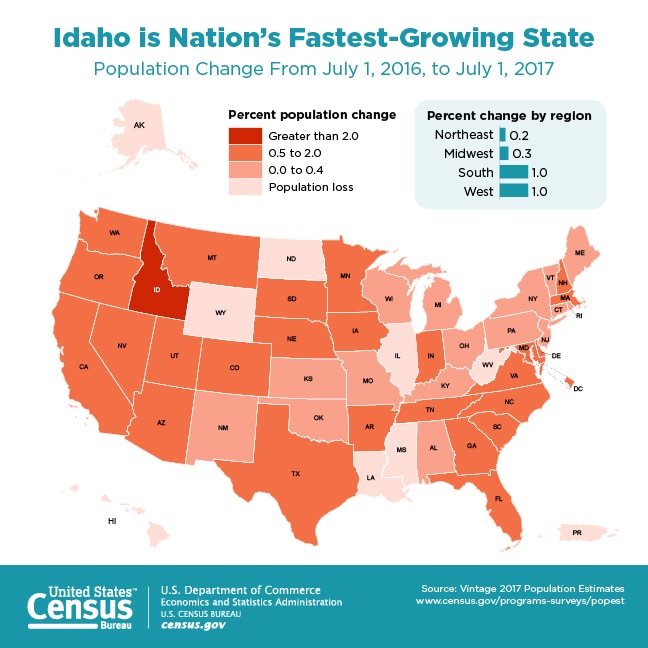
As of the most recent estimates, Idaho’s population stands at approximately 1.9 million individuals. This figure, while substantial, places Idaho among the less densely populated states in the United States. However, what’s more compelling than the raw number is the state’s consistent growth trajectory over the past decade. Idaho has been one of the fastest-growing states in the nation, experiencing a significant influx of new residents. This growth is not uniform across the state, with certain areas seeing more rapid expansion than others.
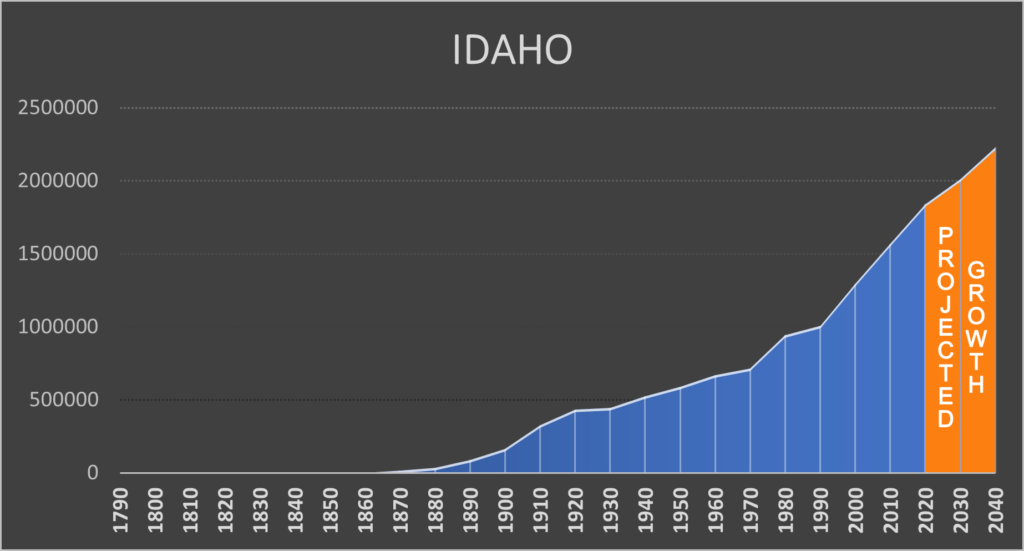
The U.S. Census Bureau is the primary source for official population data. Their estimates, updated annually, provide a snapshot of population changes between decennial censuses. These figures are vital for resource allocation, economic planning, and understanding the socio-economic shifts occurring within Idaho. The continuous increase in population signals a state that is increasingly attractive to new residents, driven by various factors that we will explore further.
Historical Population Trends in Idaho
To fully appreciate Idaho’s current demographic situation, it’s essential to look back at its historical population growth. For much of its history, Idaho experienced more modest growth, influenced by its agricultural roots and the development of its natural resources. The early 20th century saw steady increases, often tied to mining booms and the expansion of farming. However, the latter half of the century witnessed periods of slower growth, and even some decline in rural areas as economic opportunities shifted.
The turn of the 21st century marked a significant turning point. Idaho began to experience a sustained period of accelerated population growth. This resurgence is often attributed to a combination of factors, including a lower cost of living compared to many other Western states, a burgeoning tech sector, and an increasing appeal for those seeking a more outdoor-centric lifestyle. Cities like Boise, Meridian, and Nampa have become magnets for new residents, leading to significant urban and suburban expansion.
Understanding these historical trends allows us to contextualize the current growth. It highlights that Idaho’s current demographic dynamism is not an anomaly but rather a continuation and acceleration of recent trends, transforming its settlement patterns and economic landscape.
Where Idahoans Live: Urban Centers and Rural Landscapes
The distribution of Idaho’s population is as important as the total number. The state presents a stark contrast between its growing urban centers and its vast, often sparsely populated rural areas. This dichotomy influences everything from infrastructure development to the preservation of traditional ways of life.
The Dominance of the Treasure Valley
The Treasure Valley, encompassing Boise and its surrounding metropolitan area, is undeniably the most populous region in Idaho. Boise, the state capital, is the heart of this region, boasting the largest concentration of people and economic activity. Cities like Meridian, Nampa, and Caldwell form a contiguous urban sprawl, experiencing some of the highest growth rates in the country. This concentration is driven by job opportunities in sectors such as technology, healthcare, and government, as well as the appeal of a vibrant urban environment with a growing culinary scene and cultural offerings.
The Treasure Valley‘s growth presents both opportunities and challenges. Increased demand for housing, infrastructure, and public services requires significant investment and planning. The region’s transformation from a more modest city to a bustling metropolitan area is a testament to its economic dynamism and the attractiveness of its quality of life.
Rural Idaho: Resilience and Transformation
Beyond the Treasure Valley, Idaho’s population is spread across numerous smaller cities, towns, and vast rural landscapes. These areas, often characterized by agriculture, natural resource extraction, and outdoor recreation, hold significant cultural and economic importance. Towns like Pocatello, Idaho Falls, and Coeur d’Alene serve as regional hubs, providing services and economic opportunities to their surrounding communities.
While some rural areas continue to experience population stagnation or decline, others are seeing renewed interest. The appeal of a more rural lifestyle, coupled with the rise of remote work opportunities, has led to some migration back to these areas. However, maintaining essential services, attracting young families, and fostering economic diversification remain ongoing challenges for many rural communities in Idaho. The preservation of Idaho’s unique rural heritage is a key concern for many residents.
Population Density: A State of Open Spaces

Idaho’s overall population density is low, averaging around 21 people per square mile. This low density is a defining characteristic, reflecting the state’s vast expanses of mountains, forests, and agricultural lands. Compared to states like New Jersey or Massachusetts, Idaho offers an abundance of open space. This characteristic is a significant draw for those seeking outdoor recreation, from skiing in the Sawtooth Mountains to fishing in the Snake River.
However, this low density also means that public services and infrastructure can be more challenging and expensive to provide in remote areas. Understanding population distribution is crucial for effective governance and ensuring equitable access to resources and opportunities across the entire state.
Factors Driving Idaho’s Population Growth
The consistent influx of people into Idaho is not accidental. Several compelling factors contribute to its status as a fast-growing state, attracting a diverse range of individuals and families.
Economic Opportunities and a Favorable Business Climate
Idaho has been actively cultivating a diverse and robust economy. While agriculture remains a cornerstone, the state has successfully diversified into sectors like technology, advanced manufacturing, and biosciences. Cities like Boise have become hubs for tech companies, attracting skilled professionals and startups. This economic expansion translates into job creation and a demand for labor, making Idaho an attractive destination for those seeking employment.
Furthermore, Idaho is often cited for its favorable business climate. Lower operating costs, a relatively lower tax burden compared to some neighboring states, and a government that is supportive of business growth contribute to this appeal. This environment encourages businesses to relocate or expand within the state, further fueling job growth and population increases.
Quality of Life and Outdoor Recreation
Perhaps one of the most significant drivers of population growth is Idaho’s renowned quality of life. The state offers an unparalleled abundance of outdoor recreational opportunities. From world-class skiing at resorts like Sun Valley to hiking and biking in national forests, fishing in pristine rivers, and boating on expansive lakes, the opportunities for an active outdoor lifestyle are virtually limitless. This draws individuals and families who prioritize access to nature and a healthy, active lifestyle.
The perception of Idaho as a place with a strong sense of community, lower crime rates, and a generally more relaxed pace of life also contributes to its appeal. This combination of natural beauty and a desirable lifestyle is a powerful draw for people looking to relocate.
Affordability and Cost of Living
While housing prices have been rising in popular areas like the Treasure Valley, Idaho generally offers a more affordable cost of living compared to many other Western states, particularly coastal regions. Lower housing costs, more affordable utilities, and a generally lower cost of everyday goods and services make Idaho an attractive option for individuals and families looking to stretch their budgets further. This affordability has been a significant factor in attracting a broad demographic, from young professionals to retirees.
However, it’s important to note that affordability can vary significantly within the state. The rapid growth in areas like Boise has led to increased housing prices, making it more challenging for some long-term residents to remain in their communities. Nevertheless, compared to many other popular destinations, Idaho remains a relatively accessible place to live.
Looking Ahead: Idaho’s Demographic Future
The question of “How Many People Are In Idaho?” will continue to evolve. The state’s current trajectory suggests sustained population growth for the foreseeable future. This growth brings with it both excitement and the need for careful planning and management.
Challenges and Opportunities of Growth
As Idaho’s population expands, the state faces both challenges and opportunities. Managing urban sprawl, ensuring adequate infrastructure and public services, and preserving the state’s natural beauty and unique character are critical challenges. The strain on resources such as water, transportation, and schools requires innovative solutions and significant investment.
However, this growth also presents opportunities. A larger population can support a more diverse economy, attract a wider range of businesses, and foster greater cultural vibrancy. The influx of new residents brings fresh perspectives and skills, contributing to the state’s innovation and development. The key will be to manage this growth in a way that enhances the quality of life for all residents, both new and established.
The Shifting Identity of the Gem State
Idaho’s identity is in flux. As it attracts a more diverse population with varied backgrounds and experiences, its cultural landscape is becoming richer and more complex. The balance between preserving its historical roots and embracing its future will be a defining characteristic of Idaho’s evolution. Understanding the state’s population is not just about numbers; it’s about understanding the people who are shaping its present and its future. The Gem State continues to shine, attracting those who seek its unique blend of natural beauty, opportunity, and a compelling quality of life.
LifeOutOfTheBox is a participant in the Amazon Services LLC Associates Program, an affiliate advertising program designed to provide a means for sites to earn advertising fees by advertising and linking to Amazon.com. Amazon, the Amazon logo, AmazonSupply, and the AmazonSupply logo are trademarks of Amazon.com, Inc. or its affiliates. As an Amazon Associate we earn affiliate commissions from qualifying purchases.