
Nestled in the rolling landscapes of the northern neck of the Florida peninsula, High Springs serves as a captivating intersection of natural wonder and Southern charm. Located within the northwestern corner of Alachua County, this small but vibrant city is often described as the “Gateway to the Springs.” While many travelers associate the Sunshine State exclusively with its coastal beaches and metropolitan theme parks, High Springs offers a profoundly different experience characterized by crystal-clear freshwater vents, ancient river systems, and a pace of life that respects the historical rhythms of the United States South.
The Geographical Heart of North-Central Florida
To find High Springs on a map, one must look approximately 20 miles northwest of Gainesville, the home of the University of Florida. The city is strategically positioned near the borders of Gilchrist County and Columbia County, making it a central hub for exploring the inland treasures of North Florida. Its coordinates place it roughly midway between the Atlantic Ocean and the Gulf of Mexico, tucked away from the humidity-heavy coastal plains in a region defined by karst topography—a geological formation of limestone that allows for the creation of the world’s highest concentration of freshwater springs.
Regional Context and Accessibility
The accessibility of High Springs is one of its primary draws for regional travelers. It sits conveniently near Interstate 75 and is bisected by U.S. Route 441 and U.S. Route 27. This placement makes it an easy day trip or weekend getaway for residents of Jacksonville, which is about 80 miles to the east, or Tallahassee, located approximately 130 miles to the west. For those coming from the south, Orlando and Tampa are both within a two-to-three-hour drive, providing a refreshing limestone-filtered alternative to the saltwater coastlines.
The landscape surrounding the city is a mosaic of pine flatwoods, hardwood hammocks, and fertile agricultural land. Unlike the flat, sandy stretches of South Florida, the area around High Springs features subtle elevations and rolling hills that hint at the transition into the Appalachian foothills further north.
The Gateway to the Springs
The moniker “Gateway to the Springs” is not merely a marketing slogan; it is a geographical reality. High Springs is the primary staging area for visitors heading to the Santa Fe River and its numerous tributaries. The city acts as the commercial and logistical center for several of the state’s most famous aquatic landmarks. Within a fifteen-minute drive of the city center, travelers can access a staggering variety of springs, each with its own unique ecosystem and recreational appeal. This proximity has turned the town into a sanctuary for cave divers, kayakers, and nature enthusiasts from around the globe.
Natural Wonders and Outdoor Adventures
The primary reason travelers seek out the coordinates of High Springs is the unparalleled access to the Floridan Aquifer. The water here remains a constant 72 degrees Fahrenheit (22 degrees Celsius) year-round, offering a bracing chill in the sweltering summer months and a misty, ethereal warmth during the mild Florida winters.
The Iconography of Ginnie Springs
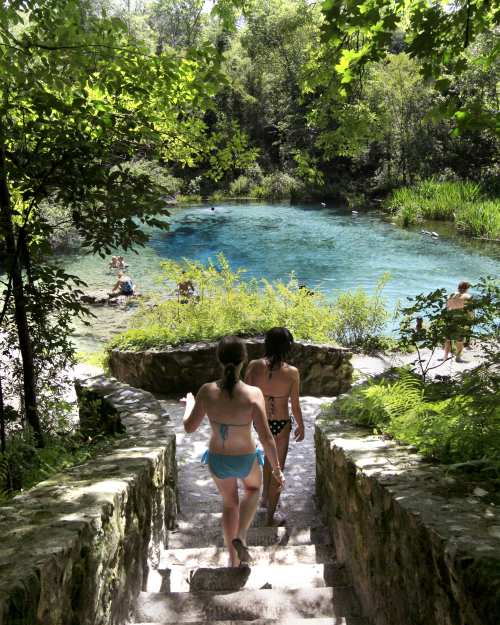
Perhaps the most famous destination in the immediate vicinity is Ginnie Springs. Located just a few miles outside the city limits, this privately owned park is a world-renowned destination for SCUBA diving and cavern exploration. The park encompasses seven distinct springs, including Devil’s Eye and Devil’s Ear, which are bucket-list sites for certified cave divers. For the casual traveler, the Ginnie Springs experience is often defined by “tubing”—the act of floating lazily down the Santa Fe River in an inflatable ring, passing through curtains of Spanish moss and over turquoise windows into the earth.
Drifting Through Ichetucknee Springs State Park
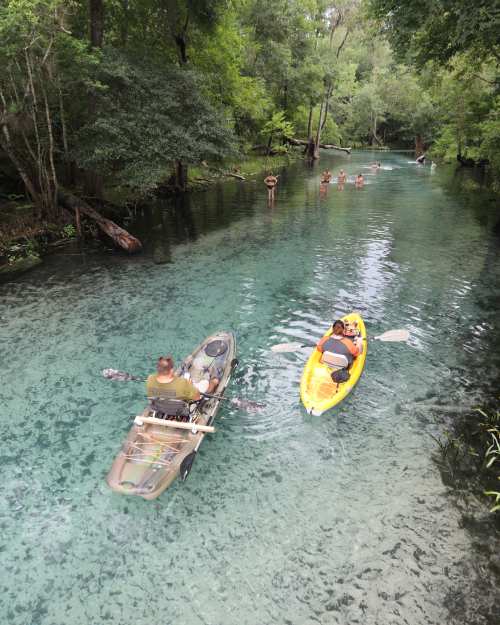
A short drive north of High Springs brings travelers to Fort White, home of the Ichetucknee Springs State Park. This park is widely considered the crown jewel of the state’s spring system. The Ichetucknee River is fed by nine springs and offers a pristine, six-mile float through shaded hammocks and wetlands. Unlike the more festive atmosphere sometimes found at Ginnie Springs, the Ichetucknee Springs State Park is a protected wildlife sanctuary where motorized boats are prohibited, allowing for quiet encounters with manatees, wood ducks, and river otters.
Exploring Gilchrist Blue Springs State Park
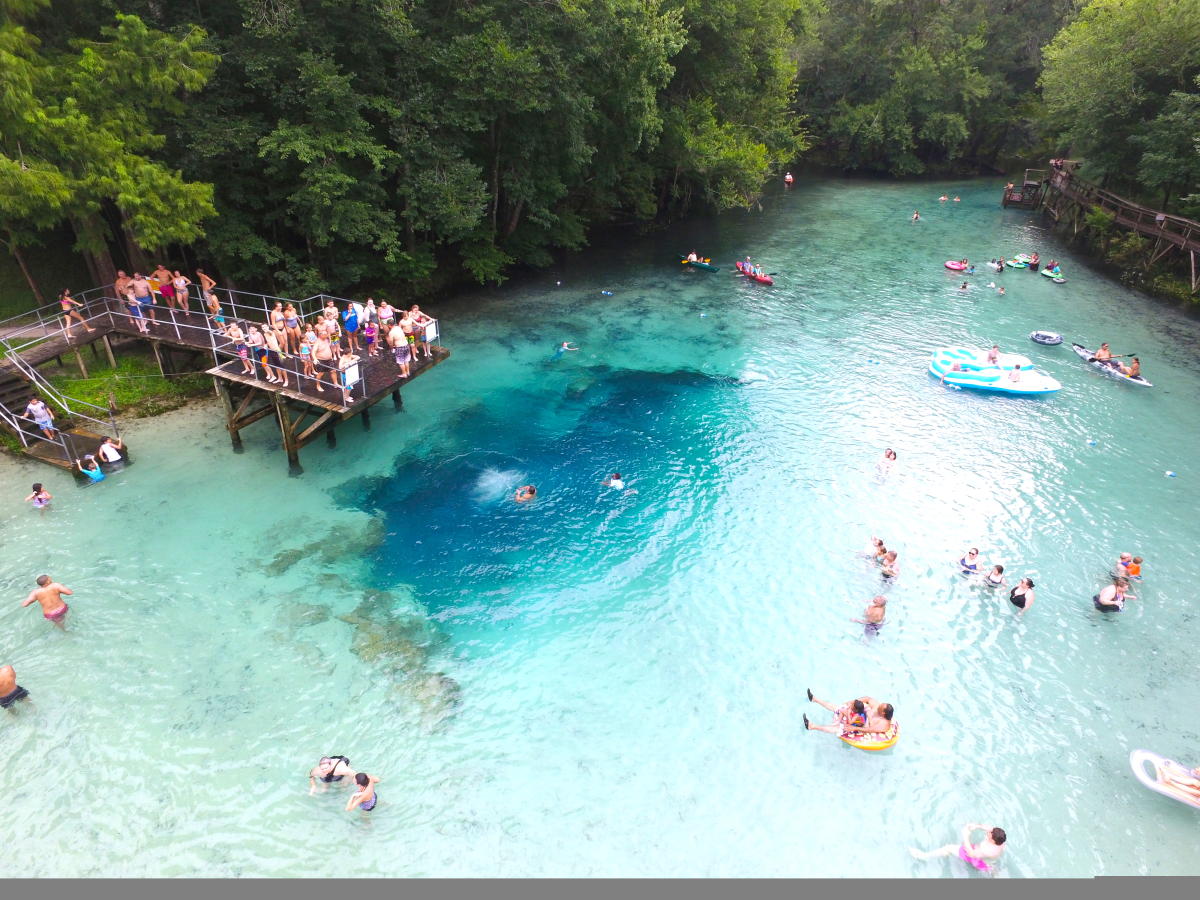
One of the newest additions to the state park system is Gilchrist Blue Springs State Park, located just west of High Springs. The main spring, known as Blue Hole, produces an average of 44 million gallons of water per day. This park is particularly popular for families due to its excellent visibility and relatively shallow swimming areas. It serves as a perfect example of the ecological diversity found in the region, featuring second-magnitude springs like Little Blue Spring and Naked Spring within its boundaries.
The Historical and Cultural Landscape
While the water is the draw, the town of High Springs itself offers a rich cultural experience that differentiates it from the suburban sprawl found elsewhere in Alachua County. The city was officially incorporated in the late 19th century, growing rapidly as a railroad hub for the Savannah, Florida and Western Railway.
Downtown High Springs: Antiquing and Architecture
The downtown district of High Springs is a testament to the era of the railroad and the turpentine industry. Many of the buildings dating back to the late 1800s and early 1900s have been meticulously preserved and repurposed. Today, these brick-and-mortar structures house a collection of antique shops, boutique galleries, and local eateries.
Travelers often spend afternoons browsing the High Springs Antique Center or visiting the High Springs Historical Society Museum, which details the city’s transition from a wild frontier town to a center of commerce. The culinary scene in the city is surprisingly robust for its size, with the Great Outdoors Restaurant serving as a local landmark for those returning from a day on the river.
O’Leno State Park and the Santa Fe River
To understand the geography of High Springs, one must visit O’Leno State Park, located just six miles north of the city. This park is home to one of Florida’s most unique geological features: the “river sink.” Here, the Santa Fe River literally disappears underground, flowing through a subterranean cave system for over three miles before re-emerging at River Rise Preserve State Park.
The park was developed by the Civilian Conservation Corps in the 1930s, and much of the original rustic architecture, including a suspension bridge over the river, remains intact. It offers miles of hiking and biking trails that showcase the dramatic limestone bluffs and sinkholes that define the High Springs area.
Planning Your Expedition to the Springs Region
Understanding where High Springs is located is the first step, but timing a visit is equally crucial for the best travel experience. Because of its northern location, the city experiences more distinct seasons than Miami or the Florida Keys.
Seasonal Considerations for Travelers
The summer months (June through August) are the peak season for High Springs. This is when the cooling 72-degree waters are most refreshing against the Florida heat. However, travelers should be aware that popular spots like Poe Springs Park and Rum Island Springs County Park can reach capacity early in the morning on weekends.
The “shoulder seasons” of spring and autumn are often preferred by hikers and birdwatchers. During these months, the humidity drops, and the forest canopy undergoes subtle color shifts. Winter is a specialized season; while the air may be chilly, the water temperature remains constant. This is the best time for manatee sightings, as the gentle giants migrate inland to the warmer spring headwaters to escape the cooling temperatures of the Gulf of Mexico.
Proximity to Gainesville and Beyond
While High Springs offers a secluded, small-town atmosphere, its proximity to Gainesville means that visitors are never far from major amenities. Travelers can spend the morning paddling the Santa Fe River and the evening attending a performance at the Hippodrome State Theatre or exploring the Florida Museum of Natural History.
Additionally, the neighboring town of Alachua, known for its historic Main Street, provides further options for dining and exploration. The synergy between these small towns creates a regional travel circuit that allows for a comprehensive look at the “real” Florida—a landscape of ancient oaks, deep blue waters, and a heritage that predates the modern era of tourism.
In summary, High Springs is much more than a point on a map in Alachua County. It is a vital ecological gateway and a cultural anchor in North-Central Florida. For those asking “where is it?” the answer is found not just in its proximity to Gainesville or I-75, but in the deep, crystalline basins of the Santa Fe River valley, where the earth opens up to reveal the hidden heart of the state. Whether you are an avid cave diver or a traveler seeking the quiet solace of a historic downtown, High Springs offers a destination that is both geographically central and spiritually restorative.
LifeOutOfTheBox is a participant in the Amazon Services LLC Associates Program, an affiliate advertising program designed to provide a means for sites to earn advertising fees by advertising and linking to Amazon.com. Amazon, the Amazon logo, AmazonSupply, and the AmazonSupply logo are trademarks of Amazon.com, Inc. or its affiliates. As an Amazon Associate we earn affiliate commissions from qualifying purchases.