
The question of capital punishment, often referred to as the death penalty, is a complex and deeply divisive issue that has been debated in the United States for centuries. As legal systems evolve and societal values shift, the application and legality of the death penalty continue to be a subject of intense scrutiny and legal challenge. Within this broader discourse, individual states grapple with their own stances on capital punishment, reflecting a diverse landscape of legal precedent and public opinion across the nation. This exploration delves into the specific situation within the State of Kansas, examining its historical relationship with the death penalty, its current legal standing, and the ongoing debates that shape its future.

A Historical Perspective on Capital Punishment in Kansas
The history of the death penalty in Kansas is a narrative marked by periods of both active application and legislative suspension. Like many states established during the westward expansion of the United States, Kansas initially adopted legal frameworks that included capital punishment as a potential sentence for severe crimes. The early decades of statehood saw the death penalty utilized, though often with varying degrees of frequency and judicial discretion.
The method of execution has also evolved over time. In the early days, hanging was the primary means by which the death penalty was carried out. As societal views on justice and punishment progressed, so too did the methods of execution. The state, like many others, eventually moved towards more “modern” forms of capital punishment, such as lethal gas and, more recently, lethal injection. Each transition in execution methods has been accompanied by its own set of ethical considerations and legal challenges, further contributing to the complex tapestry of the death penalty debate.
However, the path of capital punishment in Kansas has not been linear. The state has experienced significant periods where the death penalty was effectively abolished or put on hold. These suspensions were often the result of legislative action, judicial rulings, or shifts in public sentiment that questioned the morality, efficacy, or constitutionality of state-sanctioned executions. Understanding these historical ebbs and flows is crucial to grasping the current legal and social context of the death penalty in Kansas.
Key Milestones in Kansas’s Death Penalty History
- Early Statehood: The death penalty was part of the legal code from Kansas’s inception as a state.
- Periods of Abolition/Suspension: The state has seen legislative action that has temporarily halted or abolished capital punishment, only for it to be reinstated later.
- Evolution of Execution Methods: From hanging to lethal gas and later lethal injection, the state has adapted its methods of execution.
- Supreme Court Rulings: Federal and state Supreme Court decisions have profoundly influenced the application and legality of the death penalty, not just in Kansas but nationwide.
The Current Legal Status of the Death Penalty in Kansas
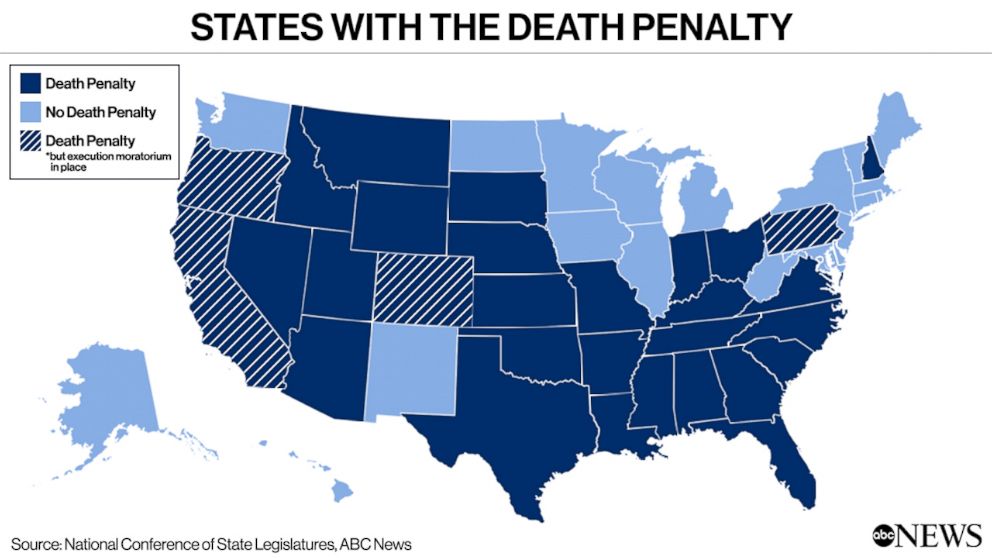
To definitively answer whether the State of Kansas currently has the death penalty requires a look at its contemporary legal framework. Following a period of abolition, the death penalty was reinstated in Kansas in 1994. This legislative action brought capital punishment back into the state’s penal code, allowing for its imposition in specific, aggravated cases.
However, the reinstatement did not usher in an era of frequent executions. The legal process surrounding death penalty cases is exceptionally lengthy and intricate, involving multiple layers of appeals and judicial review. This often means that a sentence of death can take many years, even decades, to be carried out, if it is carried out at all. The process typically begins with a trial jury determining guilt and then, in a separate phase, considering whether to impose a death sentence. From there, extensive appeals are filed with state and federal courts, where the legality of the conviction and the sentence are scrutinized.
The State of Kansas currently has capital offense statutes that permit the death penalty for a range of heinous crimes. These typically include premeditated murder, murder committed during the commission of another felony, and murder of law enforcement officers. The specific criteria for imposing capital punishment are outlined in state law, and the prosecution bears the burden of proving that the aggravating factors outweigh any mitigating circumstances presented by the defense.
Despite the legal framework allowing for capital punishment, Kansas has experienced a significant de facto moratorium on executions for many years. The last execution in Kansas occurred in 1965, a fact that underscores the practical challenges and legal hurdles that have prevented capital punishment from being carried out for over half a century. While the law on the books permits the death penalty, the complex legal appeals process, coupled with potential political and public pressure, has created a situation where no executions have taken place since the mid-1960s. This stark reality means that while the death penalty is legally authorized, its actual implementation has been absent for an extended period.
Capital Offenses in Kansas
- Premeditated Murder: Murder planned in advance.
- Murder during Felony: Homicide committed while perpetrating or attempting to perpetrate other serious crimes.
- Murder of Law Enforcement: Homicide of police officers or other designated law enforcement officials.
- Other Aggravated Murders: Cases involving particularly brutal or depraved circumstances.

The Debate Surrounding Capital Punishment in Kansas
The continued legal existence of the death penalty in Kansas is sustained by an ongoing, vigorous debate that encompasses ethical, moral, legal, and practical considerations. Proponents of capital punishment often argue that it serves as a just retribution for the most heinous crimes, offering a sense of closure for victims’ families and acting as a deterrent to future capital offenses. They may emphasize the principle of “an eye for an eye” and the idea that certain crimes are so egregious that only the forfeiture of the perpetrator’s life can adequately address the severity of the offense. Furthermore, some argue that the death penalty is a more cost-effective solution in the long run compared to life imprisonment, though this claim is often contested by financial analyses of capital cases.
On the other side of the debate are those who advocate for the abolition of the death penalty. Their arguments often center on the inherent sanctity of human life, regardless of the crimes committed. They point to the irreversible nature of the death penalty, highlighting the risk of executing an innocent person – a possibility that, for many, is an unacceptable flaw in any justice system. This concern is amplified by documented cases of individuals exonerated from death row across the country, sometimes after years of incarceration.
The potential for racial or socioeconomic bias in the application of capital punishment is another significant concern raised by abolitionists. Studies have suggested disparities in how the death penalty is sought and imposed, leading to questions about fairness and equal justice under the law. The immense financial cost of capital cases, from lengthy trials and appeals to specialized legal representation, is also a frequent point of contention, with many arguing that these resources could be better allocated to other areas of the justice system, such as crime prevention or victim support services.
The de facto moratorium on executions in Kansas for nearly six decades is a powerful testament to the deep divisions and complexities surrounding this issue. It suggests that while the law may permit capital punishment, achieving consensus on its implementation, or even its continued existence, remains an elusive goal. This prolonged period without executions raises questions about the state’s commitment to capital punishment and the likelihood of its future use.
Arguments for Retention
- Retribution: The idea that the punishment should fit the crime, particularly for severe offenses.
- Deterrence: The belief that capital punishment discourages others from committing similar crimes.
- Justice for Victims: Providing a sense of finality and justice for the families of murder victims.
- Cost Savings (Disputed): The argument that life imprisonment is more expensive than capital punishment.
Arguments for Abolition
- Risk of Executing the Innocent: The irreversible nature of the death penalty and the possibility of wrongful convictions.
- Moral and Ethical Objections: The belief that all human life is sacred and that the state should not have the power to kill.
- Potential for Bias: Concerns about racial, socioeconomic, or geographic disparities in its application.
- High Financial Costs: The extensive legal expenses associated with capital trials and appeals.
- Ineffectiveness as a Deterrent: Lack of conclusive evidence that the death penalty deters crime more effectively than life imprisonment.
The Future of Capital Punishment in Kansas
The trajectory of the death penalty in the State of Kansas remains uncertain, shaped by an interplay of legal precedent, legislative will, and evolving public opinion. The state’s unique position of having a legally sanctioned death penalty for decades without a single execution since 1965 presents a peculiar case study in the practical application of capital punishment. This prolonged moratorium raises significant questions about the viability and future of the death penalty within the state’s justice system.
Several factors will likely influence whether Kansas ultimately moves towards abolishing capital punishment or, conversely, resumes executions. Legislative action is a primary avenue for change. A bill proposing outright abolition would need to pass both chambers of the Kansas Legislature and be signed by the governor. Alternatively, a governor might choose to impose a formal moratorium, similar to actions taken in other states, which would effectively halt executions without changing the underlying law.
Judicial challenges, though they have historically led to delays rather than outright abolition, could also play a role. As legal arguments evolve regarding the constitutionality of capital punishment, especially in light of evolving standards of decency and potential issues of fairness and bias, courts may continue to scrutinize and potentially limit its application. Furthermore, shifts in public sentiment, often influenced by national trends and high-profile cases, can create an environment conducive to legislative reform or public pressure for change.
Given the deeply entrenched debates and the historical context, it is plausible that the State of Kansas will continue to wrestle with the death penalty for years to come. The current legal framework remains in place, but the absence of actual executions suggests a complex reality where the death penalty exists more in theory than in practice. The path forward will likely be determined by ongoing dialogue, potential legislative efforts, and the persistent engagement of citizens and legal scholars in addressing one of the most profound questions of justice.
Potential Future Scenarios
- Legislative Abolition: Passage of a bill to formally end the death penalty.
- Formal Moratorium: Executive action to halt all executions.
- Continued Legal Challenges: Ongoing court battles that may further restrict or delay executions.
- Resumption of Executions: A significant shift in legal or political climate leading to the carrying out of death sentences.
- Societal Consensus Shift: A growing public consensus towards abolition influencing policy.