
California, a state renowned for its diverse landscapes, from sun-drenched beaches to snow-capped mountains, also offers a vibrant, albeit specialized, tourism experience for waterfowl enthusiasts: duck hunting. For those planning a trip centered around this age-old activity, understanding the nuances of the duck season is paramount. This guide delves into the specifics, regulations, and tips to ensure a successful and enjoyable tourism experience in the Golden State’s wetlands.
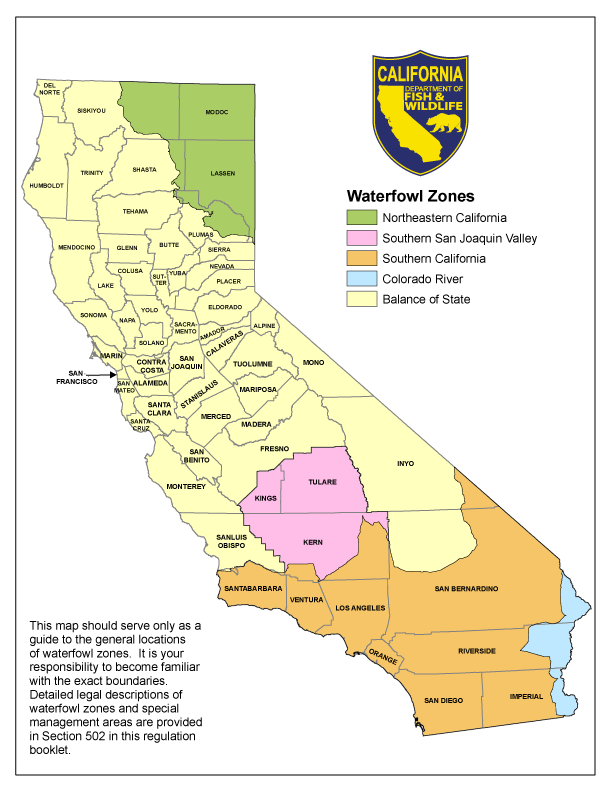
Navigating California’s Waterfowl Hunting Zones
The vast geographical expanse of California necessitates a zonal approach to waterfowl hunting regulations. These zones are designed to account for varying migratory patterns, habitat conditions, and climatic differences across the state, providing distinct seasons for hunters. Understanding which zone you intend to hunt in is the first critical step in planning your trip.
The Pacific Flyway’s Significance
California lies within the Pacific Flyway, a major migratory route for birds stretching from Alaska to Patagonia. This unique geographical positioning makes the state a crucial wintering ground and stopover point for millions of ducks, geese, and other waterfowl. The health and timing of their migration heavily influence the hunting seasons, making annual adjustments common based on biological surveys and population assessments. The state’s numerous wetlands, including the Central Valley and coastal estuaries, are vital habitats along this flyway.
Northern Zone Dynamics
The Northern Zone encompasses the majority of the waterfowl-rich Central Valley, including key areas such as the Sacramento Valley and parts of the San Joaquin Valley. This zone typically experiences the earliest opening dates for duck season, often in late September or early October, and concludes in late January. Its early start capitalizes on the arrival of initial migratory birds and resident populations. Hunters visiting this region can expect a diverse bag of species, including Mallards, Gadwall, Wigeon, and various teal species. The extensive network of public wildlife areas and private hunting clubs in the Northern Zone makes it a prime destination for many hunters.
Southern Zone Nuances
Further south, the Southern Zone covers areas like the Salton Sea and parts of Southern California. The season here generally opens later than the Northern Zone, typically in late October, and extends through late January or early February. This later opening is aligned with the arrival of waterfowl that continue their journey south after passing through the Northern Zone. Species commonly found here include Cinnamon Teal, Shoveler, and various diving ducks. The Southern Zone offers a different hunting experience, often characterized by warmer weather and unique wetland ecosystems.
Colorado River Zone Specifics
The Colorado River Zone is a unique geographical and regulatory area, distinct from the other two major zones. It follows regulations that are often harmonized with neighboring states, particularly Arizona, due to shared resources and migratory patterns along the Colorado River. The season here usually runs from early October to late January, mirroring some aspects of the Northern Zone but with specific bag limits and dates that cater to this unique riparian environment. Hunters in this zone should pay close attention to the specific regulations published by the California Department of Fish and Wildlife, as they can differ significantly.
Key Dates and Species: A Hunter’s Calendar
While the exact dates are set annually by the California Fish and Game Commission in spring or early summer, there are general patterns that hunters can anticipate when planning their trips. These dates typically appear in the California Waterfowl Regulations booklet published each year.
General Duck Season Opener
For the Northern Zone, the general duck season usually opens on the second or third Saturday of September, running for approximately 100 days. In the Southern Zone and Colorado River Zone, the opener typically falls on the third or fourth Saturday of October, also lasting around 100 days. These periods provide ample opportunity for hunters to experience the thrill of waterfowl hunting in various parts of the state.
Special Youth Hunt Days
California often designates special youth hunt days, usually occurring either before the general opener or on specific dates during the season. These days are crucial for fostering the next generation of conservationists and hunters, allowing young participants (typically under 16) to hunt ducks and geese under specific regulations, often without the pressure of adult hunters. These provide excellent family tourism opportunities for those looking to introduce younger members to the sport.
Scaup Season Limitations
Scaup, also known as bluebills, have specific season limitations due to population concerns. Their season typically opens later than the general duck season, often in mid-October or early November, and runs for a shorter duration. Hunters must be diligent in identifying their targets to comply with these species-specific regulations.
Goose Season Overlap
Goose season often runs concurrently with duck season, but with its own set of bag limits and species-specific regulations (e.g., for Canada Geese, White-fronted Geese, Snow Geese). Some zones may have extended goose seasons, particularly for overabundant species like Snow Geese, offering additional hunting opportunities into February or March. This overlap can enhance a hunting trip, allowing for a mixed bag if conditions are right.
Essential Preparations and Regulations for a Successful Hunt
A well-planned hunting trip to California involves more than just knowing the season dates; it requires adherence to specific state and federal regulations. Compliance ensures a legal and ethical experience, preserving the resource for future generations.
Licensing and Stamp Requirements
All hunters aged 16 and older must possess a valid California hunting license. Additionally, a federal Migratory Bird Hunting and Conservation Stamp (the “Duck Stamp”) is required. California also mandates a state California Duck Validation. Hunters targeting geese also need a California Upland Game Bird Validation if applicable to the goose species, and a Harvest Information Program (HIP) Validation. These can typically be purchased online via the California Department of Fish and Wildlife website or at licensed vendors throughout the state.
Bag Limits and Species Identification
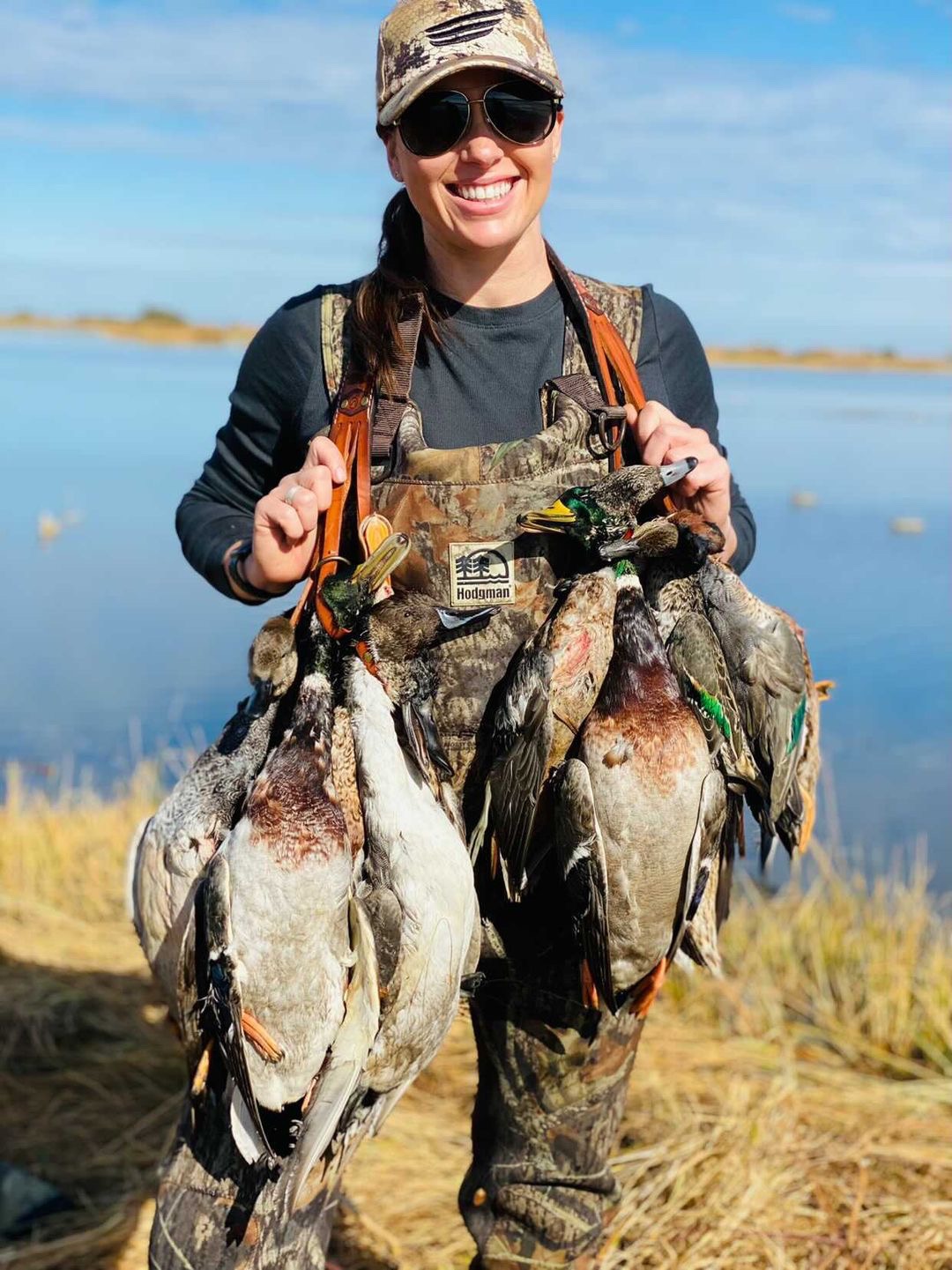
Daily bag limits vary by species and are subject to annual changes. It is crucial for hunters to accurately identify ducks in flight or on the water to avoid violating bag limits or harvesting protected species. For example, pintail and canvasback often have lower bag limits than mallards or gadwall. This necessitates good fieldcraft and knowledge of waterfowl identification, a skill that can be refined through pre-trip study and observation.
Ammunition Regulations: Non-Toxic Shot Mandate
California has a statewide mandate for the use of non-toxic shot for all hunting, including waterfowl. Lead shot is strictly prohibited. Hunters must ensure they are using approved materials such as steel, bismuth, or tungsten-based shot. This regulation is critical for environmental protection, preventing lead poisoning in wildlife.
Public vs. Private Hunting Areas
California offers numerous public hunting opportunities, primarily through state and federal wildlife areas. These often require reservations or lottery draws, especially for prime dates. Popular public areas include the Gray Lodge Wildlife Area, Colusa National Wildlife Refuge, and San Luis National Wildlife Refuge. Alternatively, many private hunting clubs and guides operate across the state, offering exclusive access, blinds, and sometimes even lodging, providing a more curated tourism experience. Researching and booking well in advance is essential for either option.
Maximizing Your California Waterfowl Experience
Beyond the regulations, several elements contribute to a memorable and effective duck hunting trip in California.
Gear Essentials and Decoy Strategies
Proper gear is crucial for comfort and success. Waders, waterproof and warm clothing, and a reliable shotgun are fundamental. Decoy spreads, which vary depending on the target species and hunting conditions, are also vital. Knowledge of local duck calls and calling techniques can significantly improve your chances. For those traveling, researching local outfitters for gear rentals or purchases can be a practical option.
Guided Hunts and Local Expertise
For out-of-state visitors or those new to California waterfowl hunting, hiring a local guide can be invaluable. Guides offer expertise on prime locations, current bird movements, effective decoy setups, and calling techniques. They often provide access to private land or well-maintained blinds, enhancing the overall tourism experience and increasing the likelihood of success.
Respecting the Environment and Fellow Hunters
Ethical hunting practices are paramount. This includes retrieving all downed birds, leaving no litter, and respecting property boundaries. In public areas, courtesy towards other hunters is essential for a pleasant experience for everyone. Engaging with the local hunting community can also provide insights and camaraderie, enriching the tourism aspect of the trip.
Culinary Delights: From Field to Fork
Part of the appeal of hunting for many is the opportunity to enjoy wild game. Duck meat is lean, flavorful, and versatile. Exploring local restaurants that prepare wild game, or finding accommodations with kitchen facilities, can turn your hunting trip into a unique culinary adventure, integrating the local food culture into your overall tourism experience.
Beyond the Hunt: Exploring California’s Wetlands
Even if hunting isn’t your primary goal, the duck season offers a unique window into California’s rich wetland ecosystems and the conservation efforts surrounding them.
Birdwatching Opportunities
During duck season, the wetlands are teeming with life, not just migratory ducks and geese, but also shorebirds, raptors, and various resident species. Many wildlife refuges offer designated birdwatching trails and observation platforms, providing fantastic opportunities for wildlife photography and nature appreciation. These areas become vibrant hubs of avian activity, showcasing California’s biodiversity.
Conservation Efforts and Wetland Preservation
The waterfowl hunting community plays a significant role in wetland conservation through license fees and duck stamp purchases. Visiting these areas during the season highlights the ongoing efforts by organizations like California Waterfowl Association and the California Department of Fish and Wildlife to preserve and restore critical habitats. Understanding these initiatives adds depth to the tourism experience, connecting visitors with the broader ecological narrative of the region.
In conclusion, planning a duck hunting trip in California involves understanding specific seasonal dates tied to three distinct hunting zones, navigating licensing requirements, and adhering to strict regulations. By preparing thoroughly and engaging with local resources, hunters can enjoy a rewarding and responsible tourism experience amidst the state’s magnificent wetlands.
LifeOutOfTheBox is a participant in the Amazon Services LLC Associates Program, an affiliate advertising program designed to provide a means for sites to earn advertising fees by advertising and linking to Amazon.com. Amazon, the Amazon logo, AmazonSupply, and the AmazonSupply logo are trademarks of Amazon.com, Inc. or its affiliates. As an Amazon Associate we earn affiliate commissions from qualifying purchases.