
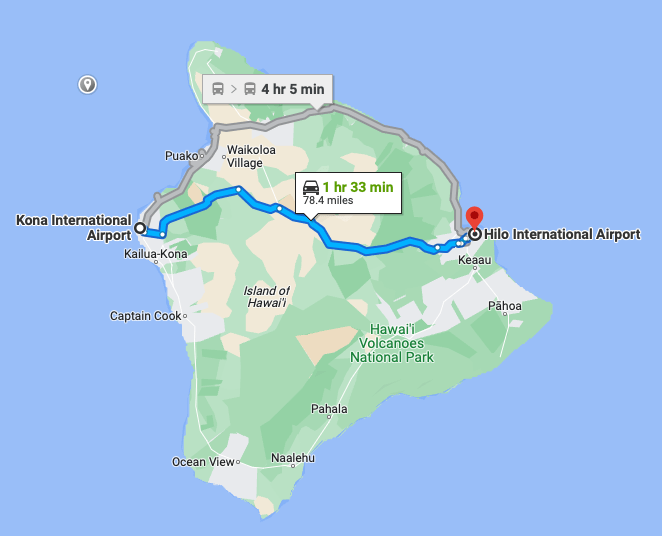
When planning a journey to the largest island in the United States archipelago, the first question most travelers ask is, “What airport is Big Island Hawaii?” Unlike the more centralized hubs found on Oahu or Maui, the Big Island—officially named the island of Hawaii—is served by two primary international airports and one smaller regional airfield. Choosing the correct landing point is essential for a seamless vacation, as the island’s massive size means that landing on the wrong side can result in a three-hour drive across volcanic landscapes to reach your final destination.

The island’s unique topography and diverse climate zones are split primarily between the leeward west side and the windward east side. Consequently, the two main gateways, Ellison Onizuka Kona International Airport at Keahole and Hilo International Airport, serve very different types of itineraries. Whether you are seeking sun-drenched beaches and luxury resorts or lush rainforests and active volcanoes, understanding the logistics of these aviation hubs is the first step in mastering Pacific Ocean travel.
Choosing the Right Gateway: Kona vs. Hilo
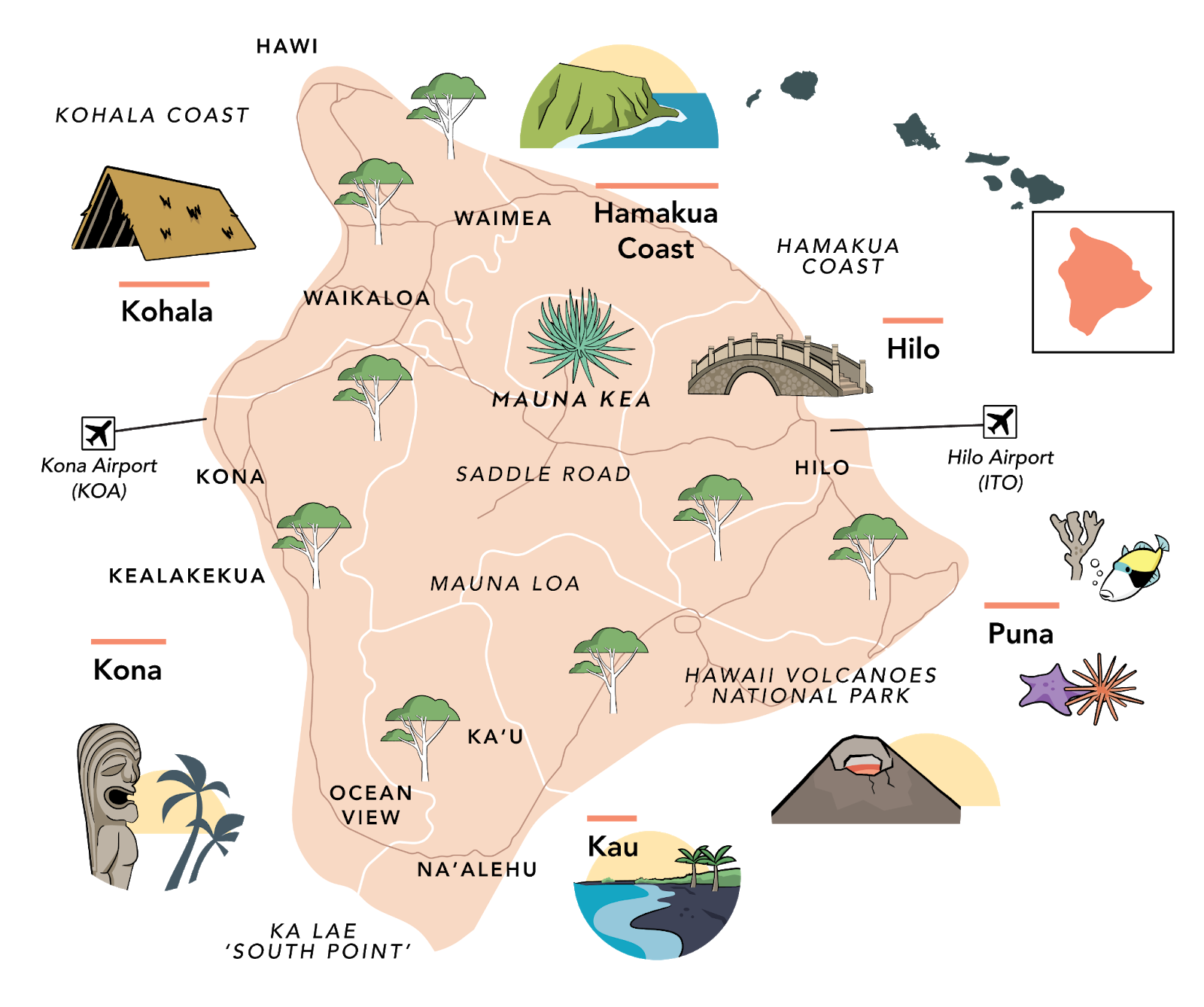
The decision of which airport to fly into depends heavily on your planned activities and where you have booked your stay. The Big Island is larger than all the other Hawaiian islands combined, and its geography is dominated by five volcanoes, including Mauna Kea and Mauna Loa. These massive peaks create a rain shadow effect, resulting in two distinct environments.
Ellison Onizuka Kona International Airport (KOA): The Sunny West Side
Ellison Onizuka Kona International Airport, located on the western edge of the island, is the most popular entry point for tourists. Named after the astronaut Ellison Onizuka, a Kona native who perished in the Challenger shuttle disaster, this airport offers a quintessentially Hawaiian welcome. It is an open-air facility, meaning there are no enclosed terminals or jet bridges; passengers deplane directly onto the tarmac and walk through tropical gardens to reach baggage claim.
Kona is the preferred airport if you are staying in Kailua-Kona, the Kohala Coast, or Waikoloa Village. This side of the island is famous for its consistently sunny weather, world-class golf courses, and white-sand beaches. Most major carriers from the mainland United States, Canada, and even Japan fly directly into KOA, making it the primary international hub.
Hilo International Airport (ITO): The Lush East Coast
On the opposite side of the island lies Hilo International Airport. While it shares the “international” designation, it primarily handles inter-island flights from Honolulu and a few select direct flights from the mainland. Hilo is the gateway to the island’s more “old Hawaii” feel. It is the wettest city in the United States, which translates into a landscape of vibrant botanical gardens, massive waterfalls, and dense jungles.
If your primary goal is to explore Hawaii Volcanoes National Park or visit the Hamakua Coast, ITO is your best bet. It is located just 45 minutes away from the entrance to the park, home to the active volcano Kilauea. Landing in Hilo places you in the heart of the island’s agricultural and cultural center, far removed from the high-density resort zones of the west.
Navigating Ellison Onizuka Kona International Airport
Arriving at Ellison Onizuka Kona International Airport is an experience in itself. The airport is built on a lava flow from 1801, and the stark contrast between the black basaltic rock and the turquoise waters of the coast is breathtaking. Because of its open-air design, the scent of plumeria and the warmth of the tropical breeze greet you the moment you step off the aircraft.
Airlines and Connectivity
KOA is served by almost all major domestic airlines, including United Airlines, Delta Air Lines, American Airlines, Alaska Airlines, and Southwest Airlines. For those traveling from within the islands, Hawaiian Airlines provides frequent “shuttle” service between Kona and Honolulu International Airport on Oahu. The airport is also a vital link for international visitors coming from Tokyo or Vancouver.
Proximity to Major Attractions
Once you have collected your luggage, the drive to the major tourist centers is relatively short. Kailua-Kona is approximately 15 to 20 minutes south of the airport. This historic seaside village is the hub for shopping, dining, and ocean excursions like manta ray night snorteling. If you are heading north to the luxury resorts of the Kohala Coast, such as those in Mauna Lani or Waikoloa, expect a 30 to 45-minute drive through expansive lava fields. Other nearby attractions include Kealakekua Bay and the coffee farms of Holualoa.
Exploring the East Side via Hilo International Airport
While Kona is the busiest airport, Hilo International Airport offers a much more relaxed and efficient arrival process. The terminal is smaller, and the lines for car rentals and security are typically much shorter than those on the west side.
Gateway to Volcanoes and Waterfalls
The primary reason travelers choose Hilo is for its proximity to Hawaii Volcanoes National Park. Staying in the town of Volcano or Hilo allows for multiple days of exploring the summit of Kilauea, hiking through the Thurston Lava Tube, and viewing the glowing caldera at night. Additionally, Hilo is just minutes away from iconic natural landmarks like Rainbow Falls and the towering 442-foot Akaka Falls State Park.
Logistics and Inter-Island Travel
Most travelers arriving at ITO do so via a connecting flight from Honolulu. This makes it an excellent choice for a “multi-island” itinerary where you might spend a few days on Oahu before heading to the Big Island. Southwest Airlines and Hawaiian Airlines dominate this route. While the airport does not see the same volume of direct mainland flights as Kona, there are seasonal direct options from Los Angeles on United Airlines.
Inter-Island Travel and Regional Airfields
Beyond the two main airports, there is a third option that many tourists overlook: Waimea-Kohala Airport. Located in the town of Waimea (also known as Kamuela), this small airfield serves the island’s “upcountry” region.
The Waimea-Kohala Experience
Waimea-Kohala Airport is primarily used by small regional carriers like Mokulele Airlines. These flights use 9-passenger Cessna Grand Caravans, providing a “flightseeing” experience as you travel between islands. This airport is perfect for those staying in the cooler, emerald-green pastures of Waimea, which is the heart of Hawaii ranching culture and home to Parker Ranch. Flying into Waimea saves time if your destination is the northern tip of the island, such as the town of Hawi or the majestic Pololu Valley.
Multi-City Flight Booking
A pro-tip for savvy travelers is to book a “multi-city” flight. This allows you to fly into Ellison Onizuka Kona International Airport, spend several days exploring the west coast, then drive across the island to Hilo and fly out of Hilo International Airport. This eliminates the need for a long return drive back to Kona and allows you to see more of the island’s varied landscapes, including the dramatic Saddle Road—now officially known as the Daniel K. Inouye Highway.
Essential Tips for Flying to the Big Island
Navigating the Big Island airports requires a bit more planning than a typical trip to Maui or Kauai. Because of the sheer scale of the landmass, transportation is your biggest variable.
Car Rentals and Transportation
A rental car is almost a necessity on the Big Island. Both KOA and ITO have on-site rental car facilities, but they are often in high demand. It is highly recommended to book your vehicle at the same time you book your flight. For those arriving at Kona, shuttle buses transport passengers from the terminal to the rental car lots just a few minutes away. If you are staying exclusively within a resort like Hilton Waikoloa Village, you might rely on private shuttles, but you will miss the opportunity to explore remote gems like Punaluu Black Sand Beach or the Green Sand Beach near South Point.
Agricultural Inspection
When departing from any airport in Hawaii back to the mainland United States, you must pass through an agricultural inspection before checking your bags. The United States Department of Agriculture (USDA) prohibits the transport of many fruits, plants, and seeds to prevent the spread of invasive species. Be sure to arrive at the airport at least two hours early to account for this extra step, especially at Kona, where lines can be long during peak midday flight banks.
Best Times to Book
Flights to the Big Island are generally most expensive during the “high season,” which includes the winter months (December through March) and the mid-summer months. For the best deals and the most pleasant weather, consider the “shoulder seasons” of April to June or September to November. During these times, the airports are less crowded, and you can often find better rates on inter-island hops between Kona, Hilo, and the other islands of Hawaii.
Ultimately, whether you choose the sunny shores of Kona or the volcanic wonders of Hilo, the airports of the Big Island serve as the gateway to one of the most geologically diverse places on Earth. By choosing the right hub for your specific journey, you ensure that your time is spent experiencing the island’s magic rather than just driving across its vast lava fields.
LifeOutOfTheBox is a participant in the Amazon Services LLC Associates Program, an affiliate advertising program designed to provide a means for sites to earn advertising fees by advertising and linking to Amazon.com. Amazon, the Amazon logo, AmazonSupply, and the AmazonSupply logo are trademarks of Amazon.com, Inc. or its affiliates. As an Amazon Associate we earn affiliate commissions from qualifying purchases.