
Navigating the process of registering a vehicle in a new state can often feel like deciphering a complex map, especially when that state is Kansas. Fortunately, the Sunflower State has established a clear, albeit detailed, system for ensuring your vehicle is legally on its roads. This guide aims to demystify the vehicle registration process in Kansas, covering everything from initial requirements to ongoing responsibilities. Whether you’ve recently moved to Kansas, purchased a new or used car, or need to renew your existing registration, understanding these steps will make the experience smoother and more efficient.
Understanding the Requirements for Kansas Vehicle Registration
Before you even set foot in a Kansas Department of Revenue, Division of Vehicles (DOV) office or attempt to complete the process online, it’s crucial to gather the necessary documentation and understand the prerequisites. Kansas has specific requirements designed to ensure vehicle ownership, safety, and proper taxation. These requirements can vary slightly depending on whether you are registering a brand-new vehicle, a used vehicle purchased privately, a vehicle purchased from a dealership, or transferring registration from out of state.
Essential Documentation for New and Used Vehicle Registration
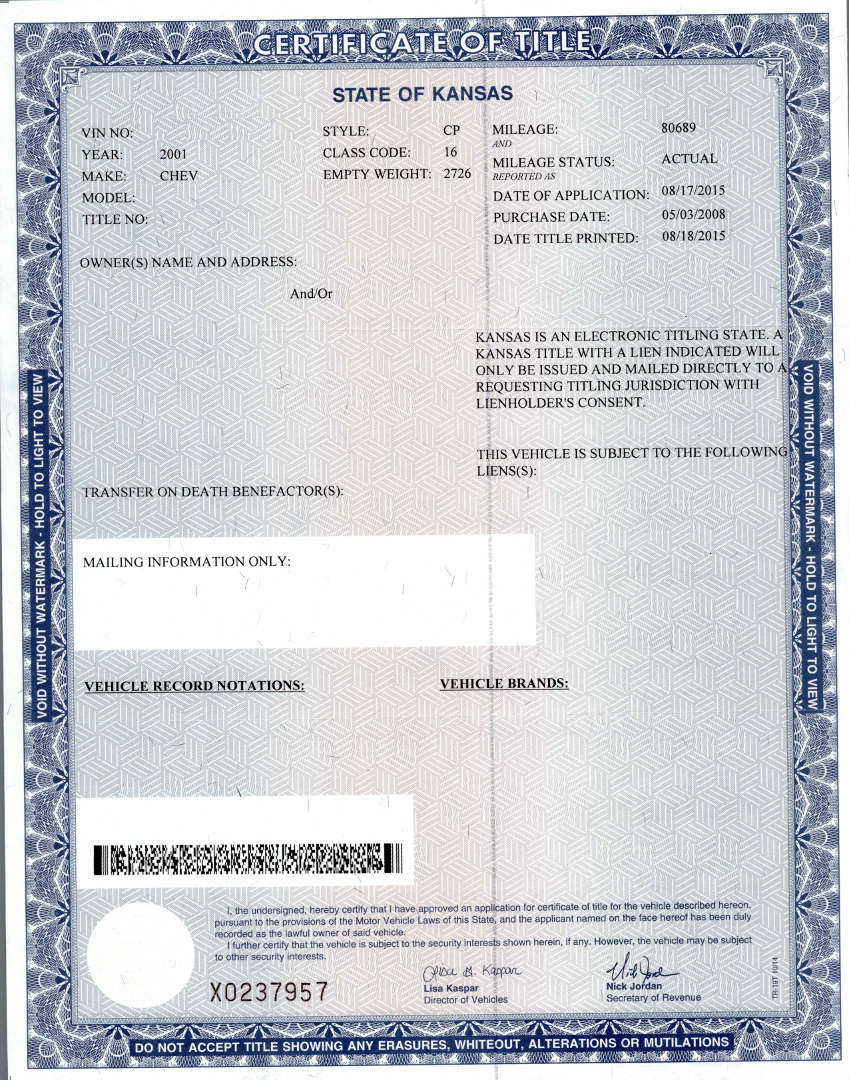
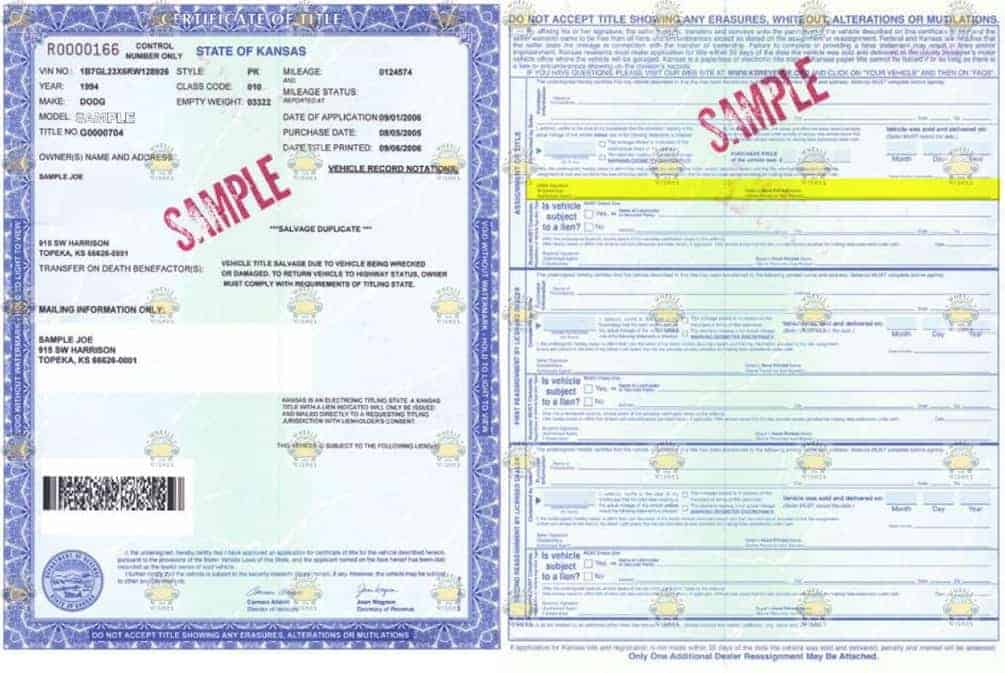
Regardless of the type of vehicle, certain core documents are consistently required. The most fundamental is proof of ownership. For a new vehicle purchased from a licensed dealer, this will typically be the Manufacturer’s Statement of Origin (MSO) or Manufacturer’s Certificate of Origin (MCO). For used vehicles, this is the vehicle’s title, properly signed over to you.
- Proof of Ownership: This is paramount. Ensure the title is free of liens or that you have a lien release if applicable. If you purchased the vehicle from a dealership, they will usually handle the title transfer paperwork for you.
- Proof of Kansas Sales Tax Payment or Exemption: Kansas levies a sales tax on vehicle purchases. You will need to provide proof that this tax has been paid, typically through a sales tax receipt or exemption certificate. If you purchased the vehicle out of state, you may owe Kansas sales tax upon registration. Dealerships will collect this at the time of sale. If you purchased privately, you will pay this at the county treasurer’s office.
- Proof of Kansas Insurance: Kansas law requires all registered vehicles to have liability insurance. You must present a current insurance card or policy declaration page showing the required minimum coverage limits. Failure to provide proof of insurance will prevent registration.
- Proof of Identity and Residency: You will need to present a valid, government-issued photo ID, such as a driver’s license. Proof of residency in Kansas, such as a utility bill or lease agreement, may also be requested.
- Vehicle Identification Number (VIN) Inspection: For vehicles coming from out of state or for certain types of transfers, a VIN inspection may be required. This inspection verifies the vehicle’s identity and ensures it matches the provided documentation. This can often be done at the county sheriff’s office or by a certified VIN inspector.
Specific Scenarios: Dealership Purchases vs. Private Sales
The process can differ significantly depending on where you acquired your vehicle.
- Purchasing from a Dealership: Licensed dealerships in Kansas are generally well-versed in the registration process. They will typically handle much of the initial paperwork, including collecting sales tax, submitting the title application, and initiating the registration process on your behalf. You will usually receive temporary tags and be instructed on how to complete the final registration at your local county treasurer’s office.
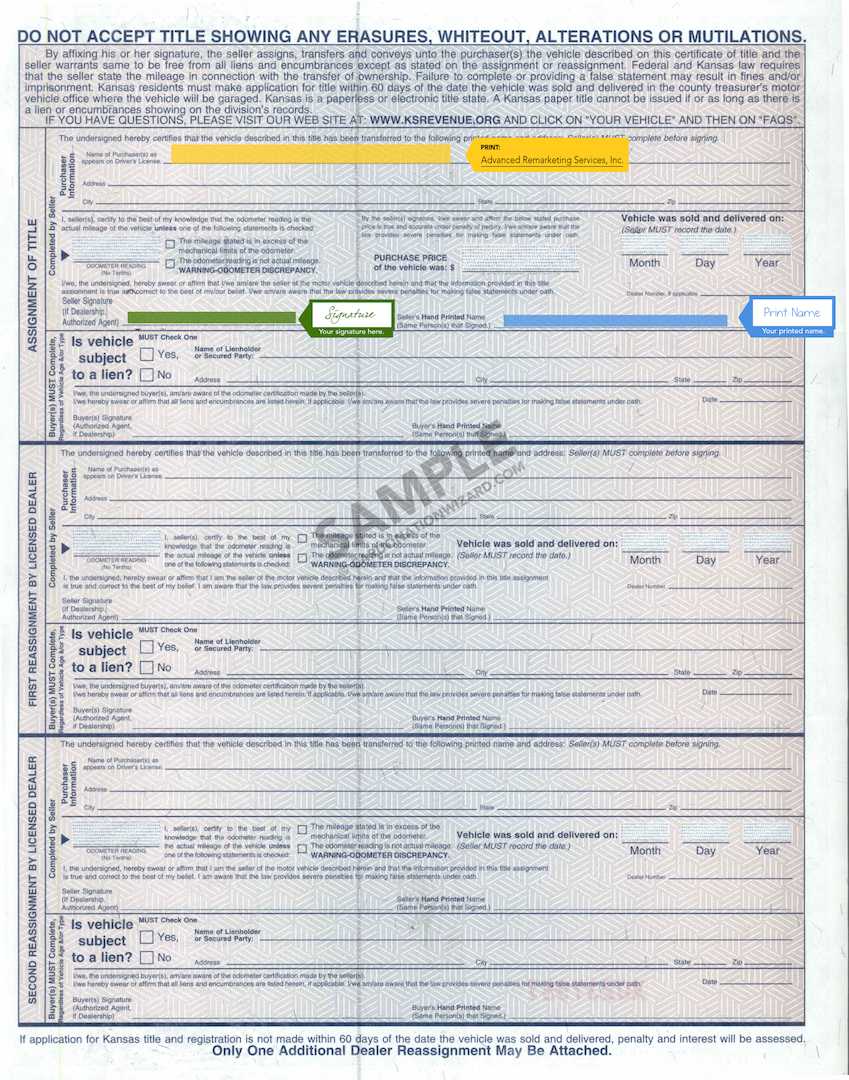
- Purchasing from a Private Seller: If you buy a car from an individual, you are responsible for completing the title transfer and registration yourself. This involves getting a properly signed-over title from the seller, obtaining a bill of sale, paying the applicable sales tax at the county treasurer’s office, and then proceeding with the registration. You will also need to ensure you have the necessary VIN inspection if required.
The Registration Process: Step-by-Step
Once you have all your documentation in order, the actual registration process can begin. Kansas has decentralized much of its vehicle registration to the county level, meaning you will typically interact with your local county treasurer’s office.
Visiting Your Local County Treasurer’s Office
Your primary point of contact for vehicle registration in Kansas is the county treasurer’s office in your county of residence. This office acts as the local agent for the Division of Vehicles. It’s advisable to check the specific hours of operation and any appointment requirements for your local office before you visit.
- Gather All Required Documents: As outlined in the previous section, ensure you have your proof of ownership (title), proof of insurance, proof of identity and residency, and any necessary inspection forms or receipts.
- Complete the Application for Certificate of Title and Registration (TR-215): This form is crucial. It requires detailed information about the vehicle, its previous owner, and the new owner. You can often find this form online on the Kansas Department of Revenue website or pick one up at the county treasurer’s office.
- Pay Applicable Fees and Taxes: At the county treasurer’s office, you will pay several fees. These include:
- Registration Fee: This fee varies based on the type and age of the vehicle.
- Title Fee: A fee is charged for issuing a new title.
- Sales Tax: As mentioned, you will pay the Kansas sales tax on the purchase price of the vehicle, unless you have a valid exemption. Be prepared to provide documentation that supports the purchase price, such as a bill of sale or dealer invoice.
- Receive Your License Plates and Registration: Upon successful completion of the process and payment of all fees, you will be issued your Kansas license plates and a registration certificate. The registration certificate is your proof of legal registration and should be kept with your vehicle documents.
Online and Mail-In Options (Limited)
While most initial registrations require an in-person visit to the county treasurer’s office, Kansas does offer some online and mail-in options for specific scenarios, primarily for renewals. For initial registrations, especially when transferring titles, an in-person visit is generally necessary to present physical documents and verify information. It is always best to check the Kansas Department of Revenue website or contact your local county treasurer’s office for the most up-to-date information on available services.
Renewing Your Kansas Vehicle Registration
Vehicle registration in Kansas is not a one-time event; it requires annual renewal. Timely renewal is essential to avoid penalties and ensure your vehicle remains legally operated on public roads. The Division of Vehicles typically sends out renewal notices in advance of the expiration date.
The Renewal Process and Deadlines
Renewal notices are usually mailed out approximately 30-60 days before your registration expires. These notices will detail the required fees and instructions for renewal. In Kansas, vehicle registrations expire on the owner’s birthday.
- Expiration Date: Mark your calendar for your vehicle registration expiration, which coincides with your birthday. Missing this deadline can result in late fees and potentially citations.
- Renewal Options:
- Online Renewal: For many renewals, Kansas offers convenient online renewal services through the Department of Revenue’s website. This is often the quickest and most efficient method. You will need your license plate number and renewal notice information.
- Mail-In Renewal: You can also renew your registration by mail. Follow the instructions on your renewal notice, ensuring you include all necessary documents and payment.
- In-Person Renewal: Renewals can also be completed at your local county treasurer’s office. This option is still available for those who prefer face-to-face service or need to address specific issues.
- Proof of Insurance Requirement: Just as with initial registration, proof of valid Kansas auto insurance is required for renewal. Ensure your policy is current and meets the state’s minimum coverage requirements.
Specialty Plates and Other Considerations
Kansas offers a variety of specialty license plates that may allow you to express your interests, support causes, or represent organizations. Applying for a specialty plate may involve additional fees and specific eligibility criteria. When renewing your registration, you can inquire about available specialty plate options at your county treasurer’s office or online.
It’s also important to keep your vehicle’s title and registration address updated. If you move within Kansas, you should notify the Division of Vehicles of your new address to ensure you receive renewal notices and other important correspondence.
Common Challenges and How to Overcome Them
While the Kansas vehicle registration process is generally straightforward, some common challenges can arise. Understanding these potential pitfalls can help you navigate them more effectively.
Title Issues and Liens
One of the most common issues is with the vehicle’s title. If the title is damaged, missing, or has an incomplete transfer of ownership, it can delay or prevent registration. If there is a lien on the title from a previous loan, you must obtain a lien release from the lender before you can register the vehicle in your name.
- Solution: Carefully review the title for any discrepancies or missing information before purchasing a vehicle or finalizing a private sale. If you encounter issues, contact the previous owner or lender immediately to resolve them. The Division of Vehicles website provides forms and information for title corrections and lien releases.
Sales Tax Disputes and Calculations
Incorrectly calculating or reporting sales tax is another area where confusion can occur, especially with private sales where the buyer and seller must agree on the purchase price.
- Solution: Be prepared to provide documentation that supports the purchase price of the vehicle, such as a bill of sale, dealer invoice, or advertised price. The county treasurer’s office will use this information to calculate the sales tax owed. If you believe the tax assessment is incorrect, politely request clarification and provide any supporting evidence you have.
VIN Inspection Requirements
For vehicles coming from out of state or for certain title transfers, a VIN inspection is mandatory. Understanding when and where to get this done is key.
- Solution: Check with your county treasurer’s office or the Kansas Division of Vehicles website to determine if a VIN inspection is required for your specific situation. If it is, find out which local law enforcement agencies or certified inspectors offer this service. Appointments may be necessary.
By understanding the requirements, following the step-by-step process, and being aware of potential challenges, you can efficiently register your vehicle in Kansas, ensuring you comply with all state laws and can legally drive your car on the open roads. Remember to always consult the official Kansas Department of Revenue, Division of Vehicles website for the most current forms, fees, and regulations.
LifeOutOfTheBox is a participant in the Amazon Services LLC Associates Program, an affiliate advertising program designed to provide a means for sites to earn advertising fees by advertising and linking to Amazon.com. Amazon, the Amazon logo, AmazonSupply, and the AmazonSupply logo are trademarks of Amazon.com, Inc. or its affiliates. As an Amazon Associate we earn affiliate commissions from qualifying purchases.