
California stands as an economic powerhouse, a hub for innovation, culture, and diverse lifestyles. From the bustling tech corridors of Silicon Valley to the serene vineyards of Napa Valley and the sun-drenched beaches of Southern California, the state offers a myriad of experiences and opportunities. However, for anyone considering making California their home, working remotely from within its borders, or even contemplating an extended stay, understanding the state’s income tax system is paramount to sound financial planning and managing the overall cost of living. California is known for its progressive income tax, which significantly influences the financial landscape for residents and those earning income within its jurisdiction. Delving into the intricacies of this system provides clarity, enabling individuals to make informed lifestyle choices, whether those involve permanent relocation, temporary work assignments, or retirement planning.
Understanding California’s Progressive Tax System
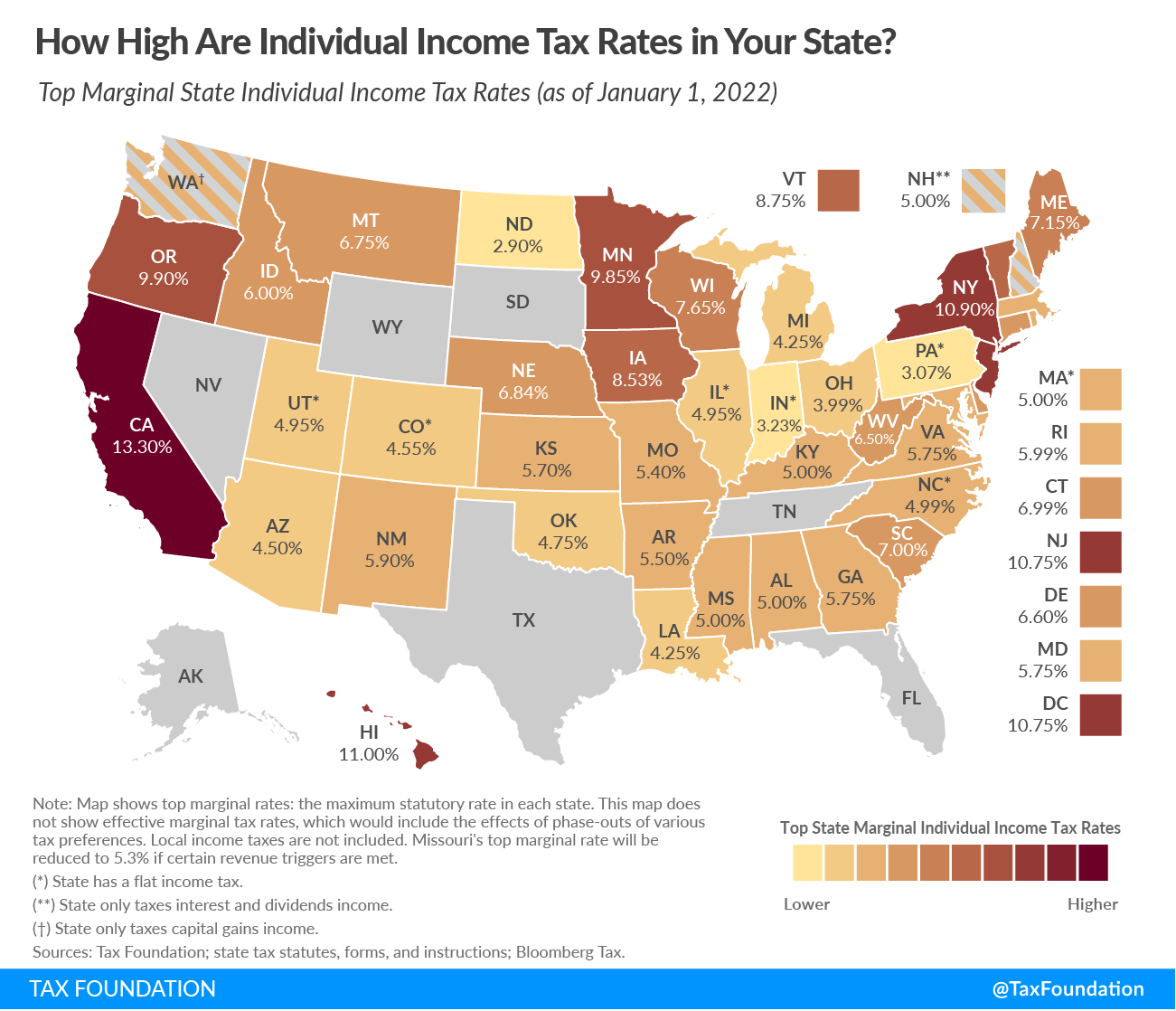
California’s income tax system is notably progressive, meaning that higher earners contribute a larger percentage of their income in taxes compared to lower earners. This structure is a defining feature that distinguishes California from many other states and plays a crucial role in lifestyle budgeting for anyone residing or working within the state.
Who Pays California State Income Tax?
The obligation to pay California state income tax extends beyond just full-time residents. Understanding your residency status is the first step in determining your tax liability.
- Full-Year Residents: If you are considered a full-year resident of California, all your income, regardless of where it was earned, is subject to California income tax. This applies to wages, self-employment income, investment gains, and other forms of income. Residency is generally determined by where you intend to live permanently, your domicile, and factors like where you register your vehicles, hold professional licenses, or maintain primary family ties.
- Part-Year Residents: Individuals who move into or out of California during the tax year are considered part-year residents. Their income earned while a California resident, along with any income derived from California sources during the entire year, is taxable by the state. This often requires careful record-keeping and apportionment of income.
- Non-Residents: Even if you are not a resident of California, any income you derive from [California](https://lifeoutofthebox.com/california] sources is subject to California income tax. This includes wages for work performed in California, income from a business located in California, or rental income from California properties. This is particularly relevant for individuals on extended business trips, remote workers whose company has a nexus in California, or those with investment properties in the state.
The Progressive Structure Explained
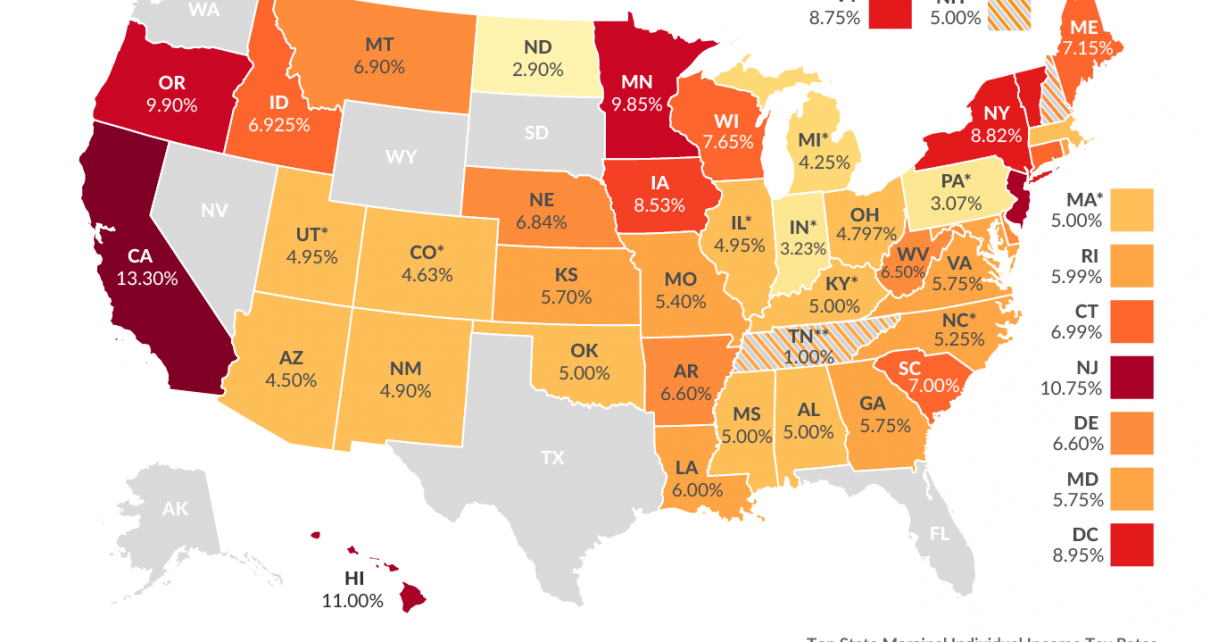
California’s progressive tax system features multiple tax brackets, with marginal rates ranging from 1% to 12.3%. There’s an additional 1% mental health services tax applied to taxable income over a certain threshold, effectively pushing the top marginal rate to 13.3% for the highest earners. This means that as your taxable income increases, a larger portion of it is taxed at a higher rate. It’s crucial to understand that only the income within a specific bracket is taxed at that bracket’s rate, not your entire income. This structure means that financial planning for high-income earners in California requires a robust strategy, often involving deductions and credits to mitigate the overall tax burden.
Key Factors Influencing Your California Tax Liability
Beyond your residency status and income level, several other factors can significantly influence your ultimate California state income tax bill. Awareness of these elements is essential for effective lifestyle financial management.
Deductions and Credits
Like the federal tax system, California offers various deductions and credits that can reduce your taxable income or your tax liability directly.
- Standard Deduction vs. Itemized Deductions: Taxpayers can choose between a standard deduction or itemizing their deductions. Itemized deductions in California can include home mortgage interest, state and local taxes (with limitations), charitable contributions, and medical expenses exceeding a certain percentage of adjusted gross income. The choice between standard and itemized deductions depends on individual circumstances and often requires careful calculation to determine which yields the greater tax benefit.
- Credits: California offers a range of tax credits designed to reduce your tax liability dollar-for-dollar. These can include the California Earned Income Tax Credit (CalEITC) for low-to-moderate income earners, dependent care credits, renter’s credit (for certain eligible individuals), and various business credits. Utilizing applicable credits can significantly impact your disposable income, which is a key factor in budgeting for a California lifestyle.
Impact of Filing Status
Your filing status — single, married filing jointly, married filing separately, head of household, or qualifying widow(er) — directly affects your tax brackets, standard deduction amount, and eligibility for certain credits. For couples, deciding whether to file jointly or separately in California can sometimes result in different tax outcomes due to the state’s community property laws and distinct tax bracket structures compared to federal guidelines. This decision is an integral part of lifestyle financial planning for married individuals in the state.
Sources of Income Subject to California Tax
Virtually all types of income earned by California residents are subject to state income tax. This includes:
- Wages and Salaries: Income from employment.
- Self-Employment and Business Income: Profits from sole proprietorships, partnerships, and S-corporations.
- Capital Gains: Profits from the sale of assets like stocks, bonds, or real estate. California does not offer a preferential tax rate for long-term capital gains, taxing them as ordinary income.
- Rental Income: Income from real estate properties located in California or earned by a [California](https://lifeoutofthebox.com/california] resident.
- Pensions and Retirement Income: Generally taxable, with some exceptions for military pensions.
- Interest and Dividends: Income from investments.
Understanding which income streams are taxed is crucial for accurate financial forecasting and budgeting in a high-cost-of-living state like California.
Lifestyle Implications: Navigating California’s Tax Landscape
The intricacies of California’s income tax system have profound lifestyle implications, impacting everything from daily budgeting to long-term financial stability and career decisions.
Cost of Living in California
California is consistently ranked among the most expensive states to live in the United States. State income tax is a significant component of this high cost. When combined with high housing costs, sales taxes, and gas prices, the state income tax demands a larger portion of one’s earnings, reducing disposable income. For individuals considering a move to California, whether for career opportunities or the coveted lifestyle, it’s vital to factor in the total tax burden when calculating a realistic budget. This directly influences choices around housing, leisure activities, and savings goals, and can impact decisions for budget travelers considering extended stays or remote work from a California base.
Financial Planning for Residents and Remote Workers
Effective financial planning is indispensable for those living or working in California.
- Budgeting: Understanding your net income after state and federal taxes is critical for creating a sustainable budget. This helps determine how much you can comfortably spend on housing, food, transportation, and entertainment.
- Tax Planning Strategies: Proactive tax planning can help optimize your financial situation. This might involve maximizing contributions to tax-advantaged retirement accounts (like 401(k)s or IRAs), utilizing available deductions and credits, or consulting with a tax professional to navigate complex income scenarios, especially for self-employed individuals or those with significant investment income.
- Remote Work Considerations: The rise of remote work has introduced new tax complexities. If you work for an out-of-state company but reside in California, your wages are still generally subject to California income tax. Conversely, if you reside out of state but your employer has a physical presence (nexus) in California and you perform work there, you may be liable for [California](https://lifeoutofthebox.com/california] income tax on the portion of your income earned while in the state. This necessitates a clear understanding of state tax laws to avoid unexpected liabilities.
Business Stays and Temporary Residency
For professionals on extended business trips or individuals spending significant periods in [California](https://lifeoutofthebox.com/california] for temporary projects, understanding tax nexus and residency rules is vital. Even if you maintain your primary residence elsewhere, performing work in California for more than a temporary period can trigger California income tax obligations. This impacts how business travel expenses are managed, how income is reported, and ultimately, the financial viability of such arrangements. Careful tracking of days spent in California and the nature of work performed is often required.
Important Considerations and Resources
Navigating the tax landscape requires attention to detail and utilizing available resources.
Estimated Taxes
For individuals with income not subject to withholding (e.g., self-employment income, significant rental income, capital gains), California requires payment of estimated taxes throughout the year. These payments are typically made quarterly to the state to cover your anticipated tax liability. Failing to pay sufficient estimated taxes can result in penalties, underscoring the importance of accurate income forecasting.
Franchise Tax Board (FTB)
The primary agency responsible for administering California’s income tax laws is the Franchise Tax Board (FTB). The FTB website (ftb.ca.gov) is an invaluable resource for forms, publications, tax law information, and online services. Regularly consulting their official guidance or seeking professional tax advice is highly recommended to ensure compliance and optimize your tax strategy within the California lifestyle.
In conclusion, California’s state income tax system is a complex yet critical element for anyone considering the Golden State for their lifestyle. From understanding its progressive nature and your residency status to leveraging deductions and credits and accounting for its impact on the cost of living, a thorough grasp of these details empowers individuals to make financially sound decisions, ensuring a smoother and more predictable financial journey in California.
LifeOutOfTheBox is a participant in the Amazon Services LLC Associates Program, an affiliate advertising program designed to provide a means for sites to earn advertising fees by advertising and linking to Amazon.com. Amazon, the Amazon logo, AmazonSupply, and the AmazonSupply logo are trademarks of Amazon.com, Inc. or its affiliates. As an Amazon Associate we earn affiliate commissions from qualifying purchases.