
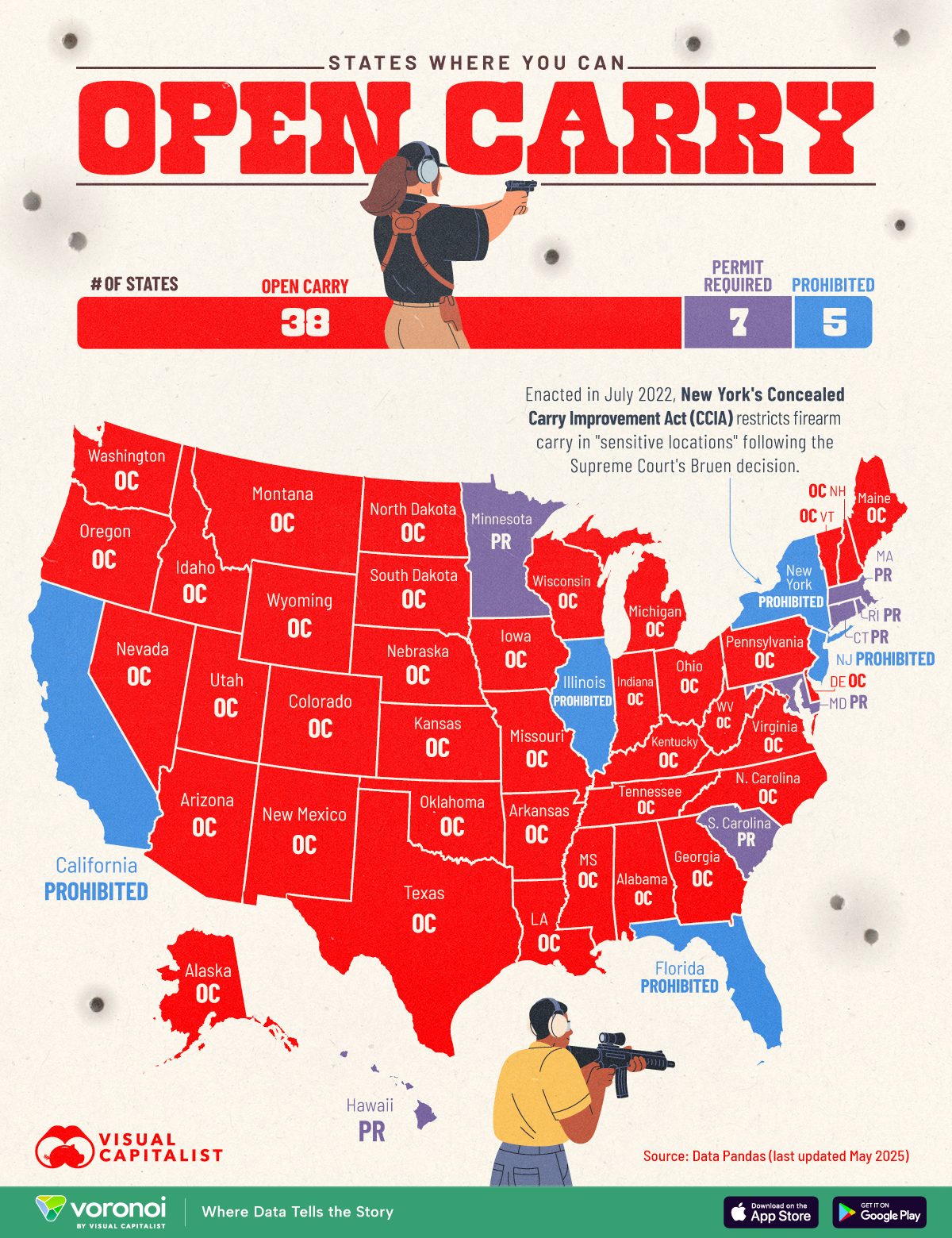
When planning a trip to the Midwest, understanding the local regulations regarding firearms can be an essential part of ensuring a safe and enjoyable experience. For those considering a visit to Kansas, a common question arises: Is Kansas an open carry state? The answer is a clear yes, but navigating the nuances of such laws requires a closer look to ensure compliance and to foster a well-informed perspective for travelers.
Understanding Open Carry in Kansas
Kansas has a permissive stance on firearm ownership and carrying. As an open carry state, residents and visitors alike are generally permitted to carry handguns in public, openly displayed, without the need for a specific permit. This policy is rooted in the state’s commitment to Second Amendment rights, aiming to allow individuals to exercise their right to self-defense.

Key Provisions of Open Carry Law
The open carry of firearms in Kansas is primarily governed by state statutes. The most significant aspect is the lack of a permit requirement for open carry. This means that any individual legally allowed to possess a firearm can carry it openly.
- No Permit Required: Unlike some other states that mandate a concealed carry permit even for open carry, Kansas does not require such a permit. This simplifies the process for those who wish to carry openly.
- Age Restrictions: While the permit is not required, individuals carrying firearms openly must still meet the age requirements for firearm possession, typically 18 years of age or older.
- Legal Possession: It is crucial to ensure that the firearm being carried is legally owned and possessed by the individual. Prohibited persons, such as convicted felons, are not permitted to carry firearms, regardless of open carry laws.
Where Open Carry is Generally Permitted
The principle of open carry in Kansas extends to most public places. This includes streets, sidewalks, parks, and many businesses. However, like most states, there are specific locations where carrying firearms, openly or concealed, is prohibited.
- Federal Buildings: Buildings owned or operated by the federal government are typically off-limits for firearms. This includes post offices and federal courthouses.
- Schools and Universities: Carrying firearms on school grounds, including K-12 schools and university campuses, is generally prohibited, though there may be specific exceptions for law enforcement officers and licensed security personnel.
- Courthouses: While state laws can vary, courthouses are often restricted areas for firearms.
- Private Property: Property owners have the right to prohibit firearms on their premises. Businesses and private residences may post signs indicating that firearms are not welcome. It is important to be aware of and respect these private property rights.
Navigating Concealed Carry in Kansas
While the focus is on open carry, it is also beneficial for travelers to understand Kansas‘s approach to concealed carry. Kansas also recognizes the right to concealed carry, and for those who prefer this method or may be coming from states where it’s more common, there are specific provisions.
Reciprocity and Permits
Kansas issues permits for concealed carry, and these permits are recognized in many other states through reciprocity agreements.
- Permitless Concealed Carry: Similar to open carry, Kansas has also adopted permitless concealed carry. This means that individuals who are legally eligible to possess a handgun can carry it concealed without a permit, mirroring the open carry law.
- Kansas Concealed Carry License (KCCL): For those who wish to carry concealed and have their right recognized in other states, obtaining a Kansas Concealed Carry License (KCCL) is an option. This license requires a training course and a background check.
- Out-of-State Permits: Visitors from other states who possess valid concealed carry permits are generally recognized in Kansas under reciprocity agreements. However, it is always advisable to confirm the specific terms of these agreements with the issuing state.
Responsible Firearm Ownership and Travel
For any traveler who chooses to carry a firearm while visiting Kansas, responsible ownership and adherence to all laws are paramount. This is not only a legal requirement but also a matter of safety and respect for the communities being visited.
Tips for Responsible Carrying
- Know the Law: Beyond the basic open carry provisions, familiarize yourself with any specific local ordinances or regulations that might apply. The Kansas Attorney General’s office is a good resource for the most up-to-date information.
- Secure Storage: When not carrying, ensure firearms are stored securely, especially if staying in hotels or rental properties. Many accommodations do not provide specific firearm storage facilities, so personal responsibility is key.
- Situational Awareness: Being aware of your surroundings and potential threats is crucial for anyone carrying a firearm. Openly carrying a firearm can draw attention, and understanding how to manage interactions is important.
- Respect Posted Signs: Always respect signage indicating that firearms are prohibited on private property. Ignoring these signs can lead to trespassing charges or other legal consequences.
- Avoid Prohibited Areas: Be mindful of the list of prohibited areas, and err on the side of caution if unsure.
Implications for Tourism and Local Experience
The open carry laws in Kansas can influence the perception and experience of tourists. For some, it may be a reassuring aspect of personal liberty, while for others, it may require a period of adjustment or heightened awareness.

Planning Your Visit to [Kansas]
When visiting Kansas, whether for its vast prairie landscapes, historic sites like the Dodge City Boot Hill Museum, or vibrant cities like Wichita, understanding the legal framework around firearms contributes to a well-rounded travel plan.
- Accommodation Choices: When booking hotels or other accommodations, consider whether any specific policies regarding firearms are in place, although most lodging establishments defer to state and federal law.
- Exploring Attractions: Whether visiting national parks, state parks, or urban attractions, be aware of the specific rules for each location. For instance, carrying a firearm in a national park often has its own set of regulations.
- Interacting with Locals: Engaging with the local culture and people of Kansas should always be done with an understanding and respect for the local environment, including its legal customs.
In conclusion, Kansas is indeed an open carry state, permitting the open display of handguns without a permit for individuals legally allowed to possess them. This policy is consistent with the state’s broader approach to firearm rights. For travelers, understanding these laws, coupled with responsible firearm practices, is key to a safe and compliant visit to the Sunflower State.
LifeOutOfTheBox is a participant in the Amazon Services LLC Associates Program, an affiliate advertising program designed to provide a means for sites to earn advertising fees by advertising and linking to Amazon.com. Amazon, the Amazon logo, AmazonSupply, and the AmazonSupply logo are trademarks of Amazon.com, Inc. or its affiliates. As an Amazon Associate we earn affiliate commissions from qualifying purchases.