
For many exploring the vibrant landscapes and bustling cities of Florida, renting a car is often the most convenient way to experience the Sunshine State. From the theme parks of Orlando to the beaches of Miami and the historic charm of St. Augustine, driving offers unparalleled freedom. However, navigating new road rules can be a source of anxiety for visitors. One common question that arises for drivers unfamiliar with Florida’s specific traffic regulations pertains to the legality of turning left on a red light. Understanding this nuance is crucial for ensuring a safe and penalty-free journey.
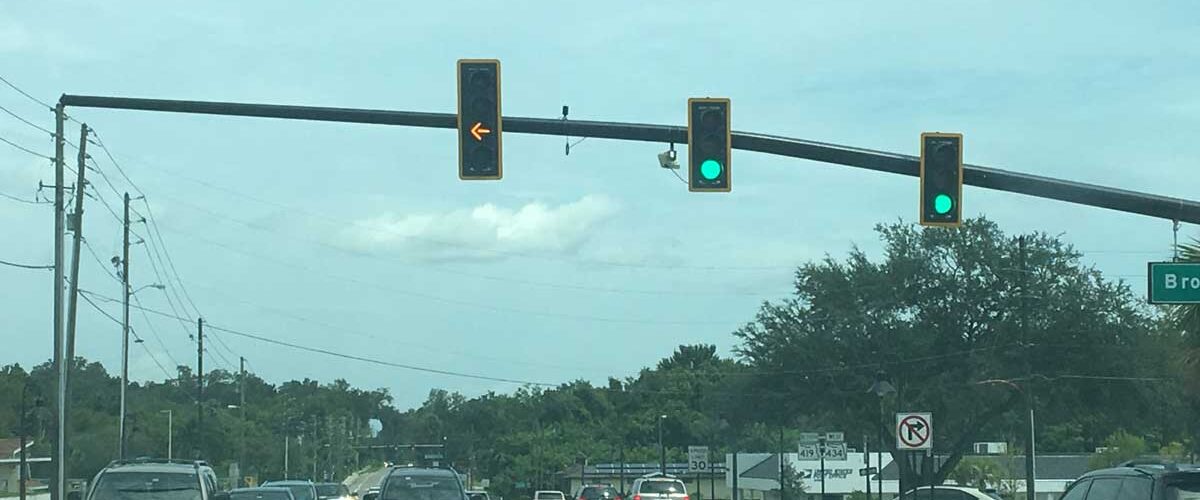
The Florida Red Light Rule: An Overview
Florida generally adheres to standard American traffic laws, but like many states, it has its particularities. The overarching principle for red lights is, of course, to stop. Yet, exceptions exist, particularly concerning right turns and, in specific circumstances, left turns.
Right on Red: The Standard
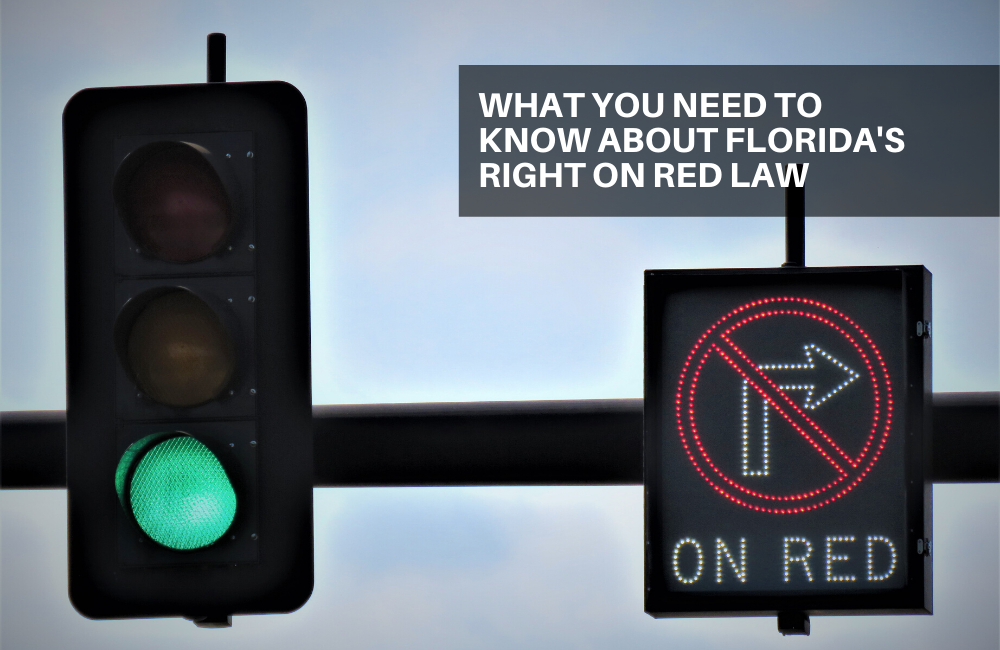
Across nearly all of the United States, including Florida, the ability to make a right turn on a red light after coming to a complete stop and ensuring the intersection is clear is a common driving privilege. This rule is designed to improve traffic flow, and drivers quickly become accustomed to it. When touring Florida, you can generally expect to turn right on red unless explicitly prohibited by signage, such as “NO TURN ON RED.” Always prioritize safety, yielding to pedestrians and oncoming traffic.
Left on Red: The Exception
The question of turning left on a red light in Florida is where drivers often encounter confusion. Unlike the prevalent right-on-red rule, turning left on red is a much more restricted maneuver. In Florida, as in most U.S. states, you can only turn left on red if you are turning from a one-way street onto another one-way street.
This specific condition is critical. It means that if you are driving on a one-way street and wish to turn left onto another one-way street, you may do so after coming to a complete stop and yielding to any traffic and pedestrians, provided there is no sign explicitly prohibiting the turn. This exception acknowledges that a left turn from a one-way street onto another one-way street does not cross oncoming traffic lanes, thus posing a similar level of risk to a right turn on red.
Specific Scenarios and Signage
It is paramount for tourists and all drivers to pay close attention to road signage. Even if the one-way street to one-way street condition is met, a sign indicating “NO LEFT TURN ON RED” takes precedence. Such signs are typically present at intersections where visibility is poor, pedestrian traffic is high, or other unique traffic patterns make such a turn unsafe. Additionally, be aware of traffic light configurations. Some intersections, particularly in dense urban areas like Jacksonville or Tampa, might have dedicated left-turn signals, which drivers must obey. Never assume; always observe the specific signals and signs governing each intersection.
Navigating Florida’s Roads: Beyond the Red Light
While understanding the red light rule is important, it’s just one piece of the puzzle for a smooth driving experience in Florida. A comprehensive approach to local traffic laws and driving customs will enhance your tourism experience.
Understanding Florida Traffic Laws
Florida has specific laws that might differ from your home state or country. For instance, the state has a “Move Over” law, requiring drivers to move over a lane (or slow down significantly if moving over is not possible) for stopped emergency vehicles, tow trucks, and maintenance vehicles. Texting while driving is also strictly prohibited, and distracted driving is taken seriously. Speed limits are generally posted clearly, but understanding the typical range for interstates, state roads, and residential areas is beneficial. Interstates like I-75 or I-95 often have speed limits up to 70 mph, while residential areas are typically 30 mph. Always be aware of school zones, where speed limits are reduced during specific hours.
The Importance of Defensive Driving
Florida sees millions of tourists annually, which means a diverse range of driving styles and varying familiarity with local roads. This, combined with a significant resident population, can lead to busy roads, especially in tourist hotspots and during peak seasons. Practicing defensive driving is crucial. Maintain adequate following distances, be prepared for sudden stops, and use your turn signals consistently. Hurricanes and tropical storms can also bring heavy rain, significantly impacting visibility and road conditions. Always slow down in adverse weather, turn on your headlights, and be extra cautious.
Rental Cars and Insurance Considerations
Most tourists opt for rental cars. When picking up your vehicle, thoroughly inspect it for any existing damage and ensure it’s noted on your rental agreement. Understand your insurance coverage. Many personal auto insurance policies or credit cards offer rental car coverage, but it’s essential to confirm the specifics, especially regarding liability in Florida. Rental car companies often offer additional insurance options; weigh these based on your existing coverage and comfort level. Ensure you have the necessary documentation, including your valid driver’s license (an International Driving Permit is recommended for non-U.S. licenses), rental agreement, and insurance information, readily accessible.
Driving for Tourism: Tips for Visitors
Maximizing your Florida adventure often involves efficient and stress-free driving. Here are some tailored tips for tourists.
Planning Your Route: GPS and Apps
Before setting out, plan your route using reliable GPS navigation apps like Google Maps or Waze. These apps not only provide turn-by-turn directions but also offer real-time traffic updates, helping you avoid congestion and potential delays. Download offline maps if you anticipate areas with spotty cell service, particularly when venturing into more rural areas or places like the Florida Keys or Everglades National Park.
Peak Tourist Times and Traffic Hotspots
Florida’s popularity means traffic can be heavy, especially around major attractions and during school holidays or long weekends. Areas surrounding Walt Disney World Resort in Orlando, the beaches of Miami Beach, and popular coastal routes can experience significant delays. If your itinerary allows, try to schedule drives during off-peak hours (mid-mornings or late afternoons) to minimize time spent in traffic.
Parking Regulations and Costs
Parking in Florida’s popular destinations can vary significantly in availability and cost. In urban centers like Fort Lauderdale or West Palm Beach, metered street parking or public garages are common, often requiring payment via apps or kiosks. Theme parks and major attractions typically have large parking lots with daily fees. Always read parking signs carefully to avoid fines or towing, especially in residential areas or near businesses with private lots. Consider ride-sharing services for short distances, particularly if you plan on enjoying Florida’s vibrant nightlife, to avoid driving under the influence.
Special Driving Zones (e.g., Miami Beach vs. Orlando)
Driving environments differ across Florida. In Miami Beach, you’ll encounter a dense urban grid, high pedestrian traffic, and often limited parking. Here, navigating slowly and being extra vigilant for pedestrians and cyclists is key. In contrast, Orlando’s theme park corridor features wide, multi-lane roads designed for high traffic volume, but also complex interchanges and numerous entrance/exit ramps. In smaller, charming towns like Key West, cars can be a hindrance, and exploring by foot, bike, or scooter is often preferred due to narrow streets and limited parking. Tailor your driving approach to the specific characteristics of your destination.
Staying Safe and Legal on Your Florida Adventure
Adhering to traffic laws isn’t just about avoiding fines; it’s about ensuring your safety and the safety of others. Being well-informed allows for a more relaxed and enjoyable trip.
Penalties for Violations
Ignoring traffic laws in Florida can result in significant penalties. Running a red light, including an illegal left turn on red, can lead to substantial fines, points on your driving record (which can impact rental car insurance rates or future U.S. travel), and even court appearances. Florida utilizes red light cameras at many intersections, automatically issuing tickets to violators, so vigilance is always necessary.
When in Doubt, Don’t Go
The best advice for any confusing traffic situation, especially when navigating unfamiliar roads, is “when in doubt, don’t go.” If you’re unsure whether you can legally or safely make a left turn on red, wait for the green light. A brief delay is always preferable to a traffic violation or, worse, an accident. Prioritize caution and safety over saving a few seconds.

Resources for Drivers
For the most up-to-date and comprehensive information on Florida traffic laws, consult the official Florida Driver Handbook, available online through the Florida Department of Highway Safety and Motor Vehicles (DHSMV). Familiarizing yourself with key sections before your trip can significantly boost your confidence behind the wheel. Enjoy your driving adventure through the diverse and exciting landscapes of Florida!
LifeOutOfTheBox is a participant in the Amazon Services LLC Associates Program, an affiliate advertising program designed to provide a means for sites to earn advertising fees by advertising and linking to Amazon.com. Amazon, the Amazon logo, AmazonSupply, and the AmazonSupply logo are trademarks of Amazon.com, Inc. or its affiliates. As an Amazon Associate we earn affiliate commissions from qualifying purchases.