
Havasupai Falls, an ethereal collection of turquoise waterfalls cascading into vibrant pools, is nestled deep within the remote Havasu Canyon on the Colorado River Reservation in Arizona. This remote paradise is not easily accessible, a characteristic that contributes significantly to its pristine beauty and allure. Unlike many well-known natural attractions that can be reached by a short drive or a paved path, reaching the Havasupai Falls requires a significant commitment of time and effort, involving a challenging hike or a helicopter ride. This exclusivity is part of what makes the experience of visiting so profoundly rewarding. The falls are part of the Havasupai Tribe‘s ancestral lands, and access is strictly managed by the tribe, ensuring the preservation of this unique and fragile ecosystem. Understanding the location and the access requirements is the first crucial step for anyone dreaming of witnessing the breathtaking spectacle of Havasupai’s waters.
The Geographic Isolation of Havasupai Falls
The geographical isolation of Havasupai Falls is its defining characteristic and a primary factor in its preservation. Located within the vast expanse of the Grand Canyon National Park‘s western edge, it lies outside the park’s main tourist areas and is accessible only through the Havasupai Indian Reservation. The nearest major town is Peach Springs, Arizona, which serves as the gateway to the reservation. From Peach Springs, one must travel a further 60 miles on a rough dirt road to reach the trailhead at Hualapai Hilltop. This journey itself is an adventure, often requiring a high-clearance vehicle, though many visitors opt to leave their cars at Hualapai Hilltop and begin their trek from there. The remoteness is not accidental; it is a deliberate measure by the Havasupai people to protect their sacred lands and maintain the tranquility of this extraordinary place. The absence of paved roads leading directly to the falls means that the journey is inherently an expedition, filtering out casual visitors and preserving the wilderness for those willing to undertake the pilgrimage.
The Hike to Havasu Falls
The most common method of reaching Havasupai Falls is via an arduous 10-mile hike from Hualapai Hilltop to the village of Supai. This trail descends steeply into Havasu Canyon, a journey that can take anywhere from 3 to 6 hours, depending on fitness levels and conditions. The descent is taxing, with significant elevation loss, and the return hike, an ascent of the same distance, is even more challenging, particularly in the desert heat.
Key Considerations for the Hike:
- Trail Conditions: The trail is rugged, unpaved, and can be extremely hot, especially during the summer months. Proper hiking boots, ample water, and sun protection are essential.
- Water Sources: While there are a few places to refill water along the trail, it is crucial to carry more than you think you will need, as supplies can be limited or unreliable.
- Mules and Pack Animals: For those unable or unwilling to carry their own gear, a mule train service is available for transporting luggage. This service must be booked in advance.
- Physical Fitness: The hike requires a good level of physical fitness. It is not recommended for those with significant health issues or who are not accustomed to strenuous activity.
The Helicopter Option
For those seeking a quicker, albeit more expensive, route, a helicopter service operated by the Havasupai Tribe offers flights from Peach Springs directly to Supai village. This option significantly reduces travel time, bypassing the arduous hike. However, the helicopter service is weather-dependent and can experience delays or cancellations. Furthermore, the limited capacity means that booking well in advance is essential, and even then, it is not always guaranteed. The helicopter ride offers spectacular aerial views of the canyon, providing a unique perspective on the landscape before descending into the heart of the reservation.
The Heart of the Havasupai Nation: Supai Village
Supai is the main village of the Havasupai Tribe and serves as the primary hub for visitors. It is located approximately 2 miles downstream from the namesake Havasu Falls. This small community offers basic amenities, including a general store, a lodge, and a post office. It is the last point of significant human settlement before the main attractions of the falls and offers a glimpse into the daily life of the Havasupai people.
Essential Services in Supai:
- Havasupai Lodge: The only lodging option within Supai village, offering simple, clean rooms. Reservations are mandatory and are notoriously difficult to secure due to high demand.
- General Store: Provides essential supplies such as food, drinks, and basic camping gear. However, prices can be inflated due to the remote location.
- Information Center: Visitors can check in here and obtain necessary permits and information regarding their stay.

The Unforgettable Havasupai Falls
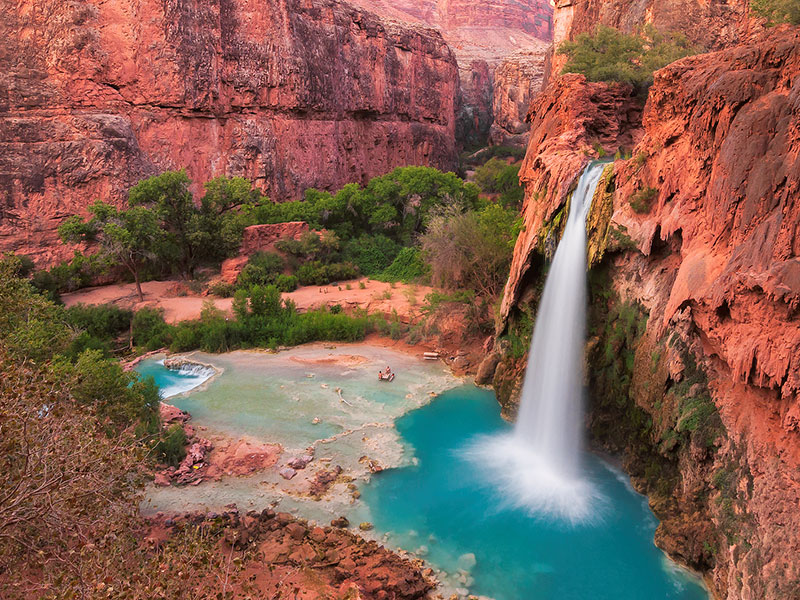
Once you have reached Supai village, the main attractions are a relatively short walk away. The Havasupai Falls are not a single entity but a series of stunning waterfalls, each with its unique character. The most famous among them are Havasu Falls, Mooney Falls, and Beaver Falls. The water’s distinctive turquoise hue is due to a high concentration of calcium carbonate, which filters out sunlight and reflects blue light.
Havasu Falls: The Iconic Cascade
Havasu Falls is the most recognizable and photographed of the Havasupai Falls. It plunges over a red rock cliff, creating a powerful curtain of water that falls into a large, inviting pool. The sheer beauty and accessibility make it a central point for visitors. The mist from the falls often creates a refreshing microclimate, making it a welcome respite from the desert heat. Swimming in the pool below is a popular activity, offering an unparalleled natural spa experience.
Mooney Falls: A Dramatic Descent
Mooney Falls is named after a prospector who tragically fell to his death here in the late 19th century. Reaching the base of Mooney Falls involves a challenging descent down a series of ladders and through narrow tunnels carved into the rock face. This descent is not for the faint of heart and requires careful navigation. The waterfall itself is incredibly powerful, with water thundering down into a dramatic canyon floor. The reward for the daring descent is the opportunity to swim in the beautiful, often secluded pools at its base.
Beaver Falls: A Terraced Wonder
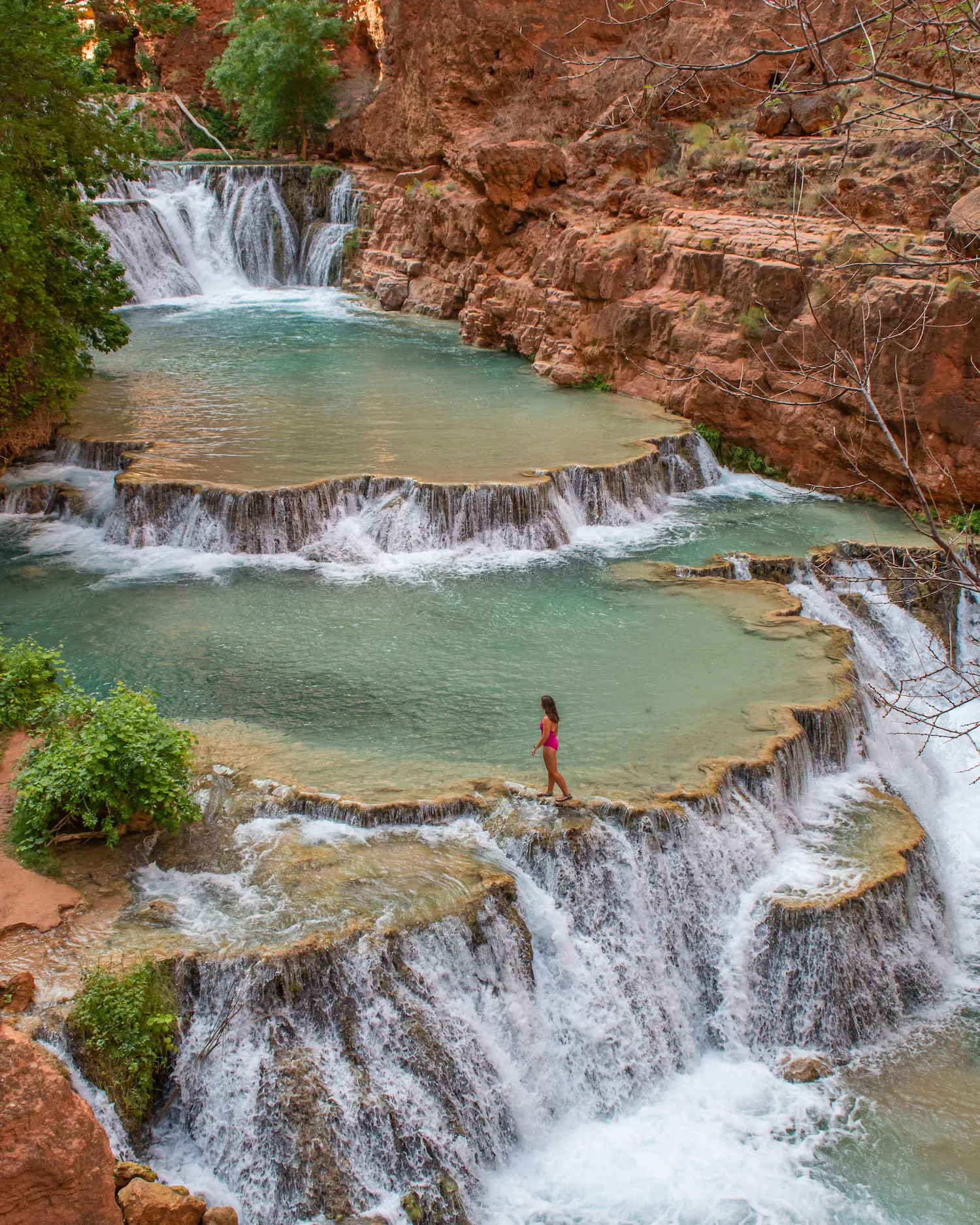
Further downstream from Mooney Falls lies Beaver Falls, a more spread-out and terraced series of cascades. Reaching Beaver Falls involves a continuation of the trail past Mooney Falls, which can be a more strenuous endeavor, often involving wading through shallow parts of the river and navigating uneven terrain. Beaver Falls offers a series of smaller, but equally beautiful, waterfalls and pools, often providing a more tranquil and less crowded experience than Havasu Falls. The area is ideal for relaxation and enjoying the natural beauty in a peaceful setting.
Planning Your Visit to Havasupai Falls
Due to the extreme demand and the need for preservation, visiting Havasupai Falls requires meticulous planning. Access is strictly regulated through a permit system, and reservations, especially for the Havasupai Lodge or camping, are highly sought after and typically need to be made many months, if not a year, in advance.
The Permit System:
- Permits are mandatory for all visitors entering the Havasupai Indian Reservation. These permits cover entrance fees and the right to camp or stay in the lodge.
- Reservations are typically released on a specific date each year for the following year. This date can vary, so it is crucial to check the official Havasupai Tribe website for the most up-to-date information.
- Securing a permit online is the primary method, and the website often experiences high traffic, requiring patience and persistence.
- The permits are usually for a minimum of a 3-day stay, allowing visitors to experience the different waterfalls and the canyon environment.
Best Time to Visit:
The best times to visit Havasupai Falls are during the shoulder seasons: spring (April-May) and fall (September-October). During these months, the temperatures are more moderate, making the hike more enjoyable and the overall experience more comfortable. Summer months (June-August) can be dangerously hot, with temperatures frequently exceeding 100°F (38°C), posing significant risks for hikers. The winter months (November-March) can be cooler, with the possibility of rain or even snow at higher elevations, though the canyon floor may remain mild.
In conclusion, Havasupai Falls is a geographical marvel located in the remote Havasu Canyon, Arizona. Its location within the Havasupai Indian Reservation necessitates a challenging journey, whether by foot or helicopter. The rewards, however, are immense: the iconic Havasu Falls, the dramatic Mooney Falls, and the serene Beaver Falls, all set against a backdrop of unparalleled natural beauty. Careful planning, adherence to the permit system, and respect for the Havasupai Tribe‘s land are paramount for experiencing this extraordinary destination.
LifeOutOfTheBox is a participant in the Amazon Services LLC Associates Program, an affiliate advertising program designed to provide a means for sites to earn advertising fees by advertising and linking to Amazon.com. Amazon, the Amazon logo, AmazonSupply, and the AmazonSupply logo are trademarks of Amazon.com, Inc. or its affiliates. As an Amazon Associate we earn affiliate commissions from qualifying purchases.