
Kansas City, a vibrant metropolis straddling the border of Missouri and Kansas, boasts a dynamic climate that significantly influences its horticultural landscape. Understanding the specific gardening zone for Kansas City is paramount for both seasoned gardeners and novice enthusiasts seeking to cultivate thriving plant life. This knowledge dictates everything from the types of plants that will flourish to the optimal timing for planting, seasonal care, and overall garden success. The United States Department of Agriculture (USDA) Plant Hardiness Zone Map provides the definitive framework for this understanding, categorizing regions based on their average annual minimum winter temperatures. For Kansas City, this categorization offers crucial insights for anyone looking to establish or maintain a successful garden.
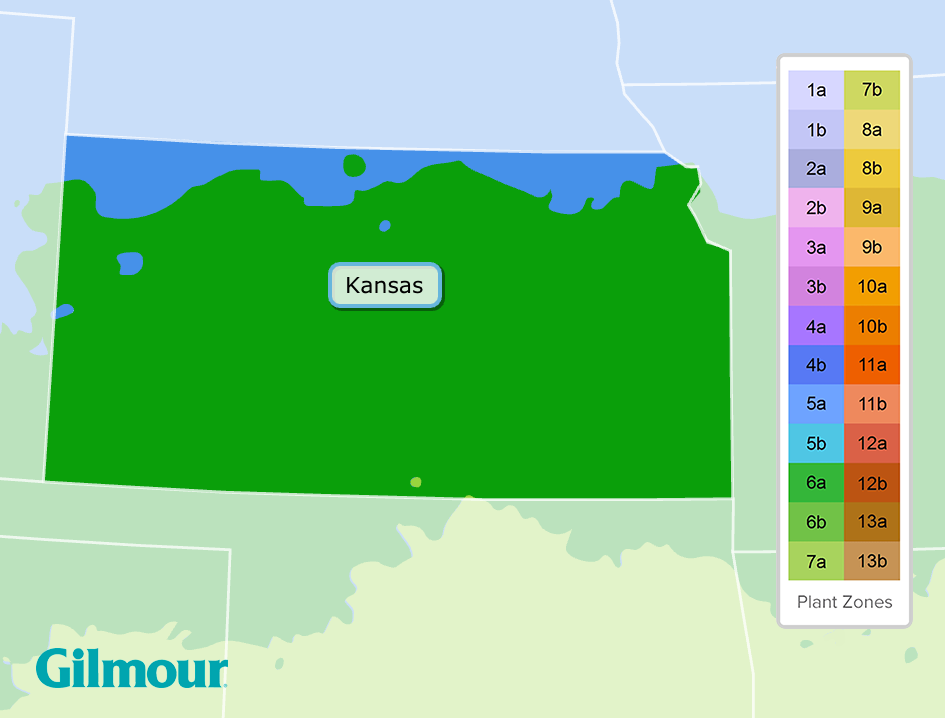
Understanding the USDA Hardiness Zones
The USDA Plant Hardiness Zone Map is divided into 13 zones, each representing a 10°F temperature difference from the next. Zone 1 is the coldest, and Zone 13 is the warmest. These zones are the primary tool for determining which perennial plants are likely to survive the winter in a particular location. It’s important to note that these zones are based on average minimum temperatures, not extreme lows, and do not account for other factors that can affect plant survival, such as humidity, soil type, or wind. However, they serve as an indispensable starting point for garden planning.
Zone 6a and 6b: The Kansas City Climate
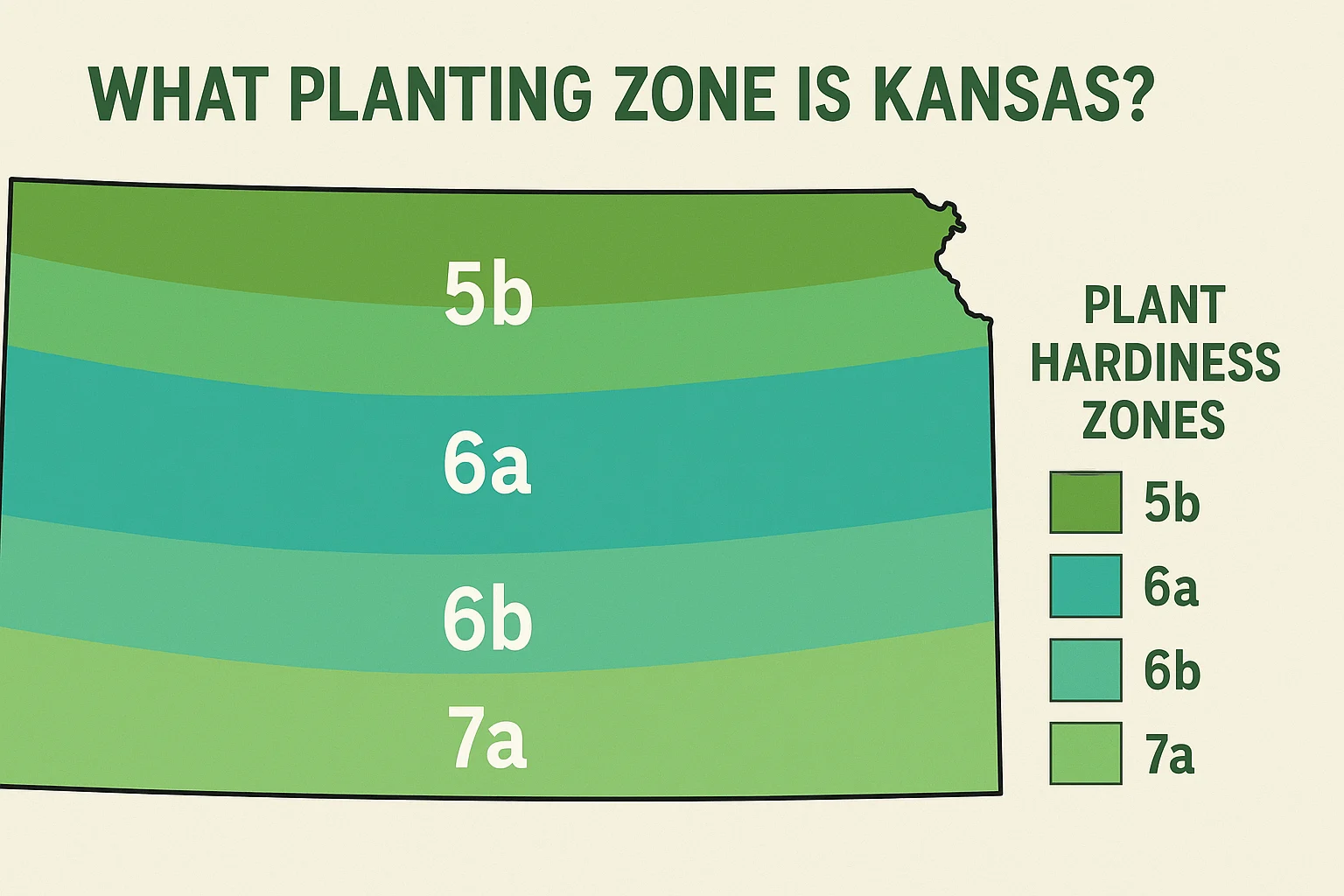
Kansas City predominantly falls within Zone 6. Specifically, the region is split between Zone 6a and Zone 6b. The slight variation accounts for microclimates within the metropolitan area, often influenced by urban heat islands, proximity to large bodies of water, or elevation differences.
- Zone 6a: This zone experiences average annual minimum winter temperatures ranging from -10°F to -5°F.
- Zone 6b: This zone has average annual minimum winter temperatures between -5°F and 0°F.
This range indicates that Kansas City experiences significant winter cold, requiring gardeners to select plants that can withstand these temperatures. While many popular flowers and vegetables are treated as annuals and replanted each year, understanding your zone is critical for perennial selections, including shrubs, trees, and flowering plants that are expected to return year after year.
Navigating Plant Selection for Kansas City Gardens
With Kansas City situated in Zone 6, gardeners have a wide array of plant choices, but careful selection is key to ensuring longevity and bloom. The extended growing season, coupled with the colder winters, presents unique opportunities and challenges.
Perennial Choices
Perennials are the backbone of many enduring gardens, offering consistent beauty with less annual effort. For Zone 6, a robust selection of perennials thrives.
- Flowering Perennials: Many beloved flowering perennials are well-suited for Kansas City. Consider plants like Coneflowers (Echinacea), Black-Eyed Susans (Rudbeckia), Daylilies (Hemerocallis), Hostas, Peonies, Astilbe, and Salvia. These varieties are generally hardy and can tolerate the fluctuations in temperature characteristic of Zone 6.
- Shrubs and Trees: For larger structural elements, options abound. Hydrangeas, Roses, Lilacs, Forsythia, and various Dwarf Conifers are excellent choices. Deciduous trees like Maples, Oaks, and Serviceberry also perform exceptionally well, providing shade and autumn color. Fruit-bearing trees such as Apple, Cherry, and Peach trees can be successfully grown, provided they are grafted onto rootstock appropriate for the region and receive adequate care.
- Herbs: Many common culinary herbs, such as Thyme, Sage, Mint, and Chives, are perennial in Zone 6 and can provide year-round flavor and fragrance.
Annuals and Biennials
While perennials offer lasting appeal, annuals and biennials add vibrant, season-long color and are largely unaffected by the hardiness zone.
- Annuals: These plants complete their life cycle in one growing season and are widely available at local nurseries. Popular choices include Petunias, Marigolds, Zinnias, Impatiens, and Geraniums. These are perfect for adding pops of color to flower beds, containers, and hanging baskets.
- Biennials: These plants typically flower in their second year, such as Foxgloves and Sweet William. They can provide an interesting layer to garden design and often self-seed, ensuring their return.
Vegetables and Fruits
Kansas City’s climate is also conducive to growing a wide variety of vegetables and fruits.
- Cool-Season Vegetables: Lettuce, Spinach, Peas, Broccoli, and Carrots can be planted in early spring and again in the fall.
- Warm-Season Vegetables: Tomatoes, Peppers, Cucumbers, Squash, and Corn thrive during the warmer months.
- Berries: Strawberries, Raspberries, and Blueberries (requiring acidic soil) are popular and productive choices for home gardeners.
Seasonal Gardening Tasks in Kansas City
Understanding the gardening zone for Kansas City is only the first step; applying this knowledge through seasonal tasks is crucial for a thriving garden. The distinct seasons of the Midwest necessitate a proactive approach to garden care.

Spring: The Season of Reawakening
Spring in Kansas City is a critical period for preparing the garden for the growing season.
- Early Spring (March-April): Begin by cleaning up winter debris. Prune dormant shrubs and trees. As the soil begins to warm, plant cool-season vegetables and hardy perennials. Seed lawns or overseed bare patches. Watch for the last frost date, typically in late April or early May, before planting tender annuals and warm-season vegetables.
- Late Spring (May-June): This is peak planting time for warm-season crops and annuals. Continue to water regularly, especially during dry spells. Begin fertilizing established perennials and trees. Monitor for pests and diseases.
Summer: The Peak of Growth
Summer in Kansas City brings warm temperatures and the need for consistent care.
- Watering: Deep, infrequent watering is more beneficial than shallow, frequent watering, encouraging deeper root growth.
- Weeding and Mulching: Keep weeds under control, as they compete for water and nutrients. Apply mulch to retain soil moisture, suppress weeds, and regulate soil temperature.
- Deadheading: Removing spent flowers from perennials and annuals encourages more blooms and prevents the plant from putting energy into seed production.
- Pest and Disease Management: Regularly inspect plants for signs of stress, pests, or diseases. Early detection and intervention are key.
Autumn: Preparation for Winter
Fall in Kansas City is a time of harvest and preparing the garden for the cold months ahead.
- Harvesting: Continue harvesting vegetables and fruits.
- Planting: Fall is an excellent time to plant spring-blooming bulbs like Tulips and Daffodils. Cool-season vegetables can also be planted for a fall harvest.
- Cleanup: Remove dead annuals and diseased plant material to prevent overwintering pathogens.
- Winter Protection: For marginally hardy plants or those in Zone 6a, consider adding extra mulch around the base of plants or using temporary covers for protection against harsh winds and extreme cold.
Winter: The Dormant Season
While the garden may appear dormant, winter is not a time to completely neglect it.
- Watering: Evergreens and newly planted trees and shrubs may need occasional watering during dry, unfrozen periods to prevent desiccation.
- Protection: Ensure any winter protection applied in the fall remains in place.
- Planning: Winter is an ideal time to plan for the next gardening season. Research new plants, review garden layouts, and order seeds and supplies.
Beyond the Zone: Microclimates and Soil Considerations
While the USDA Hardiness Zone provides a crucial foundation, it’s essential to recognize that local conditions can significantly impact plant success in Kansas City. Understanding and working with these nuances will elevate your gardening outcomes.
Microclimates in Kansas City
Microclimates are localized variations in climate within a larger region. In Kansas City, these can be influenced by:
- Urban Heat Island Effect: Densely populated urban areas tend to be warmer than surrounding rural areas due to the prevalence of buildings, concrete, and asphalt, which absorb and retain heat. This can extend the growing season slightly in downtown Kansas City, Missouri or Kansas City, Kansas, potentially allowing for slightly more tender plants or earlier/later harvests.
- Topography: Hillsides and valleys can create variations in temperature and moisture. South-facing slopes are generally warmer and receive more sunlight, while north-facing slopes are cooler and shadier. Low-lying areas or frost pockets can be significantly colder, even within the same neighborhood.
- Proximity to Water: Large bodies of water, though not abundant within Kansas City itself, can moderate temperatures. However, smaller ponds or water features might create localized humidity.
- Windbreaks: Structures like fences, buildings, or dense plantings can act as windbreaks, protecting plants from drying winds, which can be particularly damaging in winter.
Soil Health and Amendment
Kansas City soils are primarily characterized by a heavy clay base, often rich in minerals but prone to compaction and poor drainage. This characteristic is common across much of the Midwest.
- Soil Testing: Before planting, it is highly recommended to conduct a soil test. This will reveal your soil’s pH level, nutrient content, and texture. Local extension offices, such as those affiliated with Kansas State University or the University of Missouri, often provide affordable soil testing services.
- Improving Drainage and Structure: Incorporating ample organic matter is the most effective way to improve clay soil. Compost, aged manure, and shredded leaves will help break up the clay, improve aeration, and enhance drainage. Raised beds are also an excellent solution for areas with particularly stubborn clay or poor drainage, allowing you to control the soil composition entirely.
- Nutrient Management: Based on soil test results, you can amend your soil with appropriate fertilizers or soil conditioners to ensure your plants receive the necessary nutrients for healthy growth. Over-fertilization can be as detrimental as under-fertilization.
By considering these microclimates and diligently working to improve your soil, you can significantly enhance the success and resilience of your Kansas City garden, regardless of whether you are cultivating delicate blooms, robust vegetables, or sturdy trees. This holistic approach transforms a garden from merely surviving the local climate to truly thriving within it.
LifeOutOfTheBox is a participant in the Amazon Services LLC Associates Program, an affiliate advertising program designed to provide a means for sites to earn advertising fees by advertising and linking to Amazon.com. Amazon, the Amazon logo, AmazonSupply, and the AmazonSupply logo are trademarks of Amazon.com, Inc. or its affiliates. As an Amazon Associate we earn affiliate commissions from qualifying purchases.