
The Average Daily Rate (ADR) is a fundamental metric within the hotel industry, serving as a critical barometer of a hotel’s financial performance and pricing strategy. More than just a simple calculation, ADR offers profound insights into how a hotel is managing its room inventory, its position within the competitive landscape, and its overall revenue generation capabilities. Understanding ADR is paramount for hotel owners, operators, and investors seeking to make informed decisions and drive profitability. This comprehensive exploration delves into the definition of ADR, its calculation, its significance, and the various factors that influence it.
Understanding the Core Metric: Calculating and Defining ADR
At its heart, the Average Daily Rate is a straightforward financial metric designed to represent the average revenue earned from each occupied room in a hotel over a specific period, typically a single day. This seemingly simple calculation, however, unlocks a wealth of information when analyzed consistently and in context.
The Formula for Success: How ADR is Calculated
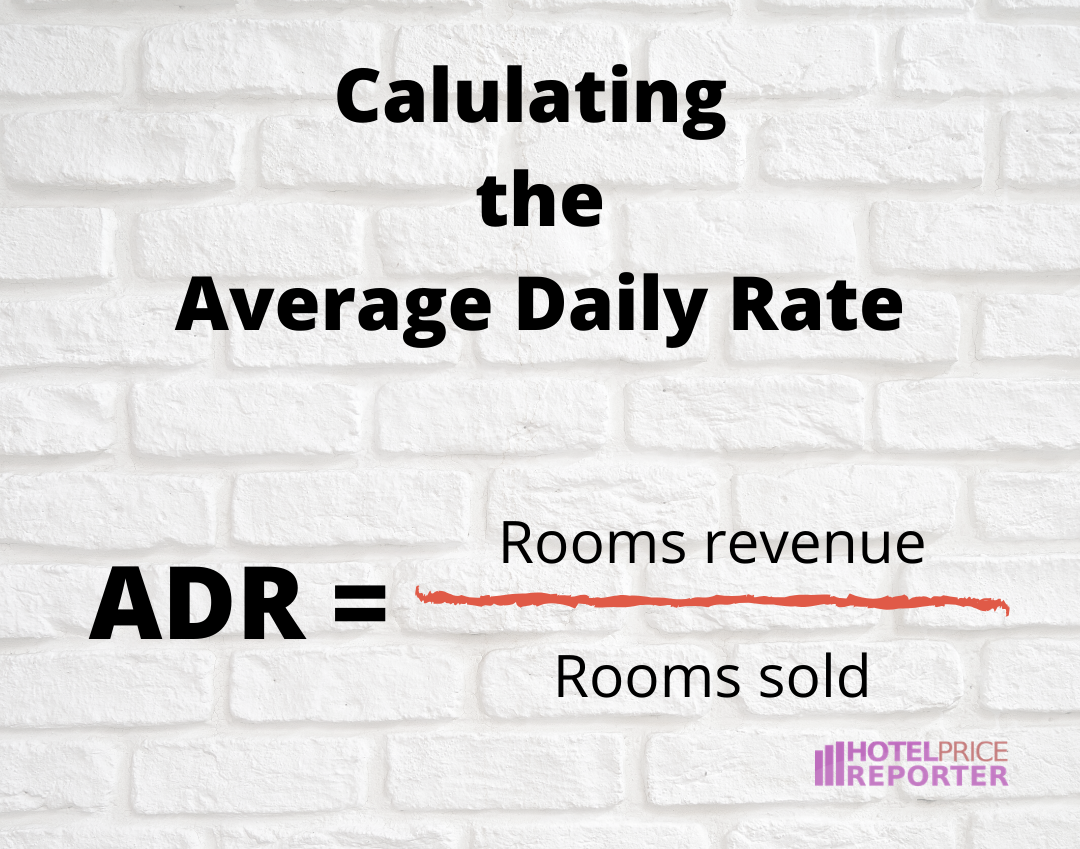
The calculation of ADR is elegantly simple, yet its implications are far-reaching. The formula is as follows:
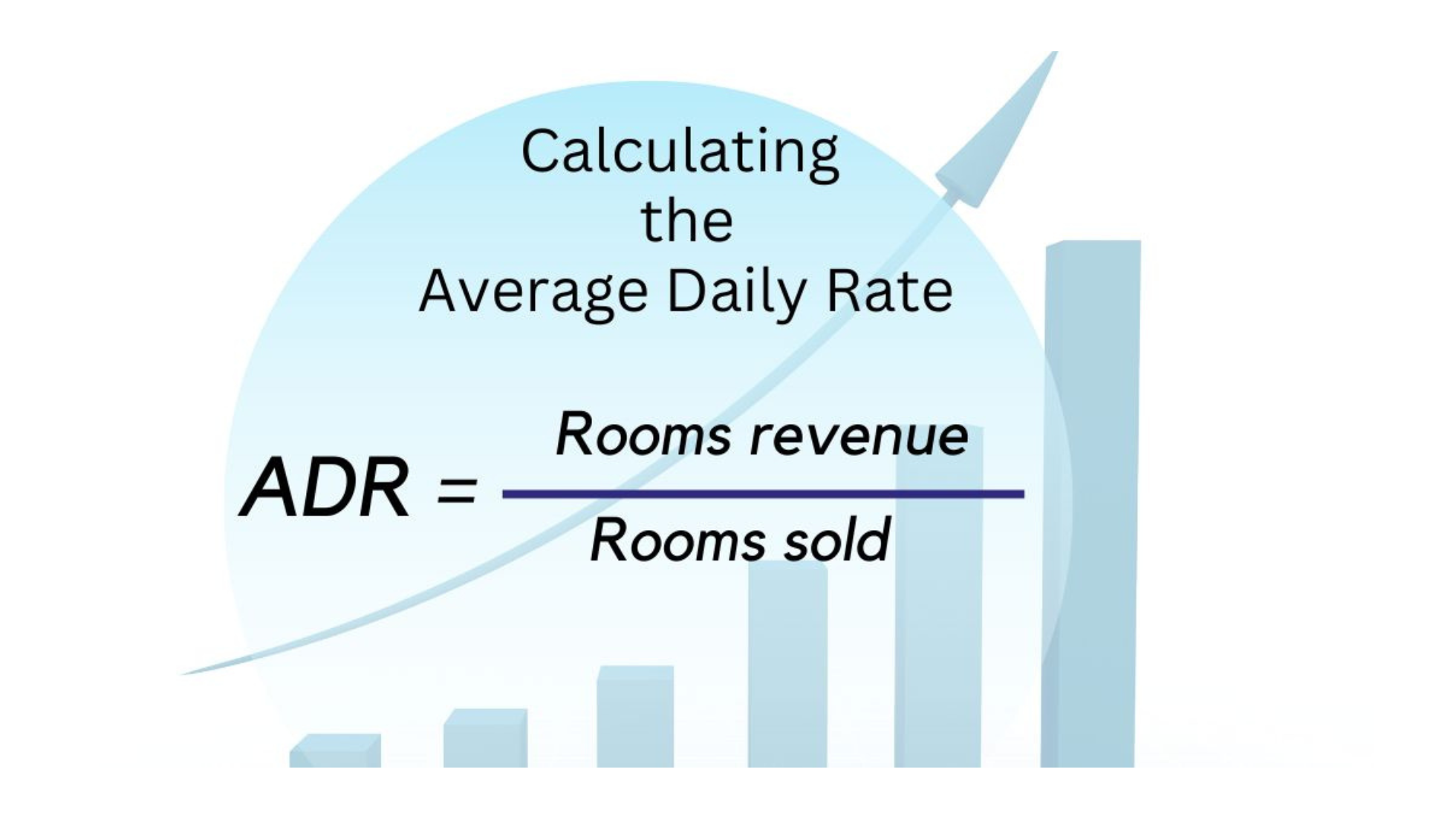
ADR = Total Room Revenue / Total Rooms Sold
Let’s break down these components:
-
Total Room Revenue: This encompasses all revenue generated from the sale of hotel rooms. It’s crucial to note that this typically excludes revenue from other sources such as food and beverage, spa services, or meeting room rentals, unless specifically defined otherwise by a hotel’s internal accounting practices. However, for a standardized industry view, room revenue is the primary focus.
-
Total Rooms Sold: This represents the number of rooms that were actually occupied and paid for during the specified period. This count excludes vacant rooms, complimentary rooms, or rooms occupied by staff.
Example:
Imagine a hotel that sold 150 rooms on a given night and generated a total room revenue of $22,500.
ADR = $22,500 / 150 rooms = $150 per room.
Therefore, the Average Daily Rate for that night was $150.
This calculation is usually performed on a daily basis, but can also be aggregated over weeks, months, or even annually to identify trends and broader performance patterns.
What ADR Represents: Beyond a Simple Number
ADR is not merely an accounting figure; it’s a dynamic indicator of a hotel’s pricing power and market positioning.
-
Pricing Performance: A higher ADR generally suggests that a hotel is successfully commanding higher prices for its rooms. This could be due to a variety of factors, including the quality of its amenities, its location, the services it offers, or its brand reputation.
-
Market Competitiveness: By comparing its ADR to that of its competitors, a hotel can gauge its competitive standing. If a hotel’s ADR is consistently higher than its peers in a similar market segment, it indicates a strong value proposition or a premium offering. Conversely, a lower ADR might suggest a need to re-evaluate pricing strategies, marketing efforts, or product offerings.
-
Revenue Management Effectiveness: ADR is a key performance indicator (KPI) for revenue management strategies. Effective revenue managers use ADR data to optimize pricing based on demand, seasonality, and market conditions, aiming to maximize revenue without alienating customers.
-
Profitability Indicator: While ADR itself doesn’t directly measure profit (as it doesn’t account for operational costs), it is a strong leading indicator of profitability. A healthy and increasing ADR, when managed efficiently, generally contributes to improved overall financial performance.
Factors Influencing Average Daily Rate
The ADR of a hotel is not static; it’s a fluctuating figure influenced by a complex interplay of internal and external factors. Understanding these influences is crucial for strategic decision-making and proactive management.
Internal Factors: Decisions Within the Hotel’s Control
Hotels have a significant degree of control over several elements that directly impact their ADR.
Room Type and Inventory Management
-
Room Mix: Hotels often offer a variety of room types, from standard rooms to suites, penthouses, and specialty accommodations. These rooms are priced differently based on size, amenities, and view. The proportion of each room type sold on any given day will influence the overall ADR. Selling more premium rooms will naturally drive ADR up.
-
Yield Management: This is the art and science of selling the right room, to the right customer, at the right time, for the right price, through the right channel, with the lowest cost of acquisition. Sophisticated yield management systems adjust room rates dynamically based on predicted demand, competitor pricing, and booking patterns.
-
Ancillary Services and Packages: While ADR focuses on room revenue, the strategic bundling of room rates with other services – such as breakfast, spa treatments, or local attraction tickets – can indirectly influence the perceived value and the ultimate room price. When these packages are attractive, they can support higher room rates.
Distribution Channels
-
Direct Bookings vs. Online Travel Agencies (OTAs): Hotels often pay commissions to OTAs like Booking.com or Expedia. To maintain a higher ADR on direct bookings, hotels may offer exclusive deals or loyalty program benefits for guests who book through their own website or reservation line. The commission structure can sometimes lead to lower effective ADR when rooms are sold through third-party channels.
-
Wholesalers and Tour Operators: Agreements with these entities often involve negotiated rates, which can differ significantly from standard rack rates and impact the overall ADR.
Marketing and Brand Positioning
-
Brand Strength and Reputation: A strong brand reputation, often built through consistent guest experiences and positive reviews on platforms like Tripadvisor, allows hotels to command higher prices. A luxury brand like the Ritz-Carlton will naturally have a higher ADR than a budget-friendly motel.
-
Promotional Offers and Discounts: While temporary discounts can boost occupancy, excessive or poorly timed promotions can depress ADR. Strategic discounting, often tied to specific periods or booking windows, is key.
Property-Specific Factors
-
Renovations and Upgrades: Investing in room upgrades, lobby renovations, or new amenities can justify higher room rates and contribute to a higher ADR. A newly renovated room in a hotel like the Waldorf Astoria New York will command a premium.
-
Service Quality: Exceptional customer service fosters loyalty and allows hotels to maintain premium pricing. The attention to detail at a boutique hotel in Paris can significantly impact its ADR.
External Factors: Market and Economic Influences
Numerous external forces beyond a hotel’s direct control also shape its ADR.
Market Demand and Seasonality
- Peak Seasons vs. Off-Peak Seasons: Demand for accommodation fluctuates significantly throughout the year, influenced by holidays, school breaks, and local events. During peak seasons, such as summer in Rome or during the Macy’s Thanksgiving Day Parade in New York City, hotels can typically charge higher rates.
- Local Events and Conferences: Major sporting events, festivals, concerts, or large business conferences can dramatically increase demand and, consequently, ADR. For instance, the Super Bowl can cause ADR to skyrocket in the host city.
Economic Conditions
-
Economic Growth and Recession: In times of economic prosperity, disposable income tends to rise, allowing consumers and businesses to spend more on travel and accommodation, which can lead to higher ADRs. Conversely, during economic downturns, demand may decrease, and hotels might need to lower rates to attract guests, thus impacting ADR.
-
Inflation: General inflation can lead to increased operational costs for hotels, which may be passed on to consumers through higher room rates, thereby influencing ADR.
Competitive Landscape
-
New Hotel Openings: The introduction of new hotels in a market increases competition for guests, potentially putting downward pressure on ADRs for existing properties.
-
Competitor Pricing Strategies: The pricing decisions of competing hotels directly influence a hotel’s own pricing strategy and, by extension, its ADR. Hotels must constantly monitor and react to competitor rates.
Travel Trends and Consumer Behavior
-
Shifting Preferences: Changes in travel preferences, such as a rise in demand for experiential travel or wellness retreats, can influence the types of hotels that are in demand and the rates they can command.
-
Booking Lead Times: The typical time frame in which guests book their stays can affect pricing strategies. For example, last-minute bookings might be priced differently than bookings made months in advance.
The Significance of ADR in Hotel Operations and Strategy
ADR is far more than a simple statistic; it is a cornerstone of strategic decision-making, performance evaluation, and forward planning within the hotel industry. Its multifaceted significance touches upon revenue management, competitive analysis, and overall business health.
Driving Revenue Management Strategies
-
Optimizing Pricing: ADR data is the bedrock of effective revenue management. By analyzing ADR trends alongside occupancy rates, revenue managers can identify optimal pricing points. For instance, if ADR is high but occupancy is low, it might signal that prices are too high. Conversely, high occupancy with low ADR could indicate missed revenue opportunities.
-
Forecasting and Budgeting: Historical ADR data, combined with an understanding of influencing factors, allows for more accurate revenue forecasting and budgeting. This is critical for financial planning, resource allocation, and setting realistic performance targets.
-
Promotional Effectiveness: ADR helps evaluate the success of pricing promotions and special offers. If a promotion is intended to increase revenue, a sustained or increased ADR alongside higher occupancy validates its success. If ADR drops significantly during a promotion, the offer might be attracting price-sensitive guests without generating sufficient incremental revenue.
Benchmarking and Competitive Analysis
-
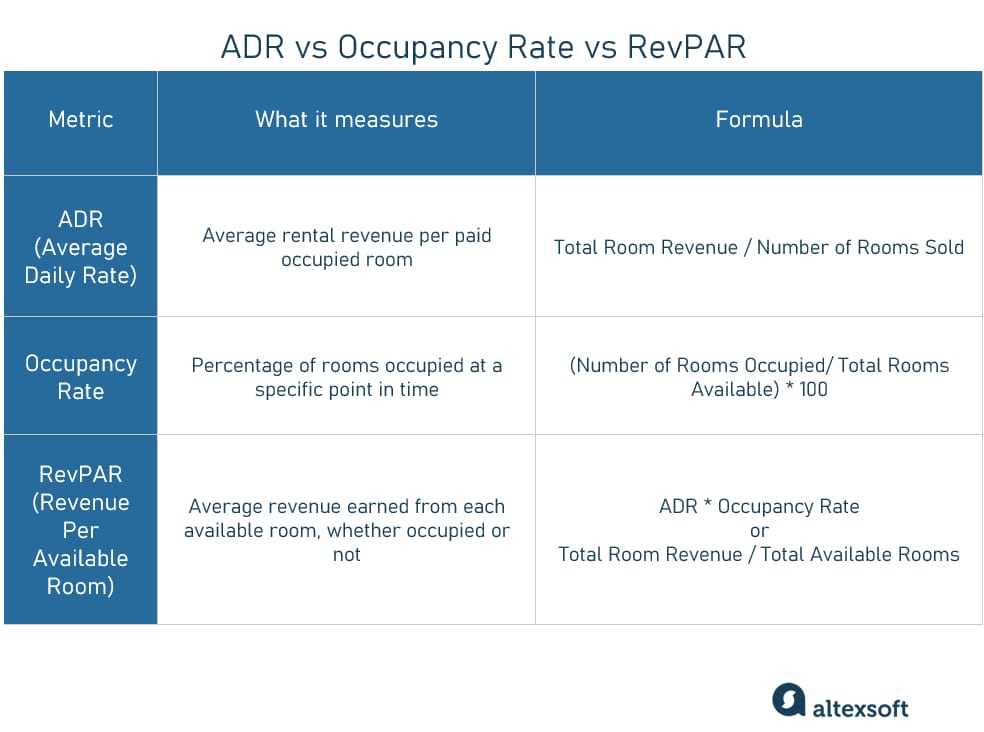
Performance Measurement: ADR provides a standardized way to measure a hotel’s performance against its historical data and against its competitors. This is often done through metrics like the Revenue Per Available Room (RevPAR), which is directly calculated using ADR (RevPAR = ADR x Occupancy Rate).
-
Market Positioning: By comparing its ADR to that of its competitive set (a group of similar hotels in the same geographic area), a hotel can understand its market positioning. Is it a premium provider, a mid-range option, or a budget alternative? This understanding informs marketing, product development, and service strategies.
-
Identifying Opportunities: A consistently lower ADR compared to direct competitors might signal a need for operational improvements, amenity upgrades, or a re-evaluation of the target market. Conversely, a higher ADR can be leveraged in marketing to highlight the hotel’s superior value proposition.
Informing Investment and Valuation
-
Asset Value: For hotel owners and investors, ADR is a key indicator of an asset’s earning potential and, therefore, its valuation. A hotel with a strong and growing ADR is generally considered a more valuable investment.
-
Strategic Decisions: Decisions regarding renovations, expansions, or even the sale of a property are heavily influenced by ADR performance. A robust ADR can justify significant capital investments, while a declining ADR might prompt consideration of divestment or a strategic pivot.
Enhancing Guest Understanding and Segmentation
-
Customer Value Perception: ADR can reflect how customers perceive the value offered by a hotel. A higher ADR suggests that guests are willing to pay more for the experience, amenities, or location provided.
-
Target Market Alignment: Analyzing ADR in relation to different market segments (e.g., business travelers, leisure tourists, families) can help hotels understand which segments are driving higher revenues and tailor their offerings and marketing efforts accordingly. For instance, a hotel near a major convention center might see its ADR surge during conference weeks, indicating the value of that segment.
Beyond the Number: Maximizing ADR and Future Outlook
While ADR is a crucial metric, it’s essential to remember that it’s part of a larger picture. Focusing solely on maximizing ADR without considering occupancy can lead to decreased overall revenue. The true goal is to achieve a balance that maximizes RevPAR and profitability.
Strategies for ADR Enhancement
-
Dynamic Pricing and Personalization: Leveraging technology to implement dynamic pricing models that adjust rates in real-time based on demand, seasonality, and competitor actions is paramount. Furthermore, personalized offers based on guest history and preferences can encourage higher spending.
-
Investing in Differentiation: Continuous investment in property upgrades, unique amenities, and exceptional service quality can differentiate a hotel and justify premium pricing. This could include anything from state-of-the-art technology in rooms to unique dining experiences or partnerships with local attractions in places like San Francisco.
-
Strengthening Direct Booking Channels: Incentivizing direct bookings through loyalty programs, exclusive packages, and a seamless online booking experience can reduce reliance on costly OTAs and allow for better control over ADR.
-
Upselling and Cross-selling: Empowering front-desk staff and implementing effective online upselling tools can encourage guests to book higher room categories or purchase ancillary services, thereby increasing the average revenue per guest.
The Future of ADR in a Dynamic Market
The hotel industry is constantly evolving, driven by technological advancements, changing consumer expectations, and global economic shifts. The interpretation and management of ADR will continue to adapt.
-
Data Analytics and AI: The increasing sophistication of data analytics and Artificial Intelligence (AI) will enable more precise forecasting, personalized pricing, and a deeper understanding of guest behavior, all of which will refine ADR strategies.
-
Sustainability and Experiential Travel: As sustainability becomes a more significant factor for travelers, hotels that can demonstrate strong environmental practices may be able to command higher rates. Similarly, the growing demand for authentic local experiences, perhaps in a vibrant city like Tokyo, can support premium pricing for hotels that offer them.
-
The Blurring Lines of Accommodation: The rise of alternative accommodations like Airbnb and serviced apartments presents new competitive pressures. Traditional hotels will need to continually demonstrate their value proposition to maintain and grow their ADR.
In conclusion, the Average Daily Rate is an indispensable metric for understanding and managing a hotel’s financial health. By meticulously calculating, consistently monitoring, and strategically influencing ADR, hotel professionals can navigate the complexities of the market, optimize revenue, and ensure sustainable success in the ever-evolving landscape of the hospitality industry.
LifeOutOfTheBox is a participant in the Amazon Services LLC Associates Program, an affiliate advertising program designed to provide a means for sites to earn advertising fees by advertising and linking to Amazon.com. Amazon, the Amazon logo, AmazonSupply, and the AmazonSupply logo are trademarks of Amazon.com, Inc. or its affiliates. As an Amazon Associate we earn affiliate commissions from qualifying purchases.