
Understanding the temporal nuances of a vast geographical area like Kansas is more than a matter of simple curiosity; it’s a practical necessity for anyone planning a visit, coordinating business, or simply seeking to connect with friends and family within the Sunflower State. The question of “what time is it in Kansas” might seem straightforward, but it touches upon the complexities of time zones and daylight saving practices that have shaped how we measure and experience time across regions.
Navigating Time Zones in the Sunflower State
Kansas, like many large American states, occupies a significant expanse of land, and its temporal mapping is influenced by historical and geographical considerations. The state primarily observes the Central Time Zone (CT). This means that, for the majority of Kansas, the local time is aligned with Coordinated Universal Time (UTC) minus six hours during standard time and UTC minus five hours during daylight saving time.
The Dominance of Central Time
The vast majority of Kansas communities, including its largest cities like Wichita, Overland Park, and Kansas City (KS), operate under Central Standard Time (CST) or Central Daylight Time (CDT), depending on the time of year. This uniformity simplifies scheduling for most residents and visitors within the state. When you set your watch or check your phone in these areas, you are generally looking at Central Time.
A Glimpse of Mountain Time
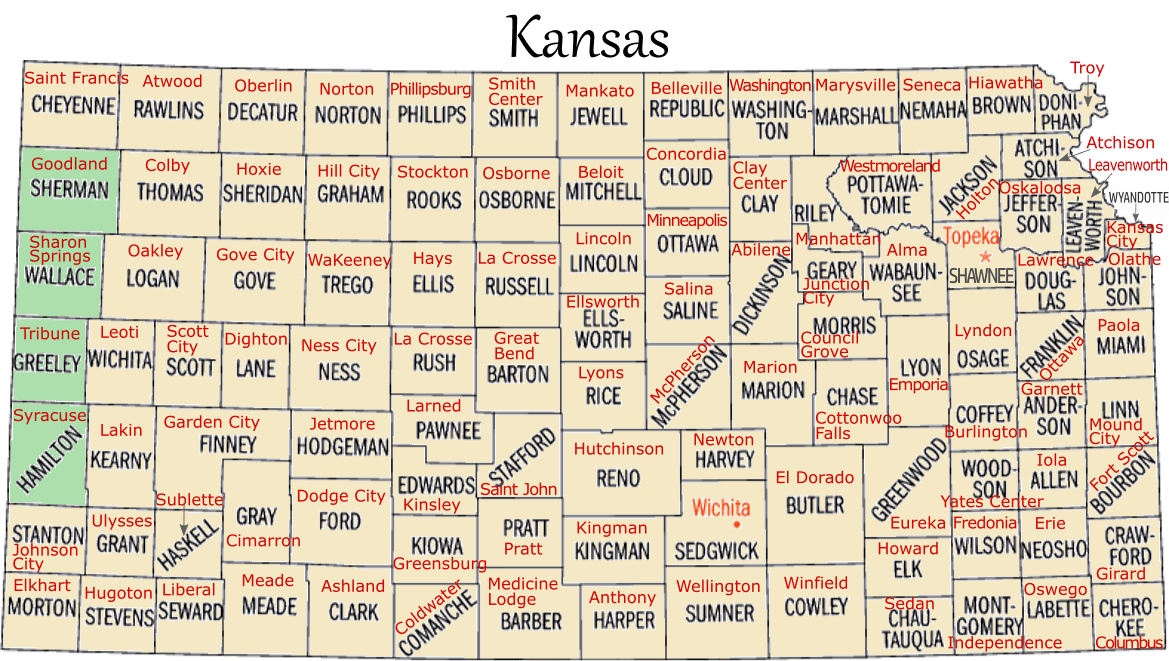
While less common, there is a small portion of western Kansas that historically fell into the Mountain Time Zone (MT). This region, primarily a few counties in the far west, observes Mountain Standard Time (MST) or Mountain Daylight Time (MDT). This means that this specific area is one hour behind the rest of Kansas.
Historically, the division of time zones was often determined by factors such as railroad schedules and ease of administration. For Kansas, the demarcation was drawn in a way that placed most of the state in the more populous Central Time Zone. However, for those traveling or working in the westernmost reaches, understanding this subtle difference is crucial to avoid temporal confusion.
Understanding Daylight Saving Time in Kansas
Like most of the United States, Kansas observes Daylight Saving Time (DST). This practice, which begins on the second Sunday in March and ends on the first Sunday in November, involves advancing clocks by one hour forward during the spring and rolling them back one hour in the fall. The primary intention behind DST is to make better use of natural daylight.
The Rationale Behind the Seasonal Shift
The concept of Daylight Saving Time was widely adopted to conserve energy by reducing the need for artificial lighting in the evenings. While its effectiveness and benefits are subjects of ongoing debate, it remains a standard practice in Kansas. This seasonal shift means that for half the year, the state operates on Central Daylight Time (CDT), which is UTC-5, and for the other half, it reverts to Central Standard Time (CST), which is UTC-6.
Impact on Scheduling and Activities
For travelers, the observation of DST means that the time difference between Kansas and locations that do not observe DST will fluctuate. For instance, a visit to Kansas in July will mean that Central Daylight Time is in effect, making it one hour later than locations observing Greenwich Mean Time (GMT), and a different time difference compared to a visit in December when Central Standard Time is active. This is a critical piece of information for coordinating flights, booking accommodations, and planning any activity that relies on precise timing.
Practical Implications for Visitors and Residents
The temporal dynamics of Kansas have direct and practical implications for anyone interacting with the state. Whether you are a tourist exploring the Flint Hills, a business professional attending a meeting in Topeka, or a family member visiting relatives in a rural town, being aware of the time is paramount.
Planning Your Itinerary
When planning a trip to Kansas, always confirm the local time of your destination within the state. If your itinerary involves traveling across different regions of Kansas, particularly if you are venturing into the westernmost counties, double-check if they observe Central Time or Mountain Time. This is particularly important for making connections, such as flight layovers or rental car pick-ups.
For instance, if you are flying into Wichita Dwight D. Eisenhower National Airport and then driving west, you will remain within the Central Time Zone for the majority of your journey. However, if your ultimate destination is a very specific locale in the far western edge of the state, a brief check on a reliable time zone map or with local contacts can prevent misunderstandings.
Business and Communication
In the business world, precise timing is non-negotiable. Conference calls, client meetings, and project deadlines all rely on accurate timekeeping. If you are conducting business with entities in Kansas, always clarify the time zone. A virtual meeting scheduled for 9:00 AM in Kansas City (KS) will be 9:00 AM Central Time, but if the meeting was intended for a business in a smaller, western town that might observe Mountain Time, the actual local time could be different. This is why stating the time zone explicitly (e.g., “9:00 AM CDT”) is a best practice in all professional communications.
Connecting with Loved Ones
For those with friends and family in Kansas, understanding the time zone is essential for maintaining connections. A casual phone call to catch up can be disruptive if made at an inconvenient hour. Knowing whether it’s early morning, midday, or late evening in their part of Kansas ensures that your communication is welcomed and respectful. Remember that daylight saving adjustments also play a role, so a quick check before calling is always a thoughtful gesture.
The Subtle Art of Timekeeping in Kansas
While the question “What time is it in Kansas?” often elicits a simple answer related to Central Time, a deeper understanding reveals the nuances that make temporal awareness a valuable skill. From the iconic Wichita skyline to the expansive agricultural landscapes of the western plains, Kansas is a state where time is measured, observed, and sometimes, subtly divided.
A State of Shifting Schedules
The dual observance of standard and daylight saving times means that the temporal landscape of Kansas is dynamic. The periods of CST and CDT are not arbitrary but are marked by specific dates on the calendar, influencing everything from daily routines to seasonal events. For instance, agricultural activities, a cornerstone of the Kansas economy, are closely tied to the cycles of daylight, making the shift to DST a relevant consideration for farmers and ranchers.

Embracing Temporal Awareness
Ultimately, the seemingly simple question about the time in Kansas invites a broader appreciation for the organized, yet sometimes complex, systems that govern our daily lives. By understanding the state’s primary reliance on the Central Time Zone, its adherence to Daylight Saving Time, and the minor exceptions in its westernmost regions, one can navigate Kansas with greater ease and efficiency. This temporal awareness is an invaluable tool, whether you are exploring the historic trails of the Santa Fe Trail, attending a cultural festival in Lawrence, or simply enjoying the famed Kansas sunset.
LifeOutOfTheBox is a participant in the Amazon Services LLC Associates Program, an affiliate advertising program designed to provide a means for sites to earn advertising fees by advertising and linking to Amazon.com. Amazon, the Amazon logo, AmazonSupply, and the AmazonSupply logo are trademarks of Amazon.com, Inc. or its affiliates. As an Amazon Associate we earn affiliate commissions from qualifying purchases.