
Traveling from the vibrant entertainment hub of Las Vegas to the architectural marvels and cultural richness of Chicago is a popular route for both leisure and business travelers. The fundamental question for anyone planning this journey is often centered around flight duration, which, while seemingly straightforward, involves several variables. Understanding these factors is key to planning an efficient and comfortable travel experience.
Understanding Flight Duration from Las Vegas to Chicago
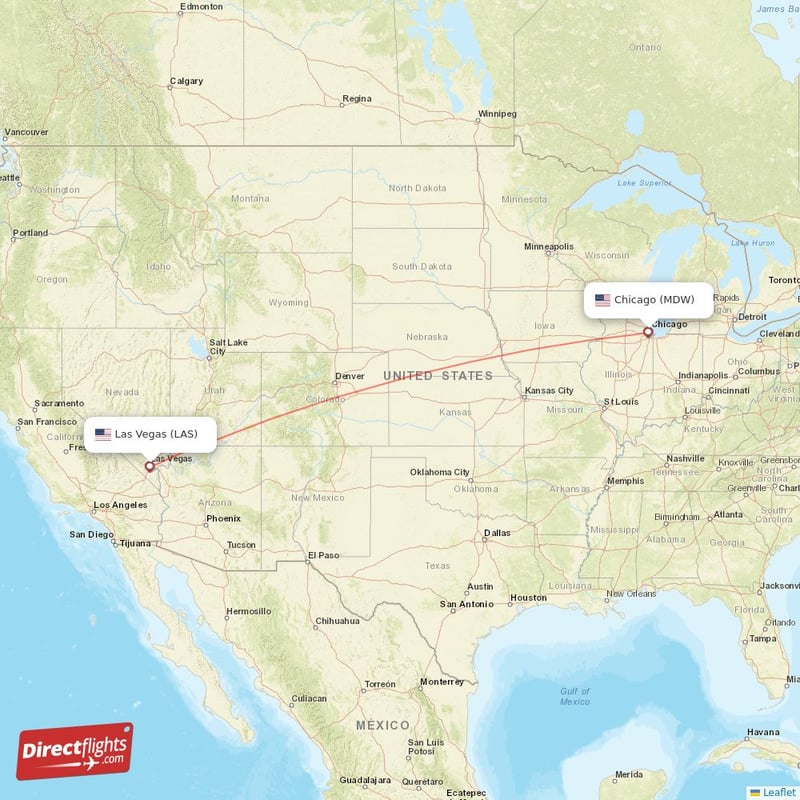
The flight path from the high desert of Nevada to the shores of Lake Michigan covers a significant distance across the continental United States. On average, a direct flight between Las Vegas and Chicago typically ranges from 3 hours and 30 minutes to 4 hours and 15 minutes. However, this is merely an average, and several elements can influence the precise length of your journey.
Direct vs. Connecting Flights
The most significant determinant of total travel time is whether you opt for a direct (non-stop) flight or a connecting flight.
- Direct Flights: These are the fastest option, as they involve no layovers. The time provided above (3.5 to 4.25 hours) specifically refers to non-stop services. Travelers gain the convenience of boarding once and arriving at their destination without intermediate stops or plane changes.
- Connecting Flights: While often more budget-friendly, connecting flights inherently extend travel time significantly. A single layover can add anywhere from 2 to 6 hours or more to your total journey, depending on the layover city and the duration of the wait between flights. Common layover cities for this route might include Denver, Dallas/Fort Worth, or Phoenix. While connecting flights can be a good way to save money, they require careful planning to minimize wait times and potential delays.
Factors Influencing Flight Time
Beyond the basic choice between direct and connecting, several operational and environmental factors can subtly (or not so subtly) alter your actual flight time.
Weather Conditions
Adverse weather conditions, either at departure (Las Vegas), en route, or at arrival (Chicago), can impact flight duration. Headwinds (winds blowing against the direction of flight) can increase flight time, sometimes by 15-30 minutes, as the aircraft needs to expend more effort to maintain speed. Tailwinds (winds blowing in the direction of flight) can have the opposite effect, potentially shortening the journey. Severe weather events like thunderstorms or snowstorms can lead to rerouting, holding patterns, or even delays, extending travel time considerably.
Air Traffic Control and Congestion
Major airports like Harry Reid International Airport in Las Vegas and O’Hare International Airport in Chicago are among the busiest in the world. High volumes of air traffic, especially during peak travel seasons or times of day, can lead to delays in takeoff clearance, extended taxi times on the ground, or holding patterns in the air before landing. While pilots and air traffic controllers work efficiently, these factors are inherent to busy air travel hubs and can add minutes to hours to a journey.
Aircraft Type and Route Efficiency
The specific aircraft model used can also play a minor role. Newer, more fuel-efficient planes might fly slightly faster or allow for more direct routing compared to older models. Furthermore, the exact flight path, while generally a straight line, can be adjusted by air traffic control for efficiency, to avoid weather, or to manage air traffic flow, which can marginally affect the overall time aloft.
Major Airports and Airlines Serving the Route
Understanding the key players—the airports and airlines—is crucial for travelers planning their trip from Las Vegas to Chicago.
Las Vegas’s Harry Reid International Airport (LAS)
Formerly known as McCarran International Airport, Harry Reid International Airport serves as the primary gateway to Las Vegas and Southern Nevada. It’s a bustling hub, renowned for its efficiency and proximity to The Strip. As a major origin point, LAS offers numerous direct flights to Chicago, catering to the high demand for travel between these two popular cities. Passengers will find a wide array of amenities, including dining, shopping, and entertainment options, reflecting the city’s unique character.
Chicago’s Airports: O’Hare International (ORD) and Midway International (MDW)
Chicago is served by two major international airports, offering travelers flexibility in their arrival point.
O’Hare International Airport (ORD)
O’Hare International Airport is one of the world’s busiest airports and a major hub for several airlines. It is located approximately 18 miles northwest of Downtown Chicago. ORD handles a high volume of domestic and international flights, making it a frequent choice for direct connections from Las Vegas. Its extensive network provides travelers with numerous onward connection possibilities, and it’s well-connected to the city via the CTA Blue Line, Metra commuter rail, and various bus and shuttle services.
Midway International Airport (MDW)
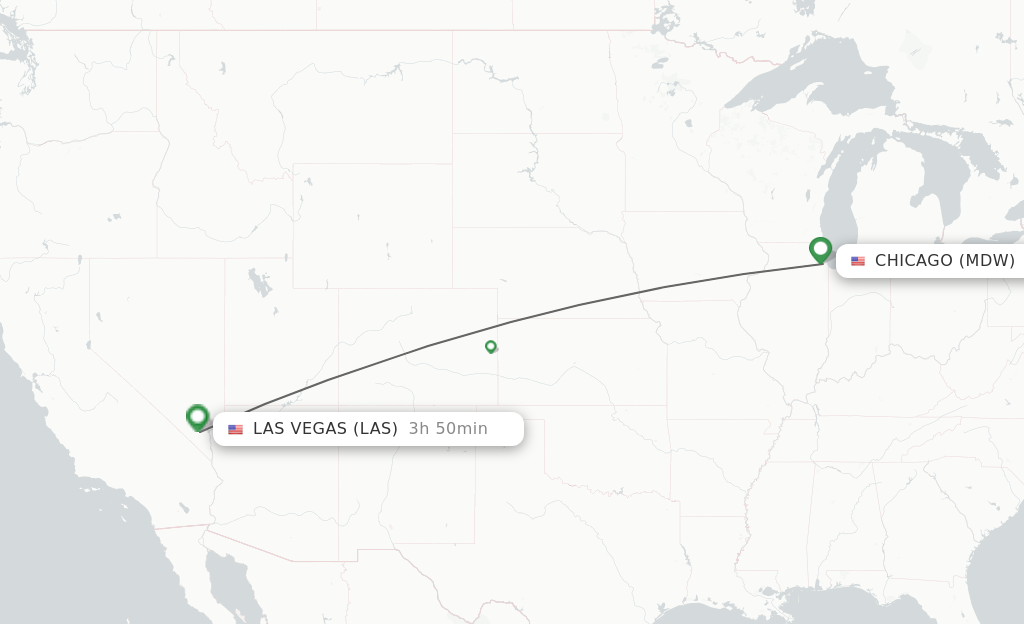
Midway International Airport is a smaller, yet highly efficient airport located about 12 miles southwest of Downtown Chicago. Midway is a significant hub for low-cost carriers, particularly Southwest Airlines. It offers a more compact and often less congested experience compared to O’Hare, and its closer proximity to the city center can sometimes translate to quicker ground transportation times. The CTA Orange Line provides direct access to Downtown Chicago from Midway.
Popular Airlines Serving the Route
Several major carriers offer direct and connecting flights between Las Vegas and Chicago, providing travelers with a range of choices in terms of price, service, and schedule.
- Southwest Airlines: Known for its customer service and “bags fly free” policy, Southwest Airlines is a dominant carrier on this route, especially into Midway International Airport.
- American Airlines: A major legacy carrier, American Airlines operates numerous flights, primarily into O’Hare International Airport, offering a full-service experience.
- United Airlines: Another prominent legacy airline, United Airlines also uses O’Hare International Airport as a major hub, providing extensive flight options and connections.
- Spirit Airlines and Frontier Airlines: These ultra-low-cost carriers often offer some of the most competitive fares, typically flying into both O’Hare and Midway. Travelers should be mindful of their à la carte pricing model for extras like baggage and seat selection.
- Delta Air Lines: While not as dominant on this specific route as others, Delta Air Lines offers flights, often with connections through their hubs like Salt Lake City or Minneapolis, providing another full-service option.
Optimizing Your Journey: Tips for a Smoother Flight Experience
Beyond simply knowing the flight duration, several strategies can help ensure your journey from Las Vegas to Chicago is as pleasant and efficient as possible.
Best Time to Book and Travel
- Booking in Advance: For the best fares and optimal flight times, it’s generally advisable to book your tickets several weeks, if not months, in advance, especially if traveling during peak seasons or holidays.
- Mid-Week Travel: Flying on Tuesdays, Wednesdays, or Saturdays often yields lower fares and less crowded flights compared to peak travel days like Fridays and Sundays. Early morning or late-night flights can also be less busy and sometimes more punctual, as they are less susceptible to accumulated delays throughout the day.
- Off-Season Travel: Consider traveling during the shoulder seasons (spring or fall) to Chicago to avoid the peak summer crowds and potentially harsh winter weather. This can lead to better flight deals and a more relaxed travel experience.
In-Flight Comfort Strategies
For a flight of around 3.5 to 4 hours, comfort is paramount.
- Seat Selection: If possible, choose a seat that suits your preference—aisle for easy access, window for views, or an exit row for extra legroom (often for an additional fee).
- Hydration and Snacks: Airplane cabins are notoriously dry. Stay hydrated by drinking plenty of water before and during your flight. Pack your own healthy snacks to avoid overpriced airport food and ensure you have options that align with your dietary needs.
- Entertainment and Relaxation: Download movies, TV shows, podcasts, or e-books to your devices before you fly. A good pair of noise-canceling headphones can make a world of difference in blocking out cabin noise and allowing you to relax or work.
- Dress Comfortably: Wear loose, layered clothing to adapt to varying cabin temperatures. Compression socks can also be beneficial for circulation on longer flights.
Navigating Layover Considerations
If you choose a connecting flight, mindful planning is essential.
- Adequate Layover Time: Ensure you have enough time between flights, especially if changing terminals or airports. A minimum of 90 minutes for domestic connections is often recommended, though 2-3 hours provides a safer buffer for potential delays.
- Check Luggage Policy: If traveling with budget airlines on connecting flights, confirm whether your bags will be checked through to your final destination or if you need to re-check them during your layover.
- Explore Layover Airports: Some airports offer excellent amenities, from shopping and dining to art installations and relaxation zones. A longer layover can sometimes be an opportunity for a brief exploration.
What to Expect Upon Arrival in Chicago
Arriving in Chicago, whether at O’Hare or Midway, marks the transition from air travel to experiencing the vibrant life of the Windy City.
Ground Transportation Options
Both airports offer a comprehensive array of ground transportation options to get you to your final destination in the city or surrounding suburbs.
- Public Transit:
- From O’Hare: The CTA Blue Line ‘L’ train provides direct service to Downtown Chicago, operating 24/7.
- From Midway: The CTA Orange Line ‘L’ train offers direct service to Downtown Chicago.
These are generally the most cost-effective and efficient options, though they can be crowded during peak hours.
- Taxis and Ride-Shares: Taxis are readily available at designated stands outside each terminal. Ride-sharing services like Uber and Lyft also operate from both airports, with designated pickup zones. These offer convenience, especially if traveling with luggage or in a group, but are typically more expensive than public transit.
- Shuttles and Buses: Various private shuttle services and regional bus lines connect the airports to hotels, convention centers, and suburban areas.
- Rental Cars: Rental car agencies have counters at both airports, ideal for travelers planning to explore areas beyond the immediate city center.
Time Zone Adjustment
Upon arrival in Chicago, remember that you will be transitioning from the Pacific Time Zone to the Central Time Zone. This means you will “lose” two hours. For example, if you depart Las Vegas at 10:00 AM Pacific Time on a 4-hour flight, you would arrive in Chicago around 4:00 PM Central Time (10 AM + 4 hours flight + 2 hours time change). Factor this time difference into your arrival plans, especially if you have immediate appointments or activities scheduled.
First Steps in the Windy City
Once you’ve arrived and settled your luggage, Chicago welcomes you with open arms. Whether your trip is for business or leisure, consider these initial steps:
- Check into Accommodation: Head directly to your hotel or accommodation to drop off luggage and freshen up.
- Acclimatize: Take a moment to adjust to the new time zone and environment. A short walk, a coffee, or a quick meal can help reset your internal clock.
- Plan Your Immediate Activities: Depending on your arrival time, you might have time for a casual stroll, an early dinner, or a visit to a nearby attraction. Chicago’s public transportation makes it easy to navigate.
In conclusion, while a direct flight from Las Vegas to Chicago will typically take between 3.5 to 4.25 hours in the air, the overall travel experience is shaped by your choice of flight, external factors, and careful planning. By understanding these elements, travelers can ensure a smooth and enjoyable journey to the heart of the Midwest.
LifeOutOfTheBox is a participant in the Amazon Services LLC Associates Program, an affiliate advertising program designed to provide a means for sites to earn advertising fees by advertising and linking to Amazon.com. Amazon, the Amazon logo, AmazonSupply, and the AmazonSupply logo are trademarks of Amazon.com, Inc. or its affiliates. As an Amazon Associate we earn affiliate commissions from qualifying purchases.