
Understanding the nuances of deer season in Kansas is paramount for any enthusiastic hunter, whether a seasoned veteran or a newcomer to the Sunflower State’s rich hunting grounds. This guide aims to provide a comprehensive overview, focusing on the essential information a visitor or local needs to plan their hunting expeditions effectively. While the primary focus here is on the temporal aspects of the season, a brief acknowledgment of the broader Kansas tourism landscape, particularly relating to outdoor activities and local culture, will provide context for the significance of these hunting periods.
Understanding Kansas Deer Hunting Regulations
Kansas offers a diverse range of deer hunting opportunities, catering to various preferences and skill levels. The Kansas Department of Wildlife and Parks (KDWP) meticulously sets the regulations for each hunting season, ensuring conservation efforts are maintained while providing ample chances for harvesting. These regulations are not static and can be subject to change based on population assessments and management goals. Therefore, consulting the official KDWP website for the most up-to-date information is always recommended.
Archery Season
The archery season typically marks the beginning of the deer hunting calendar in Kansas. This season allows hunters to utilize bow and arrow, demanding a higher degree of skill, patience, and proximity to the game.
- Timing: Archery season generally commences in early to mid-September and extends through the end of December. This extended period offers a significant window for archers to pursue their quarry.
- Permits and Licenses: Hunters are required to obtain appropriate permits and licenses from the KDWP. This usually involves a deer permit specific to the unit or region where hunting is intended, along with a Kansas hunting license. Non-resident licenses often have different application deadlines and draw systems.
- Regulations: Archery hunters must adhere to specific regulations regarding equipment, including draw weight and broadhead specifications. Furthermore, ethical hunting practices, such as ensuring a clean and humane kill, are strongly emphasized. The use of treestands and ground blinds is common during this season, requiring careful consideration of placement and concealment.
Early Muzzleloader Season
Following the archery season, Kansas often features an early muzzleloader season. This period offers a different challenge and experience, bridging the gap between archery and the more widely participated firearms seasons.
- Timing: The early muzzleloader season is typically held for a limited duration, often in late September or early October, before the main firearms seasons commence.
- Firearm Specifications: This season restricts hunters to muzzleloading rifles or shotguns of a specific caliber and configuration. Regulations usually detail the minimum caliber size and the requirement for open sights. Scopes are often prohibited during this specific season.
- Hunter Experience: The muzzleloader season appeals to those who appreciate the historical aspect of hunting and the unique challenges presented by slower-reloading firearms. It requires a different set of skills and knowledge of ballistics.
Youth Season
Kansas prioritizes introducing younger generations to the heritage of hunting through a dedicated youth season. This initiative fosters safe and responsible hunting practices among aspiring hunters.
- Eligibility: This season is typically reserved for hunters who are under a certain age, often 16 years old, and must be accompanied by a licensed adult.
- Timing: The youth season usually takes place in late September or early October, providing an excellent opportunity for young hunters to experience the thrill of the hunt before the general firearms seasons.
- Regulations: Specific regulations for the youth season may differ slightly, sometimes allowing for a broader range of legal firearms and extending opportunities to harvest antlered or antlerless deer. The emphasis is on mentorship and skill development.
Regular Firearm Season (November Firearm Season)
The regular firearm season, often referred to as the November firearm season, is the most highly anticipated period for many hunters. This season offers the broadest participation and generally sees the highest harvest numbers.
- Timing: This prime hunting period typically spans about a week to ten days in late November or early December. The exact start and end dates are crucial for planning and are published annually by the KDWP.
- Permits: This season often operates under a limited permit system, especially for antlered deer. Hunters usually apply for these permits through a drawing process, with specific application windows. Antlerless-only permits may also be available, often with different application procedures.
- Firearm Regulations: Hunters must adhere to specific firearm requirements, including caliber, ammunition type, and magazine capacity. Shotguns with slugs or certain rifles are typically permitted.
- Hunting Strategies: During the November firearm season, hunters often employ various strategies, including still-hunting, driving, and utilizing strategically placed blinds. The cooler weather and changing deer behavior contribute to active foraging and movement.
Late Muzzleloader Season

To extend the hunting opportunities, Kansas often implements a late muzzleloader season following the November firearm season.
- Timing: This season typically begins in December and can extend into early January.
- Regulations: Similar to the early muzzleloader season, specific firearm restrictions apply. This season often provides a chance to harvest remaining deer populations or target specific management units.
Second Archery Season (if applicable)
In some years or specific regions, Kansas might offer a second archery season or an extension of the initial archery season. These periods are designed to further utilize the archery hunting opportunities and are subject to the same core regulations as the primary archery season.
Planning Your Kansas Deer Hunting Trip
A successful deer hunt in Kansas requires meticulous planning, extending beyond just understanding the season dates. For those traveling to the state, or even for locals looking to explore new territories, several factors need consideration.
Obtaining Licenses and Permits
The first crucial step is securing the necessary licenses and permits. Kansas employs a lottery system for many of its deer permits, especially for antlered deer during the regular firearm season.
- Application Deadlines: These deadlines are strict and often fall well in advance of the hunting season. Missing these can mean waiting for the next year.
- Residency Requirements: Non-residents often face different application processes and quotas compared to Kansas residents.
- Whitetail vs. Mule Deer: Kansas is home to both white-tailed deer and, in the western parts of the state, mule deer. Permits may be specific to deer species and geographical units.
Choosing Your Hunting Location
Kansas boasts a variety of landscapes, from rolling prairies and agricultural lands to wooded river bottoms and the rugged terrain of the Flint Hills.
- Public vs. Private Land: Much of the hunting occurs on private land, often requiring landowner permission or participation in block management programs. Kansas also offers numerous public hunting areas, which can provide excellent opportunities but often attract more hunters.
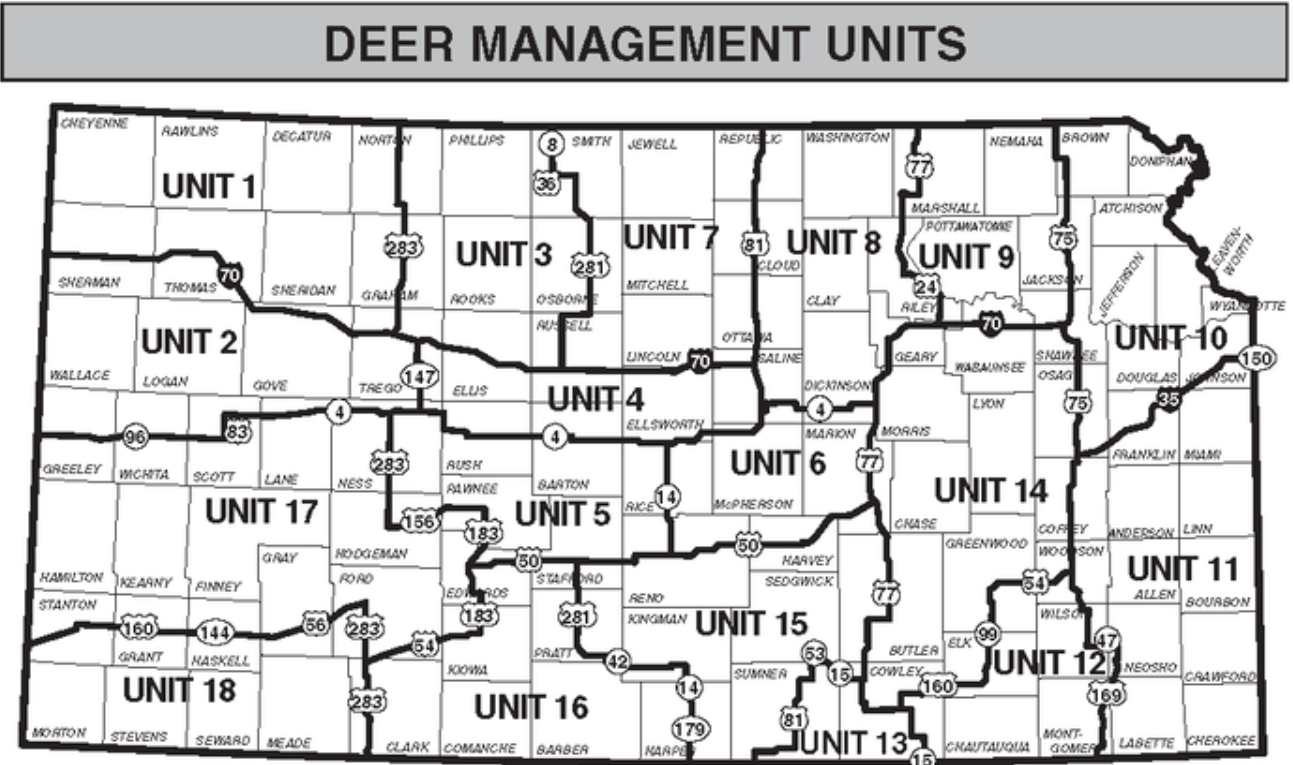
- Unit Selection: Understanding the deer population density and success rates in different hunting units is vital for maximizing your chances. The KDWP provides data and maps to assist hunters in this selection process.
- Local Outfitters: For those unfamiliar with Kansas hunting grounds or seeking a guided experience, engaging a local outfitter can be invaluable. These professionals offer expertise in scouting, lodging, and navigating the regulations.
Accommodation and Travel Logistics
Beyond the hunt itself, planning your stay and travel arrangements is essential for a comfortable and efficient trip.
- Lodging Options: Depending on the hunting location, accommodation can range from rustic cabins and campgrounds within or near state parks to hotels and motels in nearby towns. For a more immersive experience, consider renting a vacation home or cabin. Many outfitters also provide lodging as part of their package.
- Travel to Hunting Grounds: Consider the accessibility of your chosen hunting area. Some locations may require 4×4 vehicles, especially during inclement weather. Familiarize yourself with local roads and potential access points.
- Local Amenities: Research the availability of amenities in the area, such as grocery stores, gas stations, and taxidermists, to ensure you have all your needs met.
The Broader Significance: Deer Season and Kansas Tourism
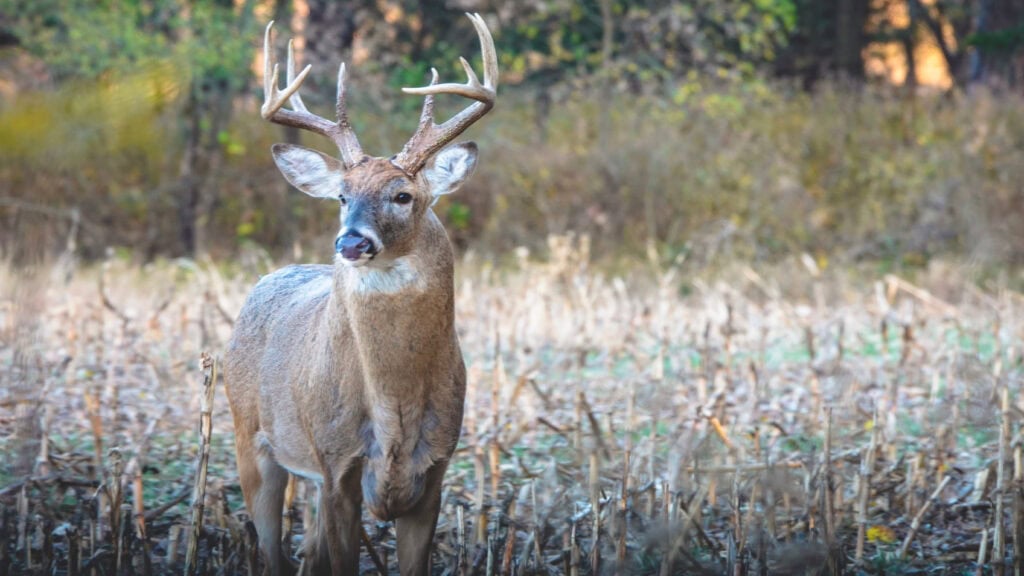
While the focus is on the mechanics of deer season, it’s important to recognize its contribution to the tourism landscape in Kansas. Hunting is a significant outdoor activity that draws visitors to rural communities, supporting local economies through expenditures on lodging, food, supplies, and services. The anticipation and planning surrounding deer season are deeply ingrained in the state’s lifestyle, particularly in its agricultural heartland. For many, the opening of deer season signifies a cherished tradition, a connection to nature, and an opportunity to engage with the local culture in a profound way. The responsible pursuit of game contributes to the conservation of Kansas‘s natural resources, ensuring these opportunities remain for generations to come. The unique blend of agricultural beauty and abundant wildlife makes Kansas a compelling destination for hunters and outdoor enthusiasts alike.
LifeOutOfTheBox is a participant in the Amazon Services LLC Associates Program, an affiliate advertising program designed to provide a means for sites to earn advertising fees by advertising and linking to Amazon.com. Amazon, the Amazon logo, AmazonSupply, and the AmazonSupply logo are trademarks of Amazon.com, Inc. or its affiliates. As an Amazon Associate we earn affiliate commissions from qualifying purchases.