
For any traveler planning a trip to the Emerald City, understanding the local climate is paramount to a successful and enjoyable experience. [Seattle], Washington, is famously known for its overcast skies and frequent drizzle, a characteristic that contributes significantly to its lush, verdant landscapes and unique urban charm. However, the perception of Seattle as a perpetually soggy metropolis is often exaggerated. This exploration delves into the nuances of [Seattle]’s rainfall patterns, offering a data-driven perspective to help visitors pack appropriately and plan their itineraries with confidence.
Understanding Seattle’s Precipitation Patterns
The perception of [Seattle] as a rain-soaked city stems from its numerous cloudy days rather than exceptionally high volumes of rainfall. While it does rain often, the intensity is typically moderate. This distinction is crucial for setting realistic expectations and appreciating the city’s climate for what it is.
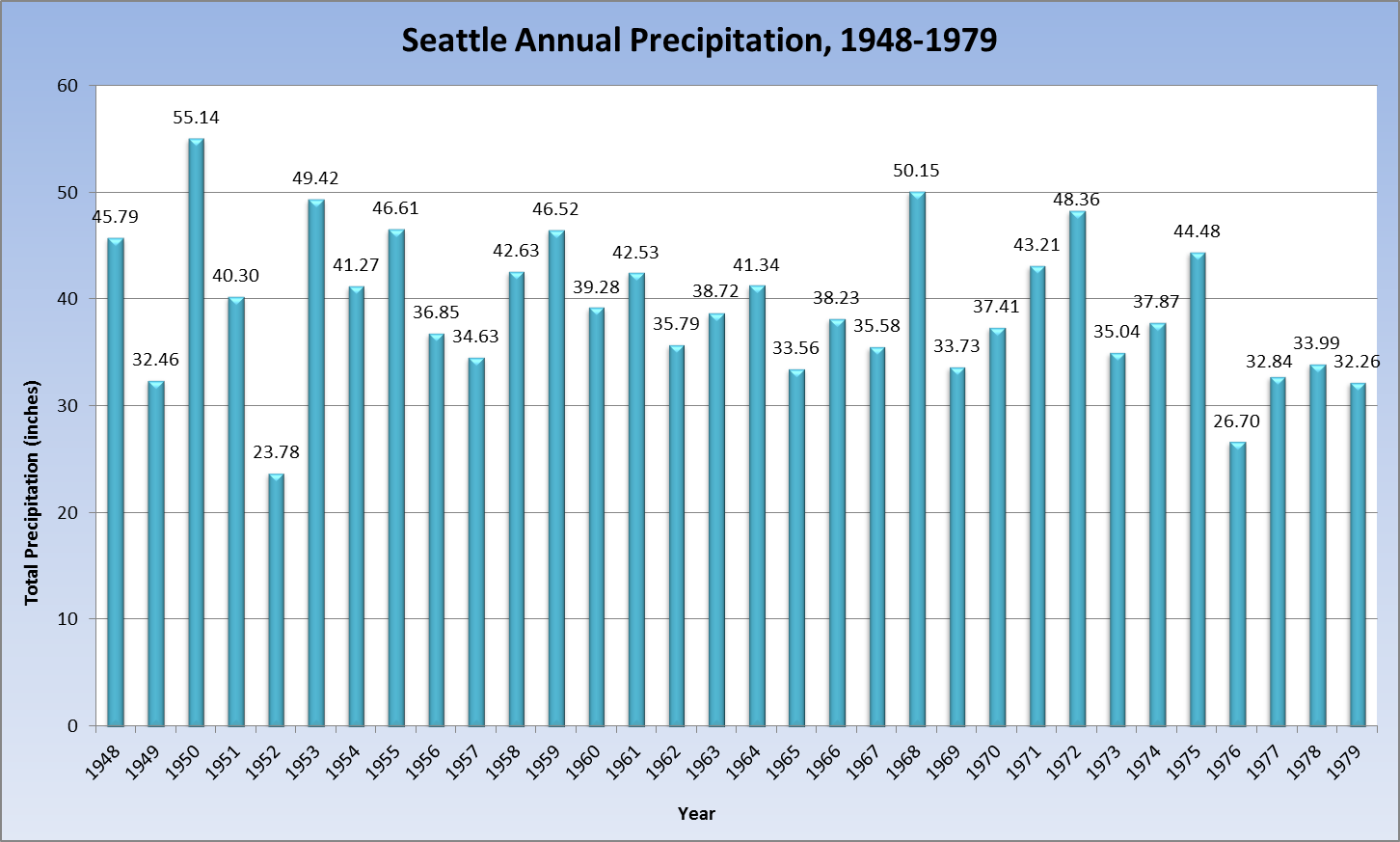
Annual Rainfall Averages
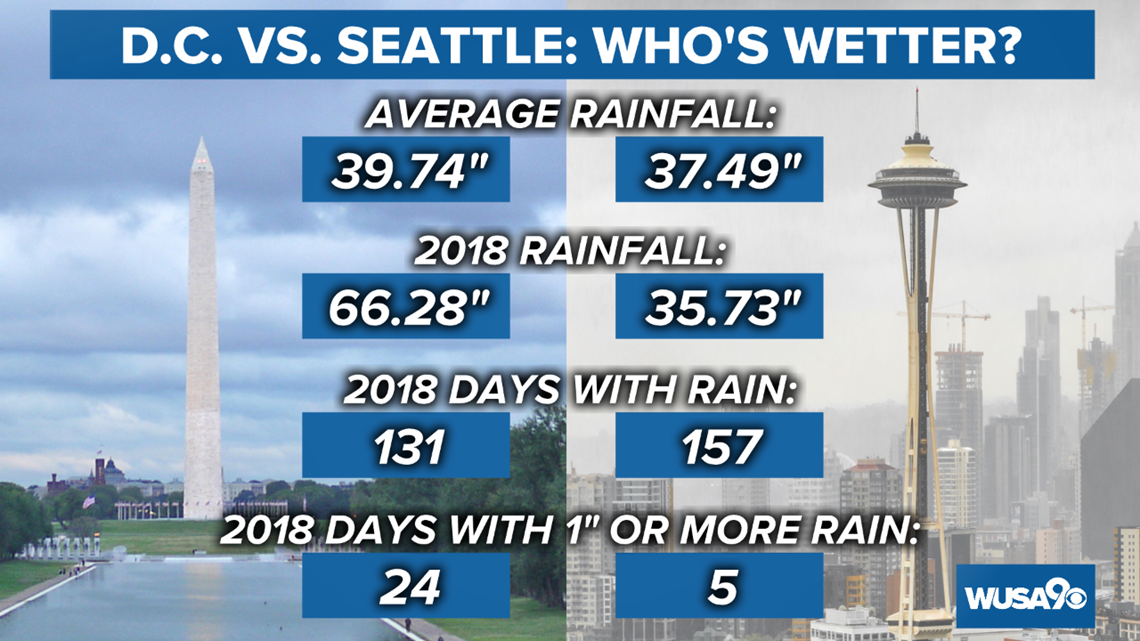
[Seattle] typically receives around 38 inches of precipitation annually. To put this into perspective, this is less than many other major U.S. cities, including [New York City], [Chicago], and [Miami]. The key difference lies in the distribution of this precipitation throughout the year.Seasonal Variations: A Tale of Two Seasons
The precipitation in [Seattle] is not evenly distributed. The city experiences a distinct wet season and a pronounced dry season, a pattern common to Mediterranean climates, which [Seattle] partially resembles.
The Wet Season: Fall, Winter, and Early Spring
From October through May, [Seattle] is characterized by persistent cloud cover and frequent, light to moderate rainfall. This period accounts for the vast majority of the city’s annual precipitation. The rain is often described as a “drizzle” or “mist,” a gentle yet persistent presence that keeps the city perpetually green.
- October to December: This marks the beginning of the wet season, with increasing cloudiness and a steady rise in rainfall. Temperatures remain mild, typically in the 40s and 50s Fahrenheit.
- January to March: These months often see the highest levels of precipitation, though still generally in the form of light rain or showers. Snowfall is rare and usually does not accumulate significantly.
- April to May: As spring progresses, the rainfall begins to taper off, and periods of sunshine become more frequent. However, lingering clouds and occasional showers are still common.
The Dry Season: Summer
From June through September, [Seattle] transforms into a much drier and sunnier city. This is the most pleasant time of year to visit, with abundant sunshine, comfortable temperatures, and significantly reduced rainfall. The city’s parks and outdoor attractions, such as [Discovery Park] and the trails around [Lake Washington], are particularly vibrant during these months.
- June: The transition to the dry season begins, with longer daylight hours and a noticeable decrease in precipitation.
- July to August: These are typically the driest and warmest months, with average high temperatures in the mid-70s Fahrenheit. Cloud cover is minimal, and the city enjoys extended periods of sunshine.
- September: While still largely dry and sunny, September can see a slight increase in cloudiness as the transition back towards the wet season begins.
Daily Rainfall vs. Annual Totals
It is the number of rainy days, not the volume of rain, that gives [Seattle] its reputation. While a city like [Miami] might receive 60 inches of rain annually, much of it can come in powerful, short-lived thunderstorms. [Seattle], conversely, might have over 150 days with some measurable precipitation, but the total accumulation remains moderate. This means that while you might experience a light shower on any given day during the wet season, it is unlikely to disrupt your plans for an extended period.
Preparing for Seattle’s Climate: What to Pack and When to Visit
Understanding [Seattle]’s weather patterns allows for strategic planning, ensuring a comfortable and fulfilling visit regardless of the season.
Packing Essentials for the Wet Season
If you are visiting during the fall, winter, or early spring, packing layers and waterproof gear is essential.
- Waterproof Jacket: A good quality, breathable waterproof jacket with a hood is indispensable. This will protect you from the persistent drizzle without making you overheat.
- Umbrella: While a jacket’s hood might suffice for light showers, a compact umbrella is useful for heavier or more sustained rain.
- Waterproof Footwear: Comfortable, waterproof shoes or boots will keep your feet dry as you explore the city’s neighborhoods, visit attractions like the [Pike Place Market], or take walks through its many parks.
- Layering Clothing: Pack sweaters, long-sleeved shirts, and perhaps a fleece jacket. Temperatures are generally mild but can feel cooler with the dampness.
- Quick-Dry Fabrics: Opt for clothing made from materials that dry quickly, as damp items can be uncomfortable.
Packing Essentials for the Dry Season
Summer in [Seattle] is generally glorious. The weather is mild to warm, with plenty of sunshine.
- Light Layers: While warm days are common, evenings can still be cool, especially near the water. A light jacket or sweater is recommended.
- Sun Protection: Sunglasses, sunscreen, and a hat are advisable, as the summer sun can be quite strong.
- Comfortable Walking Shoes: You’ll likely be doing a lot of walking as you explore landmarks like the [Space Needle] or the [Museum of Pop Culture].
- Rain Gear (Optional): While unlikely, a very light, packable rain jacket can offer peace of mind for unpredictable weather shifts, though it’s often unnecessary during the peak summer months.
Best Times to Visit Seattle
The optimal time to visit [Seattle] depends on your priorities.
- For Sunshine and Outdoor Activities: Late June through September offers the best chance for sunny, dry weather. This is ideal for exploring the Olympic Peninsula, visiting islands in [Puget Sound], or enjoying the city’s extensive park system.
- For Fewer Crowds and Lower Prices: The shoulder seasons of April-May and September-October can offer a good balance. You’ll encounter fewer tourists, and accommodation prices may be lower, though you should be prepared for a higher chance of rain.
- For Experiencing the “Emerald City” Vibe: If you embrace the cozy, atmospheric charm that comes with rain, the winter months can be surprisingly appealing. Enjoying warm cafes, museums like the [Seattle Art Museum], and the dramatic coastal scenery under cloud cover has its own unique appeal.
Beyond the Drizzle: Appreciating Seattle’s Unique Climate
The consistent, gentle rainfall is not a detriment to [Seattle] but rather a defining characteristic that shapes its identity. It fuels the lush greenery that gives the city its “Emerald City” moniker, from the towering trees of [Washington Park Arboretum] to the manicured gardens of [Volunteer Park]. This moisture also contributes to the vibrant arts and culture scene, fostering a cozy indoor environment perfect for exploring world-class museums, independent bookstores, and renowned coffee shops.
The Microclimates of the Seattle Area
It’s also worth noting that [Seattle] is not a monolith when it comes to weather. The city itself, and the surrounding regions, can experience microclimates. For example, areas closer to the [Cascade Mountains] or the [Olympic Mountains] may receive more precipitation than the city center. Similarly, the rain shadow effect can sometimes make areas to the east of the city, like [Spokane], significantly drier.
How Seattle’s Climate Influences its Culture
The climate has undoubtedly shaped [Seattle]’s culture. The prevalence of overcast days has contributed to a strong coffee culture, with locals seeking warmth and comfort in their daily brew. The emphasis on indoor activities during the wetter months has supported a thriving arts and music scene, as well as a passion for technology and innovation, which often thrives in environments that encourage introspection and focused work. Furthermore, the appreciation for the limited but precious sunny days in summer leads to a vibrant outdoor culture, with residents and visitors alike flocking to parks, beaches, and hiking trails to soak up the sunshine.

Conclusion: Embracing Seattle’s Weather
The question of “how much rain does [Seattle] get?” is best answered by understanding the difference between frequent drizzle and overwhelming deluges. While [Seattle] certainly experiences its share of cloudy and wet days, particularly from fall through spring, the total annual rainfall is moderate, and the summer months offer beautiful, dry weather. By packing appropriately and understanding the seasonal variations, visitors can ensure their trip to [Seattle] is filled with memorable experiences, whether under a gentle shower or a bright, sunny sky. The city’s climate, far from being a deterrent, is an integral part of its charm and a key contributor to its distinctive appeal as a travel destination.
LifeOutOfTheBox is a participant in the Amazon Services LLC Associates Program, an affiliate advertising program designed to provide a means for sites to earn advertising fees by advertising and linking to Amazon.com. Amazon, the Amazon logo, AmazonSupply, and the AmazonSupply logo are trademarks of Amazon.com, Inc. or its affiliates. As an Amazon Associate we earn affiliate commissions from qualifying purchases.