
Key West, a jewel of the Florida Keys, beckons travelers with its unique blend of history, culture, and of course, its famously pleasant climate. For many considering a visit to this southernmost point of the continental United States, understanding the typical temperature is a crucial element of planning. The allure of warm, sun-drenched days and balmy evenings is a significant draw, but knowing what to expect across different seasons ensures a truly enjoyable experience. This guide delves into the nuances of Key West’s temperature, offering insights that go beyond simple Fahrenheit or Celsius readings.
Understanding Key West’s Tropical Climate
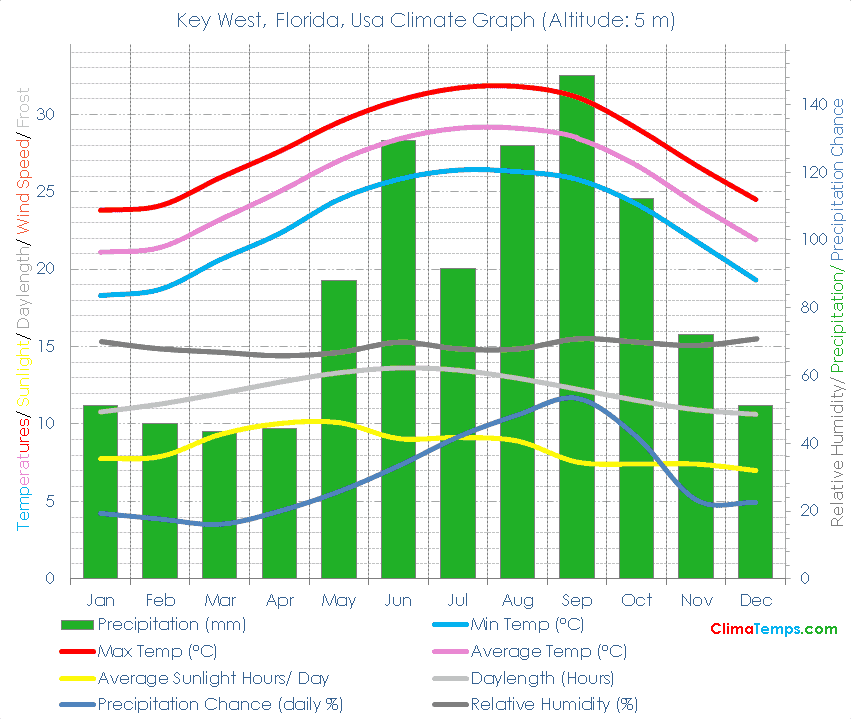
Key West experiences a tropical savanna climate, characterized by distinct wet and dry seasons, with minimal temperature variation throughout the year. Unlike many mainland destinations that endure harsh winters or sweltering summers, Key West enjoys a remarkably consistent warmth. This consistent subtropical weather makes it a year-round destination, appealing to those seeking an escape from colder climes. The influence of the surrounding ocean waters plays a pivotal role, moderating temperatures and preventing extreme highs and lows. The Gulf Stream, a powerful warm ocean current, flows nearby, contributing to the region’s perpetual summery feel.
Average Monthly Temperatures
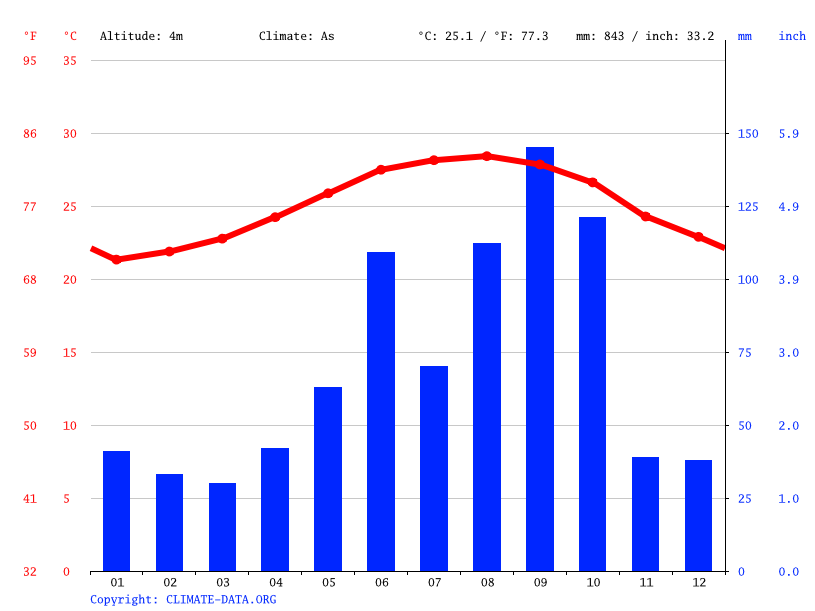
The average annual temperature in Key West hovers around a delightful 77°F (25°C). This figure, however, masks the subtle seasonal shifts that define the island’s climate.
-
Winter (December – February): Often considered the most pleasant time to visit, Key West’s winter is a stark contrast to the frigid temperatures experienced elsewhere in the country. Average daytime temperatures typically range from the low 70s to the mid-70s Fahrenheit (around 21-24°C). Evenings offer a comfortable coolness, dipping into the 60s Fahrenheit (15-20°C). This is the dry season, characterized by abundant sunshine and lower humidity, making it ideal for outdoor activities and exploring the charming streets of Old Town Key West. The refreshing sea breezes are a welcome respite from any lingering daytime warmth.
-
Spring (March – May): As winter gives way to spring, temperatures begin to steadily climb. March still offers very pleasant conditions, with averages in the mid-70s Fahrenheit (around 24°C). By April and May, daytime highs are frequently reaching the upper 70s and low 80s Fahrenheit (26-28°C), with evenings remaining comfortably warm in the high 60s and low 70s Fahrenheit (20-23°C). Humidity begins to increase during this period, hinting at the approaching wet season. The waters also start to warm, making them more inviting for swimming and water sports.
-
Summer (June – August): The summer months in Key West are synonymous with heat and humidity. Daytime temperatures consistently reach the low to mid-80s Fahrenheit (27-30°C), often feeling hotter due to the high humidity levels. Overnight lows typically stay in the pleasant 70s Fahrenheit (23-26°C). This is the heart of the wet season, meaning afternoon thunderstorms are common, though they usually pass quickly, leaving behind refreshed, humid air. Despite the heat and rain, the vibrant atmosphere of Key West persists, with many visitors embracing the tropical conditions.
-
Autumn (September – November): As summer transitions into autumn, the temperatures begin to moderate, though the warmth persists. September and October still experience significant heat and humidity, with daytime highs often in the low 80s Fahrenheit (27-29°C). However, the frequency and intensity of thunderstorms begin to decrease. By November, the climate starts to feel more like winter, with daytime temperatures settling back into the mid-70s Fahrenheit (around 24°C) and a noticeable drop in humidity. This is a beautiful time to visit as the peak summer heat subsides.
Humidity and “Feels Like” Temperature
While the actual temperature readings provide a baseline, the “feels like” temperature in Key West is heavily influenced by humidity. High humidity levels can make even moderate temperatures feel significantly warmer and more oppressive. Conversely, during cooler months, the lower humidity, combined with gentle sea breezes, can make the temperature feel even more pleasant and less clammy. Understanding this distinction is key to packing appropriately and managing expectations. For instance, a 75°F (24°C) day with 80% humidity will feel considerably warmer and more muggy than a 75°F (24°C) day with 50% humidity.
The Impact of Ocean Breezes
Key West’s location, surrounded by the Atlantic Ocean and the Gulf of Mexico, is its greatest climate asset. The prevailing easterly trade winds, especially during the cooler months, are a constant source of gentle, refreshing breezes. These winds play a crucial role in moderating temperatures, preventing the island from becoming excessively hot or stagnant. Even on the warmest summer days, the sea breeze can provide a welcome sense of relief. Visitors often comment on how these breezes make outdoor dining and exploring the vibrant streets of Duval Street so enjoyable.
Seasonal Variations and Visitor Planning
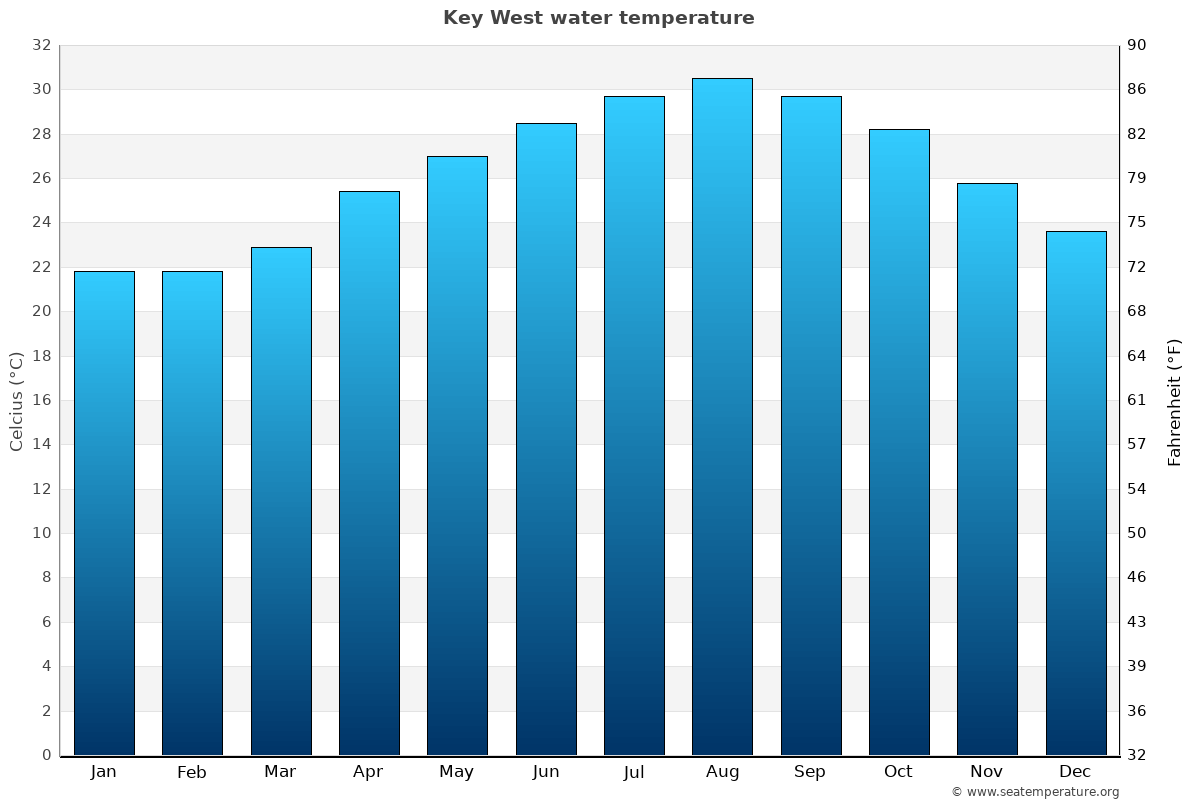
The temperature in Key West is a primary factor for many in deciding when to visit. Each season offers a distinct experience, and aligning your travel dates with your preferred climate conditions can significantly enhance your trip.
Peak Season vs. Off-Season
-
Peak Season (Winter and Spring Break): The period from December through April is generally considered the peak tourist season. This is due to the exceptionally pleasant weather, with lower humidity and comfortable temperatures, making it an ideal escape from colder climates. Consequently, accommodation prices are typically at their highest, and popular attractions can be more crowded.
-
Shoulder Seasons (Late Spring and Fall): The months of May and November represent excellent shoulder seasons. You can still enjoy warm weather, often with fewer crowds and slightly lower prices than the peak winter months. The transition periods offer a good balance of pleasant temperatures and a more relaxed atmosphere.
-
Low Season (Summer and Early Fall): The summer months, from June through August, and the early fall, particularly September and October, are typically considered the low season. This is primarily due to the higher temperatures and humidity, along with the increased possibility of afternoon rain showers and the hurricane season. However, this is also when you’ll find the best deals on accommodations and flights, and the island offers a more laid-back vibe. For travelers who don’t mind the heat and humidity, the low season can be a very attractive option.
Preparing for Key West’s Weather
Regardless of when you plan your visit, packing appropriately is essential for maximizing your enjoyment of Key West’s climate.
-
Clothing: Lightweight, breathable fabrics like cotton and linen are ideal year-round. Pack shorts, t-shirts, sundresses, and swimwear. For evenings, a light sweater or jacket might be appreciated during the winter months, especially if you plan to be out after sunset or dining in air-conditioned establishments. Comfortable walking shoes are a must, as you’ll likely be exploring on foot.
-
Sun Protection: The sun’s rays are strong in Key West, even on cloudy days. Sunscreen with a high SPF, a wide-brimmed hat, and sunglasses are essential items. Reapplying sunscreen regularly is crucial, especially after swimming or sweating.
-
Rain Gear: During the wet season (roughly June to November), a compact umbrella or a lightweight, waterproof rain jacket is advisable. While showers are often brief, they can be intense, and being prepared will allow you to continue your explorations without too much disruption.
-
Hydration: Staying hydrated is paramount, especially during the warmer months. Carry a reusable water bottle and refill it frequently. Avoid excessive consumption of dehydrating beverages like alcohol and caffeine when spending long periods in the sun.
Beyond the Numbers: Experiencing Key West’s Climate
The temperature in Key West is more than just a statistic; it’s the foundation of the island’s unique lifestyle and attractions. The warmth encourages a relaxed, outdoor-oriented way of life. Mornings are perfect for a stroll along the waterfront, afternoons for swimming or exploring historic sites like the Ernest Hemingway Home and Museum, and evenings for enjoying the sunset from Mallory Square or dining al fresco.
The consistent warmth means that outdoor activities are largely year-round. Snorkeling and diving in the clear waters around the Florida Keys National Marine Sanctuary are popular in all seasons, though water temperatures are warmest from May through October, typically in the high 70s to low 80s Fahrenheit (25-28°C). Kayaking and paddleboarding are also favored pastimes, offering a gentle way to experience the island’s coastline. Evenings on Duval Street or along the harbor are always pleasant, fostering a vibrant nightlife and dining scene.
Key West’s climate also dictates its flora and fauna. The tropical environment supports lush vegetation, including palm trees, bougainvillea, and hibiscus, which add to the island’s picturesque charm. Birdwatching is a popular activity, especially during migration seasons. The marine life is abundant, with coral reefs teeming with colorful fish, making it a paradise for divers and snorkelers. The warm waters also attract marine mammals such as dolphins and sea turtles.
In conclusion, the temperature in Key West is consistently warm, with a tropical rhythm that dictates its seasons. While the thermometer may show slight variations, the overarching theme is one of sunshine, gentle breezes, and an inviting climate that makes it a sought-after destination throughout the year. Whether you’re seeking a winter escape or a summer adventure, understanding the nuances of Key West’s temperature will help you plan the perfect trip to this enchanting island paradise.
LifeOutOfTheBox is a participant in the Amazon Services LLC Associates Program, an affiliate advertising program designed to provide a means for sites to earn advertising fees by advertising and linking to Amazon.com. Amazon, the Amazon logo, AmazonSupply, and the AmazonSupply logo are trademarks of Amazon.com, Inc. or its affiliates. As an Amazon Associate we earn affiliate commissions from qualifying purchases.