
No, Denver, Colorado is not in Central Time. Denver operates under Mountain Time (MT), a distinct time zone located to the west of the Central Time zone. For any traveler planning a visit to the Mile-High City, understanding its time zone is a fundamental piece of information, crucial for seamless trip planning, managing schedules, and mitigating the effects of time differences. This geographical and chronological detail impacts everything from flight arrivals to booking dining experiences and exploring Colorado’s stunning natural attractions.
Understanding Denver’s Time Zone: Mountain Time
Denver, like the rest of Colorado, adheres to Mountain Time. During standard time, this is observed as UTC-7, meaning it is seven hours behind Coordinated Universal Time. However, the temporal landscape shifts with the observance of Daylight Saving Time (DST). From early March until early November, Denver transitions to Mountain Daylight Time (MDT), which is UTC-6. During this period, clocks are moved forward by one hour, effectively making Denver six hours behind UTC.
The transition to Daylight Saving Time typically occurs on the second Sunday in March, when clocks spring forward. The return to standard time, Mountain Time, happens on the first Sunday in November, when clocks fall back. This practice, common across much of the United States, is designed to make better use of daylight hours. For travelers, especially those arriving from other time zones, being aware of whether Denver is currently observing MT or MDT is paramount. It dictates the actual time difference they will experience and directly impacts schedules for everything from airport transfers to museum visits. Neglecting this detail can lead to missed appointments, early or late arrivals, and unnecessary confusion during a trip.
The Significance of Time Zones for Travelers to Denver
For any visitor, understanding Denver’s time zone is far more than a geographical trivia point; it’s a critical element of travel planning and execution. The implications touch various aspects of a journey, from personal well-being to logistical precision.
Jet Lag Management
Travelers arriving in Denver from time zones further east or west will inevitably confront jet lag. For those originating from the Eastern Time Zone, Denver will be two hours behind, meaning a 10 AM departure from New York would see them arrive at 10 AM local time in Denver after a typical four-hour flight. This “gain” of two hours can initially feel beneficial but requires internal adjustment. Conversely, visitors from the Pacific Time Zone will find Denver one hour ahead, necessitating an adjustment to an earlier schedule. Recognizing this difference beforehand allows travelers to mentally prepare, adjust sleep schedules subtly before departure, and plan their initial days in Denver with less strenuous activities to acclimate. Hydration, exposure to natural light, and adjusting meal times can further aid in mitigating jet lag.
Planning Activities and Tours
The accuracy of your itinerary hinges entirely on correct time zone adherence. When booking activities like a tour of the Denver Art Museum, a craft beer tasting downtown, or an excursion to Rocky Mountain National Park, all listed times will be local Denver time. A miscalculation of even an hour can lead to missing your scheduled slot, which can be particularly frustrating for timed entry attractions or pre-booked tours with strict departure times.
Consider an early morning hike in the nearby foothills; if you mistakenly think Denver is in Central Time, you might set your alarm an hour too late, potentially missing crucial morning hours or your tour bus. Similarly, dinner reservations, show times at the Denver Center for the Performing Arts, or tickets to a Colorado Rockies game at Coors Field all operate on Mountain Time. Double-checking all confirmations against your understanding of local time is a best practice.
Business Travel Considerations
For business travelers, time zone awareness is critical for maintaining professional commitments. Scheduled conference calls with colleagues in New York or Los Angeles require careful conversion. A 9 AM meeting in Denver would be 11 AM in Eastern Time and 8 AM in Pacific Time. Miscommunication can lead to missed meetings, delayed decisions, and professional inconvenience. Setting calendar invites to automatically adjust for time zones is a smart strategy to avoid these pitfalls.

Public Transportation and Airport Schedules
Denver International Airport (DIA) is a major hub, and all flight arrival and departure times are unequivocally stated in Mountain Time. Connecting flights, especially for international travelers, require precise time management. Similarly, Denver’s comprehensive public transportation system, operated by RTD, adheres strictly to local time. Whether you’re taking the A Line train from DIA to Union Station or navigating the city with buses and light rail, all schedules are presented in Mountain Time or Mountain Daylight Time as applicable.
Geographical Context of Time Zones Across the U.S.
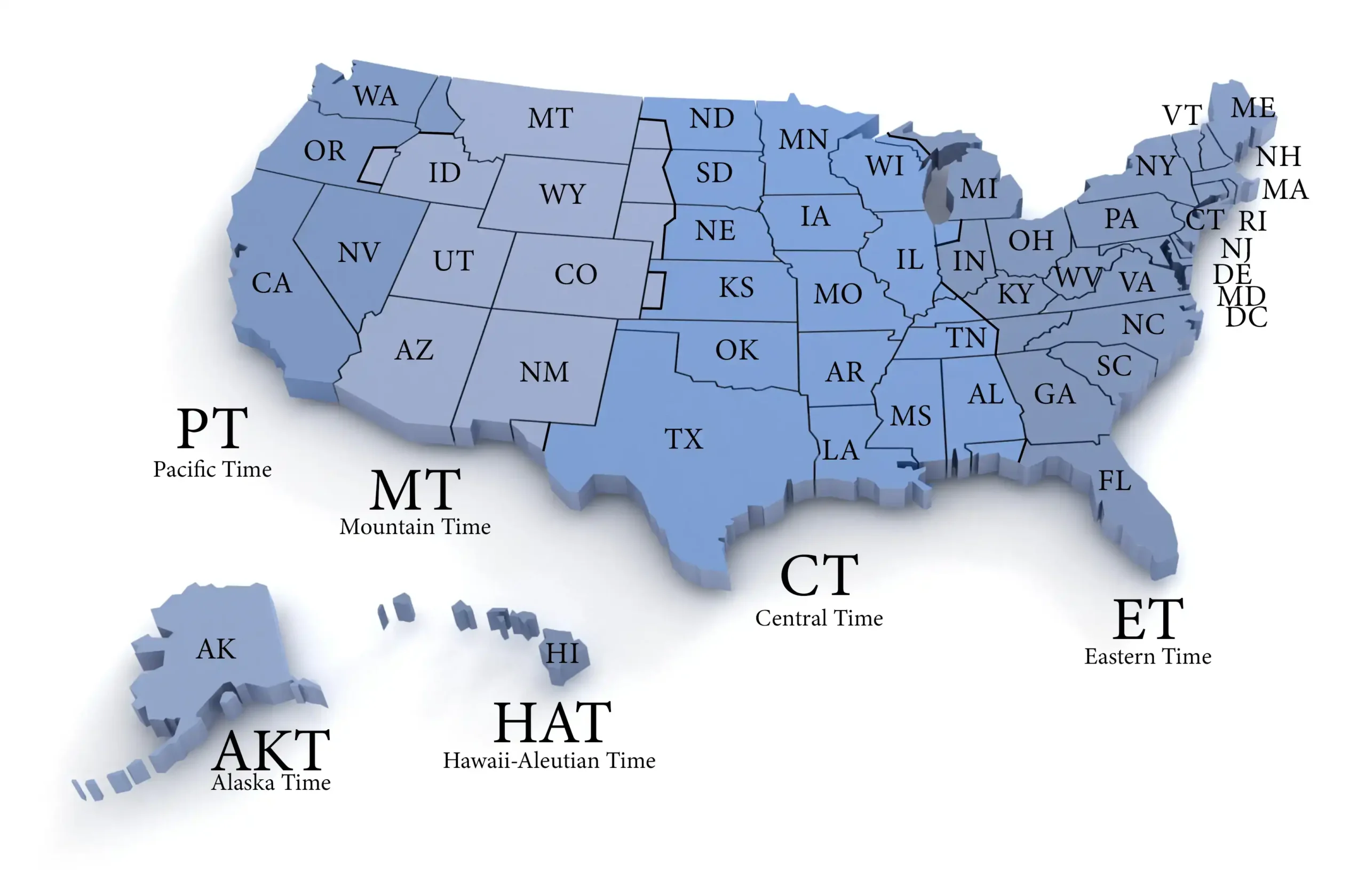
The continental United States is broadly divided into four primary time zones: Eastern Time (ET), Central Time (CT), Mountain Time (MT), and Pacific Time (PT). This division ensures that solar noon occurs roughly around midday across the country, optimizing daylight hours for daily activities.
The Eastern Time Zone encompasses the eastern seaboard and states further inland, including major cities like New York City, Washington D.C., and Miami. Moving west, the Central Time Zone covers a large swath of the midwest, including Chicago, Dallas, and New Orleans. It’s worth noting that some states, like Texas, Kansas, and North Dakota, straddle the boundary between Central Time and Mountain Time, with their westernmost parts often falling into MT. This geographical overlap might be a source of confusion for travelers, leading to questions like whether Denver lies within Central Time.
However, Colorado is entirely within the Mountain Time Zone. States that predominantly observe MT include Montana, Wyoming, Utah, New Mexico, and parts of Idaho and Arizona (though Arizona largely does not observe Daylight Saving Time, maintaining Mountain Standard Time year-round). Further west, the Pacific Time Zone encompasses the West Coast states like California, Oregon, and Washington. Understanding this broad layout helps contextualize Denver’s position and its two-hour difference from the East Coast and one-hour difference from the West Coast.
Practical Tips for Managing Time Differences While Traveling
Successfully navigating time differences is a hallmark of an organized traveler. For your trip to Denver, a few practical strategies can make a significant difference.
Before You Go
Verify All Scheduled Times: Double-check flight confirmations, hotel check-in/out times, rental car pick-up, and any pre-booked tours against Denver’s local time. Websites and booking platforms usually display times in the local zone of the service, but an explicit check can prevent mishaps.
Adjust Devices: Ensure your smartphone, tablet, and laptop are set to automatically update their time zones. Most modern devices do this seamlessly when connected to cellular or Wi-Fi networks, but a quick verification is prudent. This ensures your alarm clocks, meeting reminders, and communication timestamps are accurate.
Inform Contacts: If you’re traveling for an extended period, inform family, friends, or colleagues about your new time zone. This simple step avoids confusion when they try to reach you or expect responses.
During Your Trip
Wear a Local Time Watch: Many travelers find it helpful to wear a traditional wristwatch set to local Denver time, even if they rely on their phone. This provides a quick, unambiguous reference point.
Double-Check Opening Hours: When spontaneously deciding to visit an attraction, restaurant, or shop, always confirm their operating hours using local Denver time. Online searches usually display local times, but a quick call or website check can confirm if you are unsure.
Be Mindful of Communication: When communicating with people in different time zones, remember to do the conversion. A late-night text to a friend in Eastern Time could be an early morning disturbance for them.

Tools and Apps
World Clock Apps: Utilize dedicated world clock applications on your smartphone. These apps allow you to simultaneously display times for multiple cities, making cross-zone comparisons effortless.
Online Converters: Websites that offer time zone conversion tools are excellent for quick calculations. Simply input a time in one zone, and it will show you the corresponding time in Denver.
Smartphone Features: Most smartphones have built-in capabilities to show multiple time zones in the clock app, and calendar apps usually allow you to set meeting times in specific zones or automatically adjust.
By understanding that Denver, Colorado is firmly in the Mountain Time Zone, and by employing these practical tips, travelers can ensure their visit is smooth, enjoyable, and free from time-related missteps.
LifeOutOfTheBox is a participant in the Amazon Services LLC Associates Program, an affiliate advertising program designed to provide a means for sites to earn advertising fees by advertising and linking to Amazon.com. Amazon, the Amazon logo, AmazonSupply, and the AmazonSupply logo are trademarks of Amazon.com, Inc. or its affiliates. As an Amazon Associate we earn affiliate commissions from qualifying purchases.