
Planning a road trip or a quick getaway from the desert heat of Phoenix to the glittering lights of Las Vegas? Understanding the distance, travel times, and the various options available is key to a seamless journey. This guide delves into everything you need to know about traversing the approximately 300 miles that separate these two iconic American cities. Whether you’re opting for the open road, a quick flight, or a comfortable bus ride, we’ll help you determine the best way to reach Nevada’s entertainment capital.
The Road Trip: Distance, Time, and Scenic Stops
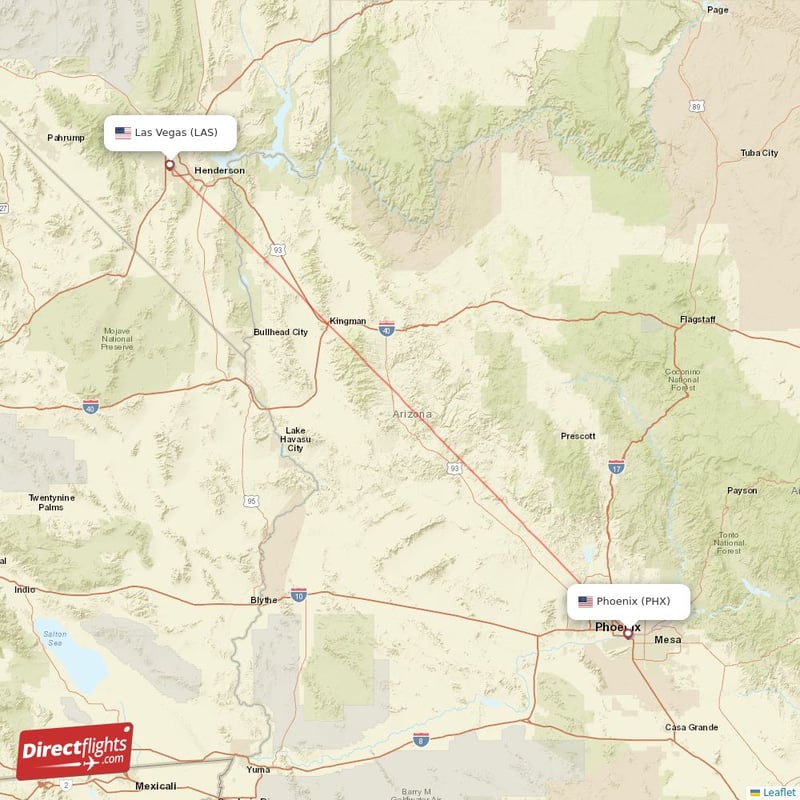
The most popular way to travel between Phoenix and Las Vegas is by car. The direct driving distance is approximately 295-305 miles, depending on your exact starting point in Phoenix and your chosen route into Las Vegas.

Driving Time and Routes
Under ideal traffic conditions and without stops, the drive typically takes between 4.5 to 5 hours. However, it’s crucial to factor in potential delays.
-
The Direct Route (I-10 W to US-93 N): This is the most common and straightforward route. You’ll begin by taking the I-10 West from Phoenix, which will eventually merge onto US-60 West. You’ll then transition to US-93 North. This highway will take you directly towards Las Vegas. The scenery along US-93 North is predominantly desert, with some mountainous terrain as you approach Nevada.
-
Alternative Route (I-17 N to US-93 N): Another option is to take I-17 North from Phoenix towards Flagstaff. From Flagstaff, you would then take US-93 North. This route is slightly longer but can be more scenic, especially if you’re interested in passing through the high desert region of northern Arizona. However, for direct travel to Las Vegas, the I-10 route is generally more efficient.
Key Considerations for Driving
- Fuel Stops: While major highways are well-serviced, it’s always wise to keep an eye on your fuel gauge, especially when traversing desert landscapes where services can be spread out. Towns like Wickenburg in Arizona offer convenient refueling opportunities.
- Rest Stops and Services: Along the route, you’ll find rest areas and small towns offering food, restrooms, and gas stations. Planning your stops can make the journey more comfortable.
- Traffic: Be aware of traffic leaving Phoenix during peak commuting hours. Similarly, traffic can build up entering Las Vegas, especially on weekends and holidays.
- Weather: Desert climates can experience extreme temperatures. In the summer, temperatures can soar well above 100°F (38°C). Ensure your vehicle’s air conditioning is in good working order. Winter months are milder but can bring occasional rain or even snow at higher elevations if you take the I-17 route. Always check weather forecasts before departing.
- Road Conditions: For the most part, the highways are well-maintained. However, it’s prudent to check for any road construction or unexpected closures before you leave.
Potential Stops Along the Way
While many travelers opt for a direct drive, there are a few points of interest if you have extra time or wish to break up the journey:
- Wickenburg, Arizona: Known as the “Rodeo Capital of Arizona,” Wickenburg offers a glimpse into the Old West with its historic downtown and Western-themed shops. It’s a good spot for a mid-morning break.
- Hoover Dam: Located on the border of Arizona and Nevada, the Hoover Dam is an engineering marvel and a significant historical landmark. You can take a tour or simply admire its imposing structure. It’s typically about a 4-hour drive from Phoenix and about an hour from Las Vegas. Stopping here can add significant time to your trip but offers a rewarding experience.
- Boulder City, Nevada: A charming historic town near the Hoover Dam, Boulder City was originally built to house workers for the dam project. It offers a quieter alternative to Las Vegas and is a pleasant place to stop for lunch.
Flying: The Fastest Route
For those prioritizing speed and convenience, flying is the most efficient method of travel between Phoenix and Las Vegas.
Airports and Flight Durations
- Phoenix Sky Harbor International Airport (PHX): This is Phoenix’s main airport, serving a multitude of domestic and international flights.
- McCarran International Airport (LAS): Located just southeast of the Las Vegas Strip, McCarran International Airport (now Harry Reid International Airport) is the primary gateway to Las Vegas.
The direct flight time between Phoenix and Las Vegas is remarkably short, usually around 1 hour to 1 hour and 15 minutes.
Total Travel Time: Beyond the Flight
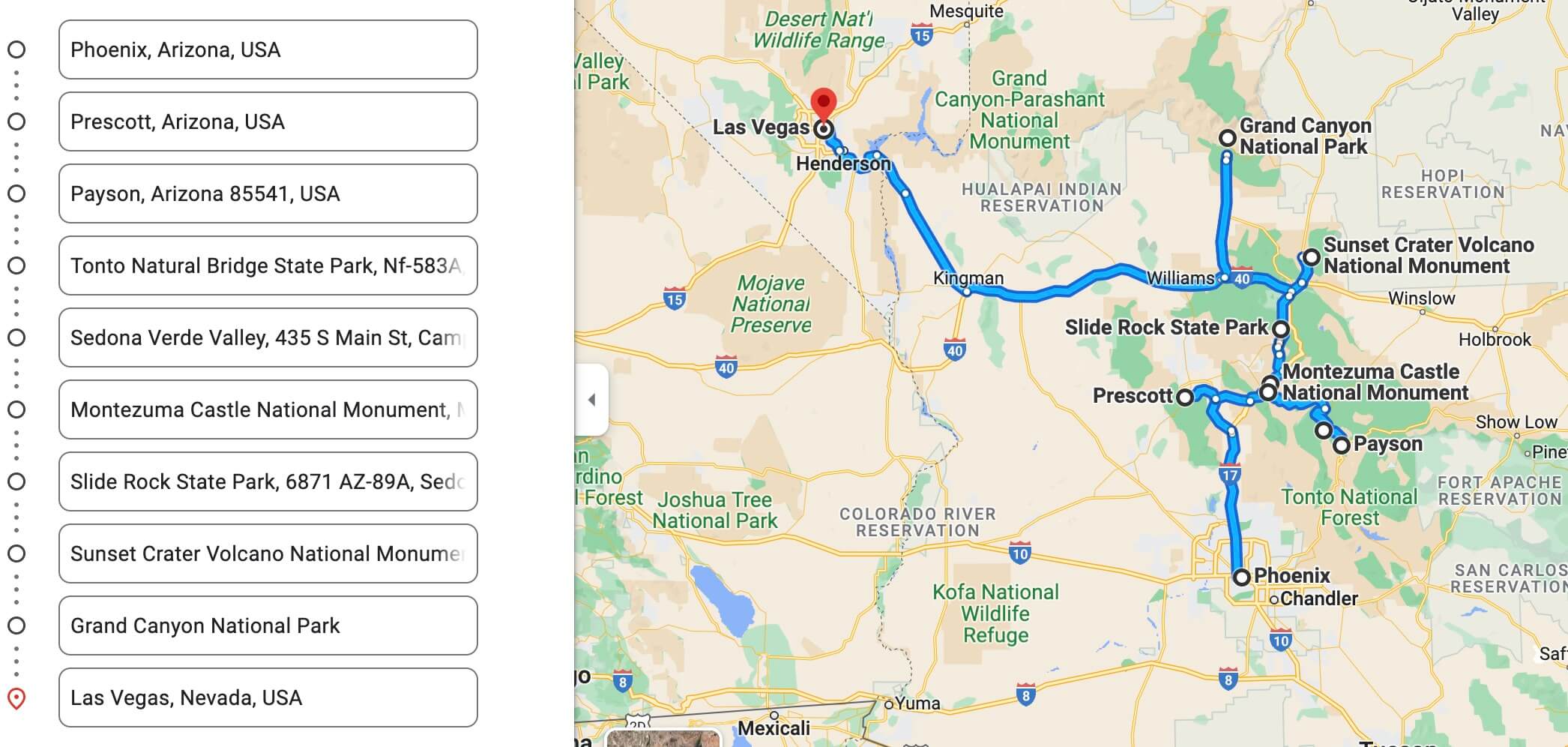
While the flight itself is brief, it’s essential to consider the total travel time when flying:
- Getting to the Airport: Allow ample time to travel from your location in Phoenix to Phoenix Sky Harbor International Airport (PHX). This can range from 15 minutes to over an hour depending on traffic and your starting point.
- Airport Procedures: Arrive at the airport at least 1.5 to 2 hours before your departure for domestic flights. This allows time for check-in, security screening, and getting to your gate.
- Flight Time: As mentioned, the flight itself is short.
- Deplaning and Baggage Claim: Upon arrival at McCarran International Airport (LAS), you’ll need time to exit the plane and collect any checked luggage.
- Ground Transportation from LAS: Once you’ve landed in Las Vegas, you’ll need to arrange transportation to your hotel or final destination. Options include taxis, ride-sharing services, shuttles, and rental cars. The airport is conveniently located close to the Strip, so this journey is usually relatively quick.
When factoring in all these elements, a flight from Phoenix to Las Vegas can realistically take 4-5 hours from door to door, similar to driving, but without the active engagement of navigating.
Airlines and Booking
Several airlines offer direct flights between Phoenix and Las Vegas, including major carriers and some regional airlines. Booking in advance, especially for weekend travel or during major events in Las Vegas, is recommended to secure better fares. Comparison websites and airline direct booking platforms are useful tools for finding the best deals.
Bus Travel: A Budget-Friendly Option
For travelers on a tighter budget, bus services offer a more economical way to get from Phoenix to Las Vegas.
Major Bus Operators and Routes
Companies like Greyhound and FlixBus typically operate routes connecting these two cities. The buses depart from Phoenix and arrive at designated terminals in Las Vegas.
Travel Time and Stops
Bus journeys are significantly longer than driving or flying. The travel time can range from 7 to 9 hours, depending on the specific route, the number of stops made, and traffic conditions. These routes often include scheduled stops in various towns along the way for passenger pick-ups and drop-offs, as well as for driver rest breaks and passenger comfort.
Advantages and Disadvantages
- Advantages: The primary advantage is cost. Bus tickets are generally much cheaper than flights or the combined cost of gas, potential overnight stays, and wear-and-tear on a vehicle for a road trip. It also allows passengers to relax, read, or sleep without the stress of driving.
- Disadvantages: The most significant drawback is the extended travel time. The journey can be tiring, and comfort levels may vary depending on the bus and seating. Bus terminals might also not be as conveniently located as airports for some travelers.
Booking and Considerations
Booking bus tickets in advance is advisable, especially during peak travel seasons. It’s also important to check the departure and arrival locations carefully to ensure they align with your needs. Consider bringing entertainment, snacks, and a neck pillow for a more comfortable journey.
Choosing Your Method: Factors to Consider
When deciding how to travel from Phoenix to Las Vegas, several factors should influence your choice:
- Time: If time is your most valuable asset, flying is the clear winner, despite the total door-to-door time being comparable to driving. If you have more flexibility, the road trip offers a more engaging experience.
- Budget: For the budget-conscious traveler, the bus is the most economical option. Driving can be cost-effective for groups or families, especially if you have a fuel-efficient vehicle. Flights can vary widely in price, so early booking is key.
- Experience: A road trip offers the freedom to explore, stop at points of interest, and enjoy the changing landscapes. Flying is about efficiency, and bus travel is about economical transit.
- Companions: Traveling with family or a group can make a road trip more enjoyable and cost-effective. Solo travelers might find flying or even the bus more straightforward.
- Luggage: If you’re bringing a lot of luggage, driving offers the most flexibility. Airlines have strict baggage allowances and fees.
Ultimately, the distance between Phoenix and Las Vegas is manageable by any of these methods, making it an accessible and popular destination for a wide range of travelers. Each option provides a unique travel experience tailored to different priorities.
LifeOutOfTheBox is a participant in the Amazon Services LLC Associates Program, an affiliate advertising program designed to provide a means for sites to earn advertising fees by advertising and linking to Amazon.com. Amazon, the Amazon logo, AmazonSupply, and the AmazonSupply logo are trademarks of Amazon.com, Inc. or its affiliates. As an Amazon Associate we earn affiliate commissions from qualifying purchases.