
For many, a trip to Las Vegas, Nevada isn’t complete without venturing into the stark, breathtaking beauty of Death Valley National Park. These two iconic destinations, while vastly different in their allure, are surprisingly close neighbors, offering a dramatic shift in scenery and experience. Understanding the distance and travel time between them is crucial for planning an efficient and enjoyable itinerary, whether you’re seeking the thrill of the desert or the glitz of the city.
The Direct Distance and Driving Routes
The most straightforward answer to “How far is Death Valley from Las Vegas, Nevada?” is approximately 120-140 miles, depending on your specific entry point into the park and your starting location in Las Vegas. This translates to a drive of roughly 2 to 3 hours, without significant traffic or lengthy stops.
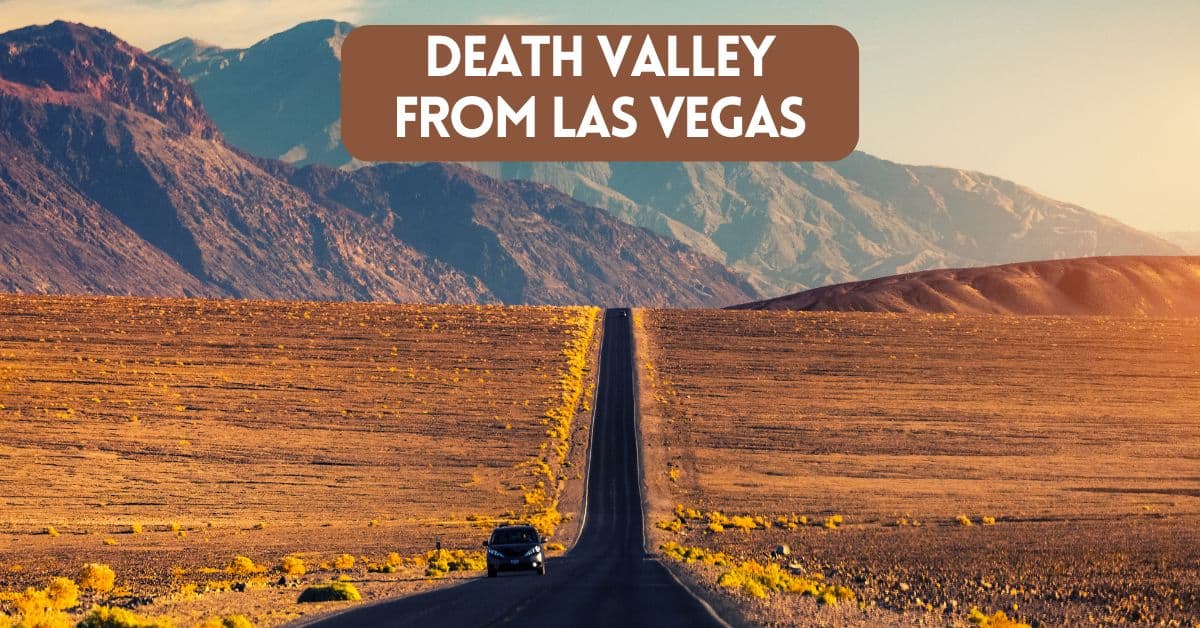
The primary route taken by most travelers involves heading west out of Las Vegas on U.S. Route 95 North. You’ll then typically turn off onto State Route 160 West towards Pahrump, Nevada. From Pahrump, you’ll continue on State Route 160, which eventually merges into State Route 190 West, the main artery that takes you directly into the heart of Death Valley National Park. This route is generally well-maintained and offers a scenic introduction to the changing landscapes.
Key Roadways and Considerations
- U.S. Route 95 North: This is the initial segment of the journey, a major highway that quickly takes you away from the urban sprawl of Las Vegas. Be mindful of traffic, especially if departing during peak hours.
- State Route 160 West: This stretch guides you through more rural Nevada, passing through towns like Pahrump. Services, such as gas stations and restaurants, become less frequent as you progress, so it’s advisable to fuel up and stock up on provisions before leaving Las Vegas or Pahrump.
- State Route 190 West: This is your gateway into Death Valley National Park. As you enter the park, the road conditions can vary, and it’s essential to drive cautiously, especially on unpaved sections or in areas with potential wildlife crossings.
Important Note: While the mileage might seem short, the drive can take longer than anticipated due to road conditions, potential for strong winds, and the need to stop for photos of the vast, unfolding vistas. Always allow for buffer time in your travel plans.
Factors Influencing Travel Time
Several factors can influence how long it actually takes to make the journey from Las Vegas to Death Valley National Park. Understanding these will help you manage expectations and plan your day more effectively.
Traffic and Time of Day
Las Vegas is a major metropolitan area and a global tourist hub. Traffic congestion can be a significant factor, particularly during weekday rush hours (typically 7-9 AM and 4-6 PM) and on weekends when locals and tourists alike are heading out for leisure activities. Departing Las Vegas early in the morning or later in the afternoon can help you avoid the worst of the traffic. Conversely, entering Death Valley National Park during peak tourist seasons (spring and fall) might mean slower travel within the park itself due to the number of vehicles visiting popular viewpoints.
Weather Conditions
The desert environment is subject to dramatic weather changes. While Death Valley is known for its extreme heat in the summer months, other conditions can impact travel:
- Monsoon Storms: During the late summer and early fall, sudden and intense thunderstorms can occur. These can lead to flash floods, making certain roads impassable and significantly delaying travel. Always check weather forecasts and park road conditions before and during your trip.
- Dust Storms: Wind can whip up dust and sand, reducing visibility to near zero. If you encounter a dust storm, it’s safest to pull over to a safe location and wait for conditions to improve.
- Extreme Heat: While not directly impacting travel time on the roads in terms of duration, the extreme heat of Death Valley, especially during summer, necessitates careful planning for your vehicle’s cooling system and your own hydration. This is more about preparation than direct travel delays.
Vehicle Choice and Condition
The type of vehicle you drive can also play a role. While most major roads within Death Valley National Park are paved, many of the most scenic and remote areas require a high-clearance vehicle, and sometimes even a 4×4. If your plan includes exploring these off-the-beaten-path locations, a standard sedan might not be suitable, and you might need to stick to the main paved routes, which could influence your route and thus travel time to specific points of interest. Ensuring your vehicle is in good working order, especially its tires, brakes, and cooling system, is paramount for a safe journey in this demanding environment.
Entry Points and Park Highlights
Death Valley National Park is vast, and the point at which you enter the park will dictate your initial experience and the accessibility of its famous landmarks. Traveling from Las Vegas via the routes described earlier, you’ll likely enter the park from the east, near Furnace Creek.
Furnace Creek Area
The Furnace Creek area is the administrative and visitor hub of the park, making it a natural starting point for many visitors. From Las Vegas, this is typically your first major point of contact within the park. Here, you can find:
- Death Valley Visitor Center: Essential for obtaining maps, information on ranger programs, and current conditions.
- Oasis at Death Valley: This historic resort complex offers lodging, dining, and amenities, providing a comfortable base for exploring the park.
- Badwater Basin: The lowest point in North America, famous for its vast salt flats and surreal landscape. It’s a must-visit and easily accessible from Furnace Creek.
- Zabriskie Point: Known for its iconic badlands vistas, especially stunning at sunrise and sunset.
- Artist’s Drive and Artist’s Palette: A scenic loop road offering vibrant, colorful rock formations.
Exploring Beyond the Main Hub
Once you’ve explored the immediate vicinity of Furnace Creek, you can venture further into the park, keeping in mind the distances and driving times can increase significantly.
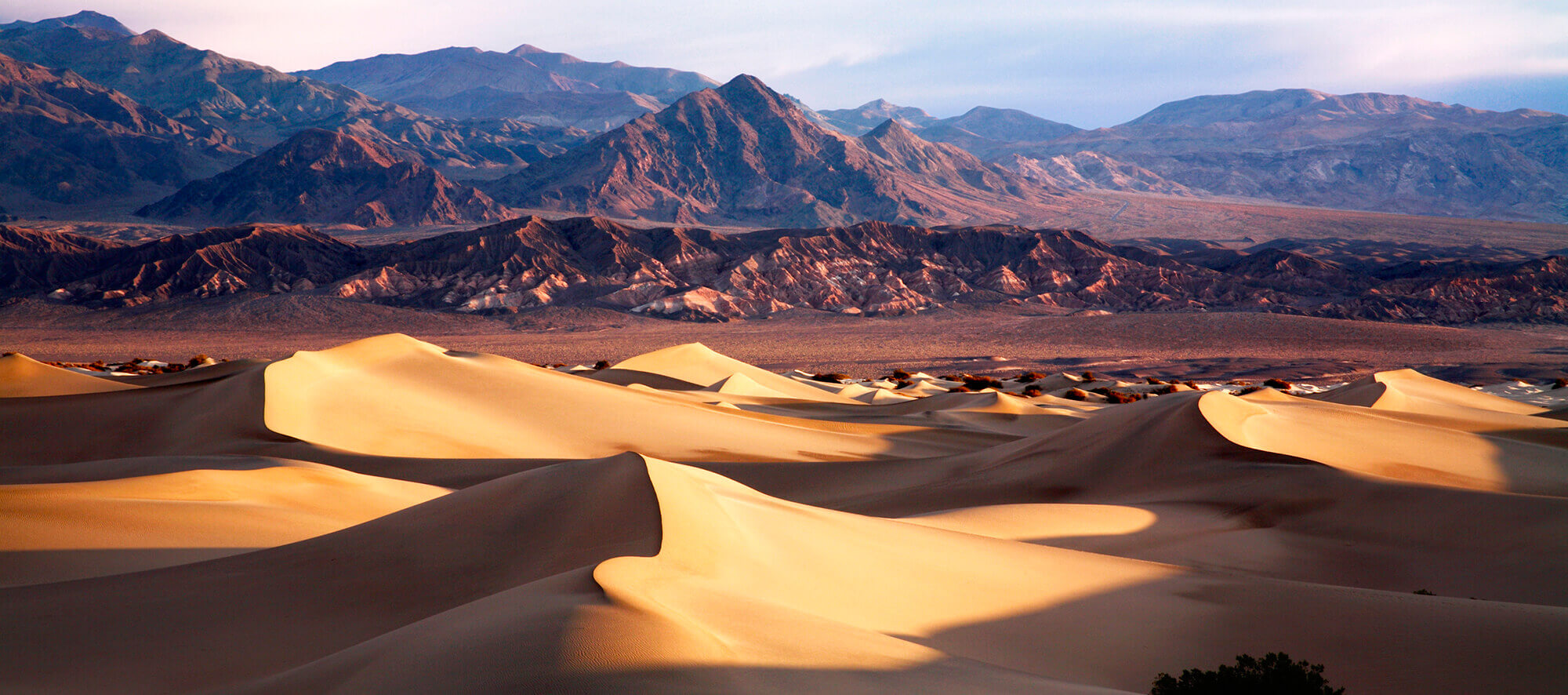
- Stovepipe Wells: Located on the western side of the park, this area offers lodging and access to the stunning Mesquite Flat Sand Dunes. The drive from Furnace Creek to Stovepipe Wells is about 30-45 minutes.
- Scotty’s Castle: (Currently closed for repairs due to flood damage, check the NPS website for updates). This historic site in the northern part of the park offers a glimpse into the life of a prospector and a mysterious millionaire. The drive from Furnace Creek to the vicinity of Scotty’s Castle is approximately 1.5-2 hours on paved roads.
- Ubehebe Crater: A large volcanic crater in the northern part of the park, accessible via a dirt road. This requires a high-clearance vehicle and adds significant time to your exploration from the main park areas.
Planning your entry point and knowing which attractions are near each other can help you maximize your time in Death Valley National Park and make the most of the journey from Las Vegas.
Maximizing Your Day Trip or Overnight Stay
Given the driving distance, many visitors choose to make a day trip from Las Vegas to Death Valley, while others opt for an overnight stay to fully immerse themselves in the park’s unique environment. Both approaches require careful planning.
Day Trip Essentials
If you’re undertaking a day trip, efficiency is key.
- Early Departure: Aim to leave Las Vegas as early as possible, ideally before sunrise. This allows you to beat the heat, avoid traffic, and maximize your daylight hours in the park.
- Focused Itinerary: Prioritize your must-see locations. Trying to cram too much into a single day will result in a rushed and less enjoyable experience. Focus on the Furnace Creek area for a taste of the park’s most iconic sights.
- Pack Essentials: Bring plenty of water, snacks, sunscreen, hats, and comfortable walking shoes. There are limited services within the park, especially outside of the main visitor areas.
- Vehicle Check: Ensure your car is in good condition. A full tank of gas is essential, as are working air conditioning and a reliable spare tire.
Overnight Stays for Deeper Exploration
An overnight stay allows for a more relaxed and comprehensive exploration of Death Valley.
- Accommodation Options: Lodging within the park is limited but offers a unique experience. The Oasis at Death Valley (formerly Furnace Creek Inn and Ranch) provides comfortable rooms and amenities. Alternatively, camping is available at various designated campgrounds. For more options, consider staying in nearby towns like Pahrump or even returning to Las Vegas for more extensive hotel choices.
- Evening and Morning Programs: Staying overnight allows you to experience the park at different times of day. Sunrises and sunsets in Death Valley are legendary, offering a spectacular display of colors across the desert landscape. Stargazing is also phenomenal due to the lack of light pollution.
- Exploring Further: With more time, you can venture to more remote areas, explore hiking trails, or even drive to Stovepipe Wells for a different perspective.
Whether you choose a day trip or an overnight adventure, the proximity of Death Valley National Park to Las Vegas, Nevada makes it an accessible and unforgettable addition to any trip to the region. Planning your route, understanding potential delays, and preparing for the desert environment are the keys to a successful and memorable journey into this extraordinary national treasure.
LifeOutOfTheBox is a participant in the Amazon Services LLC Associates Program, an affiliate advertising program designed to provide a means for sites to earn advertising fees by advertising and linking to Amazon.com. Amazon, the Amazon logo, AmazonSupply, and the AmazonSupply logo are trademarks of Amazon.com, Inc. or its affiliates. As an Amazon Associate we earn affiliate commissions from qualifying purchases.