
Puerto Rico, a vibrant Caribbean archipelago, stands at a complex geopolitical crossroads, grappling with a question that has echoed for generations: statehood or independence. This perennial debate isn’t merely an abstract political discussion; it profoundly influences the island’s identity, its economic trajectory, and the very experiences available to visitors exploring its shores. For travelers drawn to the unique blend of Caribbean charm and American influence, understanding this political quandary offers a deeper appreciation for the island’s cultural tapestry and the aspirations of its people.
The Enduring Political Spectrum
The quest for a definitive answer to Puerto Rico’s status has been a defining feature of its modern history. The island, a U.S. territory since the Spanish-American War in 1898, has held several non-binding plebiscites to gauge public opinion. Each has yielded varied results, reflecting a deeply divided populace and the intricate nuances of the arguments for each path.

Statehood: Integration and Full Citizenship
Advocates for statehood envision Puerto Rico becoming the 51st state of the United States. This option promises full U.S. citizenship for all residents, an end to the current territorial status where citizens are subject to U.S. laws but lack full congressional representation and voting rights in presidential elections. Proponents argue that statehood would bring economic parity, with increased federal funding, access to federal programs currently limited or unavailable, and potentially greater investment opportunities.
For the tourism sector, statehood could mean enhanced infrastructure, greater federal investment in attractions like El Yunque National Forest or the historic forts of [Old San Juan](https://lifeoutofthebox.com/old-san- જુ an), and a more streamlined regulatory environment that could attract larger hotel chains and resort developers. The assumption of a more stable and integrated economic future might also bolster consumer confidence for international travelers considering a visit. Some believe it would solidify Puerto Rico‘s position as a premier destination within the U.S. tourism market, offering a distinctly Caribbean flavor with the ease of domestic travel. The potential for increased direct flights from mainland cities and more robust marketing campaigns funded at the federal level are often cited benefits. Furthermore, as a state, Puerto Rico would be subject to the same federal labor laws and environmental protections, which could be seen as a positive for sustainable tourism initiatives.
Independence: Sovereignty and Cultural Preservation
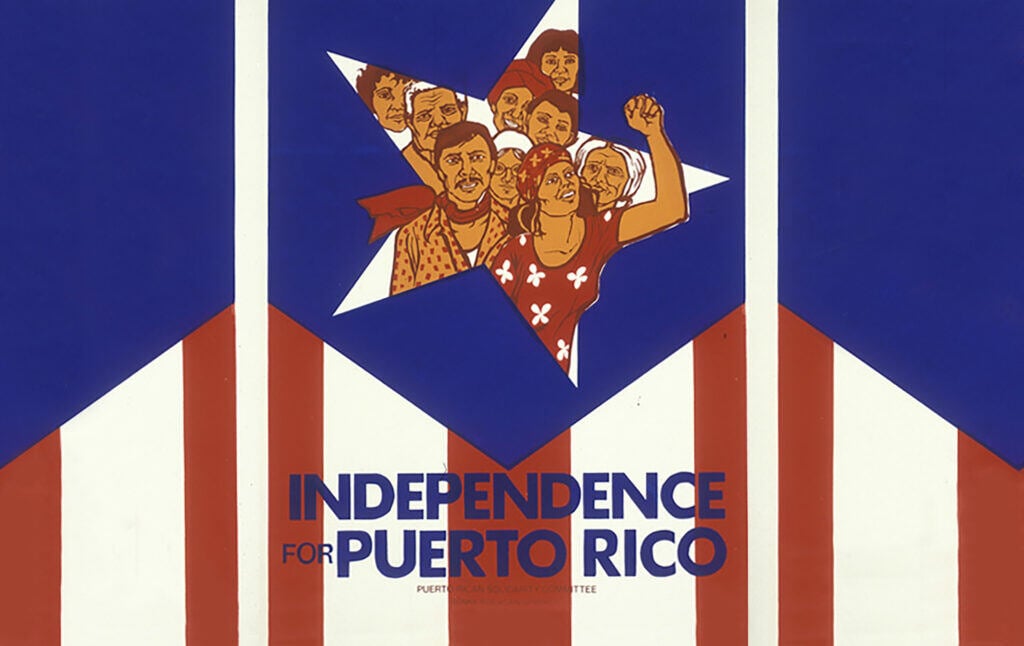
On the other end of the spectrum lies the aspiration for full independence, where Puerto Rico would become a sovereign nation, severing its political ties with the United States. This option appeals to those who champion national identity, cultural distinctiveness, and the right to self-determination. Proponents of independence argue that it would allow Puerto Rico to forge its own foreign policy, establish unique trade agreements, and fully embrace its rich Afro-Caribbean heritage without the constraints of territorial status.
From a tourism perspective, independence could herald an era of unique cultural branding. Imagine a Puerto Rico that actively promotes its distinct national identity, celebrating its Taino, Spanish, and African roots with intensified vigor. This could translate into more authentic cultural experiences, from immersive music and dance festivals in towns like Ponce to a focus on traditional cuisine and artisanal crafts. Independent tourism boards could tailor marketing strategies to highlight what makes Puerto Rico truly unique on the global stage, potentially attracting travelers seeking deeper cultural immersion rather than simply a beach resort experience. The narrative of a self-governing nation might also resonate with a segment of travelers interested in supporting developing economies and experiencing places with a strong sense of local pride and autonomy. This path could also see a diversification of international partnerships, attracting tourists from a wider array of countries and fostering a more global tourism footprint. The potential for developing unique visa policies or travel packages could also be explored, catering to specific international markets.

Enhanced Commonwealth: A Middle Ground
A third significant perspective advocates for an enhanced version of the current Commonwealth status. This option seeks to retain ties with the United States while gaining more autonomy in internal affairs and a greater share of federal funds, without necessarily pursuing full statehood or complete independence. Proponents of this middle ground aim to leverage the benefits of U.S. protection and economic connections while preserving a distinct cultural identity and greater self-governance.
For the tourism industry, an enhanced Commonwealth could mean continued access to U.S. federal funding for infrastructure and conservation projects, which are crucial for maintaining and developing tourist attractions like the bioluminescent bays of Vieques or the historic sites in San Juan. It could also allow for greater flexibility in developing unique tourism policies that align with Puerto Rico’s specific cultural and economic needs, potentially fostering niche tourism markets such as eco-tourism, wellness retreats, or cultural heritage tours that are deeply rooted in the island’s traditions. This approach might offer a stable, yet uniquely Caribbean, travel experience that balances familiar U.S. conveniences with distinct local flavor, appealing to a broad range of visitors. The ability to maintain U.S. currency and established travel routes, while simultaneously developing bespoke cultural programming, could present an attractive proposition for both travelers and investors in the tourism sector.
The Impact on the Traveler’s Experience
Regardless of the ultimate political resolution, the ongoing debate shapes Puerto Rico’s present and future, influencing everything from the infrastructure visitors encounter to the cultural narratives they engage with. Understanding these aspirations provides context for the island’s dynamic character.
Cultural Richness and Resilience
The resilience of Puerto Rican culture is evident across the island, from the vibrant street art of Santurce to the rhythmic beats of bomba and plena music emanating from local establishments. The ongoing political discourse, rather than diminishing this richness, often amplifies it, as cultural expression becomes a powerful means of asserting identity and aspirations. Visitors can experience this firsthand by exploring the historic streets of [Old San Juan](https://lifeoutofthebox.com/old-san- જુ an), sampling the diverse culinary scene from mofongo to pasteles, or immersing themselves in the lively atmosphere of a local festival. The discussions about status can even subtly influence the narrative presented at cultural institutions and historical sites, offering a more nuanced understanding of the island’s journey.
Economic Realities and Tourism Development
The economic implications of Puerto Rico’s political status are substantial and directly affect its tourism infrastructure. For decades, the island has grappled with economic challenges, which have sometimes impacted the pace of development for hotels, resorts, and attractions. Debates about statehood or independence often center on potential shifts in federal funding, tax policies, and foreign investment, all of which can influence the quality and availability of tourist accommodations and experiences. For instance, significant federal investment, often associated with statehood, could lead to upgrades in transportation networks and public facilities, benefiting tourist accessibility. Conversely, a move towards independence might necessitate a greater reliance on private investment and international partnerships, potentially leading to a more curated and distinct tourism product. The ongoing uncertainty can sometimes create a hesitant investment climate, but it also fosters innovation and a deep sense of local entrepreneurship within the tourism sector, with many small businesses and boutique hotels thriving on their unique charm and authenticity. The desire for economic stability, often a core tenet of the statehood argument, could translate into more predictable pricing and a wider array of services. However, the allure of a distinct national identity, central to independence, might inspire the development of unique, culturally immersive tourism offerings that set Puerto Rico apart.
The Political Landscape and Destination Perception
The political status debate inevitably influences how Puerto Rico is perceived internationally and even domestically within the United States. Travelers often seek destinations that offer a sense of stability and clarity. The persistent questions surrounding Puerto Rico’s future can, at times, create an impression of uncertainty. However, it is also this very complexity that lends Puerto Rico its unique appeal. It is a place where history is palpable, where political discussions are woven into the fabric of daily life, and where the pursuit of self-definition is a constant, living narrative. For the intrepid traveler, this dynamism offers a richer, more engaging experience than a destination with a settled and static identity. It presents an opportunity to witness a society actively shaping its own destiny, a process that is intrinsically fascinating. The political discourse is not a barrier to enjoyment but rather an integral part of understanding the spirit and soul of the island. From the bustling markets of [San Juan](https://lifeoutofthebox.com/san- જુ an) to the serene beaches of Culebra, the island’s people, in their enduring discussions about their future, contribute to the unique tapestry that makes Puerto Rico such a compelling destination.
LifeOutOfTheBox is a participant in the Amazon Services LLC Associates Program, an affiliate advertising program designed to provide a means for sites to earn advertising fees by advertising and linking to Amazon.com. Amazon, the Amazon logo, AmazonSupply, and the AmazonSupply logo are trademarks of Amazon.com, Inc. or its affiliates. As an Amazon Associate we earn affiliate commissions from qualifying purchases.