
Navigating the journey from the Golden State to the Entertainment Capital of the World involves more than just mileage; it’s about understanding the various routes, travel times, and considerations that make the trip seamless and enjoyable. Las Vegas beckons with its dazzling lights, world-class entertainment, and a unique atmosphere, making it a popular getaway for Californians. Whether you’re planning a spontaneous weekend escape or a meticulously organized vacation, knowing the distances and best ways to travel is paramount to a successful adventure. This guide delves into the specifics of reaching Las Vegas from different points within California, offering insights into driving, flying, and other transportation options.
Driving Distances and Routes
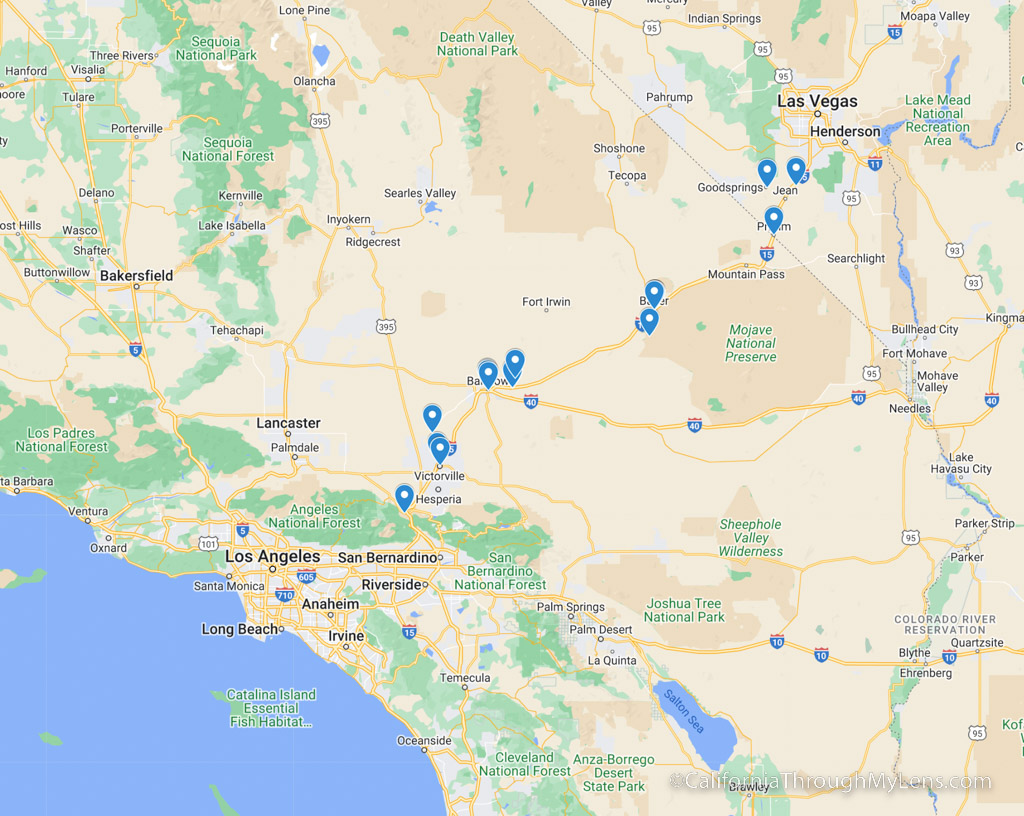
The allure of a road trip often lies in the freedom it provides, allowing travelers to set their own pace and discover scenic vistas along the way. Las Vegas is remarkably accessible by car from various major cities in California. The primary routes are well-maintained and offer a straightforward drive, though traffic and specific starting points can influence travel times significantly.
Los Angeles to Las Vegas
Perhaps the most common route, the drive from Los Angeles to Las Vegas is a quintessential California to Nevada excursion. The distance is approximately 270 miles, typically taking around 4 to 5 hours of driving time, depending heavily on traffic, especially when departing or arriving during peak hours.
- Route: The most direct route is via the I-15 North. This freeway is a major artery and is generally well-signposted. Travelers will depart Los Angeles and head northeast through the Inland Empire, eventually entering the Mojave Desert. The scenery shifts dramatically from urban sprawl to arid desert landscapes, offering a unique visual transition.
- Stops: Along the I-15, there are several opportunities for brief stops. Popular choices include the Calico Ghost Town near Yermo, which offers a glimpse into California’s mining history, or the Seven Magic Mountains art installation for a quirky photo opportunity. Service areas and fast-food restaurants are also readily available for refueling and refreshments.
- Considerations: Driving through the desert requires vigilance, particularly during summer months when temperatures can soar. It’s advisable to ensure your vehicle’s cooling system is in good condition, and to carry plenty of water. Additionally, be aware of speed limits, which can vary, and potential for occasional dust storms.
San Francisco to Las Vegas
For those venturing from Northern California, the journey to Las Vegas is considerably longer but offers diverse scenery. The distance is approximately 560 miles, and the drive typically takes between 9 to 10 hours without significant stops.
- Route: The most common route involves taking the US-101 South or I-5 South out of the San Francisco Bay Area towards Southern California, then connecting to the I-15 North. An alternative, though often longer, route can take travelers eastward through Yosemite National Park (seasonal access) or other mountainous regions before heading south.
- Stops: This extended drive offers ample opportunities for exploration. Travelers might consider breaking up the journey with an overnight stay in a city like Bakersfield or Fresno. Along the I-5, options for rest stops are plentiful. If taking a more scenic, eastward route, destinations like Death Valley National Park (though this adds significant time and requires careful planning) could be integrated.
- Considerations: The drive from San Francisco is a significant undertaking. Planning for overnight stops is highly recommended to avoid driver fatigue. Vehicle maintenance is crucial, especially for longer hauls through varying terrains.
San Diego to Las Vegas
From Southern California’s coastal charm to the desert allure, the drive from San Diego to Las Vegas is a popular option. The distance is around 330 miles, with an estimated driving time of 5 to 6 hours, again subject to traffic conditions, particularly around the San Diego and Los Angeles metropolitan areas.
- Route: The primary route involves heading north on I-15. Travelers will typically take I-805 North or I-5 North to connect to the I-15 North, passing through Orange County and the eastern parts of the Los Angeles area before entering the desert.
- Stops: Similar to the Los Angeles to Las Vegas drive, stops can be made along the I-15. The Temecula Valley wine region offers a pleasant detour for those with extra time, or smaller towns along the route provide basic amenities.
- Considerations: Navigating out of San Diego and through the southern reaches of Los Angeles can involve significant traffic congestion. Planning your departure to avoid rush hours is advisable.
Flying: The Swift Alternative
For those prioritizing speed and efficiency, flying offers a significantly faster way to reach Las Vegas from California. The McCarran International Airport (now Harry Reid International Airport, but commonly referred to by its former name in travel discussions) in Las Vegas (LAS) is a major hub served by numerous airlines.
Flights from Major Californian Airports
- Los Angeles Area Airports: From Los Angeles International Airport (LAX), Hollywood Burbank Airport (BUR), Long Beach Airport (LGB), and Orange County John Wayne Airport (SNA), numerous daily flights are available to Las Vegas. Flight times are typically around 1 hour and 15 minutes to 1 hour and 30 minutes. The total travel time, including airport procedures, can range from 4 to 6 hours from door to door.
- San Francisco Bay Area Airports: Flights from San Francisco International Airport (SFO) and Oakland International Airport (OAK) to Las Vegas are frequent. Flight duration is slightly longer, usually around 1 hour and 45 minutes to 2 hours. Total travel time can be in the 5 to 7-hour range.
- San Diego International Airport: Direct flights from San Diego International Airport (SAN) to Las Vegas are readily available, with flight times similar to those from the Los Angeles area.
Considerations for Flying
- Booking: Early booking is often recommended, especially for popular travel dates, to secure better fares. Various airlines, including major carriers and low-cost options, operate these routes.
- Airport Transfers: Upon arrival in Las Vegas, transportation options include taxis, ride-sharing services, hotel shuttles, and rental cars, facilitating your onward journey to your accommodation.
- Cost: While generally more expensive than driving when considering only fuel and wear-and-tear, flying can be cost-competitive when factoring in the value of time saved and potential savings on overnight stays for longer driving trips.
Alternative Transportation Options
While driving and flying are the most prevalent methods, other transportation choices cater to different preferences and needs for traveling from California to Las Vegas.
Bus Services
Several bus companies offer services from various California cities to Las Vegas. This can be a budget-friendly option, though it is the slowest mode of transport.
- Companies: Providers like Greyhound and other regional carriers operate routes from major hubs like Los Angeles, San Francisco, and San Diego.
- Travel Time: Bus journeys can range from 7 hours to over 12 hours, depending on the starting point and the number of stops.
- Considerations: While economical, bus travel sacrifices comfort and speed. It’s best suited for travelers with ample time who are prioritizing cost savings above all else.
Train Travel
Train travel from California to Las Vegas is not as direct or convenient as other options. Currently, there is no direct train service. Travelers would typically need to take Amtrak trains to a connecting point and then arrange for alternative transport for the final leg.
- Route: Amtrak offers routes to Southern California and then would require connecting to bus services or arranging car services for the remainder of the journey to Las Vegas. The Brightline West project aims to create a high-speed rail link between Southern California and Las Vegas in the future, which would revolutionize this travel option.
- Considerations: Train travel is currently not a practical primary option for reaching Las Vegas from California due to the lack of direct routes and the necessity of multiple transfers.
Preparing for Your Las Vegas Journey
Regardless of your chosen mode of transport, thorough preparation is key to a stress-free trip from California to Las Vegas. Understanding the distances and travel times is the first step, but considering other factors will enhance your overall experience.
Weather and Packing
Las Vegas experiences extreme desert climate. Summers (June-August) are intensely hot, with temperatures frequently exceeding 100°F (38°C). Winters (December-February) are mild to cool, with average highs in the 50s and 60s°F (10-20°C) and occasional colder nights. Spring and fall offer pleasant, moderate temperatures.
- Summer Travel: Pack light, breathable clothing, a wide-brimmed hat, sunglasses, and high SPF sunscreen. Stay hydrated and limit strenuous outdoor activities during the hottest parts of the day.
- Winter Travel: Layers are recommended. Include sweaters, jackets, and comfortable long pants. While it rarely snows in the city, temperatures can drop significantly at night.
- General Packing: Comfortable walking shoes are essential, as you’ll likely be doing a lot of exploring. Don’t forget any necessary medications, chargers for electronics, and personal entertainment for the journey.
Vehicle Preparation for Road Trips
For those opting for a road trip, ensuring your vehicle is in optimal condition is non-negotiable.
- Check Fluids: Ensure engine oil, coolant, brake fluid, and windshield wiper fluid are at appropriate levels.
- Tires: Check tire pressure, including the spare, and ensure they have adequate tread depth.
- Brakes: Have your brake pads and rotors inspected.
- Emergency Kit: Pack a basic emergency kit including jumper cables, a first-aid kit, a flashlight, and non-perishable snacks.
Accommodation and Itinerary Planning
Las Vegas offers a vast array of accommodation options, from budget-friendly motels to ultra-luxury resorts. Booking your hotel in advance, especially if traveling during major events or holidays, is highly recommended. Consider the location of your hotel in relation to the attractions you wish to visit, whether it’s on the Las Vegas Strip or in a more off-Strip area. Planning a rough itinerary can help maximize your time and ensure you experience the diverse offerings of this unique destination, from its iconic casinos and world-class shows to its burgeoning culinary scene and nearby natural wonders.
LifeOutOfTheBox is a participant in the Amazon Services LLC Associates Program, an affiliate advertising program designed to provide a means for sites to earn advertising fees by advertising and linking to Amazon.com. Amazon, the Amazon logo, AmazonSupply, and the AmazonSupply logo are trademarks of Amazon.com, Inc. or its affiliates. As an Amazon Associate we earn affiliate commissions from qualifying purchases.