
Planning a trip from the vibrant desert city of Tucson to the dazzling entertainment capital of the world, Las Vegas, involves more than just a simple distance calculation. It’s about understanding the journey, the potential routes, the time commitment, and the unique experiences that lie between these two iconic American locales. Whether you’re seeking the thrill of the casinos on the Strip, the allure of world-class shows, or the breathtaking natural landscapes that dot the Southwest, knowing the practicalities of your travel is paramount. This guide delves into the distance, driving times, and alternative travel options, offering insights to help you chart your course effectively.
The Direct Route: Driving from Tucson to Las Vegas
The most common and straightforward way to travel between Tucson and Las Vegas is by car. This road trip offers a unique perspective on the American Southwest, allowing for spontaneous stops and the enjoyment of diverse scenery.
Distance and Estimated Driving Time
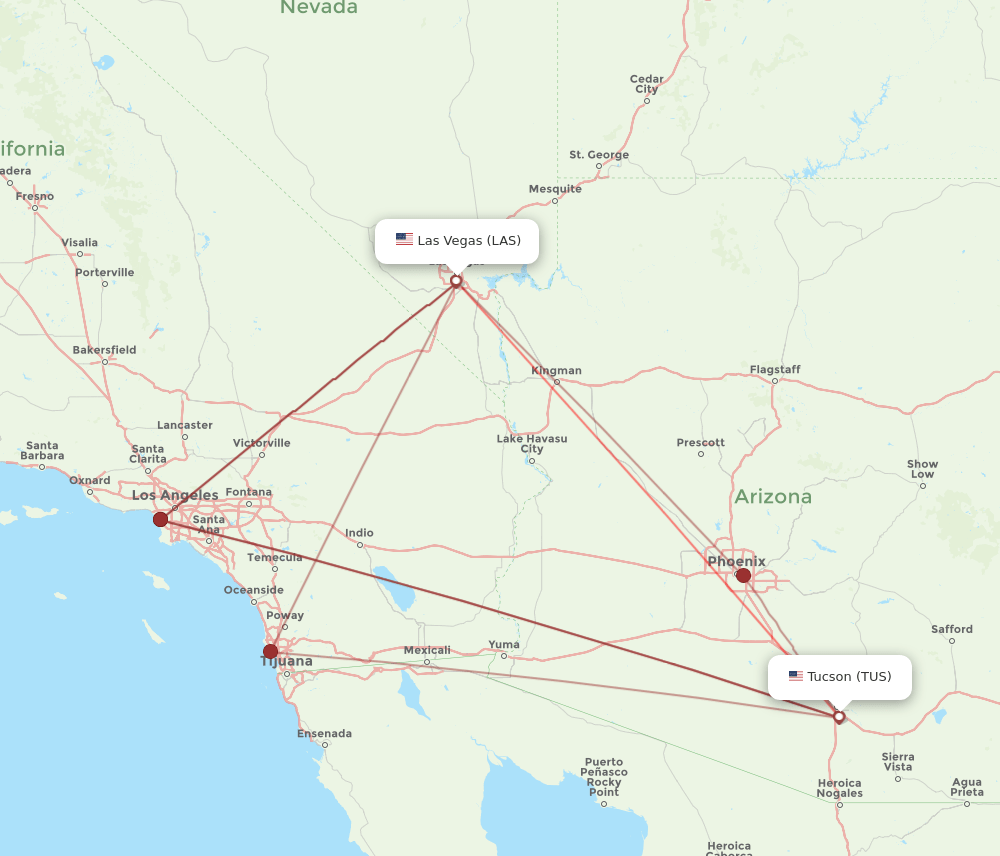
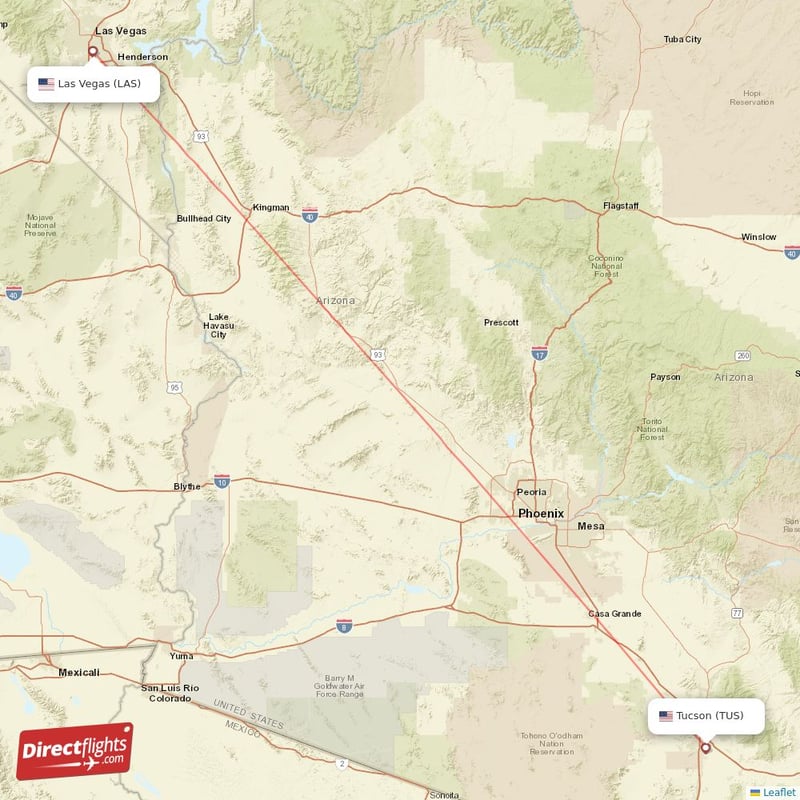
The driving distance between Tucson and Las Vegas is approximately 460 to 480 miles, depending on the specific route taken. This translates to an estimated driving time of 7 to 8 hours under normal conditions. It’s crucial to factor in potential delays such as construction, traffic, especially around major cities, and the need for rest stops.
Key Routes and Considerations
Several primary routes connect Tucson and Las Vegas, each offering slightly different scenery and potential points of interest.
-
The I-10 West to US-93 North Route: This is generally the most direct and commonly used path.
- Tucson to Phoenix: You’ll begin by heading west on I-10 W towards Phoenix. This stretch is about 115 miles and typically takes 1.5 to 2 hours. Traffic around the Phoenix metropolitan area can be a significant factor, particularly during peak hours.
- Phoenix to Kingman: From Phoenix, you’ll transition to US-60 W briefly before merging onto US-93 N. This leg of the journey takes you through diverse desert landscapes and mountain passes. The distance is approximately 175 miles, with an estimated driving time of 2.5 to 3 hours.
- Kingman to Las Vegas: Continuing north on US-93 N, you’ll eventually reach the Hoover Dam and cross into Nevada. This final segment is about 100 miles and takes approximately 1.5 to 2 hours. The approach to Las Vegas can experience increased traffic as you get closer to the city.
-
The I-10 West to CA-62 North Route (Slightly Longer): An alternative, though slightly longer, route involves heading further west on I-10 W past Phoenix and then heading north.
- This route might be considered if you wish to incorporate a visit to Joshua Tree National Park or the Palm Springs area. However, it adds significant mileage and driving time compared to the US-93 route.
Essential Driving Tips:
- Vehicle Preparation: Ensure your vehicle is in good condition, with proper tire pressure, sufficient fluid levels, and a well-functioning air conditioning system, crucial for the desert climate.
- Fuel Stops: Plan your fuel stops strategically. While major highways have service stations, desert stretches can be long between amenities. Don’t let your fuel tank get too low.
- Hydration and Snacks: Carry ample water and snacks. Dehydration is a serious risk in the desert, and having provisions can make the journey more comfortable.
- Weather Awareness: Check weather forecasts before you depart and throughout your journey. Desert storms, while less common in summer, can occur and impact driving conditions. Extreme heat is a constant consideration.
- Rest Stops: Plan for regular breaks to avoid fatigue. Pull over at designated rest areas or in towns to stretch your legs. The 7-8 hour drive is substantial, and driver fatigue is a significant safety hazard.
Alternative Travel Options to Las Vegas
While driving offers flexibility, other modes of transportation can be more convenient or suitable depending on your preferences and time constraints.
Flying from Tucson to Las Vegas
For those prioritizing speed and efficiency, flying is the most practical option.

- Tucson International Airport (TUS) to Harry Reid International Airport (LAS):
- Direct Flights: Several airlines offer direct flights between Tucson International Airport (TUS) and Harry Reid International Airport (LAS) in Las Vegas.
- Flight Duration: The actual flight time is typically around 1 hour and 15 minutes.
- Total Travel Time: When considering travel to and from airports, security checks, and potential flight delays, the total travel time can range from 4 to 6 hours. This is often significantly less than driving, especially when factoring in rest stops.
- Cost Considerations: Flight prices vary widely based on the airline, booking time, and season. It’s advisable to compare prices across different carriers and booking platforms. Factor in the cost of airport parking or alternative transportation to the airport in Tucson and from the airport in Las Vegas.
Bus Travel: A Budget-Friendly Choice
For the budget-conscious traveler, bus services offer a more economical, albeit slower, alternative.
- Providers and Routes: Companies like Greyhound operate routes from Tucson to Las Vegas.
- Travel Duration: Bus journeys are significantly longer than driving or flying, often taking 10 to 12 hours or more. This is due to multiple stops and the nature of intercity bus travel.
- Comfort and Amenities: Modern buses offer amenities like Wi-Fi, power outlets, and reclining seats, though the overall comfort level is generally lower than flying or driving your own vehicle.
- Advantages: The primary advantage is cost savings. This option is ideal for those who are not time-constrained and wish to minimize travel expenses.
Train Travel: A Scenic but Impractical Option
While train travel in the United States can be a scenic experience, direct train routes between Tucson and Las Vegas are not readily available.
- Route Complexity: Traveling by train would likely involve multiple transfers and extended journey times, making it a less practical option for this specific route. Passengers would typically need to travel to a major hub like Los Angeles and then find connecting services, which can add significant time and complexity.
- Comparison to Other Modes: For most travelers, the time and cost involved in train travel for this particular journey would outweigh the benefits when compared to driving or flying.
Making the Most of Your Journey
The decision of how far Las Vegas is from Tucson is also about how you choose to experience the transition between these two distinct cities.
Incorporating Stops Along the Way
For drivers, the journey itself can be an adventure. Consider breaking up the drive to enjoy some of the attractions along the routes.
- Phoenix Area: Before heading north on US-93, you could spend a day or two exploring Phoenix. Attractions include the Desert Botanical Garden, Old Town Scottsdale, and the Heard Museum.
- Kingman, Arizona: Known as the “Heart of the Historic Route 66,” Kingman offers a glimpse into the golden age of American road travel. The Historic Route 66 Museum is a must-visit for history buffs.
- Hoover Dam: A marvel of engineering, the Hoover Dam is a popular stop just before reaching Las Vegas. Tours of the dam are available and offer fascinating insights into its construction and operation.
- Grand Canyon National Park: While a significant detour, if time permits, the South Rim of the Grand Canyon is accessible from Williams, Arizona, which is along the I-40 corridor if you were to take a slightly different route. This would add at least a full day to your trip but offers an unparalleled natural spectacle.
Preparing for Arrival in Las Vegas
Once you’ve determined the distance and chosen your mode of transport, it’s essential to prepare for your arrival in Las Vegas.
- Accommodation: Book your hotel in advance, especially if traveling during a major event or holiday. Options range from luxurious resorts on the Strip to more budget-friendly choices off-Strip.
- Transportation within Las Vegas: Once you arrive, consider how you’ll get around. Options include rental cars, ride-sharing services, taxis, and the Monorail along the Strip.
- Itinerary Planning: Whether you’re there for gambling, shows, dining, or exploring the surrounding natural wonders like Red Rock Canyon National Conservation Area, having a general plan can enhance your experience.
In conclusion, the distance from Tucson to Las Vegas is a manageable drive of roughly 460-480 miles, typically taking 7-8 hours. However, the true measure of this journey lies in the choices you make regarding transportation, potential stops, and how you intend to experience the vast and varied landscapes of the American Southwest along the way.
LifeOutOfTheBox is a participant in the Amazon Services LLC Associates Program, an affiliate advertising program designed to provide a means for sites to earn advertising fees by advertising and linking to Amazon.com. Amazon, the Amazon logo, AmazonSupply, and the AmazonSupply logo are trademarks of Amazon.com, Inc. or its affiliates. As an Amazon Associate we earn affiliate commissions from qualifying purchases.