
The moniker “Windy City” is practically synonymous with Chicago, a nickname as ingrained in its identity as deep-dish pizza or its towering skyscrapers. For travelers planning a visit to this vibrant Midwestern metropolis, the question “Is Chicago windy?” is often among the first practical considerations. Understanding the truth behind this famous epithet is crucial for a comfortable and enjoyable travel experience, influencing everything from packing choices to daily itineraries.
The “Windy City” Moniker: Myth vs. Reality for Travelers
While Chicago undoubtedly experiences its share of breezes, the origin of its famous nickname is less about meteorology and more about historical politics and urban legend. For visitors, disentangling myth from reality provides a clearer picture of what to expect.

Historical Context of the Nickname
The most popular theory attributes the “Windy City” moniker to an article written by a New York Sun editor, Charles Dana, in the late 19th century. Competing with New York City for the honor of hosting the World’s Columbian Exposition of 1893, Chicago’s boosters were accused of being full of “wind” — that is, bluster and hot air. Other theories point to the city’s boisterous politicians or the literal drafts felt within its burgeoning skyscrapers. Regardless of its exact origin, the name stuck, evolving from a political jab into an iconic descriptor.
Meteorological Facts and Figures
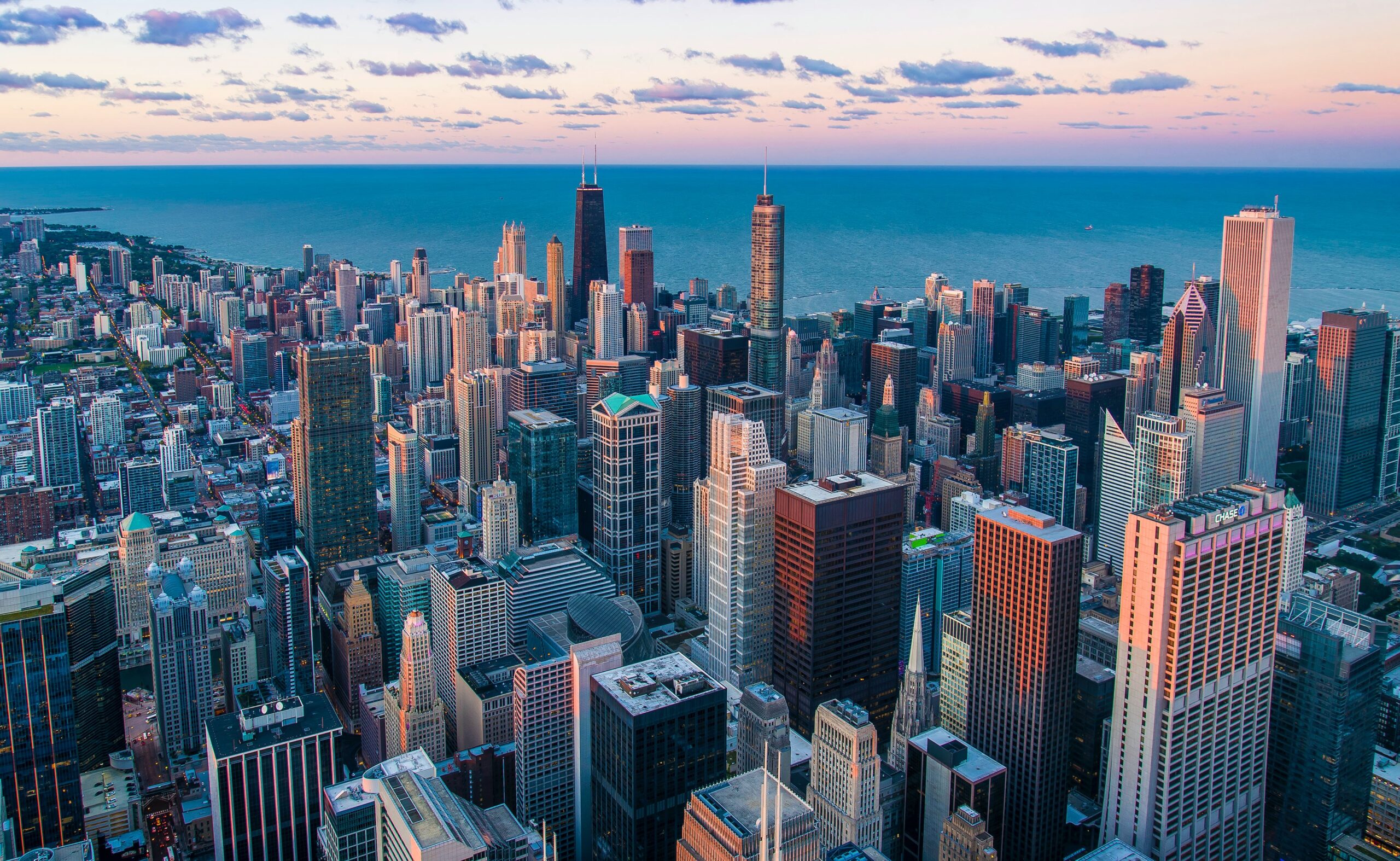
From a purely meteorological perspective, Chicago is certainly breezy, but it doesn’t statistically rank as the windiest major city in the United States. Cities like Boston, Oklahoma City, and even Honolulu often record higher average wind speeds. What makes Chicago’s wind so noticeable to travelers are a few key factors: its flat topography, its proximity to Lake Michigan, and the “urban canyon” effect created by its dense grid of tall buildings. The lake creates strong onshore and offshore breezes, especially noticeable near the waterfront. Furthermore, wind currents accelerating between skyscrapers can create powerful, localized gusts that are felt much more acutely by pedestrians than average city-wide measurements might suggest. So, while not the absolute windiest, Chicago’s wind is a tangible presence, shaping the visitor’s experience in significant ways.
How Chicago’s Wind Affects Travel Experiences
The pervasive breeze in Chicago isn’t just a quirky local characteristic; it fundamentally impacts how travelers experience the city. From enjoying outdoor attractions to navigating its streets, understanding the wind’s influence is key to planning.
Seasonal Variations and Their Impact
The intensity and feel of Chicago’s wind vary significantly with the seasons.
- Spring (March-May): This is arguably the windiest season. Cold fronts colliding with warming air can bring strong, biting winds, often accompanied by sudden temperature drops. Travelers exploring outdoor spaces during this time will feel the full force of the “Windy City.”
- Summer (June-August): While generally milder, summer still brings refreshing lake breezes, especially welcome on hot, humid days. These winds can make riverside dining or strolls along Navy Pier very pleasant, but can also pick up significantly during thunderstorms.
- Autumn (September-November): As temperatures cool, the winds begin to pick up again, often feeling crisp and invigorating. This can enhance the experience of fall foliage tours but also necessitates warmer layers for outdoor activities.
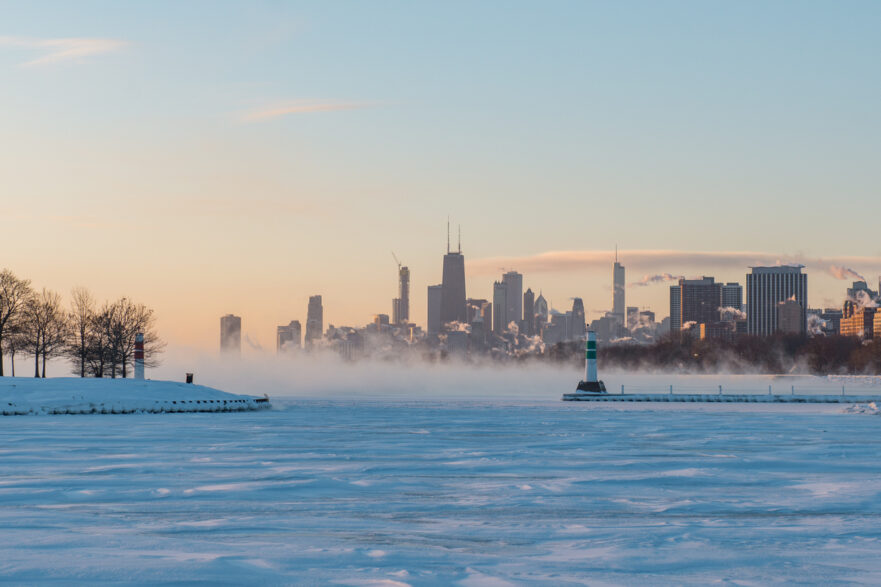
- Winter (December-February): Chicago’s winter winds are legendary for their brutal chill factor. Even on days with moderate temperatures, the wind can make it feel significantly colder, cutting through clothing and making prolonged outdoor exposure challenging.
Outdoor Activities and Attractions
Many of Chicago’s most iconic attractions are outdoors or involve significant outdoor exposure.
- Lakefront Activities: Walking, biking, or running along the Lakefront Trail can be exhilarating but also challenging on very windy days. Boat tours on Lake Michigan or the Chicago River might be choppier, and certain tour operators may adjust schedules or routes for safety.
- Parks and Public Art: Attractions like Millennium Park (home to Cloud Gate, or “The Bean”) and Grant Park are open and exposed, meaning visitors will feel the wind directly. Sculptures like the “Cloud Gate” can become intensely reflective in the bright, windy conditions, offering unique photographic opportunities.
- Skyscraper Views: While enclosed, observatory decks like the Skydeck Chicago at Willis Tower or 360 Chicago at the 875 North Michigan Avenue (formerly John Hancock Center) offer stunning panoramic views where the wind’s power can be visually appreciated from a distance, watching flags flap and trees sway.
Public Transportation and Pedestrian Experience
Walking is often the best way to explore Chicago’s distinct neighborhoods, but strong winds can make long walks less pleasant, especially during colder months. Crossing bridges over the Chicago River or traversing wide avenues can expose pedestrians to powerful gusts. The wind can also cause delays for certain types of public transportation, particularly affecting elevated train lines during extreme weather, though this is less common for typical windy days. Even simple tasks like holding onto maps or umbrellas can become a struggle.
Navigating Chicago’s Breezes: Essential Travel Tips
Preparing for Chicago’s wind is an integral part of planning a successful trip. With a few smart strategies, travelers can embrace the “Windy City” experience rather than being hampered by it.
What to Pack for a Windy City Visit
Layering is paramount for any Chicago visit, regardless of the season, but especially with the wind in mind.
- Outerwear: A windproof and water-resistant jacket is a year-round essential. In colder months, this should be a substantial, insulated coat. Even in summer, a light jacket or sturdy cardigan can be valuable for cooler evenings or unexpected lake breezes.
- Accessories: A warm hat, scarf, and gloves are non-negotiable for fall and winter travel. Even in spring, these can provide comfort against biting gusts. Sunglasses are useful not only for sun protection but also for shielding eyes from wind and any airborne debris.
- Footwear: Comfortable, closed-toe shoes are recommended, especially if planning extensive walking. High heels or light sandals might feel less stable in strong gusts.
- Hair Management: For those with longer hair, a hair tie or hat can save you from a perpetually windswept look and tangled mess.
Seeking Shelter and Indoor Attractions
On particularly blustery days, strategically planning your itinerary around Chicago’s world-class indoor attractions can be a lifesaver.
- Museums: The Art Institute of Chicago, Field Museum, and Museum of Science and Industry offer hours of captivating exploration, completely sheltered from the elements.
- Shopping: The Magnificent Mile and its array of indoor malls (like Water Tower Place) provide extensive shopping opportunities without battling the wind.
- Dining and Entertainment: Chicago boasts an incredible culinary scene and numerous theaters, jazz clubs, and performance venues, offering cozy refuges and delightful experiences irrespective of the weather outside.
- Pedway System: Utilize Chicago’s underground Pedway system in the Loop for inter-building connections, especially during harsh winter winds.
Strategic Planning for Outdoor Exploration
When venturing outdoors, a little foresight goes a long way.
- Check the Forecast: Pay attention to wind speed and direction in addition to temperature. Apps providing “real feel” temperatures, which account for wind chill, are particularly helpful.
- Walk with the Wind: If possible, plan your walking routes to have the wind at your back, making long stretches more manageable.
- Utilize Building Shelter: Walk on the leeward side of buildings when possible, as they often block the direct force of the wind.
- Embrace the View: Don’t let the wind deter you from experiencing Chicago’s stunning skyline or lakefront. Just be prepared, and you’ll find the brisk air can add a dramatic element to your sightseeing.
Beyond the Breeze: Other Chicago Weather Considerations
While the wind is a notable characteristic, Chicago’s climate is one of extremes. Travelers should also be prepared for a range of other weather conditions that can impact their visit.
Summer Heat and Humidity
Summers in Chicago can be surprisingly hot and humid, with temperatures frequently climbing into the 80s and 90s Fahrenheit (27-32+ Celsius). The humidity can make it feel even warmer, and sudden thunderstorms are common. Light, breathable clothing and hydration are key during these months.
Winter Chill and Snow
Chicago winters are notoriously cold, with temperatures often well below freezing and significant snowfall. While beautiful, heavy snow and ice can disrupt travel plans and make walking difficult. Robust winter gear, including waterproof boots, is essential for visits between December and February.
Lake Michigan’s Influence
Lake Michigan plays a significant role in Chicago’s microclimate. It moderates temperatures, making areas closer to the lake slightly cooler in summer and slightly warmer in winter compared to inland areas. However, it also generates intense lake-effect snow in winter and contributes to the notorious wind. Understanding its impact helps travelers choose appropriate attire and activities for waterfront areas.
In conclusion, Chicago truly lives up to its “Windy City” nickname, not necessarily due to record-breaking wind speeds, but because of how its unique urban environment and lakeside location amplify the sensation of the wind. For the prepared traveler, this distinctive characteristic adds to the city’s charm and offers a dynamic backdrop to an unforgettable journey.
LifeOutOfTheBox is a participant in the Amazon Services LLC Associates Program, an affiliate advertising program designed to provide a means for sites to earn advertising fees by advertising and linking to Amazon.com. Amazon, the Amazon logo, AmazonSupply, and the AmazonSupply logo are trademarks of Amazon.com, Inc. or its affiliates. As an Amazon Associate we earn affiliate commissions from qualifying purchases.