
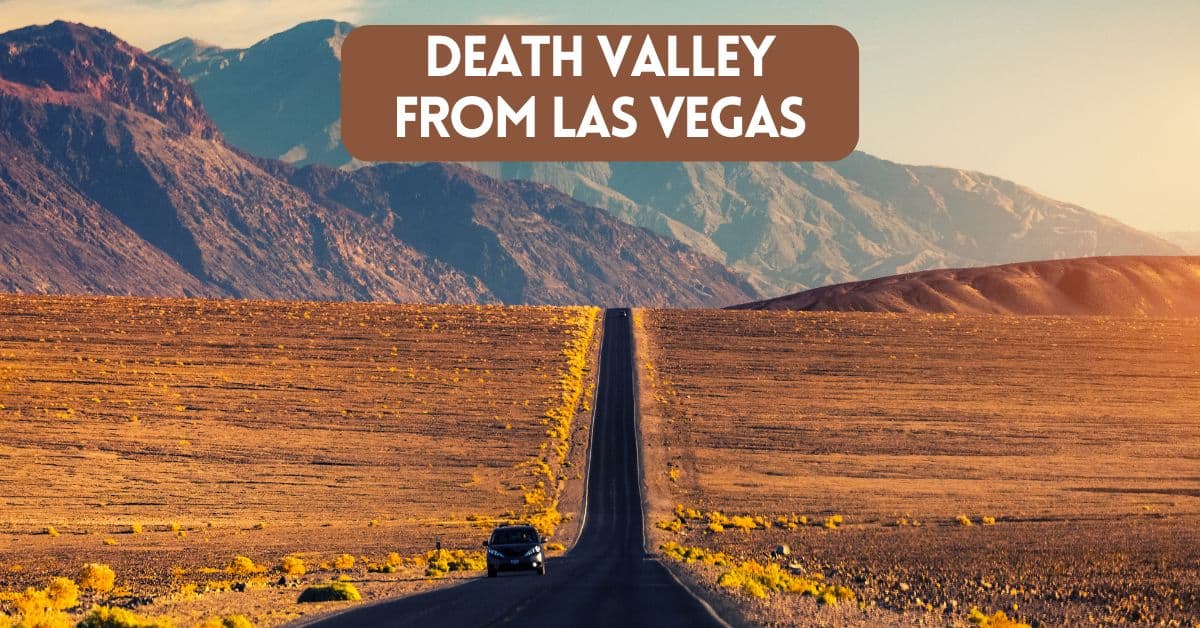
The allure of stark desert beauty and dramatic geological formations calls to many travelers seeking an escape from the neon glow of Las Vegas. A relatively short journey separates these two iconic, yet vastly different, destinations. Understanding the distance, travel times, and the best routes to Death Valley National Park is crucial for anyone planning a memorable road trip. This guide delves into the specifics of traversing the approximately 130 miles that lie between the vibrant entertainment capital and the vast, silent expanse of America’s hottest and driest national park.
Planning Your Journey: Distance and Driving Time
The most direct route from Las Vegas to the heart of Death Valley National Park, typically the Furnace Creek area, is approximately 130 miles. This distance, however, can fluctuate slightly depending on your specific starting point in the Las Vegas metropolitan area and your chosen entry point into the park.
Route Options and Considerations
Several primary routes can be taken, each offering a slightly different experience and encountering varying conditions.
The Most Common Route: via Pahrump
This is generally the most straightforward and commonly used route.
- Departing Las Vegas: Begin by heading west out of Las Vegas on Charleston Boulevard or Desert Inn Road, which will lead you to State Route 160 West.
- Through Pahrump: Continue on SR 160 West for approximately 60 miles. This scenic drive takes you through the Mojave Desert, offering glimpses of rugged landscapes and vast open spaces. You’ll pass through the town of Pahrump, Nevada.
- To Death Valley: In Pahrump, SR 160 West will eventually merge onto State Route 190 West. Follow SR 190 West directly into Death Valley National Park. This segment of the drive offers increasingly dramatic desert scenery as you approach the park’s boundaries.
Estimated Driving Time: The drive typically takes between 2.5 to 3 hours, excluding any stops. This timeframe can be influenced by traffic leaving Las Vegas, road construction, and weather conditions, especially during peak summer months when heat can slow down travel.
Alternative Route: via Beatty
This route is longer but can be an option if you wish to experience a different part of the desert or if certain roads are closed.
- Heading North from Las Vegas: Take U.S. Route 95 North from Las Vegas towards Beatty, Nevada. This is a longer stretch, covering roughly 120 miles.
- South into Death Valley: From Beatty, Nevada, you will enter Death Valley National Park from the northeastern entrance via State Route 374 (Daylight Pass Road). This route brings you to the northern end of the park, offering access to sights like Dante’s View and Telescope Peak.
Estimated Driving Time: This route typically takes 3 to 3.5 hours of driving time. It’s often considered more scenic in terms of desert flora and fauna in certain seasons, but it requires more time on the road.
Factors Affecting Travel Time
- Time of Day: Leaving Las Vegas early in the morning or later in the evening can help you avoid the heaviest traffic.
- Day of the Week: Weekends, especially holiday weekends, can see increased traffic.
- Weather: Extreme heat in the summer can lead to slower speeds due to vehicle strain and the need for more frequent cooling breaks. Dust storms, though less common, can significantly reduce visibility and slow travel.
- Road Conditions: While generally well-maintained, desert roads can sometimes be subject to temporary closures due to weather or maintenance. It’s always wise to check NPS.gov/deva for the latest park conditions and road closures before you depart.
Preparing for Your Desert Adventure
The transition from the air-conditioned casinos of Las Vegas to the extreme environment of Death Valley requires careful preparation. The park is known for its intense heat, vast distances between services, and rugged terrain.
Essential Packing and Supplies
- Water: This cannot be stressed enough. Carry significantly more water than you think you’ll need. At least one gallon per person per day is recommended. Hydration is critical in the desert.
- Food: Pack non-perishable snacks and food items. Services within the park are limited, and you may spend hours exploring without easy access to meals.
- Sun Protection: Wide-brimmed hats, sunglasses, and high SPF sunscreen are indispensable. The sun’s intensity is extreme.
- Appropriate Clothing: Wear lightweight, loose-fitting clothing that covers your skin to protect against the sun. A light jacket or long-sleeved shirt is advisable for cooler desert evenings. Comfortable, closed-toe walking shoes or hiking boots are essential for exploring.
- First-Aid Kit: A well-stocked first-aid kit is a must for any remote travel.
- Navigation: While GPS devices are helpful, always have a physical map of the park. Cell service is unreliable to non-existent in most areas of Death Valley.
- Vehicle Maintenance: Ensure your vehicle is in excellent condition. Check tire pressure, fluid levels, and brakes. Consider carrying a spare tire and the tools to change it.
- Emergency Kit: Include a flashlight, extra batteries, a basic tool kit, and perhaps a portable phone charger.
Understanding Park Entry and Services
- Entrance Fees: Death Valley National Park requires an entrance fee. You can pay at the entrance station or purchase a pass online in advance.
- Gas Stations: Gas stations are scarce within the park. The primary services are located at Furnace Creek, California (which is within the park). It is highly recommended to fill up your gas tank in Pahrump, Nevada or Beatty, Nevada before entering the park.
- Lodging: Accommodation options within the park are limited to The Oasis at Death Valley (formerly The Inn at Death Valley and The Ranch at Death Valley) and Stovepipe Wells Village. Advance reservations are strongly advised, especially during peak seasons. Numerous hotels and resorts are available in Las Vegas for those preferring to day trip or stay outside the park.
Exploring the Wonders of Death Valley
Once you’ve made the journey from Las Vegas, the landscape transforms dramatically, offering a unique set of natural wonders that are both awe-inspiring and humbling.
Key Attractions Accessible from the Las Vegas Route
The most common route via Pahrump places you conveniently near many of Death Valley’s most famous landmarks.
Badwater Basin
Located 282 feet below sea level, Badwater Basin is the lowest point in North America. The vast, salt-encrusted plain is a surreal landscape, particularly striking during sunrise or sunset. The interpretive trail allows visitors to walk out onto the salt flats and experience this unique environment.
Zabriskie Point
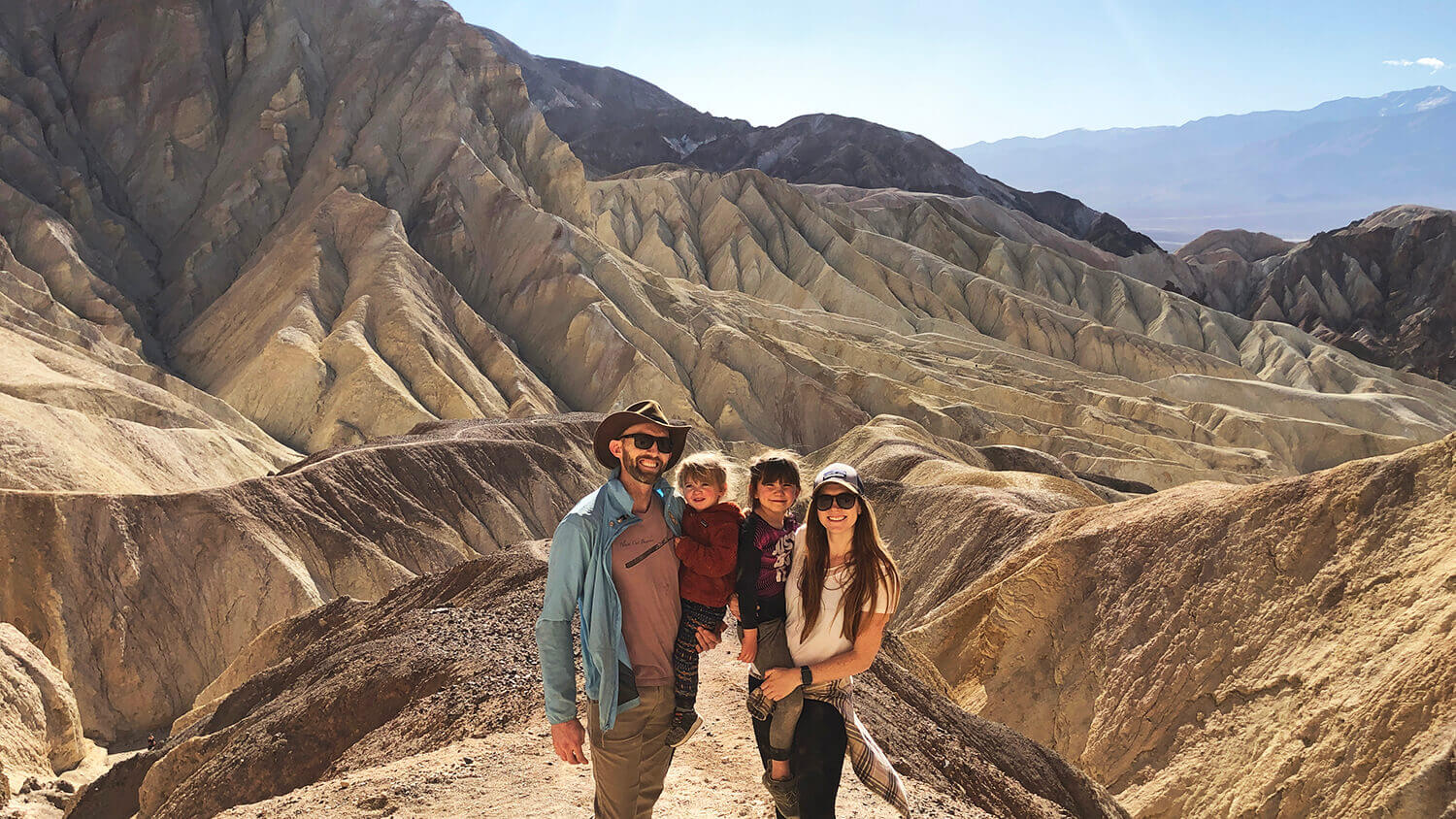
A classic viewpoint offering panoramic vistas of badlands, eroded hills, and canyons. Zabriskie Point is renowned for its dramatic geological formations, which have been sculpted by wind and water over millennia. It’s a photographers’ paradise, especially at sunrise and sunset when the light paints the landscape in vibrant hues.
Artist’s Drive and Artist’s Palette
This one-way scenic loop road winds through colorful hills, showcasing mineral deposits that create a painter’s palette of reds, oranges, yellows, and purples. Artist’s Drive is best experienced in the late afternoon when the light accentuates the vibrant colors.
Mesquite Flat Sand Dunes
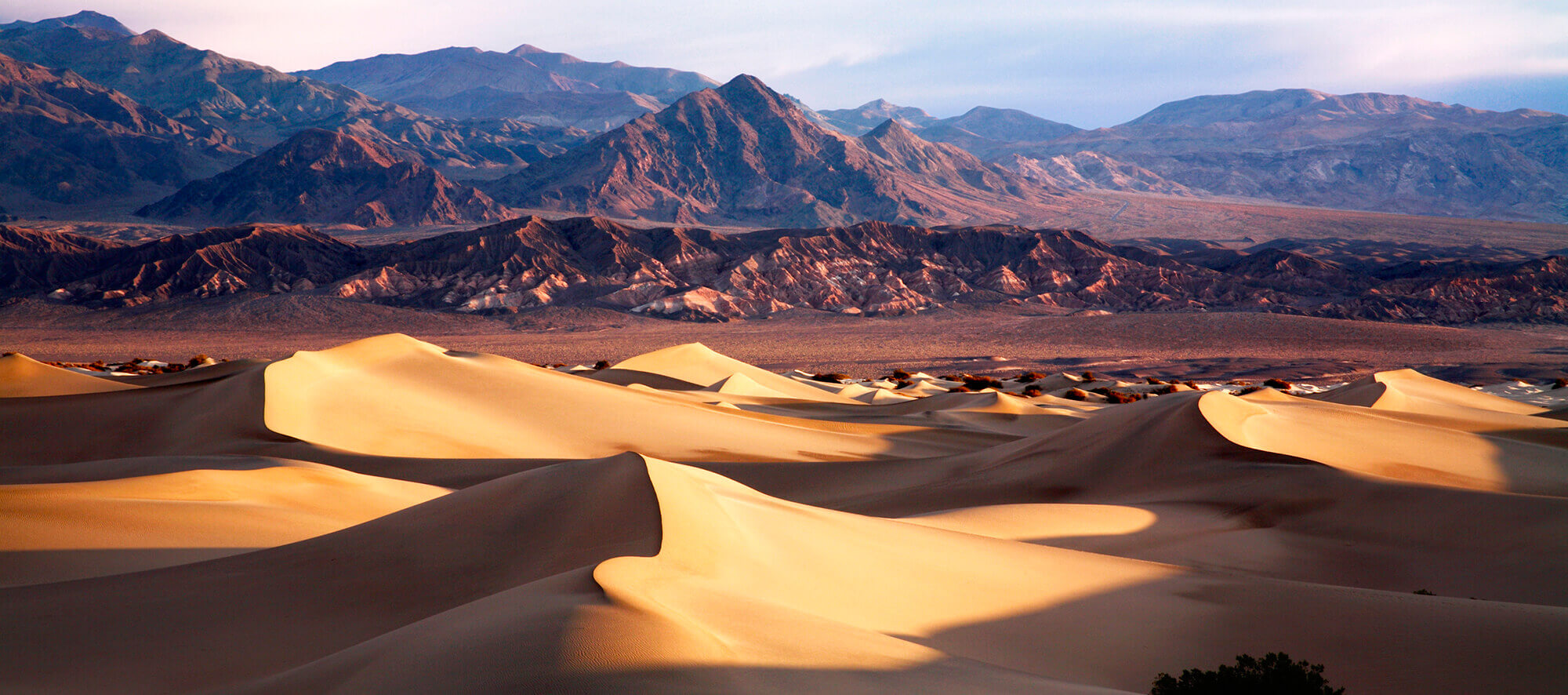
Near Stovepipe Wells, these iconic sand dunes are a quintessential desert landscape. The towering dunes, set against the backdrop of the stark mountains, provide an unforgettable experience. Walking among them, especially at dawn or dusk, offers a profound sense of scale and tranquility.
Devil’s Golf Course
An expansive salt flat with a surface so rough and jagged that the sign warns, “Only the hardened soles of adventurous hikers and the occasional tumbleweed dare to tread.” It’s a testament to the geological processes that have shaped Death Valley.
Venturing Further
For those with more time, the park offers a wealth of other attractions, including:
- Dante’s View: A spectacular overlook providing sweeping views of the entire valley floor, including Badwater Basin.
- Twenty Mule Canyon: A scenic drive through a canyon once used by mule teams to haul borax.
- Rhyolite Ghost Town: Located just outside the park’s eastern entrance near Beatty, Nevada, this preserved ghost town offers a glimpse into the region’s mining history.
The journey from the bustling energy of Las Vegas to the serene, stark beauty of Death Valley is more than just a geographical transition; it’s a sensory and experiential one. Planning meticulously, understanding the distances involved, and preparing for the unique desert climate are key to unlocking the profound wonders that await in this extraordinary national park. The approximately 130 miles offer a gateway to an unparalleled landscape, a true testament to the raw power and artistry of nature.
LifeOutOfTheBox is a participant in the Amazon Services LLC Associates Program, an affiliate advertising program designed to provide a means for sites to earn advertising fees by advertising and linking to Amazon.com. Amazon, the Amazon logo, AmazonSupply, and the AmazonSupply logo are trademarks of Amazon.com, Inc. or its affiliates. As an Amazon Associate we earn affiliate commissions from qualifying purchases.