
Understanding the demographic landscape of a region is crucial for any insightful exploration of its tourism potential. While not a direct measure of attractions or activities, the population of Oregon offers a vital context for understanding the scale of local engagement, the availability of services, and the general atmosphere of its cities and towns. A growing or stable population can indicate economic vitality, which often translates into robust tourism infrastructure and a thriving local culture that visitors can experience. Conversely, a declining population might suggest different challenges or opportunities for those seeking authentic, off-the-beaten-path discoveries.

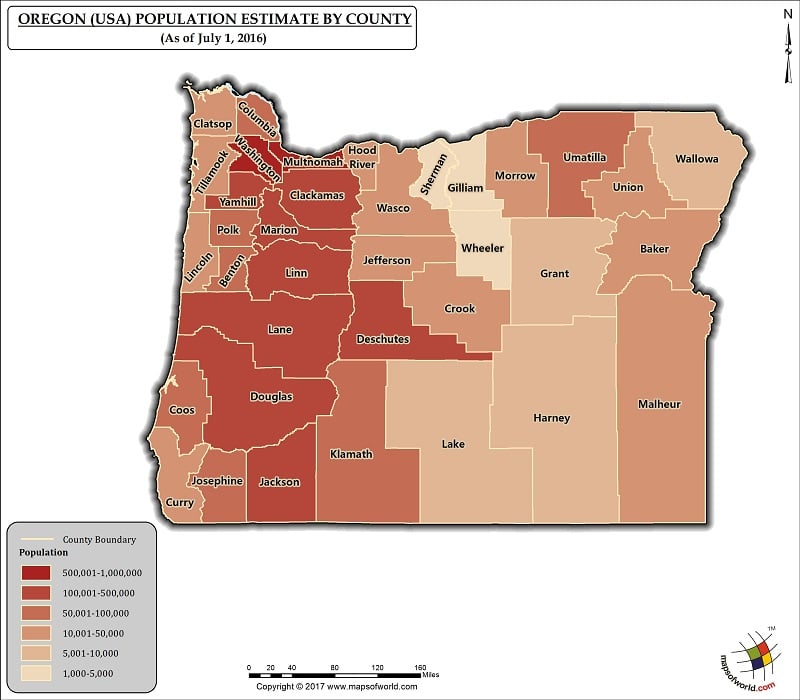
When considering tourism in Oregon, the population figures, particularly when broken down by region and city, reveal where the heart of the state’s activity lies. Major metropolitan areas like Portland will naturally draw a larger share of both residents and visitors, offering a wealth of dining, entertainment, and cultural experiences. Smaller towns and rural areas, while having fewer inhabitants, often boast unique charms, natural beauty, and a slower pace that appeals to a specific segment of travelers. Examining population trends can also hint at future development in popular tourist destinations, potentially influencing the types of accommodations and activities that will become available.
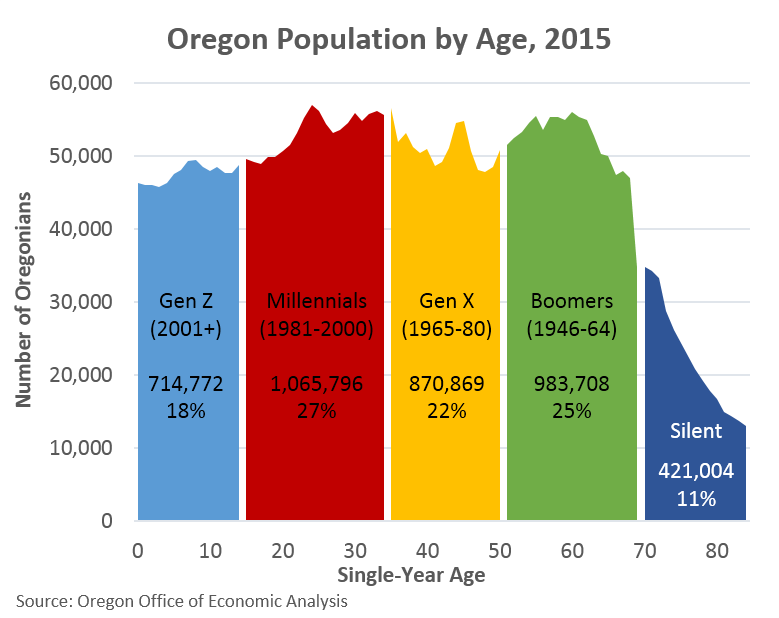
Furthermore, the age demographics and socio-economic makeup of Oregon’s population can inform the kind of tourism experiences that are most likely to succeed. A younger, more affluent population might be drawn to adventure tourism, craft breweries, and contemporary art scenes, while an older demographic might seek out historical sites, scenic drives, and quiet natural retreats. Understanding these nuances allows for a more targeted approach to promoting Oregon as a travel destination, ensuring that its diverse offerings are presented to the audiences most likely to appreciate them.
Demographic Snapshot: The People of Oregon
The United States Census Bureau provides the most authoritative data on the population of Oregon. As of recent estimates, the state’s total population hovers around 4.2 million residents. This figure, while significant, positions Oregon as a moderately populated state within the U.S., ranking it among the nation’s more populous western states but still considerably smaller than giants like California or Texas. This relative scale is important for travelers to consider, as it often means a less crowded experience in many areas compared to more densely populated states.
Urban Centers and Their Inhabitants
The majority of Oregon’s population is concentrated in its urban centers, with the Willamette Valley region serving as the primary hub.
Portland: The Beating Heart of Oregon
Portland, the state’s largest city, is home to over 650,000 people, with the greater metropolitan area exceeding 2.5 million residents. This concentration makes Portland the epicenter of commerce, culture, and a significant portion of the state’s tourism. Visitors flock to Portland for its renowned culinary scene, vibrant arts districts, unique independent businesses, and proximity to natural attractions like the Columbia River Gorge and the Oregon Coast. The sheer volume of people in Portland contributes to a dynamic atmosphere, with a constant stream of events, festivals, and new openings that offer endless exploration for tourists.
Salem and Eugene: Mid-Valley Hubs
Beyond Portland, other significant population centers include Salem, the state capital, with a population of around 178,000, and Eugene, home to the University of Oregon and a population of approximately 177,000. These cities, while smaller than Portland, offer their own distinct character and tourist appeal. Salem provides a glimpse into Oregon’s governmental and agricultural roots, while Eugene buzzes with a youthful energy, an emphasis on sustainability, and a strong connection to outdoor recreation.
The Influence of Coastal and Eastern Oregon
While the majority of residents reside in the western half of the state, Oregon’s population distribution extends to its picturesque coastline and its high desert eastern regions.
The Oregon Coast: A String of Seaside Communities
Along the Oregon Coast, numerous charming towns and cities, such as Medford (a large city in Southern Oregon but often grouped with coastal attractions for travelers), Bend (located inland but a gateway to coastal adventures), Brookings, Cannon Beach, and Newport, contribute to the state’s total population. These communities, though smaller in individual size, collectively draw millions of visitors annually who are captivated by the dramatic cliffs, sandy beaches, and vibrant marine life. The coastal population is often intertwined with its tourism industry, with many residents’ livelihoods dependent on the influx of visitors.
Eastern Oregon: Vast Landscapes, Sparse Settlements
Eastern Oregon is characterized by its vast, open spaces, including high desert, mountain ranges, and the Columbia River Basin. Cities like Bend, a burgeoning outdoor recreation mecca, and Pendleton, famous for its famous Pendleton Round-Up rodeo, are the primary population centers. While sparsely populated compared to the west, eastern Oregon offers unique tourism opportunities for those seeking solitude, adventure sports, and a connection to the rugged spirit of the American West. The relative lack of dense population in this region amplifies the sense of discovery and untouched natural beauty for visitors.
Population Trends and Their Impact on Tourism
Understanding how Oregon’s population is changing provides valuable insights for travelers planning their visits. Growth or decline in specific areas can influence everything from the availability of last-minute hotel rooms to the authenticity of local experiences.
Growth and Development in Popular Tourist Areas
Areas experiencing population growth often indicate a thriving economy and investment in infrastructure, which can be beneficial for tourism. For instance, the rapid growth of cities like Bend has led to the development of new hotels, restaurants, and adventure outfitters, catering to an increasing number of both residents and visitors drawn to its outdoor lifestyle. Similarly, the popularity of the Oregon Coast has spurred development in many of its towns, leading to a wider array of lodging options and dining establishments. This growth, however, can also lead to increased visitor numbers, potentially impacting the serene experience some travelers seek.
The Appeal of Less Populated Regions
Conversely, less densely populated regions of Oregon offer a distinct appeal. The quiet solitude of eastern Oregon, with its expansive landscapes and star-filled skies, draws travelers looking for an escape from urban life. The low population density means fewer crowds at attractions, greater opportunities for wildlife viewing, and a more intimate connection with nature. Destinations like the Wallowa Mountains or the John Day Fossil Beds National Monument become more accessible and less overwhelming in areas with fewer residents. This demographic characteristic is a key selling point for adventure and nature enthusiasts.
Seasonal Population Shifts
It’s also important to note the impact of seasonal population shifts, particularly in tourist-dependent areas. Coastal towns and mountain resorts see their populations swell significantly during peak seasons, affecting everything from traffic congestion to the availability of local services. Understanding these fluctuations is essential for planning a trip that balances popular attractions with a more relaxed experience. For example, visiting the Oregon Coast in the shoulder seasons of spring or fall can offer pleasant weather with fewer crowds than the bustling summer months.
Cultural Nuances Tied to Population Density
The population of a region is inextricably linked to its cultural fabric. The density and distribution of people in Oregon have fostered distinct cultural nuances that shape the visitor experience.
Urban Culture: Diversity and Innovation
The high population density in Portland and its surrounding metropolitan area has cultivated a rich tapestry of cultures. This urban environment is a melting pot of diverse communities, contributing to a vibrant culinary scene, a thriving arts and music community, and a strong emphasis on innovation and progressive thinking. Visitors to Portland will find a city that embraces its unique identity, from its famed food carts to its numerous craft breweries and independent bookstores, many of which are clustered in neighborhoods with high residential density.
Rural and Small-Town Charm: Community and Tradition
In contrast, the more sparsely populated areas of Oregon, particularly in the east and in smaller coastal towns, often exhibit a stronger sense of traditional community values and local customs. These areas may be more deeply rooted in their agricultural heritage, pioneering history, or fishing traditions. Visitors to these regions can expect a more intimate and authentic experience, with opportunities to engage directly with local residents and witness time-honored practices. Events like the Pendleton Round-Up in eastern Oregon are prime examples of how population density (or lack thereof) can shape and preserve cultural heritage.
The “Oregonian” Identity
Across the state, regardless of population density, a general “Oregonian” identity prevails, often characterized by a deep appreciation for the natural environment, a spirit of independence, and a commitment to sustainability. This shared ethos influences the types of tourism experiences that are popular, favoring outdoor activities, eco-tourism, and a focus on local, artisanal products. Whether navigating the bustling streets of Portland or hiking through the remote wilderness of the Wallowa Mountains, visitors will likely encounter this underlying cultural current, shaped by the unique relationship between the people and the land in Oregon.
In conclusion, while the exact population of Oregon is a statistical figure, its implications for tourism are profound. It dictates the scale of experience, influences cultural dynamics, and shapes the development of infrastructure and services. For any traveler seeking to understand and engage with the full spectrum of what Oregon has to offer, understanding its demographic landscape is an essential first step.
LifeOutOfTheBox is a participant in the Amazon Services LLC Associates Program, an affiliate advertising program designed to provide a means for sites to earn advertising fees by advertising and linking to Amazon.com. Amazon, the Amazon logo, AmazonSupply, and the AmazonSupply logo are trademarks of Amazon.com, Inc. or its affiliates. As an Amazon Associate we earn affiliate commissions from qualifying purchases.