
Navigating the logistics of a cross-country trip can often begin with a fundamental question: how long will the journey actually take? For those planning an adventure from the historic streets of Philadelphia to the dazzling lights of Las Vegas, understanding the flight duration is key to efficient travel planning. This isn’t just about ticking a box; it’s about setting expectations, arranging airport transfers, booking accommodation, and ultimately, maximizing your time in your destination. The flight from Philadelphia International Airport (PHL) to McCarran International Airport (LAS), now Harry Reid International Airport, is a popular route, connecting two distinct yet equally captivating parts of the United States. Several factors influence the total travel time, making it a variable that requires closer examination.
Understanding Direct vs. Connecting Flights
The most significant determinant of flight duration from Philadelphia to Las Vegas is whether you opt for a direct flight or one with layovers.
Direct Flights: The Swift Passage
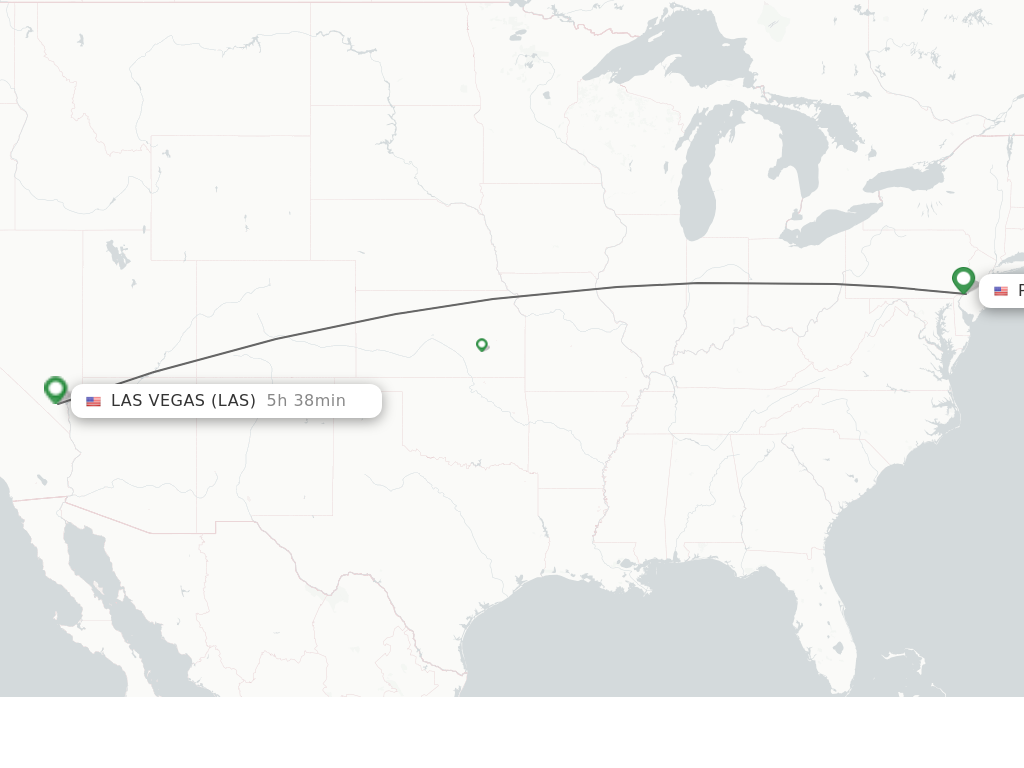
Direct flights offer the most straightforward and time-efficient option. These flights depart from Philadelphia and arrive in Las Vegas without any stops.
- Typical Duration: On average, a direct flight between Philadelphia and Las Vegas clocks in at approximately 5 hours and 30 minutes to 6 hours. This time frame accounts for the flight path, cruising altitude, and the aircraft’s speed.
- Airlines Offering Direct Routes: Major carriers such as American Airlines and Frontier Airlines frequently operate direct services on this route. It’s always advisable to check with specific airlines for their current schedules and flight availability.
- Benefits: The primary advantage of a direct flight is the reduction in overall travel time. You bypass the stress and logistical challenges of changing planes, waiting in terminals, and potential delays associated with connections. This also minimizes the risk of lost luggage.
Connecting Flights: The Strategic Detour
Connecting flights, while generally longer, can sometimes offer cost savings or more convenient departure and arrival times. These flights involve a stopover in an intermediate city before continuing to Las Vegas.
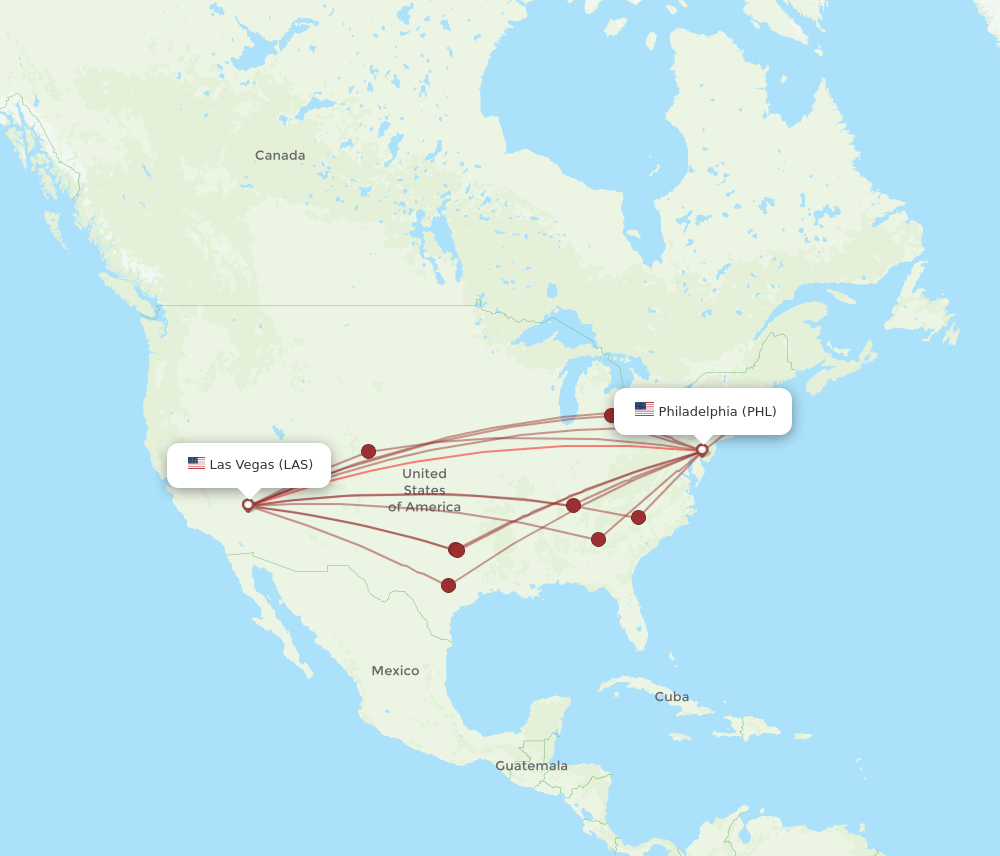
- Common Layover Cities: Popular connecting points for flights from Philadelphia to Las Vegas often include major hubs like Charlotte, Chicago, Dallas/Fort Worth, Denver, or Phoenix. The choice of layover city is determined by the airline’s network and route optimization.
- Total Travel Time: The total duration for a connecting flight can vary dramatically. It includes the flight time to the layover city, the layover duration itself, and the subsequent flight to Las Vegas.
- Minimum Duration: Even with a short layover, the total travel time will likely be at least 7 to 8 hours.
- Extended Durations: Longer layovers, sometimes necessary to secure more affordable fares or to align with flight schedules, can extend the total journey to 10, 12, or even more hours.
- Factors Influencing Layover Duration:
- Airline’s Network: Some airlines have more efficient hubs than others, leading to shorter layover times.
- Time of Day: Flights scheduled during off-peak hours might have longer connection times.
- Airport Size and Layout: Larger airports can require more time to navigate between gates.
- Risk of Delays: It’s crucial to allow ample time for connections, especially if the layover is short, as delays on the first leg can jeopardize your subsequent flight. A general rule of thumb is to aim for a minimum layover of 90 minutes to 2 hours for domestic connections.
Factors Affecting Flight Time
Beyond the direct vs. connecting distinction, several other elements can influence the actual time your flight spends in the air and on the ground.
Eastbound vs. Westbound Jet Streams
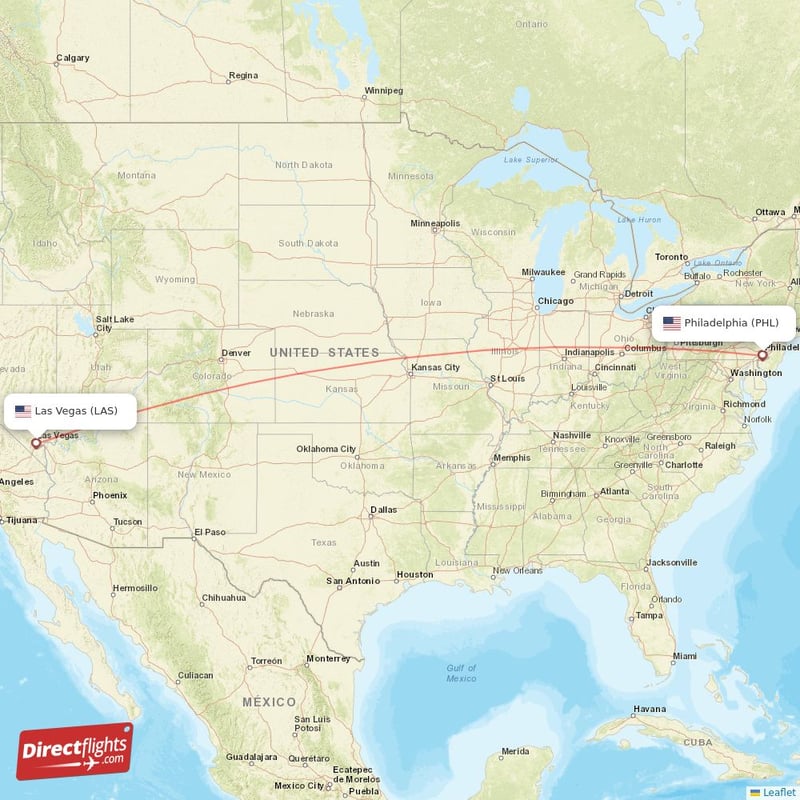
The Earth’s atmosphere features powerful air currents known as jet streams. These fast-flowing, narrow air currents are found in the atmosphere near the tropopause and are strongest over the mid-latitudes. Flying westward across the United States generally means flying against the prevailing jet stream, which can increase flight times. Conversely, flying eastward often means flying with the jet stream, shortening flight times.
- Philadelphia to Las Vegas (Westbound): Because Las Vegas is west of Philadelphia, flights on this route typically contend with headwinds from the jet stream. This means the flight might take a little longer than a comparable eastbound flight.
- Impact on Duration: While the exact impact varies daily based on the jet stream’s position and strength, it can add anywhere from 15 minutes to an hour to the flight time.
Aircraft Type and Cruising Speed
Different aircraft models have varying cruising speeds. Modern, fuel-efficient jets are designed for optimal performance at high altitudes. While the difference in cruising speed between common commercial airliners might seem minor, over the thousands of miles between Philadelphia and Las Vegas, it can contribute to slight variations in flight duration. Major airlines operating this route, such as United Airlines, Spirit Airlines, and Southwest Airlines, utilize a range of aircraft that are all capable of maintaining efficient speeds for transcontinental travel.
Air Traffic Control and Airspace Congestion
Air traffic control (ATC) plays a crucial role in managing the flow of aircraft in busy airspace. While efforts are made to ensure efficient routing, factors like weather patterns, other flight schedules, and peak travel times can lead to air traffic congestion.
- Holding Patterns: Occasionally, aircraft may be placed in holding patterns near their destination airport if there is congestion on the runways or in the immediate airspace. This adds time to the overall flight.
- Routing Adjustments: ATC may also direct aircraft on slightly altered routes to maintain safe separation from other planes, which can subtly increase the flight distance and time.
Weather Conditions
While the continental United States offers a generally favorable climate for air travel, severe weather events can impact flight times.
- Departure and Arrival Airports: Significant weather at Philadelphia International Airport (PHL) or Harry Reid International Airport (LAS) can cause delays in departure or arrival, or necessitate rerouting.
- En Route Weather: Although less common for this relatively direct route, thunderstorms or other significant weather systems across the country could also lead to routing adjustments or delays.
Planning Your Travel Timeline
Beyond the flight itself, a comprehensive travel timeline includes the time spent before and after the flight.
Pre-Flight Preparations
- Arrival at the Airport: For domestic flights, it’s generally recommended to arrive at the airport at least 2 hours before your scheduled departure. This allows ample time for check-in, security screening, and navigating to your gate. For international flights, it’s typically 3 hours. While PHL to LAS is domestic, it’s a significant cross-country journey, and arriving with sufficient buffer is wise.
- Security Screening: The time spent at TSA security can vary greatly depending on the airport, time of day, and day of the week. Philadelphia International Airport can experience busy periods, particularly during peak travel seasons.
- Boarding: Boarding typically begins 30-45 minutes before departure.
Post-Flight Procedures
- Deplaning: The time it takes to exit the aircraft after landing can vary.
- Baggage Claim: If you checked luggage, you’ll need to factor in time for baggage claim. This can range from 15 minutes to over an hour, depending on the airport and how quickly luggage is unloaded.
- Ground Transportation: Once you’ve collected your luggage, you’ll need to arrange transportation to your accommodation in Las Vegas. Options include taxis, rideshares, shuttles, or rental cars. Allow at least 30-60 minutes for this, especially if you’re unfamiliar with the airport layout.
Estimating Your Total Travel Day
To truly understand the commitment of traveling from Philadelphia to Las Vegas, consider a realistic total travel day:
-
Direct Flight Scenario:
- Arrive at PHL: 2 hours before departure
- Flight Time: 5 hours 45 minutes (average)
- Deplaning and Baggage Claim: 45 minutes
- Ground Transportation: 1 hour
- Total Estimated Travel Day: Approximately 9 hours and 30 minutes
-
Connecting Flight Scenario (with a 2-hour layover):
- Arrive at PHL: 2 hours before departure
- Flight to Layover City: 2 hours 30 minutes
- Layover Time: 2 hours
- Flight to LAS: 3 hours
- Deplaning and Baggage Claim: 45 minutes
- Ground Transportation: 1 hour
- Total Estimated Travel Day: Approximately 11 hours and 15 minutes
This comprehensive look at flight durations, influencing factors, and pre/post-flight logistics provides a clear picture for anyone planning a trip from the East Coast to the vibrant entertainment capital of the West. Whether you prioritize speed with a direct flight or flexibility with a connecting service, understanding these elements will help you craft a smoother and more enjoyable travel experience.
LifeOutOfTheBox is a participant in the Amazon Services LLC Associates Program, an affiliate advertising program designed to provide a means for sites to earn advertising fees by advertising and linking to Amazon.com. Amazon, the Amazon logo, AmazonSupply, and the AmazonSupply logo are trademarks of Amazon.com, Inc. or its affiliates. As an Amazon Associate we earn affiliate commissions from qualifying purchases.