
The allure of Las Vegas is undeniable, a glittering beacon of entertainment, dining, and adventure nestled in the heart of the Mojave Desert. For residents and visitors of Southern California, the question of distance to this iconic metropolis is a frequent one, a crucial piece of information for planning a spontaneous weekend getaway or a meticulously organized vacation. The answer, while seemingly straightforward, involves understanding the most common routes, potential variables, and the overall travel experience.
The Direct Route: Understanding the Mileage
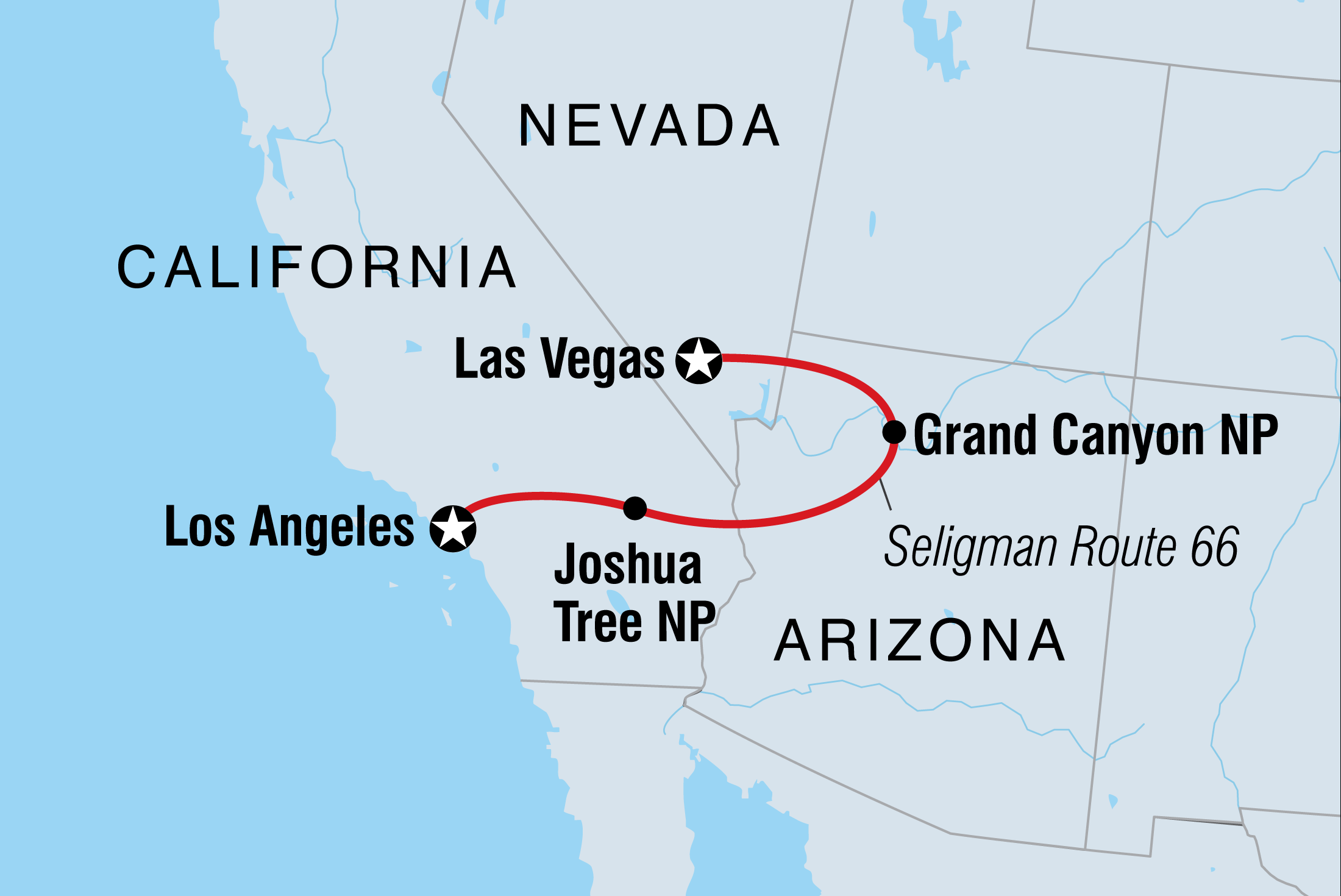
The most direct and commonly traveled route from Los Angeles to Las Vegas is via the Interstate 15 Freeway (I-15). This well-maintained highway serves as the primary artery connecting these two major Californian and Nevadan cities.
I-15 North: The Most Popular Path
When calculating the mileage, the I-15 North is the benchmark. The distance from downtown Los Angeles to the heart of the Las Vegas Strip is approximately 270 miles. This figure can vary slightly depending on your exact starting point within the sprawling Los Angeles County and your precise destination within Las Vegas.
For instance, if you’re beginning your journey in a more eastern part of Los Angeles County, such as San Bernardino County, the mileage might be slightly less. Conversely, starting from the western reaches of Los Angeles, like Santa Monica, will add a few extra miles to your journey. However, for most travelers, the 270-mile figure serves as a reliable estimate.
Alternative Starting Points
It’s important to remember that Los Angeles is a vast metropolitan area. The mileage can shift based on your specific starting neighborhood:
- Downtown Los Angeles to the Las Vegas Strip: Approximately 270 miles.
- Orange County to the Las Vegas Strip: Approximately 290-310 miles, depending on the specific city in Orange County.
- San Fernando Valley to the Las Vegas Strip: Approximately 280-300 miles, again dependent on the specific city.
These variations highlight the importance of using a GPS or mapping service for the most accurate, real-time mileage from your exact location.
Factors Influencing Travel Time and Experience
While the mileage remains relatively constant, the time it takes to cover those 270 miles can fluctuate significantly. Understanding these influencing factors is key to setting realistic expectations for your trip.
Traffic Congestion
One of the most significant variables affecting travel time from Los Angeles to Las Vegas is traffic. The Los Angeles metropolitan area is notorious for its heavy congestion, especially during peak hours.
- Weekday Commutes: Departing Los Angeles during typical morning or evening rush hours (roughly 6 AM to 10 AM and 3 PM to 7 PM) can add substantial time to your journey. Freeway speeds can drop dramatically, transforming what should be a quick drive into a much longer crawl.
- Weekend Departures: Fridays and Sundays are particularly busy on the I-15. Many Angelenos head to Las Vegas for weekend getaways, leading to significant outbound traffic on Friday afternoons and evenings, and inbound traffic back to Los Angeles on Sunday afternoons and evenings.
- Holiday Weekends: Expect even more pronounced traffic delays during holiday weekends, such as Memorial Day, Labor Day, and the period around New Year’s Eve.
Road Conditions and Construction
While the I-15 is generally well-maintained, construction projects can occur, especially during warmer months when outdoor work is more feasible. These projects can lead to temporary lane closures and slower traffic. It’s advisable to check local traffic reports and Department of Transportation websites before embarking on your journey, particularly if you’re traveling during an off-peak time when you might not anticipate such delays.
Weather
The weather between Los Angeles and Las Vegas can vary significantly. While Los Angeles often enjoys mild weather, the route eastward takes you through desert landscapes where conditions can change.
- Heat: Summer temperatures in the Mojave Desert can be extreme, exceeding 100°F (38°C). While this primarily affects comfort and vehicle performance, it’s something to be mindful of, especially if your vehicle is not in optimal condition.
- Rain and Dust Storms: While less common, rain can occur, and dust storms are a possibility in the desert. These can reduce visibility and necessitate slower driving speeds.
Estimating Travel Time
Given the 270-mile distance and potential variables, let’s consider estimated travel times:
Ideal Conditions
Under optimal conditions, with minimal traffic and no significant delays, the drive from Los Angeles to Las Vegas can take approximately 4 to 4.5 hours. This assumes you can maintain an average speed of around 60-67 mph, factoring in brief stops.
Realistic Scenarios
In reality, most travelers should budget for a longer duration.
- Moderate Traffic: If you encounter moderate traffic, especially as you approach the Inland Empire or the Nevada state line, expect the journey to take 5 to 6 hours.
- Heavy Traffic/Weekend Travel: During peak travel times, such as a Friday afternoon departure or a Sunday evening return, the drive can easily extend to 6 to 8 hours, and in extreme cases, even longer.
It is always wise to add a buffer of at least an hour to your estimated travel time to account for unexpected delays.
Planning Your Journey: Stops and Strategies
The drive itself, while primarily on a freeway, offers opportunities for breaks and strategic stops.
Essential Stops Along the I-15
The I-15 is dotted with various towns and service areas that provide essential amenities for travelers.
- Victorville: Located about 90 miles from Los Angeles, Victorville offers a good range of gas stations, fast-food restaurants, and rest stops. It’s a common point for a first break.
- Barstow: Further down the road, approximately 120 miles from Los Angeles, Barstow is another significant stop with a variety of services. It’s also the junction for other highways, but for Las Vegas travelers, continuing on I-15 is key.
- Baker: This small desert town, roughly 150 miles from Los Angeles, is famous for the “World’s Tallest Thermometer” and offers basic services. It’s a good place to stretch your legs before the final push into Nevada.
- Primm, Nevada: Just across the state line, Primm offers casinos, hotels, and an outlet mall. It’s a convenient stop for a quick meal or some last-minute shopping before reaching the main Las Vegas area.
Strategic Driving Tips
- Depart Early or Late: To avoid the worst of the traffic, consider departing Los Angeles very early in the morning (before 6 AM) or later in the evening (after 8 PM).
- Travel Mid-Week: If your schedule allows, traveling on a Tuesday, Wednesday, or Thursday can significantly reduce traffic congestion.
- Utilize Navigation Apps: Apps like Google Maps, Waze, or Apple Maps are invaluable for real-time traffic updates, accident alerts, and suggested alternate routes if necessary.
- Vehicle Preparation: Ensure your vehicle is in good condition, especially tires, brakes, and cooling systems, given the desert temperatures. Carry plenty of water and ensure your phone is fully charged.
Beyond the Miles: The Overall Travel Experience
The journey from Los Angeles to Las Vegas is more than just a calculation of miles. It’s a transition from the urban sprawl of Southern California to the stark beauty of the desert landscape, culminating in the bright lights of the entertainment capital.
The Changing Scenery
As you drive east on I-15, the scenery transforms. The rolling hills and urban development of Los Angeles County gradually give way to arid plains, rugged mountains, and the vast expanse of the Mojave Desert. This visual shift is a characteristic part of the travel experience, offering a different perspective of the region.
The Anticipation Builds
For many, the drive itself is part of the build-up to the Las Vegas experience. The closer you get, the more palpable the anticipation becomes, a shared feeling with the thousands of other vehicles making the same journey. The arrival into Las Vegas, with the skyline appearing on the horizon, is a moment that signals the start of the adventure.
In conclusion, while the mileage from Los Angeles to Las Vegas is a consistent figure of approximately 270 miles, the actual travel time is a dynamic variable. By understanding the contributing factors of traffic, road conditions, and weather, and by employing strategic planning, travelers can optimize their journey and arrive in Las Vegas ready to embrace all that the city has to offer.
LifeOutOfTheBox is a participant in the Amazon Services LLC Associates Program, an affiliate advertising program designed to provide a means for sites to earn advertising fees by advertising and linking to Amazon.com. Amazon, the Amazon logo, AmazonSupply, and the AmazonSupply logo are trademarks of Amazon.com, Inc. or its affiliates. As an Amazon Associate we earn affiliate commissions from qualifying purchases.