
Embracing Florida’s Natural Heritage: The Mockingbird’s Tale
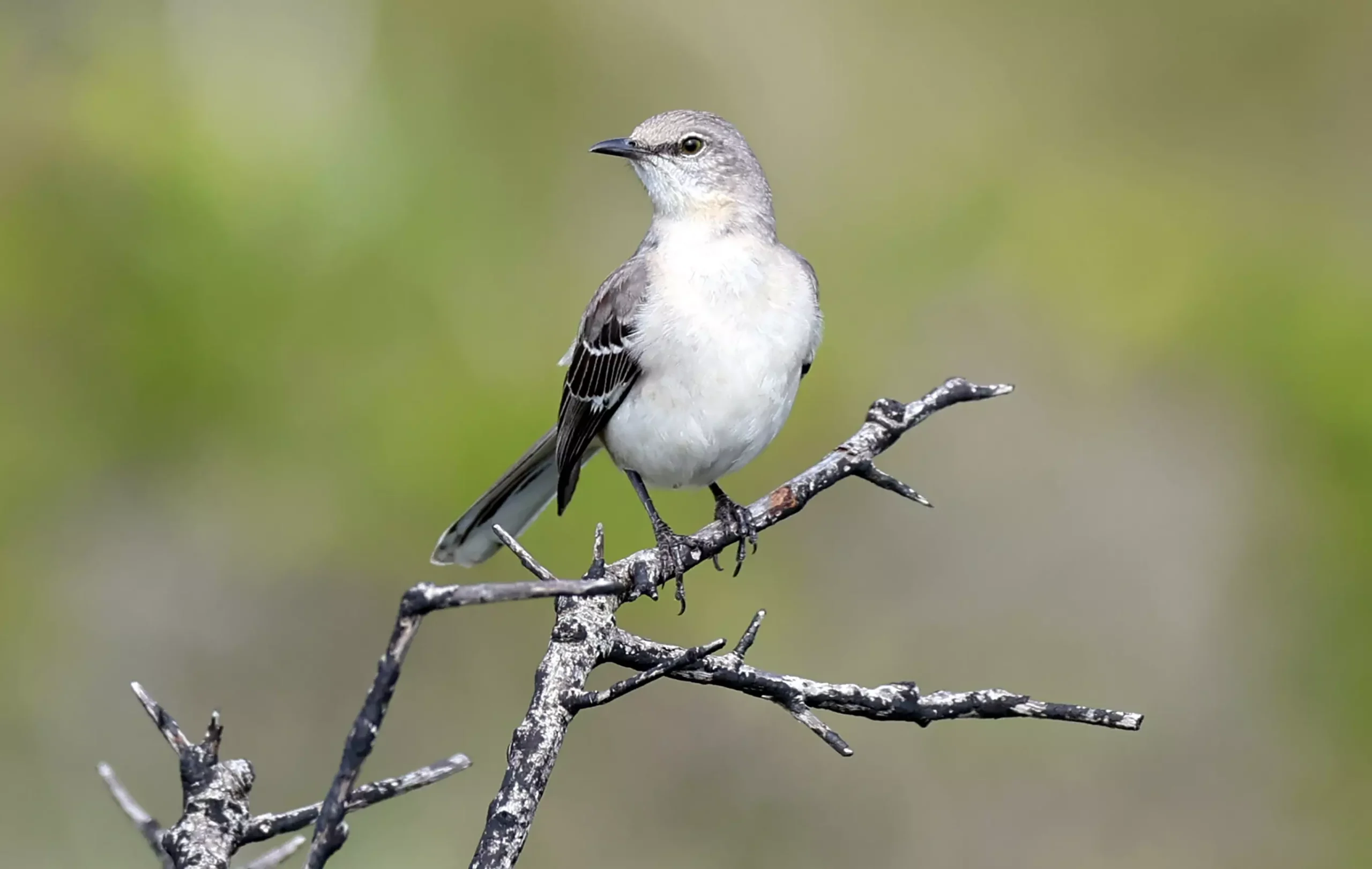
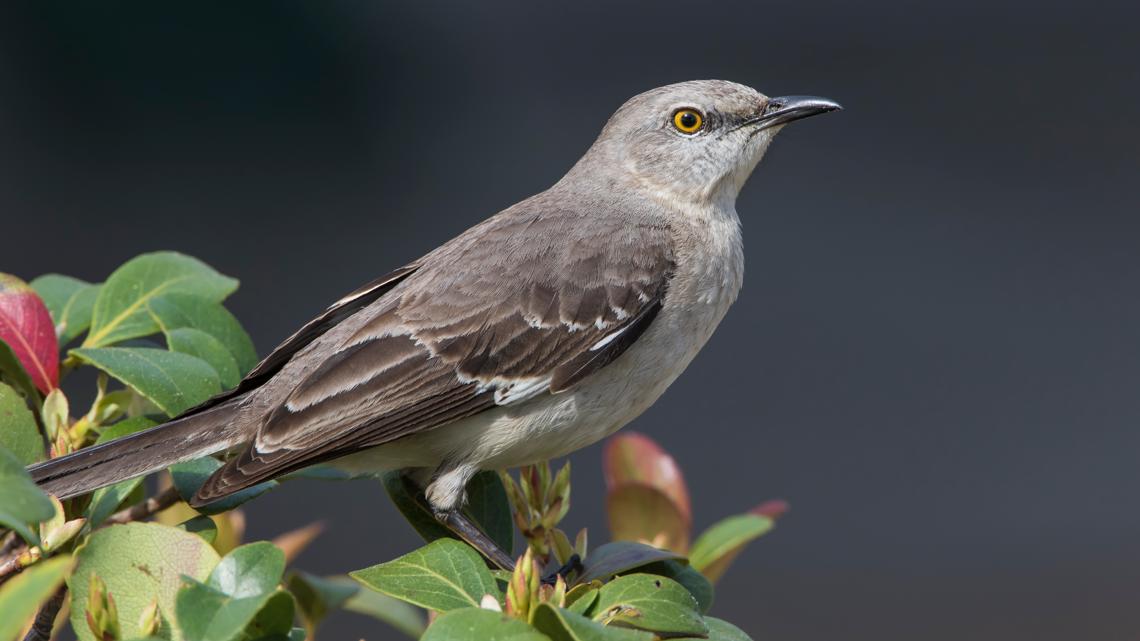
The vibrant and diverse natural tapestry of Florida is perhaps best epitomized by its official state bird, the Northern Mockingbird. Adopted in 1927, this unassuming yet remarkable avian resident serves as a compelling symbol of the Sunshine State’s ecological richness and a prime example of its accessible wildlife tourism. For visitors keen to delve beyond the beaches and theme parks, understanding the significance of the Northern Mockingbird offers a unique entry point into Florida’s local culture and natural heritage.
The Northern Mockingbird is renowned for its extraordinary vocal abilities, capable of mimicking the songs and calls of dozens of other bird species, as well as insects and even mechanical sounds. This impressive vocal repertoire, delivered with boundless energy from a prominent perch, is a defining characteristic that makes the mockingbird a constant, engaging presence across the state. Its melodic serenades, often heard at dawn, dusk, and even on moonlit nights, are an auditory signature of Florida life, offering tourists a delightful, authentic local experience from the moment they arrive.

Beyond its captivating song, the mockingbird embodies the resilience and adaptability of Florida’s wildlife. It thrives in a wide array of habitats, from dense scrublands and coastal dunes to suburban gardens and bustling urban parks. This omnipresence means that tourists don’t have to venture deep into remote wilderness to encounter Florida’s natural beauty. The sight of a mockingbird perched on a fence post or darting through a backyard, singing its varied tune, is a daily occurrence that connects visitors directly to the state’s living ecosystem, even within metropolitan areas like Miami or Orlando. Its role as a visible and vocal resident makes it an excellent ambassador for Florida’s broader ecotourism appeal, highlighting the ease with which one can experience nature’s wonders here.
Mockingbird Encounters: Prime Locations for Birdwatching Tourism
For tourists looking to engage with Florida’s avian wonders, the Northern Mockingbird offers an accessible and rewarding birdwatching experience. Its widespread distribution means that opportunities to observe this fascinating creature abound, from city centers to vast natural preserves. Understanding where to look and what to listen for can significantly enhance a visitor’s connection to the local environment and provide delightful memories.
Urban and Suburban Habitats
One of the most appealing aspects of the Northern Mockingbird for tourists is its comfort with human proximity. Unlike many elusive bird species, mockingbirds are common sights in developed areas. Whether you’re strolling through the historic streets of St. Augustine, relaxing in a resort garden in Orlando, or exploring a neighborhood park in Tampa, you’re highly likely to spot and hear a mockingbird. Local parks, botanical gardens, and even hotel grounds often provide ideal viewing opportunities. These easily accessible locations allow visitors to integrate birdwatching into their itineraries without requiring specialized equipment or extensive travel, making it a perfect casual tourism activity. Keep an ear out for its distinctive, varied calls, and look for a slender, gray and white bird with a long tail, often perched conspicuously.
State Parks and Preserves
For a more immersive birdwatching experience, Florida’s extensive network of state parks, national wildlife refuges, and nature preserves offers unparalleled opportunities. While these areas are renowned for their diverse bird populations, including wading birds, raptors, and migratory species, the Northern Mockingbird is a consistent resident.
- Everglades National Park: While famous for its alligators and vast array of wading birds, the park’s diverse habitats, including pine rocklands and hammocks, also support healthy mockingbird populations. A visit here offers a comprehensive ecotourism experience, where the mockingbird is just one part of a stunning natural tableau.
- Myakka River State Park near Sarasota: This park provides ample opportunities for wildlife viewing, including excellent birdwatching from its canopy walkway and boat tours. Mockingbirds can be observed in the open grasslands and forest edges.
- St. Marks National Wildlife Refuge in the Panhandle: A significant bird migration stopover, this refuge also hosts resident species like the mockingbird. Its varied coastal habitats are perfect for extended birdwatching excursions.
- Corkscrew Swamp Sanctuary near Naples: Home to ancient bald cypress trees and a vast array of wetland species, mockingbirds are often seen in the drier upland areas and around the visitor center.
These protected areas not only safeguard crucial habitats for the mockingbird but also provide structured visitor experiences, often with boardwalks, observation decks, and educational programs that enhance the tourist’s appreciation for Florida’s natural ecosystems.
Beyond the Bird: Exploring Florida’s Diverse Ecotourism
While the Northern Mockingbird serves as a charming introduction to Florida’s wildlife, the state’s ecotourism offerings extend far beyond this single species. Florida’s unique geography and climate have created a mosaic of ecosystems, each supporting a distinct array of flora and fauna, making it a premier destination for nature lovers and adventure seekers. Embracing these diverse natural attractions is key to experiencing the full depth of Florida’s appeal as a tourism destination.
Wetlands and Wildlife
Florida’s wetlands are world-renowned, offering unparalleled opportunities for wildlife observation. The expansive Everglades ecosystem, encompassing Everglades National Park and the adjacent Big Cypress National Preserve, is a must-visit. Here, tourists can experience exhilarating airboat tours, guided swamp walks, and ranger-led programs to spot alligators, crocodiles, panthers, and a spectacular variety of wading birds such as roseate spoonbills and great egrets. These experiences offer a profound connection to a truly unique subtropical wilderness, emphasizing the importance of conservation for these fragile habitats.
Coastal and Marine Adventures
With its extensive coastline, Florida is a paradise for marine ecotourism. The clear, warm waters provide exceptional snorkeling and diving opportunities, particularly in the Florida Keys, home to the continental United States‘ only living coral barrier reef within John Pennekamp Coral Reef State Park. Kayaking and paddleboarding through tranquil mangrove tunnels, such as those found at Caladesi Island State Park or the Ten Thousand Islands, offer close encounters with marine life in sheltered estuaries. Winter brings the gentle Florida manatees to warm spring waters and power plant outflows; swimming with these gentle giants is a highly regulated and unforgettable experience in places like Crystal River.
Forests and Springs
Beyond the wetlands and coasts, Florida also boasts significant tracts of pine forests and an impressive network of crystal-clear freshwater springs. Hiking and camping are popular activities in areas like Ocala National Forest, which offers miles of scenic trails and opportunities to spot deer, bears, and a variety of birds. The natural springs, such as Wakulla Springs or Ginnie Springs, provide refreshing swimming, snorkeling, and cave diving opportunities in consistently cool, aquifer-fed waters. These natural oases are crucial habitats and popular recreational spots, showcasing yet another facet of Florida’s diverse appeal.
Planning Your Florida Ecotourism Adventure: Tips for Visitors
Embarking on an ecotourism journey through Florida promises enriching experiences and unforgettable encounters with nature. To make the most of your trip and ensure a responsible visit, consider these practical tips for planning your adventure.
Best Time to Visit
Florida’s climate varies, influencing the best times for different ecotourism activities. Generally, the cooler, drier months from November to April are ideal for most outdoor pursuits. This period offers pleasant temperatures, lower humidity, and fewer insects, making it perfect for hiking, birdwatching (especially for migratory species), and exploring wetlands. Manatee viewing is also best during these cooler months when they congregate in warm spring waters. The summer months, though hot and humid with daily rain showers, can be suitable for water-based activities like kayaking or spring swimming.
Essential Gear
Preparing with the right gear can significantly enhance your ecotourism experience.
- Binoculars and Field Guide: Indispensable for birdwatching, allowing you to identify the Northern Mockingbird and countless other species.
- Sun Protection: Florida’s sun is intense. Pack wide-brimmed hats, sunglasses, and reef-safe sunscreen.
- Insect Repellent: Especially vital for visits to wetlands or forested areas, particularly during warmer months.
- Comfortable Footwear: Sturdy walking shoes or hiking boots are essential for trails, while water shoes are great for springs and coastal exploration.
- Reusable Water Bottle: Stay hydrated and minimize plastic waste.
- Camera: To capture the breathtaking landscapes and wildlife encounters.
Respecting Wildlife and Environment
Responsible tourism is paramount when exploring Florida’s fragile ecosystems. Adhere to “Leave No Trace” principles by packing out everything you pack in, staying on marked trails, and avoiding disturbing wildlife. Maintain a respectful distance from all animals, never feed them, and avoid interfering with their natural behaviors. Educate yourself on local regulations, especially concerning protected species like manatees or sea turtles. Supporting local conservation efforts, whether through park fees or donations to environmental organizations, helps ensure these natural wonders remain preserved for future generations.
Engaging with Local Expertise
To gain deeper insights and discover hidden gems, consider engaging with local experts. Guided tours led by naturalists or park rangers offer valuable information about the local ecology, history, and wildlife. Many state parks and refuges provide interpretive programs, bird walks, and educational exhibits. Consulting visitor centers and local tourism boards can also lead to unique experiences and up-to-date information on trail conditions and wildlife sightings. This local knowledge can transform a simple sightseeing trip into a profound educational and engaging adventure, creating a stronger connection between you and Florida’s remarkable natural world.
LifeOutOfTheBox is a participant in the Amazon Services LLC Associates Program, an affiliate advertising program designed to provide a means for sites to earn advertising fees by advertising and linking to Amazon.com. Amazon, the Amazon logo, AmazonSupply, and the AmazonSupply logo are trademarks of Amazon.com, Inc. or its affiliates. As an Amazon Associate we earn affiliate commissions from qualifying purchases.