
The Las Vegas Sphere has rapidly ascended to become one of the most talked-about and visually arresting structures in the global entertainment landscape. Its colossal scale, immersive interior, and exterior LED wizardry have captivated audiences and ignited a fervent curiosity about its genesis, particularly its monumental price tag. Understanding the financial investment behind such an ambitious project offers crucial insights into the economics of large-scale entertainment venues and the future of immersive experiences. This deep dive explores the intricate cost breakdown and the factors that contributed to the final, staggering figure of the Las Vegas Sphere.
The Genesis of a Colossus: Initial Projections and Escalating Expenses
The journey to the realization of the Las Vegas Sphere was marked by ambitious vision and, as is often the case with projects of this magnitude, significant financial evolution. When the concept was first unveiled, the projected cost was considerably lower than the eventual expenditure. Initial estimates placed the construction budget in the ballpark of $1.2 billion. However, as the project gained momentum and the intricate details of its design and technological integration became clearer, the financial projections began a steady, albeit significant, upward climb.
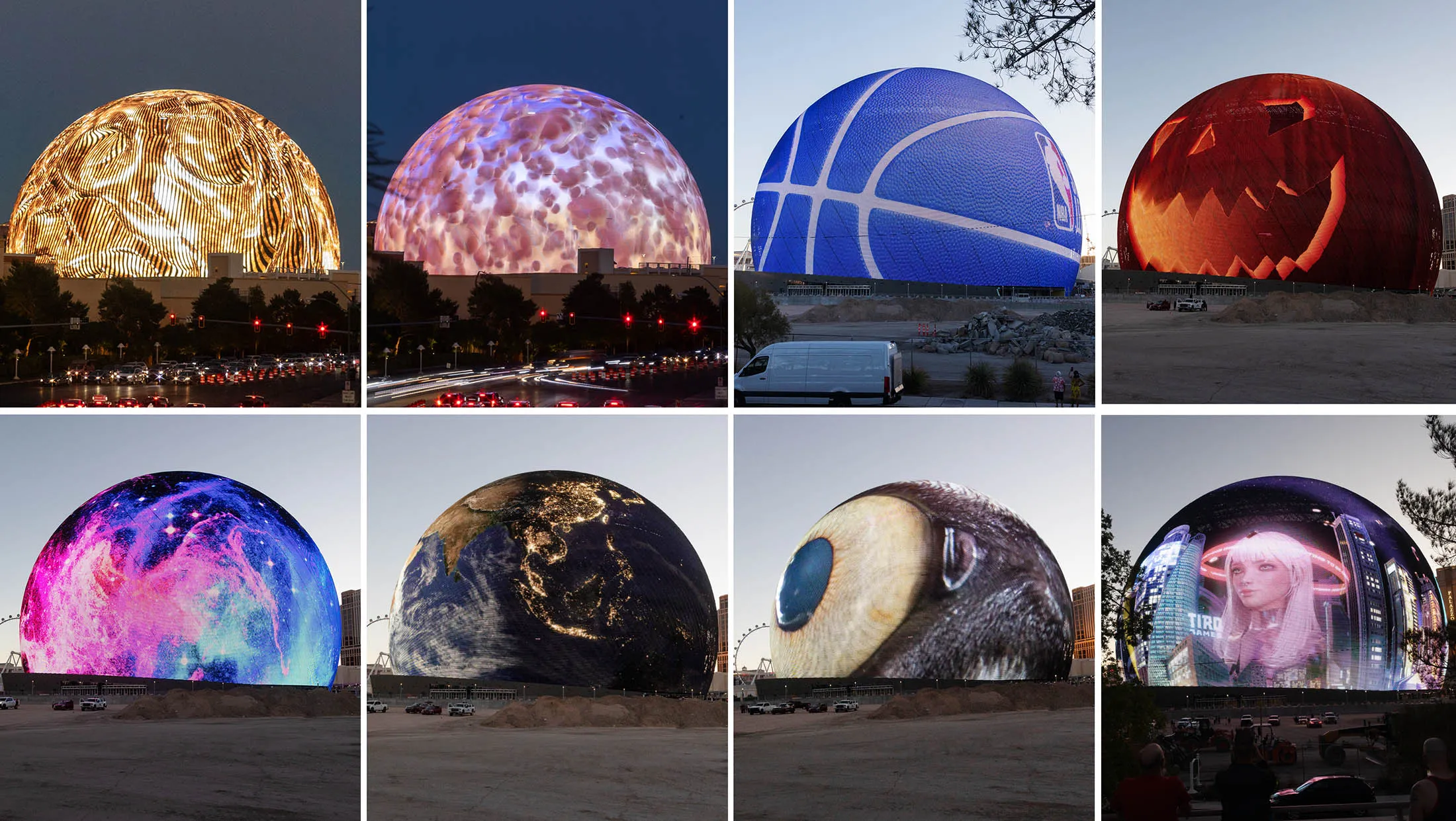
Several factors contributed to this escalation. The sheer ambition of the Las Vegas Sphere demanded cutting-edge technology, much of which was either nascent or required custom development. The exterior, a vast canvas of programmable LEDs, is the largest of its kind in the world, necessitating immense investment in its design, engineering, and installation. Similarly, the interior featured an unparalleled 16K x 16K LED screen, the highest resolution display ever created, requiring state-of-the-art technology and specialized installation techniques.
Furthermore, the complex structural engineering required to house such immense technological components, coupled with the integration of advanced audio systems and seating configurations, added substantial costs. The specialized nature of the construction, requiring a workforce with unique skill sets and adherence to stringent safety and quality standards, also played a role. The economic climate, including fluctuating material costs and labor rates during the multi-year construction period, further influenced the final budget. By the time of its grand opening, the Las Vegas Sphere had settled on a final cost that more than doubled the initial projections.
Technological Prowess and Its Price Tag
The most significant drivers of the Las Vegas Sphere’s cost are undoubtedly its groundbreaking technological components. The exterior LED system, comprising approximately 1.2 million LED pucks, each containing 48 individual LEDs, is a marvel of modern engineering. The sheer scale of this installation, covering the entire dome and capable of displaying dynamic, high-resolution imagery, represented a substantial capital investment. The development, manufacturing, and meticulous installation of these components alone amounted to hundreds of millions of dollars.
Internally, the 360-degree LED screen is a feat of visual engineering. Spanning an area of approximately 160,000 square feet, it provides an unparalleled immersive experience for audiences. The creation and installation of this screen, including the complex structural support and the integration of high-bandwidth data infrastructure to power its 16K resolution, represented another massive expenditure. The advanced audio system, designed to deliver haptic feedback and precise sound localization, further added to the technological cost.
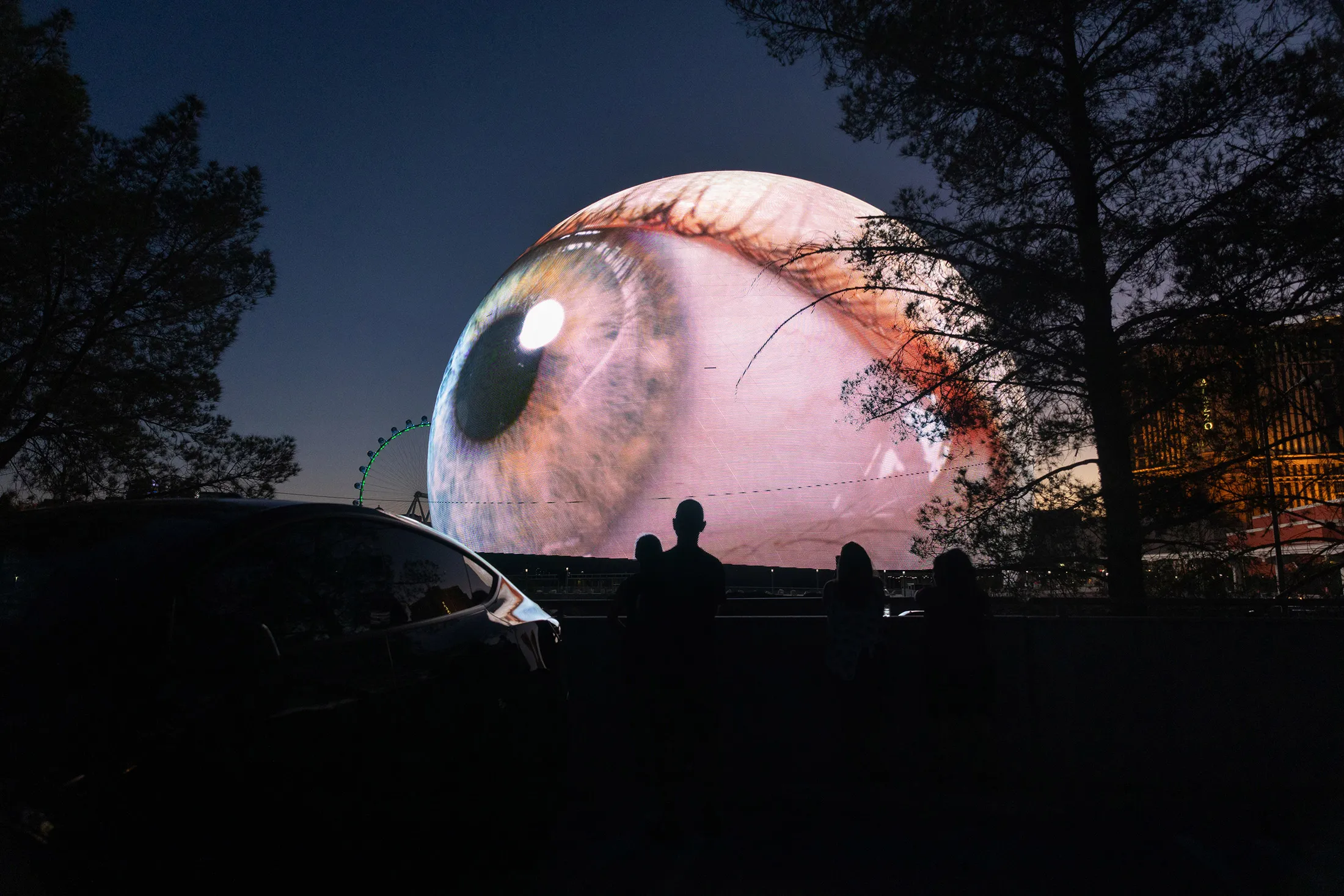
The development of the proprietary content designed to showcase the Sphere’s capabilities, such as “Postcard from Earth,” also required significant investment in creative talent, production, and post-production. This ongoing need for high-quality, custom-made content is an inherent part of the operational cost structure for such a venue, though the initial development of flagship shows contributed to the capital expenditure.
Construction Complexities and Associated Expenditures
Beyond the technological marvels, the physical construction of the Las Vegas Sphere presented its own set of formidable challenges and associated costs. The unique architectural design, a spherical structure rising 366 feet and spanning 516 feet at its widest point, required sophisticated engineering and construction techniques. The foundation, structural steel, and the intricate framework supporting the massive LED exterior demanded precision and extensive material resources.
The sheer scale of the project meant that procurement of materials, such as steel and concrete, occurred over an extended period, exposing the project to market fluctuations in pricing. Labor costs were also a significant factor. Constructing a venue of this unprecedented design and technological integration required a highly specialized workforce, including engineers, technicians, and construction crews with expertise in complex projects. The demand for such skilled labor in the competitive Las Vegas market undoubtedly contributed to higher wage rates and associated costs.
Furthermore, the integration of the exterior and interior LED systems with the physical structure demanded meticulous planning and execution. The complex system of wiring, power distribution, and cooling required to manage the heat generated by millions of LEDs added layers of complexity and cost to the construction process. The extensive safety protocols and quality control measures implemented throughout the construction also contributed to the overall expenditure, ensuring the integrity and longevity of this ambitious landmark.

The Unveiling: A Record-Breaking Investment in Entertainment
The final reported cost for the Las Vegas Sphere settled at an astonishing $2.3 billion. This figure places it among the most expensive entertainment venues ever constructed globally and underscores the audacious nature of the project. This substantial investment was driven by the commitment to creating an unparalleled immersive experience, pushing the boundaries of what is technologically and architecturally possible in live entertainment.
The justification for such an expenditure lies in the Sphere’s unique selling proposition. It is not merely a venue for concerts or sporting events; it is designed to be a destination in itself, offering entirely new forms of entertainment and content delivery. The ability to transport audiences to different worlds, to create sensory experiences that transcend traditional performance, is the core of its value proposition. This allows for premium ticket pricing and the potential for long-term revenue generation that can, in theory, amortize the initial capital outlay over time.
The Las Vegas Sphere’s cost also reflects its ambition to redefine the entertainment landscape. In a city already saturated with iconic venues and attractions, the Sphere aimed to create something entirely novel, a landmark that would draw visitors specifically for its unique offerings. The immense financial commitment is a testament to this ambition, a bet on the future of immersive entertainment and its potential to captivate global audiences. The success of this investment will be measured not only by its financial returns but also by its lasting impact on how we experience live events and digital content.
LifeOutOfTheBox is a participant in the Amazon Services LLC Associates Program, an affiliate advertising program designed to provide a means for sites to earn advertising fees by advertising and linking to Amazon.com. Amazon, the Amazon logo, AmazonSupply, and the AmazonSupply logo are trademarks of Amazon.com, Inc. or its affiliates. As an Amazon Associate we earn affiliate commissions from qualifying purchases.