
Embarking on a journey from the dazzling lights of Las Vegas to the sprawling metropolis of Los Angeles is a quintessential American road trip. While the distance might seem straightforward, understanding the various routes, travel times, and considerations involved can significantly enhance your travel experience. This guide delves into the specifics, offering insights for every type of traveler, from the meticulous planner to the spontaneous adventurer.
The Direct Route: Understanding the Mileage and Time
The most commonly traveled route between Las Vegas and Los Angeles primarily utilizes the Interstate 15 Freeway (I-15). This highway is the backbone connecting these two iconic cities, making it the most direct and generally the fastest option.
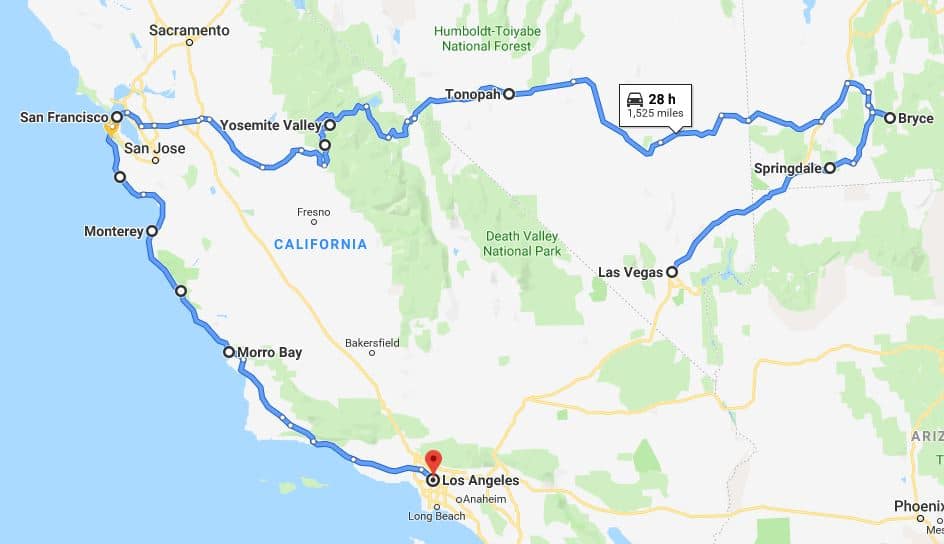
Standard Mileage Calculation
The standard driving distance from the heart of the Las Vegas Strip to the downtown area of Los Angeles is approximately 270 miles. This figure can vary slightly depending on your exact starting and ending points within each city. For instance, departing from McCarran International Airport (LAS) and arriving at Los Angeles International Airport (LAX) will yield a nearly identical mileage, as both airports are strategically located with direct access to the freeway system.
Estimated Travel Time
Under ideal traffic conditions, the drive from Las Vegas to Los Angeles can take anywhere from 4 to 5 hours. However, it is crucial to understand that “ideal conditions” are often a rarity, especially when approaching or entering the Los Angeles basin.
Factors Influencing Travel Time:
- Traffic Congestion: Los Angeles is notorious for its heavy traffic. Weekday rush hours, typically from 6 AM to 10 AM and 3 PM to 7 PM, can add significant delays. Weekend traffic, particularly on Friday afternoons heading into Los Angeles and Sunday afternoons heading back to Las Vegas, can also be substantial.
- Time of Day: Driving during off-peak hours, such as early mornings or late evenings, can drastically reduce your travel time.
- Road Construction and Incidents: Accidents, construction zones, and breakdowns can cause unexpected slowdowns and detours. It’s always advisable to check real-time traffic updates before and during your journey.
- Weather Conditions: While the route is generally arid, extreme weather events like heavy rain or dust storms can occur and impact driving conditions and speed.
Alternative Routes and Their Variations
While I-15 is the primary artery, other routes exist, often chosen for scenic value, to avoid specific traffic bottlenecks, or to explore unique stops along the way. These alternatives typically add to the mileage and travel time but can offer a richer travel experience.
The Scenic Detour via Mojave National Preserve
For travelers who appreciate stark desert beauty and a less congested drive, a detour through Mojave National Preserve can be a rewarding option. This route involves exiting I-15 at various points and rejoining it later, or even continuing towards the coast via different highways.
Route Description and Mileage Additions:
This route often involves taking routes like State Route 95 (SR-95) south from Laughlin, Nevada, which then leads into California and towards areas like Needles. From there, one can connect to roads that traverse through the preserve, offering sights such as the Kelso Dunes and Joshua Tree forests. This can add anywhere from 50 to 100 miles to your journey, depending on the specific path taken through the preserve and how you eventually link back to the I-15 or head directly towards Southern California cities like Riverside or San Bernardino.
Estimated Travel Time Impact:
The estimated travel time for this type of route can easily increase to 6 to 9 hours, not including stops for sightseeing within the preserve. This option is best suited for those with ample time who wish to experience the natural grandeur of the desert.
Traveling Through the High Desert to Inland Empire
Another variation involves taking I-15 but with a focus on exploring towns in the High Desert region of California before reaching the more densely populated Inland Empire. Towns like Barstow and Victorville offer historical sites and practical stops for fuel and rest.
Mileage and Time Considerations:
This route still largely follows I-15, so the mileage remains close to the standard 270 miles. However, the travel time can be extended by an hour or more due to the potential for slower speeds through these smaller towns and the likelihood of encountering local traffic, especially during commuting hours in the larger cities within the Inland Empire.
Preparing for Your Drive: Essential Travel Tips
Regardless of the route chosen, proper preparation is key to a smooth and enjoyable trip from Las Vegas to Los Angeles.
Vehicle Check and Essentials
Before setting off, ensure your vehicle is in good mechanical condition. Check tire pressure, oil levels, and brakes. Carry a basic emergency kit, including jumper cables, a first-aid kit, water, and non-perishable snacks, especially if venturing off the main freeway.
Fuel Stops and Rest Breaks
There are numerous service stations and rest areas along the I-15 corridor. However, it is advisable to refuel in Las Vegas before departing or in towns like Baker, California, which marks the beginning of the more challenging desert stretch. Plan for regular rest breaks to combat driver fatigue, which is particularly important during the long drive through the desert.
Navigation and Technology
Modern GPS devices and smartphone navigation apps (like Google Maps or Waze) are invaluable. They provide real-time traffic updates, suggest alternative routes in case of congestion, and estimate arrival times. Download offline maps before you leave, as cell service can be spotty in certain desert areas.
Choosing Your Arrival Time in Los Angeles
Given Los Angeles’s infamous traffic, strategically planning your arrival time is paramount.
- Morning Arrival (Before 7 AM): You might be able to avoid the worst of the morning rush, but you’ll be tired from an early start.
- Midday Arrival (10 AM – 2 PM): Generally a good window, with moderate traffic.
- Evening Arrival (After 7 PM): Traffic usually subsides significantly, offering a much smoother entry into the city.
The Purpose of Your Trip: Tailoring Your Route and Time
The ultimate reason for your travel between Las Vegas and Los Angeles will heavily influence your choice of route, departure time, and overall expectations.
Leisure Travel and Sightseeing
If your trip is primarily for leisure and you plan to stop and explore attractions along the way, the direct I-15 route might feel rushed. Consider the scenic routes that allow for exploration of towns like Calico Ghost Town near Barstow, or the unique desert landscapes of Mojave National Preserve. Such trips often require at least two days to fully enjoy.
Business Travel and Efficiency
For business travelers, minimizing travel time and ensuring punctuality is key. This means sticking to I-15 and diligently monitoring traffic conditions, aiming for off-peak travel windows. Having a backup plan, such as booking a flight if traffic becomes unmanageable, might also be considered.
Moving or Relocating
If you are moving belongings or relocating, the distance and time are factors in planning logistics. You may opt for a rental truck, which can be slower and more challenging to maneuver through traffic, further emphasizing the need for careful timing. The 270 miles will feel longer with a larger vehicle.
Beyond the Mileage: Understanding the Journey
The question of “how many miles” is only one part of the equation. The journey from Las Vegas to Los Angeles is a transition through diverse landscapes and cultural experiences, from the vibrant entertainment hub of Nevada to the diverse, dynamic urban sprawl of Southern California. Whether you choose the swift efficiency of I-15 or the adventurous spirit of a desert detour, understanding the distances, timings, and practicalities will ensure your road trip is as seamless and enjoyable as possible. The approximately 270 miles represent not just a physical distance, but a passage through iconic American scenery and a prelude to the unique experiences awaiting you in Los Angeles.
LifeOutOfTheBox is a participant in the Amazon Services LLC Associates Program, an affiliate advertising program designed to provide a means for sites to earn advertising fees by advertising and linking to Amazon.com. Amazon, the Amazon logo, AmazonSupply, and the AmazonSupply logo are trademarks of Amazon.com, Inc. or its affiliates. As an Amazon Associate we earn affiliate commissions from qualifying purchases.