
The glittering allure of Las Vegas is undeniable, drawing millions of visitors each year to its vibrant casinos, world-class entertainment, and luxurious resorts. While many come to indulge in the city’s famed excesses, a significant portion of the workforce is directly involved in making these experiences a reality for tourists. Understanding the economic landscape, particularly the minimum wage, offers a crucial lens through which to view the city’s service-oriented economy and the livelihoods of its residents. This exploration delves into the intricacies of minimum wage in Las Vegas, examining its current standing, influencing factors, and the broader implications for both employees and the thriving tourism industry.
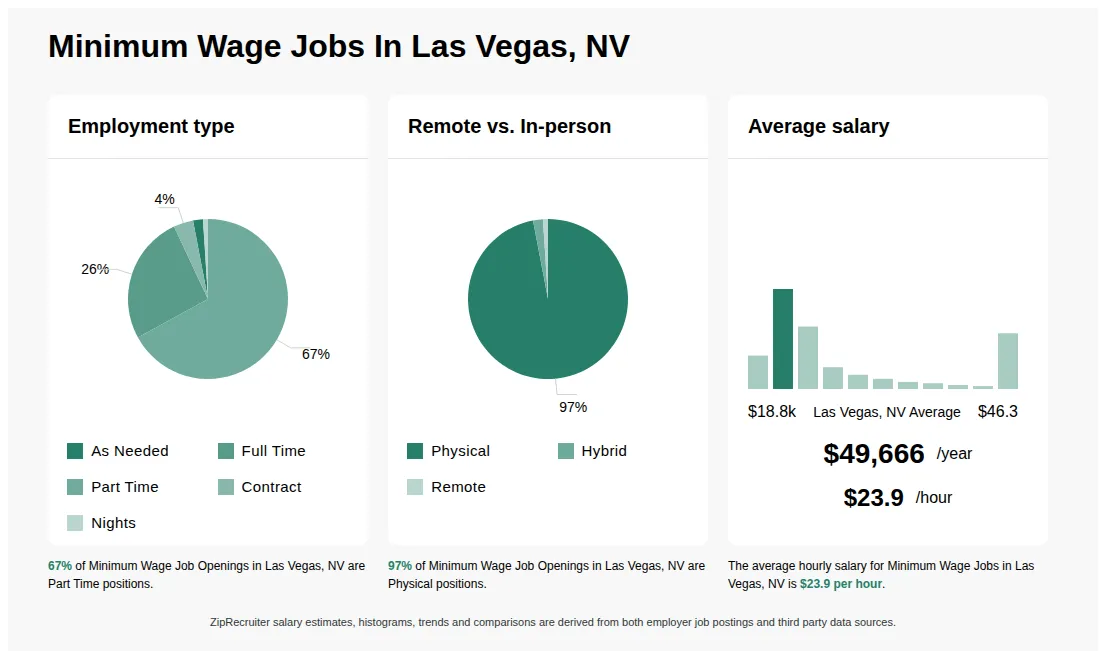
Nevada’s Minimum Wage Landscape
Nevada operates under a bifurcated minimum wage system, a structure that can initially seem complex but is designed to differentiate between employees who receive qualifying health benefits and those who do not. This distinction is critical when determining the applicable minimum wage rate.
The Two-Tiered System Explained
For most employers in Nevada, including those in the Las Vegas metropolitan area, the minimum wage is set at two distinct levels.
- With Qualifying Health Benefits: Employees who are offered and provided qualifying health benefits by their employer are subject to a lower minimum wage. This rate is specifically designed to account for the employer’s contribution to the employee’s healthcare costs.
- Without Qualifying Health Benefits: Conversely, employees who are not offered or do not receive qualifying health benefits are entitled to a higher minimum wage. This rate reflects the full compensation for their labor without the offset of employer-provided health insurance.
The specific dollar amounts for these tiers are adjusted periodically, typically on July 1st of each year, based on a statutory formula. These adjustments ensure that the minimum wage keeps pace with economic conditions and inflation, though the precise increase is governed by legislative mandates. The exact figures are published by the Nevada Department of Taxation, and it is incumbent upon employers to stay abreast of these changes to ensure compliance.
Federal vs. State Minimum Wage
It is important to note that Nevada has a state minimum wage that supersedes the federal minimum wage. While the federal minimum wage remains a baseline, employers operating within Nevada must adhere to the higher state rates. This ensures a more consistent and potentially more substantial minimum standard of pay for workers across the state, particularly in sectors that are heavily reliant on hourly labor, such as hospitality and retail.
Minimum Wage in the Heart of the Tourist Industry
The hospitality sector forms the backbone of Las Vegas’ economy. From the bellhops at grand resorts like the Bellagio to the servers in bustling restaurants and the housekeeping staff keeping opulent suites pristine, a vast workforce earns at or near the minimum wage.
Impact on Hospitality Workers
The bifurcated minimum wage system directly influences the earnings of a significant portion of Las Vegas’ hospitality workforce. For many service industry roles, particularly those that involve direct customer interaction and are often supplemented by tips, the “with qualifying health benefits” wage might be the applicable rate. However, the distinction of “qualifying health benefits” can be a point of contention and careful definition, requiring employers to provide clear documentation and employees to understand their eligibility.
The tips received by many of these workers can, in some cases, bring their total earnings above the minimum wage. However, minimum wage laws are designed to establish a floor, ensuring that even without substantial tips, an employee receives a legally mandated baseline compensation. For roles where tips are not a significant component, or for those employees not covered by employer-provided health benefits, the higher minimum wage rate is crucial.
Service Charges vs. Tips
Another layer of complexity in the Las Vegas hospitality industry is the presence of service charges. Many large hotels and convention centers, for instance, automatically add a service charge to bills for banquets, events, or even room service. The distribution of these service charges can vary; some may be fully distributed to the service staff, while others might be retained by the establishment to offset labor costs or for other operational purposes. Understanding how service charges are applied and distributed is vital for workers to accurately assess their overall compensation against the minimum wage requirements.
Broader Economic and Social Implications
The level of minimum wage in Las Vegas has ripple effects that extend beyond individual paychecks, influencing the cost of living, consumer spending, and the overall economic health of the region.
Cost of Living Considerations
Las Vegas has experienced fluctuations in its cost of living, with housing and essential goods being significant factors for residents. A higher minimum wage can provide a greater buffer against rising costs, allowing low-wage workers to better afford necessities and achieve a more stable financial footing. Conversely, a minimum wage that lags behind the cost of living can exacerbate financial precarity for a substantial segment of the population.
Business Operations and Competitiveness
For businesses, particularly small and medium-sized enterprises operating on tighter margins, changes in minimum wage represent a direct increase in labor costs. This can necessitate adjustments in pricing, operational efficiencies, or staffing levels. However, proponents argue that a higher minimum wage can lead to increased employee morale, reduced turnover, and enhanced productivity, ultimately benefiting the business in the long run. In a competitive tourism market like Las Vegas, businesses must balance these labor cost considerations with the need to provide exceptional service that is synonymous with the city’s brand.
The Role of Unions and Advocacy
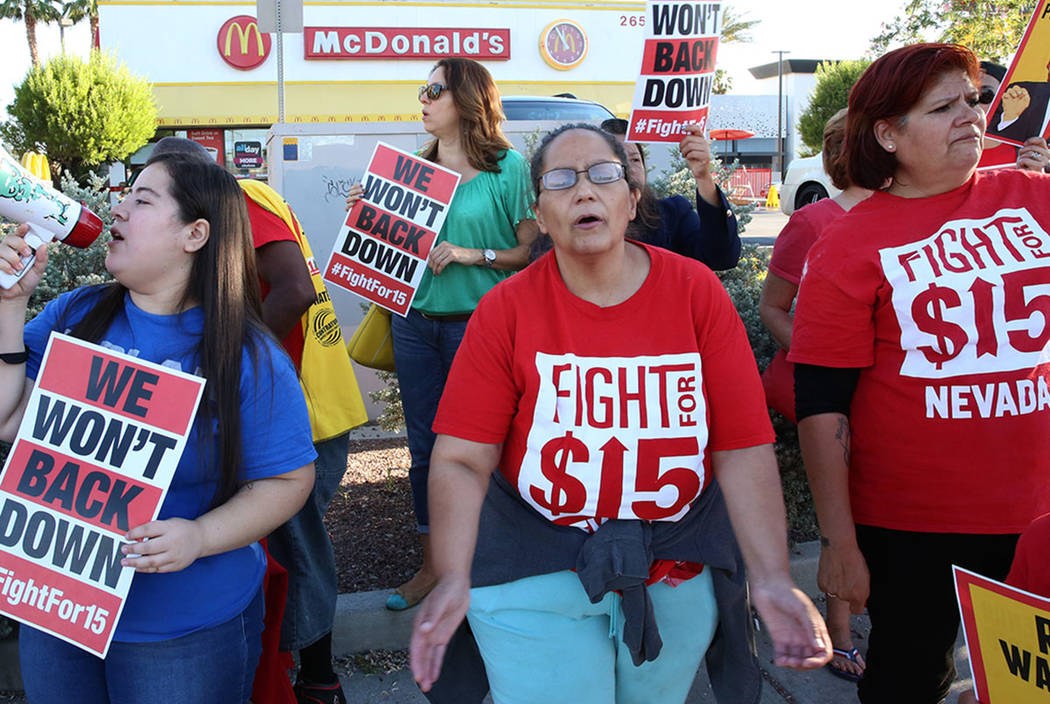
Labor unions and worker advocacy groups play a significant role in shaping minimum wage discussions and pushing for legislative changes. In industries where the minimum wage is a critical factor, collective bargaining can be a powerful tool for workers to negotiate for higher wages, better benefits, and improved working conditions. Public discourse surrounding the adequacy of the current minimum wage in Las Vegas is ongoing, reflecting the diverse perspectives of workers, employers, and policymakers.
Future Outlook and Potential Changes
The minimum wage is not a static figure. It is subject to ongoing debate, legislative review, and potential adjustments based on economic indicators and public sentiment.
Legislative Trends and Proposals
As Nevada continues to evolve, discussions surrounding minimum wage are likely to persist. Proposals for increases, changes to the bifurcated system, or even the introduction of a single, higher minimum wage may emerge. These discussions are often influenced by national economic trends, the cost of living within the state, and the ongoing needs of its workforce. Policymakers will weigh the potential benefits for low-wage workers against the perceived impacts on businesses and the broader economy.
Economic Factors Influencing Adjustments
The rate of inflation, employment figures, and the overall economic growth of Nevada and Las Vegas are key drivers of minimum wage adjustments. When the cost of living rises significantly, there is often increased pressure to raise the minimum wage to ensure that workers can maintain a reasonable standard of living. Similarly, strong economic growth might provide more capacity for businesses to absorb higher labor costs.

The Ongoing Debate on Livable Wages
Beyond the statutory minimum wage, there is a broader conversation about “livable wages” – the income needed to cover basic needs and maintain a decent quality of life. In a city that relies heavily on its service industry, ensuring that workers earn enough to thrive, not just survive, remains a central theme in discussions about economic equity and the future of work in Las Vegas. This involves not only wage levels but also considerations of benefits, working hours, and job security.
LifeOutOfTheBox is a participant in the Amazon Services LLC Associates Program, an affiliate advertising program designed to provide a means for sites to earn advertising fees by advertising and linking to Amazon.com. Amazon, the Amazon logo, AmazonSupply, and the AmazonSupply logo are trademarks of Amazon.com, Inc. or its affiliates. As an Amazon Associate we earn affiliate commissions from qualifying purchases.