
The glittering landscape of the Las Vegas Strip is a testament to immense architectural ambition and sophisticated hospitality. Among its most iconic structures, the Aria Resort & Casino stands out for its sleek design, luxurious amenities, and vibrant atmosphere. But beneath the surface of this sprawling entertainment complex lies a complex web of ownership and management, a narrative that often unfolds behind the scenes of the flashy facade. Understanding who owns Aria is key to appreciating its place within the broader ecosystem of Las Vegas hospitality and its strategic positioning in the competitive resort market.

The Architectural Vision and Initial Development
The genesis of Aria Resort & Casino can be traced back to the ambitious CityCenter project, a mixed-use development that was once the largest privately financed construction project in the United States. Initiated by MGM Mirage (now known as MGM Resorts International), the vision for CityCenter was to create a sophisticated, urban-inspired destination that would redefine the Las Vegas experience, moving beyond the traditional themes of other resorts. Aria was envisioned as the anchor property, a modern and elegant resort that would embody this new direction.
CityCenter’s Ambitious Scope
CityCenter was a groundbreaking endeavor, a partnership that aimed to integrate residences, hotels, retail, and entertainment within a cohesive urban environment. The project was designed by a consortium of renowned architects and designers, contributing to its distinctive aesthetic and innovative features. Aria, in particular, was designed by Pelli Clarke Pelli Architects, known for their modern and distinctive architectural style. The resort’s twin glass towers, soaring high above the Strip, are a signature element of its design, reflecting the sky and the surrounding cityscape. The development was characterized by a strong emphasis on sustainability, with Aria achieving LEED Gold certification, a first for a casino resort of its size. This focus on eco-friendly design and operation was a significant departure from the typical development practices of the time and underscored the forward-thinking nature of the project.
Financial Undertakings and Partnerships
The sheer scale of the CityCenter project involved substantial financial commitments and intricate partnerships. While MGM Mirage was the primary developer, the economic climate of the late 2000s presented significant challenges. The global financial crisis of 2007-2008 impacted construction timelines and financial projections. To navigate these complexities, MGM Mirage entered into a joint venture with Dubai World, a state-owned investment company of the Emirate of Dubai. This partnership provided crucial funding and international backing for the ambitious development. However, the economic downturn also led to disputes and restructuring of the partnership, highlighting the inherent risks associated with mega-projects in volatile economic periods. The initial investment was substantial, with the entire CityCenter project costing tens of billions of dollars.
MGM Resorts International: The Primary Stakeholder
The ultimate owner and operator of Aria Resort & Casino is MGM Resorts International (formerly MGM Mirage). As one of the world’s leading hospitality and entertainment companies, MGM Resorts has a vast portfolio of properties across the globe, with a significant concentration on the Las Vegas Strip. The company’s strategic vision has consistently centered on developing and managing integrated resorts that offer a comprehensive entertainment experience, encompassing gaming, dining, lodging, shopping, and world-class live performances.
The Evolution of Ownership
MGM Mirage was formed in 2000 through the merger of MGM Grand Inc. and Mirage Resorts Incorporated. This consolidation brought together a collection of iconic Las Vegas properties under a single corporate umbrella. The development of Aria and the broader CityCenter project represented a significant expansion and modernization of the company’s offerings. In 2010, the company officially rebranded as MGM Resorts International, reflecting its global reach and diverse portfolio. This rebranding was accompanied by a strategic shift towards optimizing its asset portfolio and focusing on core brands, with Aria remaining a flagship property.
Operational Management and Brand Identity
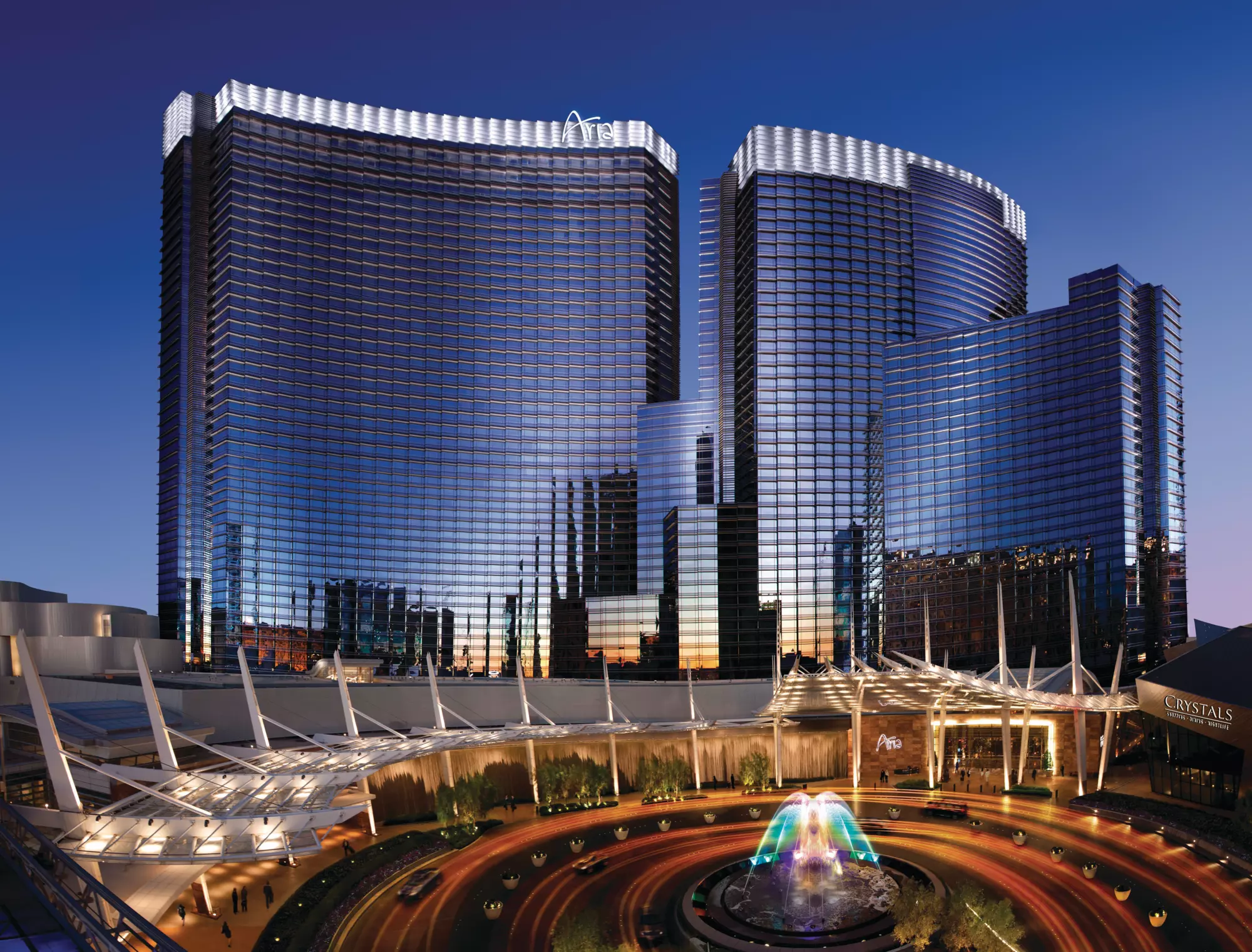
MGM Resorts International retains full operational control of Aria Resort & Casino. This includes overseeing all aspects of the resort’s operations, from the gaming floor and hotel services to its extensive dining and entertainment venues. The company is responsible for setting the brand standards, marketing strategies, and customer service protocols that define the Aria experience. The resort is positioned as a more sophisticated and upscale option within the MGM Resorts portfolio, attracting a discerning clientele seeking modern luxury and a high-end gaming and entertainment experience. The commitment to innovation and service excellence is a hallmark of MGM Resorts’ management philosophy, and Aria serves as a prime example of this dedication.
The Role of Real Estate Investment Trusts (REITs)
In the complex world of large-scale hospitality ownership, Real Estate Investment Trusts (REITs) often play a significant role, particularly in managing the real estate assets associated with casino resorts. While MGM Resorts International operates and manages Aria, the ownership of the physical real estate itself has undergone restructuring over time, a common practice in the industry to optimize financial structures and create liquidity.
Strategic Asset Realignment
In a strategic move to unlock capital and streamline its balance sheet, MGM Resorts International has engaged in transactions with various REITs. A notable example is the partnership with the Chow Tai Fook Jewellery Group affiliated MGM China Holdings Limited, though this primarily pertains to their Macau operations. Within the United States, specifically for its Las Vegas properties, MGM Resorts has historically worked with REITs. For instance, it has had relationships with companies like MGM Growth Properties, which was formed to own the real estate assets of several MGM Resorts properties, including Aria. This structure separates the ownership of the land and buildings from the operation of the casino and resort business.
The Relationship with MGM Growth Properties (and its subsequent acquisition)
MGM Growth Properties (MGP) was established as a publicly traded REIT in 2016. MGM Resorts International initially spun off 10 of its casino properties, including Aria, into MGP. Under this arrangement, MGP owned the real estate, and MGM Resorts continued to operate the properties under long-term lease agreements. This financial maneuver allowed MGM Resorts to generate significant capital while maintaining operational control and access to its prime assets. However, in a significant development, in 2022, MGM Resorts International announced its intention to acquire MGP. This acquisition was completed in March 2022, effectively bringing the real estate of Aria and other previously spun-off properties back under the direct ownership of MGM Resorts International. This move consolidated ownership and management, simplifying the corporate structure and reinforcing MGM Resorts’ position as the sole owner and operator of its core Las Vegas assets.
The Impact of Ownership on the Guest Experience
The intricate ownership and management structure of a resort like Aria has a direct bearing on the guest experience. As a flagship property of MGM Resorts International, the resort benefits from the significant resources, expertise, and brand recognition that come with being part of a global hospitality leader. The emphasis on a sophisticated and modern atmosphere, coupled with high standards of service, is a direct reflection of the ownership’s strategic vision for the property.
Consistency and Quality Standards
Being part of a major corporation like MGM Resorts generally ensures a high level of consistency in service and quality across all aspects of the guest experience. This means that guests can expect a certain standard of cleanliness, efficiency, and attention to detail, whether they are checking in at the front desk, dining at one of the resort’s acclaimed restaurants, or enjoying the gaming facilities. The company’s investment in technology, staff training, and property maintenance is crucial in upholding the Aria brand and its reputation for luxury. The integration of smart room technology, personalized service options, and curated entertainment programming are all facets of this commitment.

Investment in Amenities and Evolution
The financial backing provided by MGM Resorts International allows for continuous investment in the resort’s amenities and ongoing evolution. Aria is known for its world-class dining options, featuring celebrity chefs and diverse culinary experiences, its expansive pool complex, its vibrant nightclub, and its exceptional spa. The ownership’s ability to fund regular renovations, introduce new attractions, and stay ahead of industry trends is vital in maintaining the resort’s competitive edge in the dynamic Las Vegas market. The ongoing development of new entertainment venues and the enhancement of existing facilities demonstrate a commitment to providing guests with fresh and exciting experiences. This dedication to enhancement ensures that Aria remains a premier destination for travelers seeking a luxurious and unforgettable stay.
LifeOutOfTheBox is a participant in the Amazon Services LLC Associates Program, an affiliate advertising program designed to provide a means for sites to earn advertising fees by advertising and linking to Amazon.com. Amazon, the Amazon logo, AmazonSupply, and the AmazonSupply logo are trademarks of Amazon.com, Inc. or its affiliates. As an Amazon Associate we earn affiliate commissions from qualifying purchases.