
Florida, affectionately known as the Sunshine State, beckons millions of travelers each year with its promise of warmth, vibrant culture, and an endless array of attractions. From the theme park capital of Orlando to the bustling beaches of Miami and the tranquil turquoise waters of the Florida Keys, the state offers a kaleidoscope of experiences. However, understanding Florida’s unique weather patterns is paramount for anyone planning a visit, as the climate significantly shapes everything from daily activities and packing choices to the ideal time for your dream vacation, influencing your overall travel experience and accommodation considerations.
Unlike regions with four distinct seasons, Florida operates on a more subtle climatic rhythm, primarily characterized by two major phases: a warm, wet season and a mild, dry season. This subtropical to tropical climate ensures year-round warmth, but the nuances within these phases can make all the difference in whether your trip involves sun-drenched beach days, navigating afternoon showers, or enjoying crisp, cool evenings. For those delving into travel guides, planning family trips, or seeking luxury travel experiences, a comprehensive grasp of Florida’s weather is a foundational piece of knowledge that enhances every aspect of your journey, from choosing the perfect resort to exploring local culture and famous landmarks.
Unpacking Florida’s Subtropical Climate: A Traveler’s Perspective
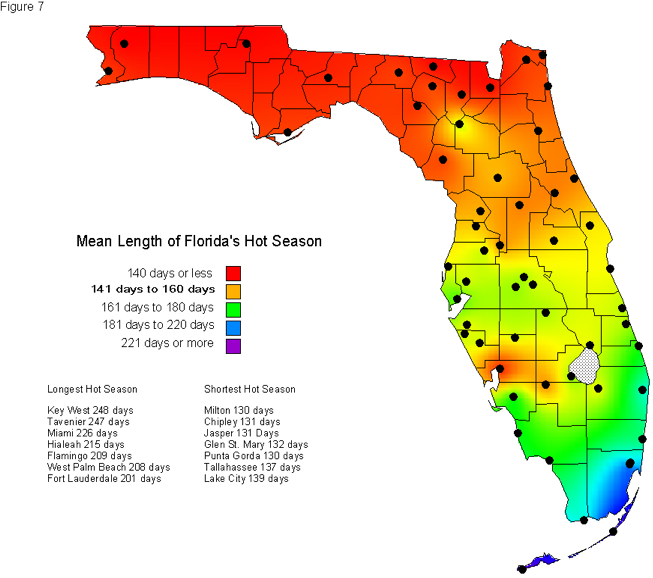
Florida’s geographical position, extending into the Caribbean Sea and bordered by the Atlantic Ocean and the Gulf of Mexico, profoundly influences its climate. The prevailing winds, ocean currents, and latitude create a humid subtropical climate across most of the state, transitioning to a tropical climate in the southern tip, including the Florida Keys. This means that average temperatures remain high throughout the year, with ample sunshine, making it an enduringly popular destination for those escaping colder northern winters. The hallmark of Florida’s climate is its humidity, which is a constant presence, particularly during the warmer months, contributing to the lush, verdant landscapes and vibrant ecosystems.
For travelers, this consistent warmth translates into a flexible vacation window, but understanding the subtle shifts can help tailor your itinerary. While “winter” in Florida might mean a light jacket for an evening stroll, it’s still beach weather for many visitors from colder climes. Conversely, “summer” brings with it intense heat and humidity, offset by frequent, albeit brief, afternoon thunderstorms that often provide a welcome cooling effect. These climatic conditions dictate not just what to pack, but also the types of activities that are most enjoyable, the best times to visit certain attractions, and even the amenities you might prioritize when booking accommodation, such as air conditioning strength or access to shaded pools. Whether you’re planning a budget travel adventure or a luxurious resort stay, factoring in the climate ensures a more comfortable and enjoyable trip, preventing unexpected weather-related inconveniences from dampening your spirits.
Seasonal Deep Dive: Planning Your Florida Getaway
Florida’s seasons, though not as dramatic as those in temperate zones, each offer distinct advantages and considerations for travelers. Understanding these cycles is key to planning the perfect trip, whether you’re seeking vibrant tourism experiences, historical landmarks, or simply relaxation.
Winter in the Sunshine State (December – February)
Florida’s winter is arguably its most popular season for tourism, and for good reason. From December through February, the state experiences its driest and coolest period, offering a glorious escape from harsh northern winters. Average daytime temperatures range from the low 60s Fahrenheit (15-18°C) in the northern parts of the state, like the Florida Panhandle, to the comfortable low to mid-70s Fahrenheit (21-24°C) in central and southern Florida, including Orlando and Miami. Humidity levels are significantly lower, and sunny skies are the norm.
This period is ideal for virtually all outdoor activities. Theme parks are enjoyable without the oppressive summer heat, beaches are pleasant for sunbathing and leisurely walks, and golf courses are in prime condition. It’s also the peak season for exploring natural landmarks such as Everglades National Park, where wildlife viewing, particularly of alligators and migratory birds, is excellent. Many people plan family trips around the winter holidays or use this season for luxury travel escapes, seeking high-end resorts with ample amenities to enjoy the temperate weather. Due to high demand, booking accommodation well in advance is crucial, especially for popular destinations, as hotels and resorts often fill up quickly and command higher rates.
Spring’s Gentle Embrace (March – May)
As Florida transitions from winter to spring, the weather becomes increasingly warm and pleasant, yet still largely dry, particularly in March and early April. Temperatures gradually climb from the mid-70s F (24°C) in March to the low 80s F (27-29°C) by May. Humidity begins to increase, but it generally remains more comfortable than in the summer months. This season is characterized by blooming flowers and vibrant natural landscapes, making it an excellent time for exploring botanical gardens, state parks, and coastal areas before the intense summer heat sets in.
Spring is a fantastic time for beach vacations, as the ocean waters begin to warm up, and for visiting historical sites like St. Augustine, where walking tours are particularly enjoyable. Attractions are bustling, especially during spring break periods, when colleges and schools are out. Families and couples often find this period perfect for their travel experiences, balancing warmth with less extreme humidity. Accommodation prices can vary, with spikes during spring break weeks, so checking school calendars is a smart booking tip. Resorts catering to families often offer special programs, making it a great time for diverse tourism activities.
Summer’s Tropical Intensity (June – August)
Florida’s summer months are synonymous with heat, high humidity, and frequent afternoon thunderstorms. Average daily temperatures across the state typically hover in the high 80s to low 90s Fahrenheit (30-34°C), with “real feel” temperatures often soaring higher due to the humidity. Ocean temperatures are wonderfully warm, perfect for swimming and water sports.
Despite the intensity, summer remains a very popular time for family trips, largely because children are out of school. Attractions like theme parks adapt with numerous water rides, air-conditioned indoor shows, and misting stations. It’s the ideal season for embracing water-based activities, from snorkeling in the Florida Keys to exploring springs and rivers. Tourists during this period should focus on hydration, plan indoor activities for the hottest parts of the day, and be prepared for daily afternoon showers. This can also be a good time for budget travel, as some hotel rates might drop slightly outside of major holiday weekends, and resorts often offer packages to entice visitors during the humid season. When choosing accommodation, robust air conditioning and excellent pool facilities become top priorities.
Autumn’s Milder Return (September – November)
As summer transitions into autumn, Florida experiences a gradual return to more comfortable conditions, though it’s important to note that September and early October can still feel very much like summer in terms of heat and humidity. However, by late October and November, temperatures become milder, falling into the low to mid-80s F (27-29°C) during the day and cooler in the evenings. Humidity levels steadily decrease, making outdoor activities increasingly enjoyable.
This period, particularly late autumn, is often considered another “sweet spot” for Florida travel, offering pleasant weather without the peak season crowds of winter. It’s an excellent time to experience local culture through various festivals, outdoor dining, and exploring nature parks. Beaches remain inviting, and the slightly cooler temperatures are ideal for longer walks and bike rides. For those interested in tourism beyond the main attractions, autumn allows for a more relaxed pace. Booking accommodation can be easier, with potentially better rates than the peak winter season, making it appealing for both luxury and budget-conscious travelers.
Understanding Florida’s Unique Weather Phenomena
Beyond the general seasonal shifts, Florida is known for a few distinct weather phenomena that are important for any visitor to understand, especially when planning daily activities and ensuring safety.
The Afternoon Thunderstorm: A Daily Ritual
One of the most characteristic features of Florida’s climate, especially from June through September, is the almost daily occurrence of afternoon thunderstorms. These are typically brief, intense downpours that develop in the late afternoon, often between 2 PM and 5 PM, lasting anywhere from 30 minutes to a couple of hours. They are usually accompanied by heavy rain, vivid lightning, and sometimes gusty winds.
For travelers, it’s crucial to understand that these aren’t typically all-day rain events that derail an entire day. Instead, they are predictable enough that you can plan around them. Many locals and seasoned visitors use this time for indoor activities like shopping, dining, visiting museums, or simply returning to their hotel or resort for a short break. By the time the storm passes, skies often clear, and the air feels refreshed and cooler, making for pleasant evenings. When planning your daily itinerary, especially for theme parks or beach outings, scheduling outdoor activities for the morning and early afternoon, and having a backup indoor plan, is a smart strategy to maximize your travel experiences.

Hurricane Season: Awareness, Not Alarm
Florida lies within the Atlantic hurricane belt, and its hurricane season officially runs from June 1st to November 30th, with the peak months typically being August, September, and October. While the thought of a hurricane can be daunting, it’s vital to approach this with awareness rather than excessive alarm. The probability of any specific location in Florida being directly hit by a hurricane on any given day during this six-month period is statistically quite low.
Nevertheless, preparedness is key. For travelers, this means staying informed. Before and during your trip, monitor reputable weather forecasts from sources like the National Hurricane Center. Many hotels and resorts in Florida have robust hurricane preparedness plans in place, and major attractions will provide guidance if a storm threat emerges. It’s advisable to consider travel insurance that covers hurricane-related cancellations or interruptions, especially if traveling during the peak months. Additionally, choosing accommodation with flexible booking and cancellation policies can provide peace of mind. While hurricanes are a significant weather event, the advanced warning systems typically provide ample time for residents and visitors to take necessary precautions, evacuate if advised, or alter travel plans. This aspect of tourism planning, while serious, should not deter visitors but rather encourage informed decision-making.
Cold Fronts and Winter Chill (Panhandle)
While Florida is famous for its warmth, the northern parts of the state, particularly the Florida Panhandle, can experience genuinely cold weather when strong cold fronts push south from the continental United States during the winter months. Temperatures can drop into the 30s or even 20s Fahrenheit (-1 to -7°C) overnight, with daytime highs sometimes struggling to get above 50°F (10°C). Even central Florida, including Orlando, can occasionally see overnight temperatures dip close to freezing, though these cold snaps are usually brief and the sun quickly warms things up during the day.
Southern Florida, including Miami and the Florida Keys, is far less affected by these cold fronts, maintaining its tropical warmth for the most part. For travelers heading to the Panhandle in winter, packing warmer layers, including a jacket and maybe even a hat and gloves for evenings, is a wise decision. For the rest of the state, a light jacket or sweater is usually sufficient for cooler evenings, even in winter. Understanding this regional variation is crucial for packing appropriately and ensuring comfort, especially if your travel plans include exploring different parts of the expansive state.

Navigating Florida Weather: Essential Tips for Travelers
Equipped with knowledge about Florida’s climate, you can make informed decisions to ensure a fantastic and comfortable trip, no matter the season.
- Pack Smart: Light, breathable clothing is essential year-round due to the warmth and humidity. During the summer, a light rain jacket or umbrella is a must for afternoon storms. In winter, even in southern Florida, a light sweater or jacket for evenings is advisable, with warmer layers needed if you’re venturing north. Don’t forget swimwear, sun protection (high-SPF sunscreen, hats, sunglasses), and comfortable walking shoes.
- Stay Hydrated: The warmth and humidity, particularly during the summer, can lead to dehydration. Drink plenty of water throughout the day, especially if you’re engaging in outdoor activities at theme parks, beaches, or natural landmarks.
- Plan Around the Sun: The Florida sun is intense. Seek shade during the hottest parts of the day (typically late morning to mid-afternoon). Early mornings and late afternoons/evenings are often the most pleasant times for outdoor exploration and tourism activities.
- Leverage Weather Apps: Modern weather apps provide hyper-local, real-time forecasts, including radar, which can be invaluable for tracking afternoon thunderstorms and planning your day minute-by-minute.
- Consider Travel Insurance: Especially if traveling during hurricane season, travel insurance can provide peace of mind against unforeseen cancellations or delays, protecting your investment in flights, hotels, and experiences.
- Book Accommodation Wisely: When researching hotels and resorts, consider amenities that align with the season. In summer, strong air conditioning and excellent pool facilities are prime. In winter, perhaps a heated pool or proximity to outdoor attractions might be more appealing. Read reviews regarding comfort and climate control.
- Flexibility is Key: While planning is crucial, maintaining a degree of flexibility in your itinerary allows you to adapt to sudden weather changes, whether it’s a quick afternoon shower or a particularly hot day. Having a backup indoor activity can save the day.
In conclusion, Florida’s weather is a defining characteristic of the state, influencing everything from its lush landscapes to its vibrant tourism industry. While it largely lives up to its “Sunshine State” moniker with abundant warmth and sunny days, understanding its seasonal rhythms, characteristic afternoon thunderstorms, and the nuances of hurricane season allows travelers to perfectly tailor their journeys. By embracing the unique aspects of Florida’s climate and following practical tips, visitors can ensure their travel experiences, whether they involve family trips to theme parks, luxurious resort stays, budget travel adventures, or explorations of famous landmarks and local culture, are as comfortable and enjoyable as possible, leaving them with unforgettable memories of this subtropical paradise.
LifeOutOfTheBox is a participant in the Amazon Services LLC Associates Program, an affiliate advertising program designed to provide a means for sites to earn advertising fees by advertising and linking to Amazon.com. Amazon, the Amazon logo, AmazonSupply, and the AmazonSupply logo are trademarks of Amazon.com, Inc. or its affiliates. As an Amazon Associate we earn affiliate commissions from qualifying purchases.