
The notion that California, with its iconic Pacific coastline, vibrant cities, and laid-back lifestyle, operates on Eastern Time is a common misconception, often leading to confusion for travelers, businesses, and anyone planning to connect with the Golden State. For those accustomed to the hustle of the East Coast or simply navigating the complexities of domestic travel within the United States, understanding California’s true time zone is fundamental to seamless planning and an enjoyable experience. The definitive answer is a resounding no: California is firmly rooted in the Pacific Time Zone, a crucial detail that impacts everything from flight schedules and hotel check-ins to virtual meetings and the timing of sunsets over the Pacific Ocean.
This article will delve into the specifics of California’s time zone, explain the broader context of time zones across the United States, and provide invaluable insights for travelers. From navigating the initial shock of a time difference to effectively planning your itinerary and mitigating the effects of jet lag, we’ll cover how understanding the clock is key to unlocking the best of what California has to offer. Whether you’re a first-time visitor eager to explore Los Angeles‘ Hollywood glamour, the natural wonders of Yosemite National Park, or the innovative spirit of Silicon Valley, mastering the time difference is your first step towards an unforgettable journey.
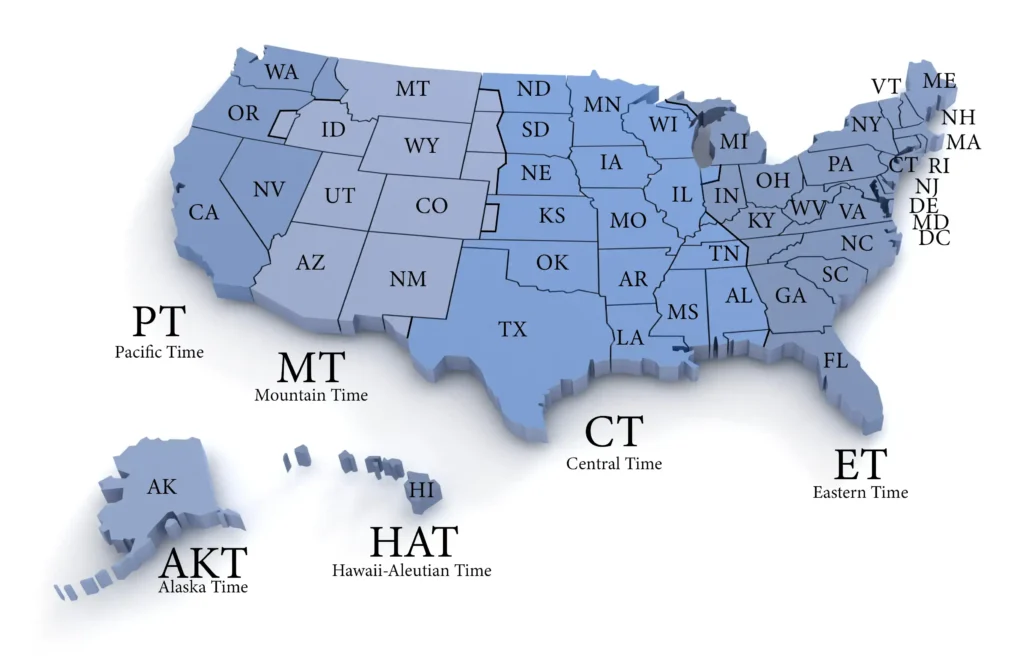
Unpacking California’s True Time Zone: Pacific Standard Time (PST) and Pacific Daylight Time (PDT)
California operates under the Pacific Time Zone, which means it is three hours behind Eastern Time. This significant difference is a cornerstone of daily life and travel planning in the state. To truly grasp California’s temporal identity, it’s essential to distinguish between Pacific Standard Time (PST) and Pacific Daylight Time (PDT).
Pacific Standard Time (PST) and Pacific Daylight Time (PDT) Explained
For much of the year, specifically from early November to mid-March, California observes Pacific Standard Time (PST), which is UTC-8. During these months, if it’s 3:00 PM in New York City (Eastern Standard Time, EST), it will be 12:00 PM in Los Angeles.
However, like most of the United States, California practices Daylight Saving Time. From mid-March to early November, the state shifts to Pacific Daylight Time (PDT), moving the clocks forward by one hour to UTC-7. This adjustment means that while the time difference with Eastern Time remains three hours, the specific offset from UTC changes. The purpose of Daylight Saving Time is to make better use of daylight, shifting an hour of daylight from the morning to the evening, which can be particularly beneficial for tourism and outdoor activities. This annual transition is a critical detail for travelers, especially when booking flights, hotel accommodations, or planning tours and activities. Imagine arriving at Disneyland an hour late for your FastPass because you forgot to adjust for PDT!
A National Overview: United States Time Zones
To fully appreciate California’s place in the temporal landscape, it’s useful to consider the broader context of time zones across the United States. The continental United States alone spans four primary time zones:
- Eastern Time Zone (ET): Covering states along the Atlantic coast and extending inland, including major cities like New York City, Miami, and Washington D.C..
- Central Time Zone (CT): Encompassing the central plains, including Chicago, Dallas, and New Orleans.
- Mountain Time Zone (MT): Stretching across the Rocky Mountains, with cities such as Denver and Salt Lake City.
- Pacific Time Zone (PT): Home to California, Oregon, Washington, and Nevada.
Beyond these four, Alaska and Hawaii have their own distinct time zones (Alaska Time and Hawaii Standard Time, respectively), adding even more layers to the national clock. This multi-zone system is a direct consequence of the country’s vast geographical expanse, designed to align local solar noon with the clock as much as possible, facilitating everything from commerce to communication. Understanding this mosaic is invaluable for any traveler planning a cross-country adventure or a business professional coordinating meetings across states.
Navigating Time Zones for the California Traveler
For travelers heading to California, the three-hour time difference from the East Coast (and often even more from international origins) is more than just a numerical adjustment; it’s a significant factor that influences well-being and the overall travel experience. Proactive planning and strategic adjustments can turn what might be a disruptive element into a minor consideration, allowing you to maximize every moment of your trip.
Planning Your Trip: Flights, Check-ins, and Reservations
The first hurdle for many travelers is adjusting to flight schedules. When booking flights from the Eastern Time Zone to California, a typical five-to-six-hour flight can feel much longer due to the time difference. A flight departing at 9:00 AM EST might land at 11:00 AM PST, but for your internal clock, it feels like 2:00 PM. This has implications for planning your arrival day.
- Hotel Check-ins: Most hotels in California have standard check-in times, typically in the afternoon (e.g., 3:00 PM or 4:00 PM PST). If you arrive early, ensure your accommodation offers early check-in options or luggage storage so you can start exploring without delay. Confirming these details in advance with your chosen resort or boutique hotel is a wise move.
- Dining Reservations: California is a culinary paradise, with restaurants ranging from Michelin-starred establishments in San Francisco to vibrant food trucks in San Diego. When making dinner reservations, remember that 7:00 PM PST feels like 10:00 PM EST, which might be later than you typically eat. Adjust your dining schedule slightly earlier for the first few nights to ease into the local rhythm.
- Attraction Timings: Many attractions and landmarks in California have specific opening and closing hours. Checking these times against the local PST/PDT is crucial. For instance, planning to visit Universal Studios Hollywood or the Santa Monica Pier requires awareness of their operating hours to maximize your experience. Booking guided tours, such as a Hollywood studio tour or a Napa Valley wine tasting, also demands strict adherence to local departure times.
Minimizing Jet Lag: Tips for a Smooth Transition
Jet lag can significantly detract from your travel experience, leaving you feeling tired, disoriented, and less enthusiastic about exploring. Fortunately, there are several effective strategies to minimize its impact when traveling to California:
- Gradual Adjustment: Before your flight, try to shift your sleep schedule by an hour or two each night to align closer with California time. Even small adjustments can make a big difference.
- Hydration is Key: Drink plenty of water before, during, and after your flight. Dehydration can exacerbate jet lag symptoms. Avoid excessive caffeine and alcohol, especially during the flight.
- Embrace the Daylight: Upon arrival, expose yourself to natural light as much as possible, particularly in the morning. This helps reset your body’s circadian rhythm. A walk along Venice Beach or a stroll through Golden Gate Park could be the perfect remedy.
- Strategic Napping: If you must nap, keep it short (20-30 minutes) and avoid napping too close to your intended bedtime.
- Adjust to Local Meal Times: Eating meals at local California times helps signal to your body that it’s time to adjust.
- Comfortable Accommodation: Ensure your chosen hotel offers amenities conducive to good sleep, such as blackout curtains, quiet rooms, and comfortable bedding. Many luxury hotels, like the Waldorf Astoria Beverly Hills or The Ritz-Carlton, Laguna Niguel, understand the needs of travelers and offer exceptional comfort to aid recovery.
The Impact on Tourism and Lifestyle
California’s time zone influences more than just individual travel plans; it shapes the rhythm of tourism, business, and everyday life across the state. From early morning surf sessions to late-night entertainment, the Pacific clock dictates the flow.
Experiencing California’s Attractions Across Time
The time difference can profoundly affect how you experience California’s diverse attractions. Early risers from the East Coast might find themselves wide awake at 5:00 AM PST, which presents a unique opportunity to explore serene beaches like Malibu or witness the sunrise over the Grand Canyon (if traveling further east into Arizona which observes Mountain Standard Time year-round without daylight saving) before the crowds arrive. Conversely, night owls might appreciate that California’s vibrant nightlife in cities like West Hollywood or Downtown San Francisco continues into what would be very early morning back home.
- Theme Parks and Major Landmarks: Popular destinations such as Disneyland Park and the Golden Gate Bridge operate on strict local time. Arriving refreshed and on time means you can enjoy every ride, show, and scenic view without feeling rushed or fatigued.
- Cultural and Food Experiences: California’s tourism scene heavily relies on local timing for events, festivals, and culinary tours. From farmers’ markets in Santa Barbara to wine tours in Sonoma County, being in sync with the local clock is crucial for participation.
- Nature and Outdoor Activities: Whether hiking in Big Sur, skiing in Lake Tahoe, or surfing at Huntington Beach, these activities are often best enjoyed during specific daylight hours. Understanding the time ensures you catch the best conditions.
Business and Leisure: Time Zone Implications
The three-hour time difference also significantly impacts business travelers and those mixing work with leisure (bleisure). Coordinating conference calls, virtual meetings, or client presentations between California and the East Coast requires careful scheduling to accommodate the time gap. An 8:00 AM EST meeting is an uncomfortably early 5:00 AM PST, highlighting the need for flexibility and advanced planning. For companies with offices on both coasts, this time difference is a daily operational consideration.
For leisure travelers, this means a temporary disconnect from their home routines. Checking in with family or friends back home requires an understanding of their respective time zones. A quick evening call from your San Diego villa could be a late-night interruption for someone on the East Coast.
Beyond the Clock: Maximizing Your California Experience
Ultimately, understanding California’s time zone is about more than just setting your watch; it’s about seamlessly integrating into the local lifestyle and making the most of your travel. The goal is to minimize logistical headaches and focus on the enriching experiences the state has to offer.
Embracing the Local Rhythm
Once you’ve made the initial adjustment, embracing the local rhythm of California can be one of the most rewarding aspects of your trip.
- Enjoy Later Sunsets: Due to its westernmost location in the continental United States, California boasts notoriously late sunsets, especially during PDT. This means longer daylight hours for exploration, outdoor dining, and enjoying scenic drives along the Pacific Coast Highway.
- Leisurely Mornings: While early risers can catch the quiet beauty of dawn, the time difference can also allow for more leisurely mornings for those who prefer to sleep in a bit, without feeling like they’re missing out on too much of the day.
- Connect with Local Culture: From the surf culture of Southern California to the wine culture of Northern California, each region has its own pace and traditions. Syncing with the local time helps you observe and participate authentically. This could involve an early morning yoga session overlooking the ocean, an afternoon visit to a museum in Downtown Los Angeles, or a late-evening concert at a renowned music venue.

In conclusion, the answer to “Is California Eastern Time?” is a definitive no. California operates on Pacific Standard Time (PST) and Pacific Daylight Time, placing it three hours behind the East Coast. This fundamental understanding is your first step to a flawlessly planned and deeply rewarding visit. By acknowledging the time difference, proactively planning your schedule, and taking steps to mitigate jet lag, you can fully immerse yourself in the diverse experiences that await you, from the sun-kissed beaches to the towering redwoods, without missing a beat. So, set your watch, embrace the Pacific pace, and prepare for an unforgettable California adventure.
LifeOutOfTheBox is a participant in the Amazon Services LLC Associates Program, an affiliate advertising program designed to provide a means for sites to earn advertising fees by advertising and linking to Amazon.com. Amazon, the Amazon logo, AmazonSupply, and the AmazonSupply logo are trademarks of Amazon.com, Inc. or its affiliates. As an Amazon Associate we earn affiliate commissions from qualifying purchases.