
The iconic skyline of Las Vegas is synonymous with vibrant entertainment, world-class dining, and an almost ceaseless flow of visitors. For decades, the city has thrived as a global tourism epicenter, drawing millions seeking the thrill of the casino floor, the spectacle of elaborate shows, and the unique energy of the Las Vegas Strip. However, in recent times, discussions have surfaced regarding the health of its tourism sector, prompting a closer examination of visitor numbers, spending patterns, and the underlying economic and social factors that influence them.
Gauging the Pulse: Visitor Numbers and Economic Indicators
The most direct measure of tourism’s vitality in any destination is visitor volume. While Las Vegas has historically boasted staggering figures, the post-pandemic landscape has introduced new dynamics. Official reports from the Las Vegas Convention and Visitors Authority (LVCVA) provide crucial data points. These reports typically track the number of visitors arriving via air and by car, providing a comprehensive overview of the primary travel segments.

Air Traffic Trends
Air travel is a significant indicator for a destination like Las Vegas, which relies heavily on visitors from across the United States and internationally. Airlines’ route expansions, flight capacities, and passenger loads offer insights into demand. A sustained increase in air arrivals generally signifies a robust tourism market. Conversely, a decline can signal a slowdown, influenced by factors such as economic conditions, travel advisories, or shifts in consumer preferences. The recovery of air travel post-COVID-19 has been a key narrative for many destinations, and Las Vegas is no exception. Analysts scrutinize these numbers to assess the pace of return for both leisure and business travelers.
Convention and Trade Show Impact
Beyond leisure, Las Vegas is a powerhouse for conventions and trade shows. These events bring in large numbers of business travelers, who often stay longer and spend more than typical tourists. The convention calendar is a vital component of the city’s tourism ecosystem. When major conventions are held, hotels are booked, restaurants are patronized, and ancillary businesses benefit. A dip in convention bookings or attendance can therefore have a tangible negative effect on overall tourism figures. The ability of Las Vegas to attract and retain these large-scale events is a testament to its infrastructure, such as the Las Vegas Convention Center, and its reputation as a premier meeting destination.
Economic Multipliers and Spending Habits
Visitor numbers are only part of the story. The economic impact of tourism is also measured by the amount of money spent within the destination. This includes spending on accommodations, gaming, dining, entertainment, shopping, and transportation. While aggregate spending figures can be impressive, understanding the per-visitor spending and how it has evolved is crucial. Factors such as inflation, changes in disposable income, and evolving consumer priorities can influence how much visitors are willing or able to spend. A decline in per-visitor spending, even with stable visitor numbers, could indicate a less robust tourism economy. Conversely, an increase suggests visitors are finding more value and are willing to invest more in their Las Vegas experience.
Emerging Trends and Shifting Demographics
The tourism landscape is dynamic, constantly shaped by evolving traveler preferences, technological advancements, and global events. Las Vegas, a city built on adaptation, must continually assess these shifts to remain competitive.
The Rise of Experiential Travel
Modern travelers, particularly younger generations, often prioritize experiences over material possessions. This translates to a growing demand for unique activities, immersive entertainment, and authentic cultural encounters. While Las Vegas is renowned for its spectacular shows and vibrant nightlife, the challenge lies in diversifying its appeal to cater to this experiential trend. This might involve embracing more niche events, fostering a deeper connection with local culture, or developing new types of interactive attractions that go beyond traditional gaming. The success of events like the Formula 1 Las Vegas Grand Prix demonstrates the city’s capacity to attract new demographics seeking novel experiences.

The Influence of Digitalization and Social Media
The internet and social media have fundamentally altered how people research, plan, and share their travel experiences. Positive online reviews, viral social media content, and user-generated photos can significantly influence destination choices. Conversely, negative feedback or a lack of online buzz can deter potential visitors. For Las Vegas, maintaining a strong digital presence, engaging with online communities, and ensuring positive digital narratives are crucial for sustained tourism growth. Influencer marketing and strategic digital campaigns play an increasingly important role in reaching and inspiring new audiences.
The Competitiveness of the Entertainment Landscape
Las Vegas operates in a highly competitive global entertainment market. Other cities and destinations are continually investing in their own attractions, hospitality offerings, and unique selling propositions. From the beaches of Florida to the historic sites of Europe, travelers have an abundance of choices. Therefore, Las Vegas must not only maintain its existing appeal but also innovate and introduce new draws to stay ahead. The ongoing development of new resorts, entertainment venues, and sporting events, such as the Allegiant Stadium which hosts the Las Vegas Raiders, reflects this imperative.
External Factors and Future Outlook
The tourism industry is inherently sensitive to a variety of external factors, ranging from global economic conditions to public health concerns and geopolitical events. These can create significant headwinds or tailwinds for destinations like Las Vegas.
Economic Recessions and Consumer Confidence
During periods of economic uncertainty or recession, consumer discretionary spending often tightens. Travel and entertainment are typically among the first categories to be reduced or eliminated by households when budgets are strained. A widespread economic downturn in the United States or key international markets could lead to a noticeable decline in tourism to Las Vegas. Factors such as inflation, rising interest rates, and employment figures are closely monitored by industry analysts for their potential impact on travel demand.
Global Health and Safety Concerns
The COVID-19 pandemic profoundly impacted global travel, highlighting the vulnerability of tourism to public health crises. While travel has largely rebounded, the potential for future health concerns or the perception of safety can still influence traveler decisions. Destinations that can effectively communicate their health and safety protocols and demonstrate a commitment to visitor well-being are better positioned to attract travelers in a post-pandemic world. For Las Vegas, this includes maintaining high standards in its hotels and public spaces.
Geopolitical Stability and International Relations
International tourism is often influenced by geopolitical events, such as conflicts, political instability, or changes in visa regulations and travel policies between countries. A stable and welcoming international environment is conducive to cross-border travel. Conversely, global tensions or strained diplomatic relations can deter international visitors from choosing certain destinations. Las Vegas has historically benefited from a steady stream of international visitors, particularly from Canada, Mexico, and Asian markets, making it susceptible to shifts in global political dynamics.
Conclusion: A Resilient Industry in Evolution
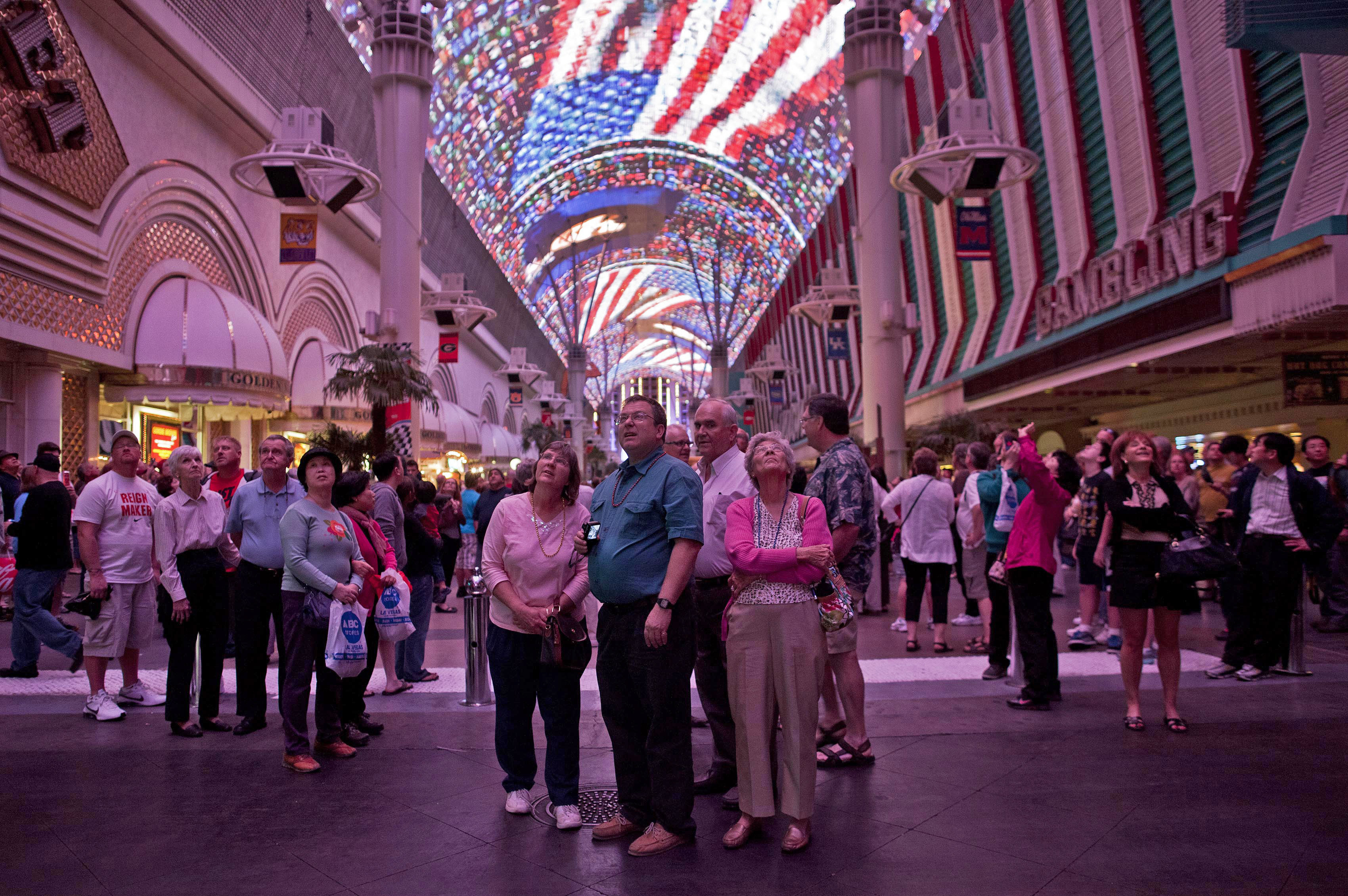
Assessing whether tourism is “down” in Las Vegas requires a nuanced look beyond simple visitor numbers. While raw figures might fluctuate, the underlying strength of the destination often lies in its adaptability, its diverse appeal, and its continuous investment in innovation. The city has consistently demonstrated a remarkable capacity to reinvent itself, from its early days as a gambling mecca to its current status as a comprehensive entertainment and convention hub.
The post-pandemic era has presented unique challenges and opportunities. While there may be periods where visitor numbers or spending patterns are not at their absolute peak, the long-term trajectory for Las Vegas tourism appears to be one of continued evolution rather than outright decline. The ongoing development of new resorts, the diversification of entertainment options, and the strategic marketing efforts by entities like the LVCVA all point towards a city committed to remaining at the forefront of the global tourism industry. The narrative is not one of a city losing its allure, but rather of a destination adapting to new realities and embracing the future of travel with its characteristic flair. The question of whether tourism is “down” is perhaps better framed as how it is changing, and Las Vegas is demonstrating a robust capacity for that change.
LifeOutOfTheBox is a participant in the Amazon Services LLC Associates Program, an affiliate advertising program designed to provide a means for sites to earn advertising fees by advertising and linking to Amazon.com. Amazon, the Amazon logo, AmazonSupply, and the AmazonSupply logo are trademarks of Amazon.com, Inc. or its affiliates. As an Amazon Associate we earn affiliate commissions from qualifying purchases.