
Understanding the legal drinking age in Texas is a crucial piece of information for anyone planning a trip to the Lone Star State, whether for business, leisure, or to experience its vibrant culture. This guide will delve into the specifics of Texas alcohol laws, focusing on the age requirements, relevant regulations, and important considerations for travelers.
The Federal and State Age Standard
The foundational law governing the minimum age for purchasing and possessing alcoholic beverages in the United States is the National Minimum Drinking Age Act of 1984. This act effectively established 21 as the nationwide legal drinking age. States that did not comply risked a reduction in federal highway funding. Texas, like all other states, has adopted this standard.
Texas Alcoholic Beverage Code
In Texas, the governing legislation is the Texas Alcoholic Beverage Code (ABC). This code meticulously outlines the regulations surrounding the sale, possession, and consumption of alcohol.
-
Minimum Age for Purchase and Consumption: Under the Texas ABC, it is illegal for any person under the age of 21 to purchase an alcoholic beverage. Furthermore, it is also illegal for any person under 21 to consume an alcoholic beverage. This distinction is important; while the purchase is the initial act, the law extends to the act of consumption itself.
-
Proof of Age: Businesses licensed to sell alcohol, such as bars, restaurants, and liquor stores, are legally obligated to request identification from any individual who appears to be under the age of 27. This is to ensure compliance with the age restrictions. Acceptable forms of identification typically include a valid driver’s license, state-issued identification card, military identification, or a passport.
Exceptions to the Rule
While the age of 21 is the strict standard for public consumption and purchase, the Texas Alcoholic Beverage Code does allow for a few limited exceptions under specific circumstances. These exceptions are narrowly defined and do not permit underage individuals to purchase alcohol for personal consumption in public establishments.
Private Residence Exceptions
The most commonly cited exceptions involve consumption in a private residence and under specific parental supervision.
-
Presence of Parent or Guardian: The Texas ABC permits individuals under 21 to consume an alcoholic beverage if they are in the presence of their adult parent or legal guardian, and the guardian consents to the consumption. This typically applies to private social gatherings or family events. It is critical to understand that this exception is very limited and does not extend to public spaces, licensed premises, or situations where the parent or guardian is not physically present and actively consenting.
-
Intoxication Defense: There is also a statutory defense against charges of public intoxication for minors if they can prove they consumed alcohol in a private place with the consent of their parent or guardian. However, this does not legalize the act of consumption itself in the absence of the parent or guardian.
Law Enforcement and Medical Emergencies
Another seldom-invoked exception relates to situations involving law enforcement or medical emergencies.
-
Reporting a Medical Emergency: An individual under 21 who has consumed alcohol may be exempt from certain charges if they voluntarily report a medical emergency involving another person under 21 who has consumed alcohol and is in need of medical assistance. This “Good Samaritan” provision is designed to encourage prompt help in critical situations without fear of immediate arrest for minor alcohol violations.
-
Law Enforcement Intervention: In certain very specific circumstances, an individual under 21 might be exempt from charges if they are cooperating with law enforcement officers. This is not a general license to interact with alcohol under police supervision but is tied to specific investigative scenarios.
It is paramount for travelers to understand that these exceptions are highly specific and do not provide a broad loophole for underage drinking. The default and overwhelmingly enforced rule is that the legal drinking age in Texas is 21.
Navigating Alcohol Laws as a Traveler
For visitors to Texas, understanding and adhering to these laws is essential to avoid legal trouble and ensure a positive experience. Texas is a state with a rich culture of hospitality, but its alcohol laws are taken seriously.
Identification Requirements

-
Carry Valid ID: Travelers should always carry a valid, government-issued photo identification that proves their age. This is essential when entering bars, clubs, or any establishment that serves alcohol. Even if you are clearly over 21, identification may be requested.
-
International Travelers: Visitors from other countries should ensure their passports or other valid identification documents are readily accessible.
Consequences of Violations
The penalties for violating Texas alcohol laws can be significant and may include fines, license suspension (if applicable), and even jail time, depending on the severity of the offense and prior history.
-
Minor in Possession (MIP): Possessing or consuming alcohol while under 21 is a Class C misdemeanor for a first offense, carrying a fine of up to $500. Subsequent offenses can lead to more serious penalties, including potential jail time. For those under 21 who are licensed drivers, an MIP conviction can also result in a 30-day license suspension for a first offense, 60 days for a second, and 180 days for a third.
-
Fake ID: Using a fraudulent identification document to purchase or possess alcohol is a serious offense with more severe penalties, including potential felony charges.
-
Providing Alcohol to Minors: Adults who provide alcohol to individuals under 21 can face significant legal repercussions, including fines and jail time. This is particularly relevant for hosts of private parties.
Responsible Enjoyment
Texas offers a diverse range of attractions, from the cultural hubs of Austin and San Antonio to the historic sites of Houston and the natural beauty of the Big Bend National Park. When visiting these locations, responsible alcohol consumption is key.
-
Designated Driver: If you plan to drink, arrange for a designated driver or utilize rideshare services like Uber or Lyft. Many cities in Texas, including Dallas and Fort Worth, have robust public transportation and rideshare options.
-
Moderation: Consume alcohol in moderation and be aware of your limits. Dehydration is common in the Texas climate, so it’s important to stay hydrated with water.
-
Know the Establishments: Be aware of the policies of bars, restaurants, and other venues regarding age verification.
Beyond the Age: Other Alcohol Regulations in Texas
While the drinking age is the most prominent regulation, Texas has a comprehensive set of laws governing alcohol that travelers might encounter.
Hours of Sale
The hours for selling alcoholic beverages in Texas vary by locality and the type of establishment. Generally, alcohol sales are permitted between 7 a.m. and midnight on weekdays and Saturdays. On Sundays, sales can begin at 10 a.m. and usually end around midnight, though some establishments may have later licenses. “Wet” and “dry” counties or precincts can also affect availability, with some local areas prohibiting the sale of alcohol altogether.
Public Intoxication
Public intoxication is a Class C misdemeanor in Texas. It is defined as being in a public place while intoxicated to the point that the person “may endanger himself or another, or unreasonably annoy persons in his vicinity.” This means that even if you are over 21, consuming too much alcohol in a public space can lead to legal consequences.
Driving Under the Influence (DUI) / Driving While Intoxicated (DWI)
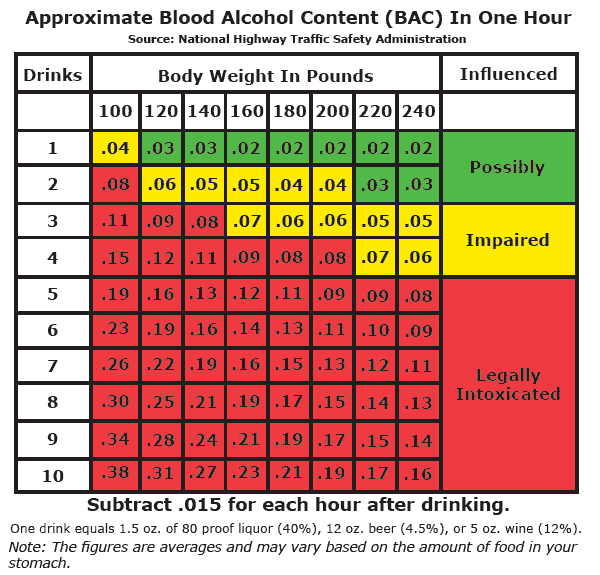
Texas has strict laws against driving under the influence of alcohol or controlled substances. For individuals 21 and over, the legal blood alcohol content (BAC) limit is 0.08%. For those under 21, any detectable amount of alcohol in their system while driving can lead to charges under Texas “zero tolerance” laws. Penalties for DWI/DUI are severe and include significant fines, jail time, license suspension, and installation of an ignition interlock device.

Conclusion: A Clear Standard for All
In summary, the legal drinking age in Texas is unequivocally 21 years old. This standard applies to the purchase, possession, and consumption of alcoholic beverages. While a few narrow exceptions exist for consumption in private residences under parental supervision, these do not alter the fundamental rule for public establishments or general individual use. Travelers visiting Texas should be mindful of this law, always carry valid identification, and practice responsible alcohol consumption to ensure a safe and enjoyable journey through the diverse landscapes and vibrant cities of the Lone Star State. Adherence to these regulations is paramount for respecting local laws and experiencing the true spirit of Texas hospitality.
LifeOutOfTheBox is a participant in the Amazon Services LLC Associates Program, an affiliate advertising program designed to provide a means for sites to earn advertising fees by advertising and linking to Amazon.com. Amazon, the Amazon logo, AmazonSupply, and the AmazonSupply logo are trademarks of Amazon.com, Inc. or its affiliates. As an Amazon Associate we earn affiliate commissions from qualifying purchases.