
Navigating the financial landscape of any destination is crucial for a well-planned trip, and understanding the nuances of sales tax in Las Vegas is no exception. This vibrant city, synonymous with entertainment and unparalleled experiences, operates within the broader tax framework of the state of Nevada. While the allure of the Las Vegas Strip and its iconic resorts often takes center stage, knowing how sales tax impacts your spending can help you budget more effectively and avoid any unwelcome surprises. This guide aims to demystify the sales tax in Las Vegas, offering clarity for travelers and residents alike.
Understanding Nevada’s Sales Tax Structure
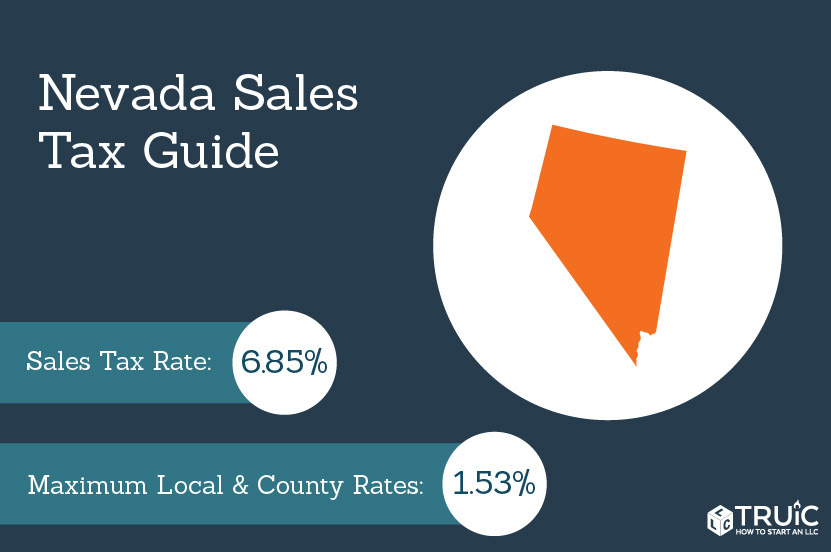
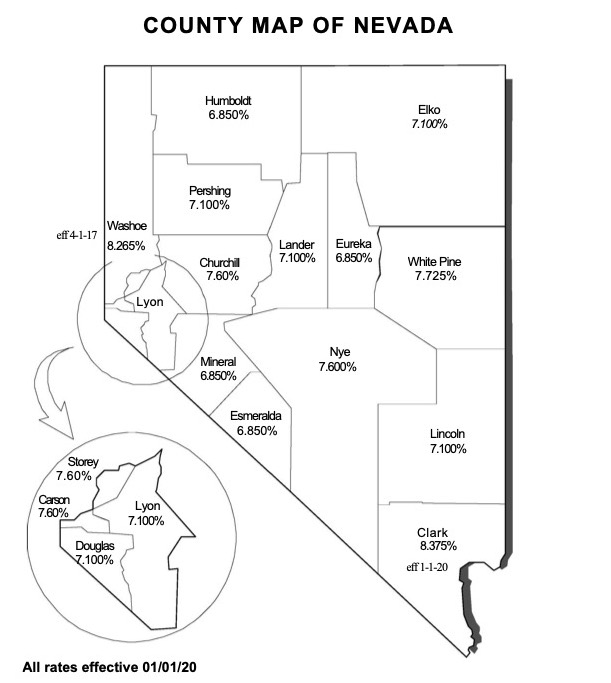
Nevada operates under a retail sales and use tax system. This means that a tax is levied on the sale of tangible personal property and certain services. The rate of this tax is not uniform across the state; it comprises a combination of state, county, and district taxes. In Las Vegas, which is located in Clark County, the combined tax rate is influenced by these various layers.
The State and County Component
The base rate for sales tax in Nevada is set by the state. However, counties are authorized to impose additional taxes, which are then added to the state rate to form the combined tax rate applicable within that county. Clark County, being one of the most populous counties in the state, has a significant portion of its tax revenue derived from tourism and entertainment, which naturally includes sales tax.
District Taxes and Special Levies
Beyond the state and county allocations, Nevada law permits the imposition of various district taxes. These can include taxes for specific purposes, such as funding local infrastructure projects, public transportation, or even special districts. In the context of Las Vegas, these district taxes can further increase the overall sales tax rate, particularly in areas with a high concentration of commercial activity and tourism. It is these cumulative rates that determine the final price you see on many purchases.
Sales Tax Rates in Las Vegas
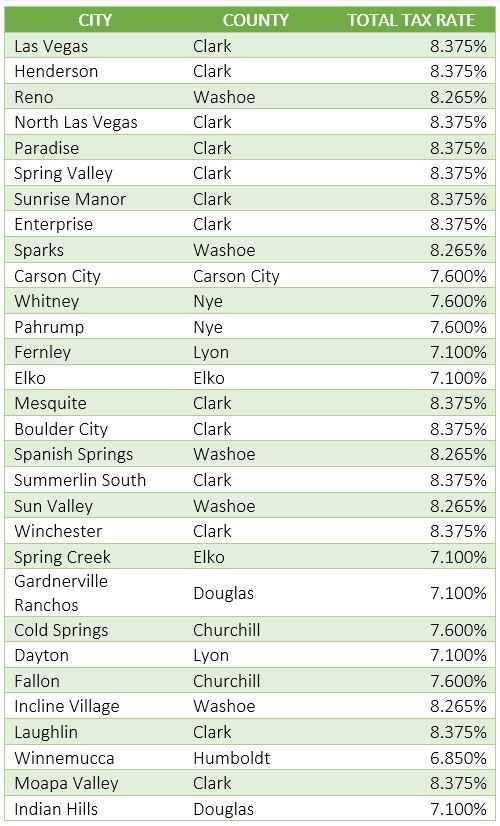
The sales tax rate in Las Vegas is dynamic and depends on the specific jurisdiction within the city and county. For instance, rates can vary slightly between the main tourist corridor and other parts of the metropolitan area. Generally, the combined state, county, and local sales tax rate in Las Vegas hovers around 8.375%. This figure is a composite of:
- State Sales Tax: A portion allocated to the state government.
- Clark County Sales Tax: A percentage designated for county operations and services.
- Metropolitan Township District Tax: This often accounts for significant portions of the total rate, supporting various local initiatives and infrastructure needs within the Las Vegas metropolitan area.
It is important to note that these rates are subject to change based on legislative decisions and voter approvals for new district taxes. Therefore, always refer to the most current information from the Nevada Department of Taxation for the precise rate applicable at the time of your visit or purchase.
How the Rate is Applied
The sales tax is calculated based on the final selling price of goods and taxable services. When you make a purchase at a retail store, dine at a restaurant, or buy souvenirs, the listed price does not include sales tax. The tax is added at the point of sale, computed by multiplying the selling price by the applicable tax rate. For services, the taxability can be more complex, with certain services being exempt while others are subject to taxation.
What is Taxable in Las Vegas?
A fundamental aspect of understanding sales tax is knowing what items and services are subject to it. In Las Vegas, as with the rest of Nevada, the general rule is that tangible personal property is taxable. This includes a vast array of items commonly purchased by tourists and locals alike:
- Clothing and Accessories: Apparel, shoes, jewelry, and other personal adornments.
- Electronics: Consumer electronics such as mobile phones, computers, and televisions.
- Souvenirs and Gifts: Items purchased to commemorate a visit, from trinkets to local crafts.
- Food and Beverages: While many prepared foods are taxable, specific exemptions may apply to certain grocery items.
- Home Goods and Furnishings: Items for residential use.
Taxability of Services
The taxability of services in Nevada is more nuanced. Generally, services are not subject to sales tax unless specifically enumerated by statute. However, many services commonly associated with the Las Vegas experience are taxable. These can include:
- Lodging and Hotel Stays: While not strictly “sales” tax, transient lodging taxes are levied on hotel rooms, resorts, and other forms of temporary accommodation. These are often bundled with room rates and are separate from the general sales tax.
- Repair and Maintenance Services: Services performed on tangible personal property.
- Admissions and Entertainment: Tickets to shows, concerts, sporting events, and admission to attractions.
- Utilities: Certain utility services may be subject to tax.
- Transportation Services: Some forms of transportation, like taxi services or car rentals, might be taxed.
It is crucial to differentiate between sales tax and other forms of taxation. For example, many casinos and resorts in Las Vegas levy occupancy taxes and resort fees, which are distinct from the state and local sales tax. These additional fees are often clearly itemized on your bill.
Exemptions and Non-Taxable Items
Despite the broad scope of sales tax, certain items and services are exempt. These exemptions are established by state law and are intended to provide relief or incentivize certain activities. Common exemptions include:
- Certain Food Products: Unprepared food for home consumption, such as raw fruits, vegetables, and meats, is typically exempt.
- Prescription Medications: Drugs dispensed by a licensed pharmacist.
- Services Rendered by Professionals: Unless specifically designated as taxable, services like those provided by doctors, lawyers, or accountants are generally exempt.
- Business-to-Business Transactions: Certain sales between businesses may qualify for exemptions under specific conditions.
For travelers, the most relevant distinction is often between prepared food (taxable) and groceries for home preparation (often exempt). When dining out in Las Vegas, expect to pay sales tax on your meals.
Navigating the Tax Landscape as a Tourist
For visitors to Las Vegas, understanding sales tax primarily impacts budgeting for purchases. Whether you are buying souvenirs at the Forum Shops at Caesars Palace, enjoying a world-class show, or dining at one of the city’s renowned restaurants, the sales tax will be factored into your final cost.
Budgeting for Purchases
A simple rule of thumb is to add approximately 8.375% (or the current applicable rate) to the advertised price of goods and taxable services when estimating your total expenditure. This will provide a realistic budget for your shopping and entertainment needs. Many point-of-sale systems will clearly display the subtotal, the tax amount, and the grand total, making the breakdown transparent.
Specific Tourist Considerations
- Resort Fees: As mentioned, resort fees are common in Las Vegas hotels and are separate from sales tax and occupancy taxes. These fees cover amenities like Wi-Fi, gym access, and pool use.
- Show Tickets: Tickets for performances at venues like Caesars Palace Colosseum or the Dolby Live at Park MGM are subject to sales tax, in addition to any venue or service fees.
- Dining: From casual eateries to fine dining establishments on the Las Vegas Strip, sales tax is applied to the food and beverage bill.
- Shopping: Whether you are exploring the high-end boutiques at The Shops at Crystals or looking for deals at the Las Vegas Premium Outlets, sales tax will be added at the register.
Tax-Free Shopping Opportunities
While the general sales tax applies to most transactions in Las Vegas, there are limited opportunities for tax-free shopping. Primarily, this applies to purchases intended for export and use outside of Nevada, such as specific manufacturing equipment or certain raw materials for businesses. For the average tourist, significant tax savings on everyday purchases are unlikely, as most consumer goods and services are subject to the standard rate.
The Role of Sales Tax in the Local Economy
The sales tax collected in Las Vegas plays a vital role in funding public services and infrastructure within Clark County. A significant portion of the revenue generated from tourism, a cornerstone of the Las Vegas economy, comes from sales tax paid by visitors.
Funding Public Services
These tax revenues contribute to essential public services such as:
- Education: Funding for schools and educational programs.
- Public Safety: Supporting law enforcement, fire departments, and emergency services.
- Infrastructure: Maintenance and development of roads, public transportation, and utilities.
- Parks and Recreation: Development and upkeep of public parks and recreational facilities.
The heavy reliance on tourism means that sales tax is a critical revenue stream that helps maintain the quality of life and the operational capacity of the city and county, even for those who are not directly employed in the hospitality sector.
Economic Impact
The sales tax system in Las Vegas is designed to be a significant contributor to the local and state economy. By taxing consumption, the state captures revenue from both residents and visitors. This taxation model is common in states that do not levy a state income tax, such as Nevada, making sales tax a primary source of government funding. Understanding this context can provide a deeper appreciation for how your spending contributes to the vibrant ecosystem of Las Vegas.
LifeOutOfTheBox is a participant in the Amazon Services LLC Associates Program, an affiliate advertising program designed to provide a means for sites to earn advertising fees by advertising and linking to Amazon.com. Amazon, the Amazon logo, AmazonSupply, and the AmazonSupply logo are trademarks of Amazon.com, Inc. or its affiliates. As an Amazon Associate we earn affiliate commissions from qualifying purchases.