
Understanding the landscape of reproductive healthcare, particularly regarding abortion access, is a significant aspect of personal lifestyle planning for many individuals. For residents of Florida, those considering a move to the state, or even visitors, staying informed about the current legal framework is crucial for making informed lifestyle decisions. The legal environment surrounding abortion in Florida has been subject to considerable change and remains dynamic, directly impacting individuals’ ability to manage their health and family planning choices.
Understanding Florida’s Evolving Legal Landscape for Reproductive Health
The legal status of abortion in Florida is governed by state statutes, which have seen significant revisions and legal challenges in recent years. These regulations dictate when, where, and under what circumstances an abortion can be performed, profoundly influencing the lifestyle choices and planning of its citizens and those who travel within its borders.
Current Statutory Framework
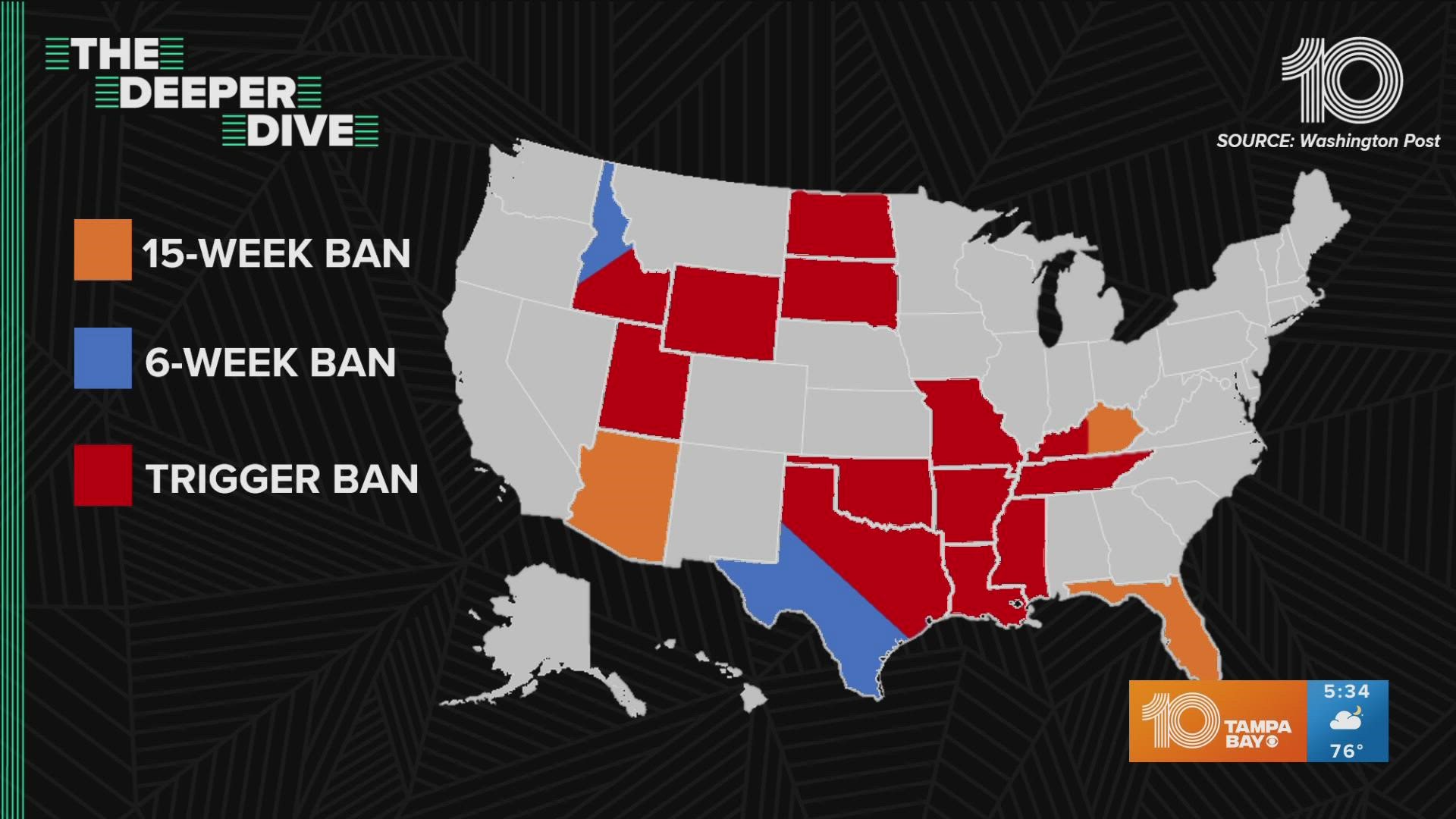
As of the current understanding, Florida law generally prohibits abortions after a specific gestational age. Previously, the state enforced a ban on abortions after 15 weeks of gestation, measured from the woman’s last menstrual period. This 15-week ban included limited exceptions, primarily to save the pregnant person’s life or to prevent serious bodily injury. It did not typically include exceptions for rape, incest, or human trafficking beyond the gestational limit. This legal standard has been a defining feature of reproductive healthcare access within the state, requiring individuals to act swiftly if they choose to terminate a pregnancy. The enforcement of such laws means that individuals must integrate these legal timelines into their personal health and family planning timelines, a significant lifestyle consideration.
Waiting Periods and Other Requirements
Beyond gestational limits, Florida law imposes several other requirements that impact access to abortion services. A mandatory 24-hour waiting period is in effect, meaning that an individual seeking an abortion must attend an initial consultation with a physician, and then wait at least 24 hours before the procedure can be performed. This waiting period can extend further if there are weekend days or holidays between the consultation and the procedure, potentially stretching the process over several days.
For minors, parental consent laws are particularly stringent. Generally, individuals under the age of 18 must obtain written consent from a parent or legal guardian before an abortion can be performed. There is a judicial bypass option available, allowing a minor to petition a court to waive the parental consent requirement if they can demonstrate maturity or that parental notification is not in their best interest. These requirements add layers of logistical and emotional complexity, impacting personal schedules, privacy, and support networks—all integral elements of one’s lifestyle. These rules necessitate careful planning, often requiring multiple appointments and potentially travel, depending on the availability of clinics and legal services in one’s immediate vicinity, such as in less populated areas compared to major cities like Miami or Orlando.
Ongoing Legal Developments and Future Outlook
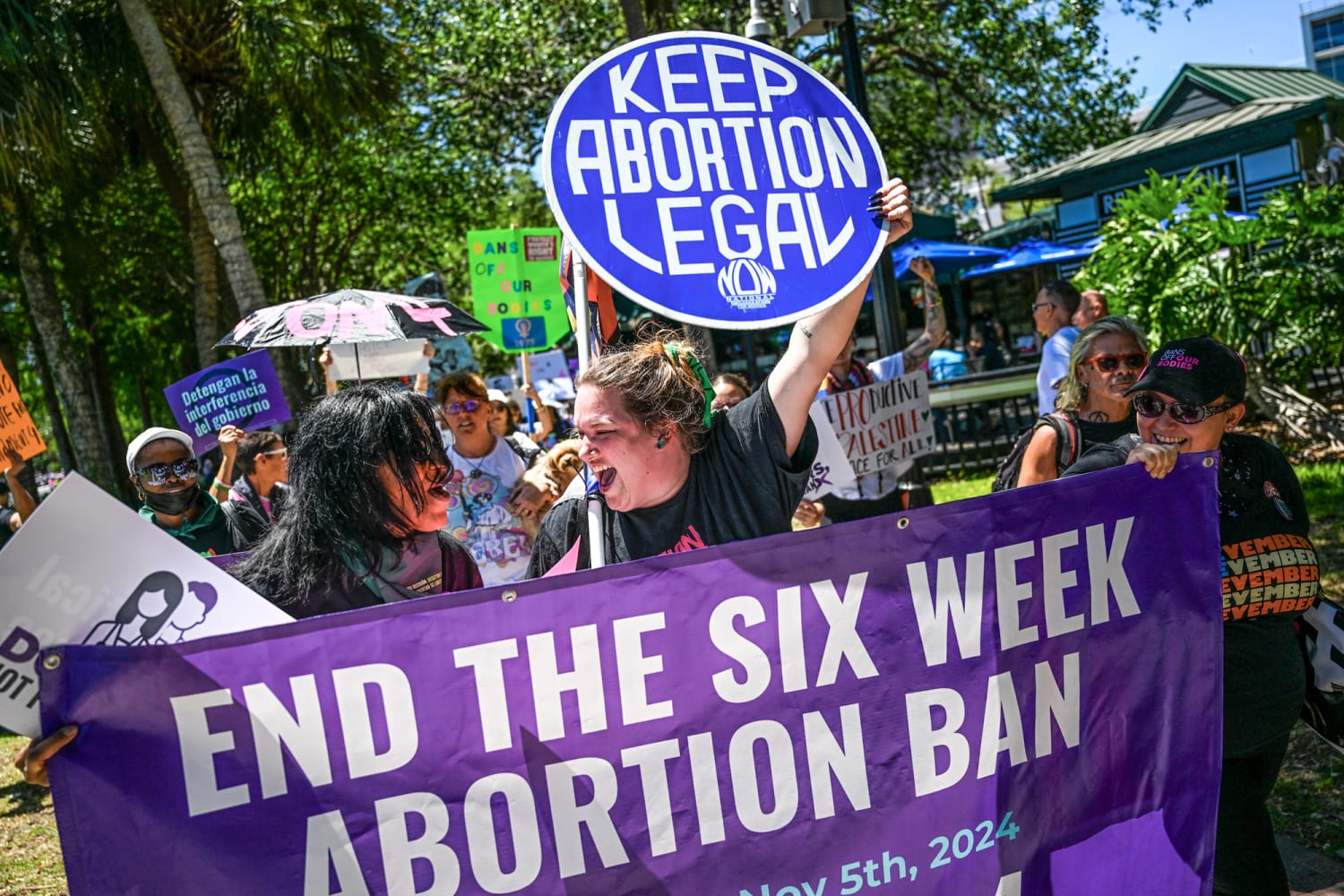
The legal landscape in Florida is not static. There have been continuous legal challenges and legislative efforts to further restrict abortion access. Most notably, a more restrictive law banning abortions after six weeks of gestation, with similar limited exceptions, has been passed. This law’s implementation has been contingent on a ruling from the Supreme Court of Florida regarding the constitutionality of the state’s 15-week ban. A ruling upholding the 15-week ban cleared the way for the six-week ban to take effect.
Furthermore, efforts to amend the state constitution through citizen initiatives regarding abortion rights are often underway. Such initiatives, if successful, could significantly alter the legal framework, potentially restoring broader access or imposing further restrictions. For individuals making long-term lifestyle plans, including where to establish roots, work, or raise a family, these ongoing legal battles create an environment of uncertainty that must be carefully considered. Keeping abreast of these developments is vital for anyone whose lifestyle choices might involve reproductive healthcare decisions in Florida.
Navigating Personal Lifestyle Choices Amidst Changing Regulations
The dynamic nature of abortion laws in Florida significantly influences various aspects of personal lifestyle, from family planning and career paths to travel decisions and residential choices. Understanding these impacts is key to making informed and resilient life choices.
Impact on Family Planning and Career Decisions
For individuals and couples in Florida, evolving abortion laws directly shape family planning strategies. The imposition of stricter gestational limits means that decisions regarding pregnancy and family growth must be made more rapidly and with fewer options for delay. This immediacy can put pressure on individuals who are also managing career aspirations, educational pursuits, or financial stability. A woman pursuing a demanding career, for example, might find her ability to time pregnancies or manage unexpected ones significantly constrained by laws that mandate swift action, potentially affecting her professional trajectory and overall lifestyle goals.
Furthermore, the need to travel for services, manage waiting periods, or navigate complex consent laws can create unforeseen logistical and financial burdens. These burdens are not merely medical; they are lifestyle factors that demand adjustments to work schedules, childcare arrangements, and personal finances. The stress associated with these restrictions can also impact mental health and well-being, which are central to a balanced lifestyle.
Considerations for Residents and Prospective Residents of Florida
For current residents of Florida, these laws necessitate a continuous awareness of their reproductive rights and options. It encourages proactive engagement with healthcare providers and potentially seeking information on contingency plans should reproductive healthcare needs arise. For those considering relocating to Florida, the state’s stance on abortion access becomes a critical factor in their decision-making process. Lifestyle choices often involve weighing the pros and cons of living in a particular state—its economic opportunities, climate, culture, and, increasingly, its healthcare policies. A state with restrictive abortion laws might be viewed differently by individuals prioritizing comprehensive reproductive healthcare access as part of their ideal lifestyle.
The availability of specialized services, particularly in areas beyond major metropolitan centers like Tampa, Jacksonville, or Tallahassee, also plays a role. Individuals considering living in more rural parts of Florida might face greater logistical challenges and travel requirements to access services, adding another layer to their lifestyle planning.
Travel Implications for Reproductive Healthcare Access
The strictness of Florida’s abortion laws also has significant implications for travel, both for Florida residents seeking care elsewhere and for individuals from other states contemplating travel to Florida.
For Florida residents, if the legal restrictions within the state prevent them from accessing timely or necessary abortion care, they may need to travel to other states where laws are less restrictive. This “abortion tourism” or “travel for care” becomes a significant lifestyle consideration, involving planning for transportation, accommodation, time off work, and additional financial costs. It can disrupt personal and professional schedules, create privacy concerns, and add emotional strain.
Conversely, for individuals from other states, particularly those with more liberal abortion laws, traveling to Florida for leisure or business might involve a subtle, yet present, awareness of the state’s reproductive healthcare environment. While unlikely to deter all travel, it can be a factor for some, especially those with pre-existing health conditions or those planning longer stays. The knowledge of limited healthcare options can influence decisions about emergency preparedness and overall comfort while traveling, thereby subtly influencing travel-related lifestyle choices.
Resources and Support for Informed Lifestyle Decisions
Navigating the complexities of abortion access in Florida requires accurate information and access to support systems. For those seeking to make informed lifestyle decisions regarding reproductive health, several resources are invaluable.
Identifying Reputable Healthcare Providers
One of the most critical steps is to identify reputable and licensed healthcare providers who offer comprehensive reproductive health services. Organizations like Planned Parenthood and other state-licensed clinics can provide accurate information about current laws, available services, and appointment scheduling. It is essential to verify that any chosen provider adheres to all state regulations and offers a safe and confidential environment. Engaging with these providers early can help individuals understand their options, the necessary steps, and the timelines involved, which is crucial for integrating these considerations into their personal lifestyle calendar.
Understanding Financial and Logistical Considerations
Beyond the medical procedure itself, individuals must consider the financial and logistical aspects of obtaining an abortion in Florida. This includes the cost of the procedure, which may or may not be covered by insurance, as well as potential costs for travel, accommodation (especially if the 24-hour waiting period necessitates an overnight stay), and childcare. Many clinics and advocacy groups offer financial assistance or can direct individuals to resources that help alleviate these burdens. Understanding these practicalities is a key part of personal finance and lifestyle management, ensuring that one is prepared for all eventualities. For those in areas like Gainesville, accessing care might involve significant travel, amplifying these logistical considerations.

Accessing Support Networks and Information
Support networks play a vital role in navigating reproductive health decisions. This can include trusted friends, family, or professional counseling services. Numerous non-profit organizations and hotlines specialize in providing information, support, and referrals for individuals seeking abortion care. These groups can offer confidential advice, help individuals understand their legal rights, and connect them with resources for financial aid or logistical support. Integrating these support systems into one’s personal lifestyle plan can significantly reduce stress and facilitate a smoother process, allowing individuals to make choices that align best with their overall life goals and well-being. Keeping informed about the legal landscape through reliable sources is also paramount, as laws can change, impacting access and available options.
LifeOutOfTheBox is a participant in the Amazon Services LLC Associates Program, an affiliate advertising program designed to provide a means for sites to earn advertising fees by advertising and linking to Amazon.com. Amazon, the Amazon logo, AmazonSupply, and the AmazonSupply logo are trademarks of Amazon.com, Inc. or its affiliates. As an Amazon Associate we earn affiliate commissions from qualifying purchases.