
While the glitz and glamour of the Las Vegas Strip often dominate discussions about this iconic city, understanding its population offers a deeper perspective on its growth, development, and the vibrant community that thrives beyond the casino floors. The population of Las Vegas is a dynamic figure, reflecting its evolution from a desert outpost to a major metropolitan hub. This exploration delves into the official census data, the contributing factors to its rapid expansion, and the demographic makeup of its residents.
The Ever-Growing Numbers: Official Census Data
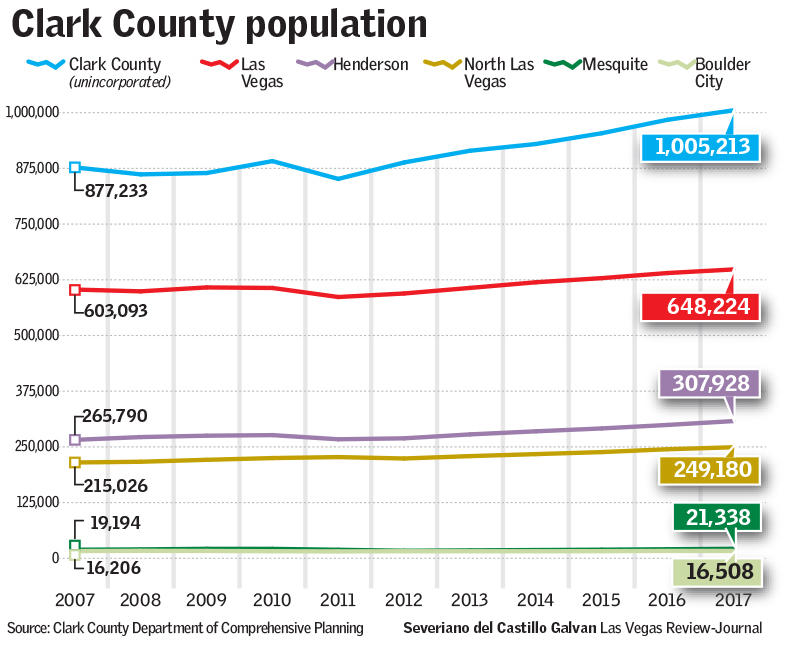
The most reliable figures for the population of Las Vegas come from the decennial United States Census. According to the most recent census conducted in 2020, the population of the city of Las Vegas was approximately 641,903 residents. This figure represents a significant increase from previous censuses, underscoring the city’s consistent growth trajectory.

However, it is crucial to distinguish between the population of the city proper and the broader Las Vegas metropolitan area. The Las Vegas metropolitan area, also known as Las Vegas-Paradise, is a much larger statistical area that encompasses not only the city of Las Vegas but also surrounding unincorporated communities like Paradise and Winchester, and the cities of Henderson, North Las Vegas, and Boulder City. The population of the Las Vegas metropolitan area is substantially higher. In 2020, this figure was estimated to be over 2.8 million residents, making it one of the fastest-growing metropolitan areas in the United States. This distinction is vital when discussing the overall scale and impact of the Las Vegas population.
Trends in Population Growth
The growth of Las Vegas has been nothing short of remarkable. Historically, the city experienced explosive growth throughout the latter half of the 20th century. Factors such as the booming post-war economy, the rise of the gaming and tourism industries, and relatively low housing costs made it an attractive destination for people seeking new opportunities. This trend continued into the 21st century, albeit with some fluctuations. While the economic downturn of 2008 presented challenges, the Las Vegas area has demonstrated resilience and a capacity for sustained growth. Current estimates suggest that the population of the metropolitan area continues to expand, driven by ongoing economic diversification and a desirable lifestyle.
Factors Driving Population Dynamics
The magnetic pull of Las Vegas extends beyond its entertainment offerings. A confluence of economic, social, and environmental factors contributes to its ever-increasing population.
Economic Opportunities and Diversification
The foundational economic engine of Las Vegas has always been tourism and gaming. However, in recent decades, there has been a concerted effort to diversify the economy, attracting businesses in sectors such as technology, healthcare, logistics, and manufacturing. This diversification has created a broader range of job opportunities, drawing a more varied workforce to the region. Companies are attracted by favorable business climates, lower operating costs compared to other major metropolitan areas, and a growing pool of skilled labor. This economic expansion translates directly into an increased demand for housing and services, fueling population growth.
Quality of Life and Affordability

For many, Las Vegas offers a compelling quality of life. The region boasts a warm, arid climate with abundant sunshine year-round, making it appealing to those who enjoy outdoor activities. Furthermore, compared to many other major West Coast cities, Las Vegas has historically offered a more affordable cost of living, particularly in terms of housing. While housing prices have risen in recent years, they often remain competitive when compared to coastal counterparts. The absence of state income tax is another significant draw for individuals and families looking to maximize their disposable income.
Migration Patterns
Las Vegas has been a significant destination for both domestic and international migrants. Many individuals and families relocate from states with higher tax burdens or more expensive housing markets, seeking better economic prospects or a different lifestyle. The city’s reputation as a place of opportunity and its welcoming atmosphere contribute to its status as a popular relocation destination. The continuous influx of new residents shapes the cultural landscape and demands ongoing investment in infrastructure and public services.
The Demographic Tapestry of Las Vegas
The population of Las Vegas is as diverse as its entertainment options, reflecting a rich tapestry of cultures, ethnicities, and age groups.
Ethnic and Racial Composition
The 2020 Census data reveals a diverse ethnic and racial makeup for the city of Las Vegas. The largest demographic group is White, followed by Hispanic or Latino residents, who constitute a significant and growing portion of the population. The Asian and Black or African American communities are also substantial, contributing to the city’s multicultural fabric. This diversity is evident in the city’s cuisine, cultural festivals, and the overall social atmosphere. The metropolitan area further amplifies this diversity, with a broad representation across all racial and ethnic categories.
Age Distribution
Las Vegas attracts a wide range of age groups. It is a popular destination for young professionals seeking career advancement and for retirees looking for a warm climate and a vibrant lifestyle. The presence of educational institutions and the growing job market in various sectors also attract families with children. While the exact age distribution can vary slightly between the city and the metropolitan area, Las Vegas generally has a balanced age demographic, contributing to a dynamic and multi-generational community.
Household and Family Structures
Like most major metropolitan areas, Las Vegas exhibits a variety of household and family structures. This includes single-person households, couples without children, and families with children. The affordability of housing, particularly in the surrounding suburban communities, has made it an attractive place for families to settle. The ongoing development of residential areas and amenities caters to the needs of a growing population.
Beyond the Numbers: The Community of Las Vegas
Understanding the population of Las Vegas is not just about statistics; it’s about recognizing the collective of individuals who call this vibrant city home. The residents of Las Vegas contribute to its unique character, driving its economy, shaping its culture, and fostering a strong sense of community. From the service industry professionals who power the hospitality sector to the entrepreneurs and innovators building new industries, each resident plays a role in the ongoing narrative of Las Vegas. The city’s commitment to developing public spaces, parks, and cultural institutions further reflects a dedication to enhancing the quality of life for its growing population, ensuring that Las Vegas is more than just a tourist destination—it is a thriving and evolving home for millions.
LifeOutOfTheBox is a participant in the Amazon Services LLC Associates Program, an affiliate advertising program designed to provide a means for sites to earn advertising fees by advertising and linking to Amazon.com. Amazon, the Amazon logo, AmazonSupply, and the AmazonSupply logo are trademarks of Amazon.com, Inc. or its affiliates. As an Amazon Associate we earn affiliate commissions from qualifying purchases.