
Understanding California’s Tax Landscape for Lifestyle Planning
California, a state synonymous with innovation, diverse landscapes, and a vibrant lifestyle, also presents a unique and often complex tax structure that significantly impacts residents, businesses, and even long-term visitors. For anyone considering a move, an extended stay for business, or simply budgeting for a comprehensive travel experience within the Golden State, understanding its tax system is paramount. From the everyday purchases to significant financial investments, state taxes weave into nearly every aspect of California living, influencing everything from the cost of living to the viability of a new business venture.
The state’s fiscal policy is designed to fund its extensive public services, infrastructure, and social programs, reflecting its progressive economic and social values. This article delves into the primary state taxes in California, explaining their nature and offering insights into how they shape financial planning and lifestyle decisions for individuals and entities engaging with the state. By demystifying the various levies, prospective residents and business professionals can better navigate the financial implications of embracing the California dream.
Personal Income Tax: Impact on Residents and Remote Workers
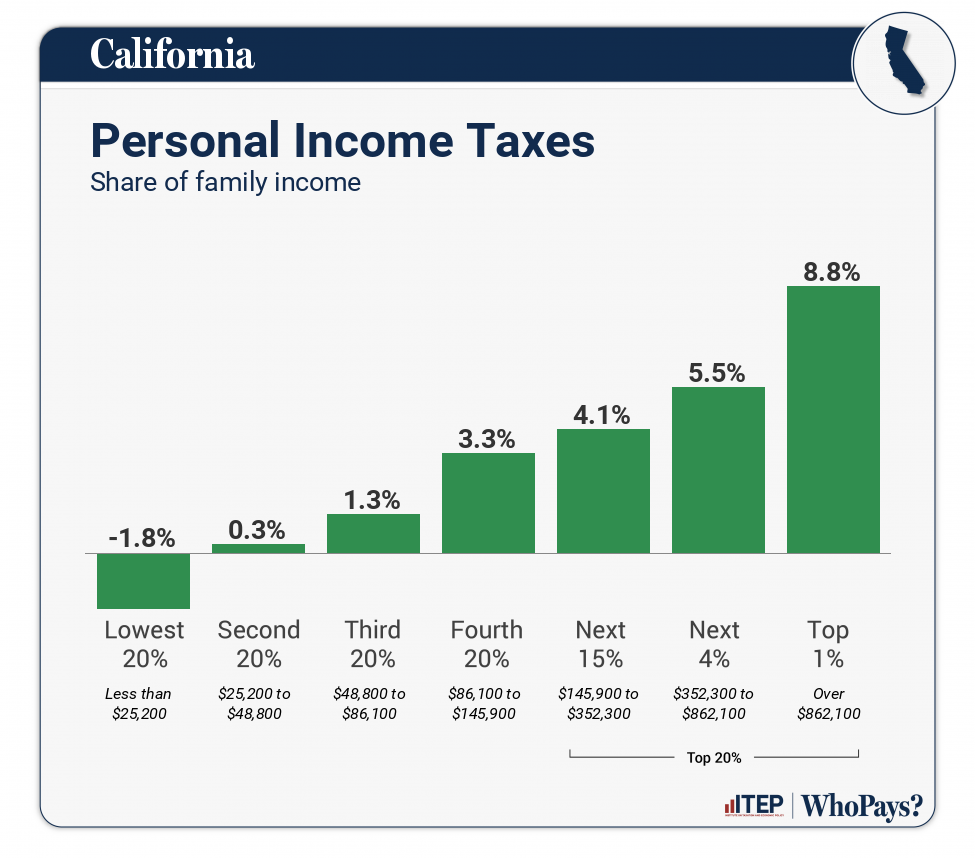
California operates with a progressive personal income tax system, meaning higher earners pay a larger percentage of their income in taxes. This is often the most significant state tax for individuals and can have a substantial impact on one’s disposable income and overall budget. The state features some of the highest marginal income tax rates in the nation, with rates climbing for those in the upper-income brackets.
For residents, all worldwide income is generally subject to California income tax, regardless of where it was earned. This broad scope requires careful consideration for individuals relocating to the state or those with diverse income streams. Remote workers, even those employed by companies outside California but choosing to reside within its borders, will typically find their income subject to California income tax. This makes the decision to live in California a critical financial calculation, especially for those accustomed to lower or no state income tax environments.
Beyond standard income, capital gains are also taxed as ordinary income at the state level, a crucial detail for investors or those considering selling high-value assets. Understanding the current tax brackets and potential deductions or credits is essential for accurate financial forecasting and ensuring compliance with the California Franchise Tax Board (FTB). Strategic planning around tax-advantaged retirement accounts, charitable contributions, and eligible deductions can help mitigate the tax burden and support a sustainable financial lifestyle in the state.
Sales Tax: Everyday Spending and Budgeting
Another pervasive state tax in California is sales tax, which is levied on the sale of most tangible goods. This tax directly impacts the cost of everyday purchases, from groceries (though many unprepared food items are exempt) to clothing, electronics, and vehicles. The statewide base sales tax rate is consistent across California, but local jurisdictions, including cities and counties, can impose additional district taxes. This means the actual sales tax rate you pay can vary significantly depending on your exact location within the state, often reaching upwards of 7.25% to 10.75% or even higher in some areas.
For budget-conscious individuals and families, understanding the local sales tax rate is vital for managing daily expenses. When planning a budget for living or extended travel in cities like Los Angeles or San Francisco, it’s important to factor in these higher sales tax rates, as they add to the sticker price of nearly everything you buy. This also extends to services that involve the sale of tangible goods, such as restaurant meals (excluding most prepared food for immediate consumption, which is taxed). Businesses operating in California must diligently collect and remit these sales taxes, a responsibility that factors into their pricing strategies and overall operational costs.
Property Taxes and Their Role in California Living
For those looking to establish a long-term lifestyle in California through homeownership or real estate investment, property taxes are a significant and ongoing cost. Property taxes are assessed at the local level (county and city) but are governed by state law, most notably Proposition 13. These taxes fund local services such as schools, police and fire departments, and other essential community infrastructure.
The base property tax rate across California is set at 1% of the property’s assessed value. However, additional local levies, such as bond measures for schools or special assessments for specific services, can increase the effective rate. These additional levies typically add another 0.25% to 0.5% (or more) to the base rate, pushing the total effective property tax rate closer to 1.25% or 1.5% of the assessed value in many areas.
Understanding the Prop 13 Effect
The unique aspect of California property tax is Proposition 13, enacted in 1978. This landmark constitutional amendment dramatically altered how property taxes are calculated. Under Proposition 13, a property’s assessed value for tax purposes is generally set at its 1975 market value or its purchase price after 1975. This assessed value can only increase by a maximum of 2% per year, regardless of how much the property’s market value appreciates. The property is only reassessed to its current market value when there is a change of ownership (e.g., sale of the property).
This system provides a significant benefit to long-term homeowners, as their property tax bills remain relatively stable and predictable, even as market values soar. However, it means that new homebuyers often face substantially higher property tax burdens compared to their neighbors who have owned their homes for decades. This disparity influences housing affordability, mobility, and investment strategies in the California real estate market, playing a critical role in one’s lifestyle choices regarding homeownership in areas like San Diego or the Bay Area.

Specialized Taxes Affecting Business and Tourism
Beyond the general taxes, California also implements various specialized taxes that are particularly relevant for businesses and for individuals engaging in certain activities, such as tourism. These taxes contribute to the state’s revenue and influence the cost of doing business and the overall expense of travel or extended stays.
Hotel Occupancy Tax: A Consideration for Stays
For travelers and individuals on business trips, the Transient Occupancy Tax (TOT), commonly known as the hotel occupancy tax, is an important consideration. This tax is levied on the rent paid for temporary lodging in hotels, motels, bed and breakfasts, and similar accommodations. The TOT is typically imposed by cities and counties rather than the state itself, meaning the rate varies significantly depending on the specific location.
For example, cities like San Francisco or Anaheim (home to Disneyland) may have higher TOT rates than smaller, less tourist-heavy municipalities. These rates can range from around 8% to over 15% in major tourist destinations. While not a state-level tax, it is a mandatory charge for most temporary lodgings and should be factored into any budget for travel or business stays in California. For individuals planning extended stays for work or leisure, the cumulative effect of the TOT can add a significant amount to the overall cost of accommodation.
Other Business Taxes: For Entrepreneurs and Investors
Entrepreneurs and investors looking to establish or expand businesses in California face a variety of state-level business taxes. These include:
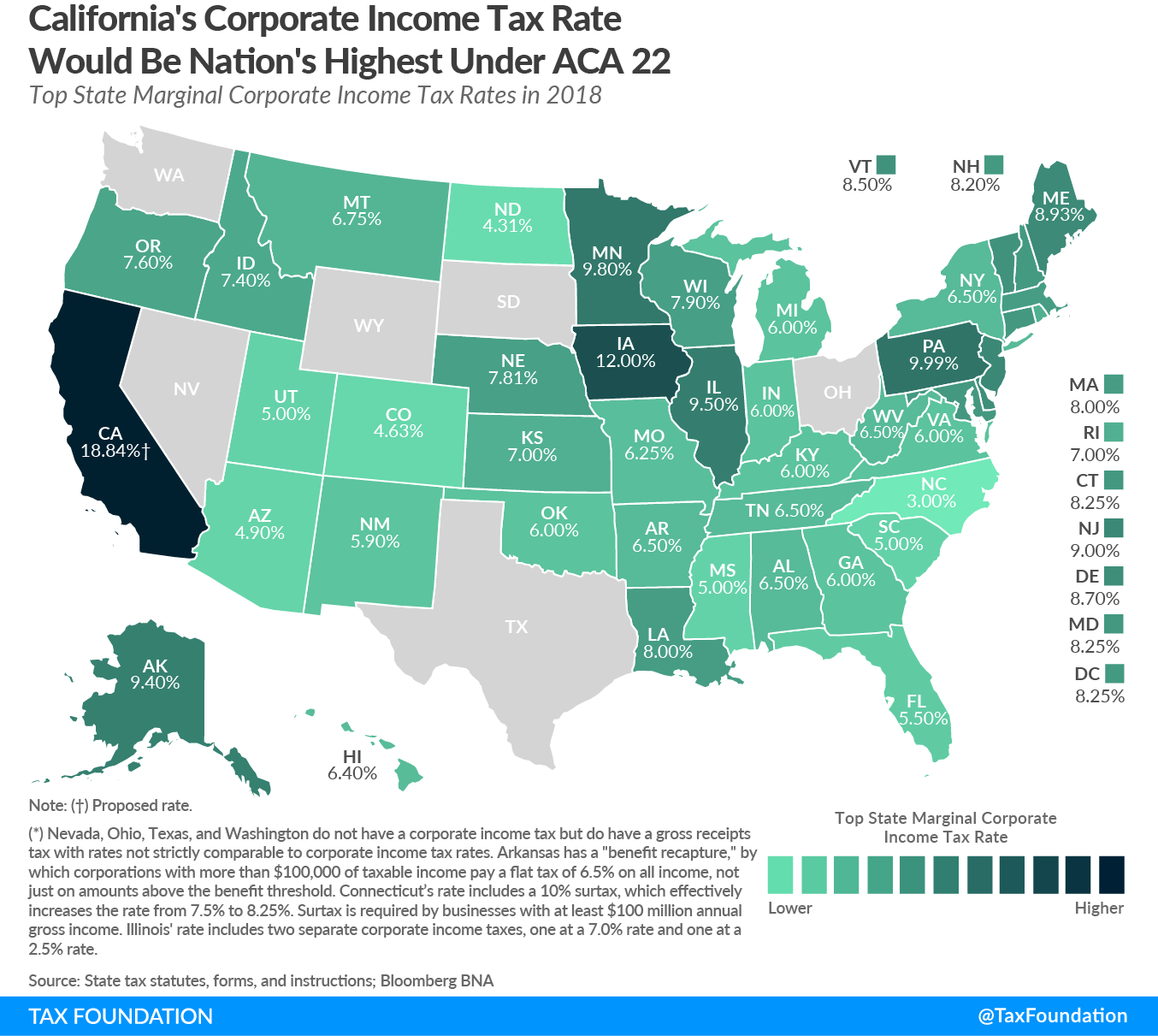
- Corporate Income Tax: Corporations doing business in California are subject to a corporate income tax, currently at a flat rate of 8.84% on net income.
- Minimum Franchise Tax: Even if a corporation generates no income or incurs a loss, a minimum franchise tax (currently $800 per year) is generally due to the state. This applies to most corporations, limited liability companies (LLCs), and limited partnerships registered to do business in California. This minimum tax is a crucial planning point for startups and small businesses, as it’s an upfront cost regardless of profitability.
- Employment Taxes: Businesses with employees are also responsible for various state employment taxes, including Unemployment Insurance (UI), Employment Training Tax (ETT), State Disability Insurance (SDI), and Personal Income Tax (PIT) withholding. These are complex areas requiring careful compliance and can add significantly to the cost of employment.
- Excise Taxes: Certain goods and services are subject to excise taxes, such as fuel, tobacco products, and alcoholic beverages. These taxes are typically built into the price of the product, but they are an indirect cost that influences consumer spending and business operations in relevant industries.
For individuals considering a move to California to start a business or for established enterprises looking to expand, a thorough understanding of these business taxes is critical for financial forecasting, pricing strategies, and overall business viability in the state’s competitive market.
Navigating California Taxes: Strategic Financial Planning
Navigating the tax landscape of California requires diligent planning and a proactive approach. While the state’s tax rates can be high compared to some other U.S. states, the benefits of living and working in California—its economic opportunities, cultural vibrancy, and natural beauty—often outweigh the costs for many. The key is to understand these costs upfront and integrate them into a comprehensive financial strategy.
Residency Rules and Tax Implications
One of the most complex aspects for individuals is understanding California’s residency rules for tax purposes. The state defines a resident as anyone who is in California for other than a temporary or transitory purpose, or anyone domiciled in California who is outside the state for a temporary or transitory purpose. This can be ambiguous and often depends on various factors, including the amount of time spent in the state, location of family, bank accounts, voter registration, and driver’s license.
For individuals relocating, or those who frequently travel for business or leisure between California and other states, establishing or disputing California residency can have profound tax consequences. Non-residents are generally only taxed on income derived from [California](https://lifeoutofthebox.com/california] sources, while residents are taxed on all worldwide income. Seeking professional tax advice is highly recommended for anyone whose residency status might be unclear, as incorrect assumptions can lead to significant penalties.
Tips for Budgeting and Compliance
To effectively manage California state taxes within a lifestyle framework, consider these tips:
- Consult a Tax Professional: Given the complexity, especially for income and business taxes, engaging with a qualified tax accountant or financial advisor specializing in California tax law is invaluable. They can help identify applicable deductions, credits, and strategies to optimize your tax situation.
- Factor in All Tax Types: When budgeting for living or doing business in California, don’t just consider income tax. Account for sales tax on purchases, potential property tax if buying real estate, and hotel occupancy taxes for travel.
- Understand Local Variations: Remember that sales tax and hotel occupancy tax rates vary by city and county. Research the specific rates for the areas where you plan to live, work, or visit frequently.
- Keep Meticulous Records: Maintain detailed records of income, expenses, and any transactions that may have tax implications. This is crucial for accurate filing and in case of an audit.
- Stay Informed: Tax laws can change. Keeping up-to-date with legislative changes from the California Franchise Tax Board (FTB) and the California Department of Tax and Fee Administration (CDTFA) is essential for ongoing compliance.
By approaching California’s tax system with a clear understanding and strategic planning, individuals and businesses can confidently embrace the opportunities and vibrant lifestyle the state has to offer, while effectively managing their financial responsibilities.
LifeOutOfTheBox is a participant in the Amazon Services LLC Associates Program, an affiliate advertising program designed to provide a means for sites to earn advertising fees by advertising and linking to Amazon.com. Amazon, the Amazon logo, AmazonSupply, and the AmazonSupply logo are trademarks of Amazon.com, Inc. or its affiliates. As an Amazon Associate we earn affiliate commissions from qualifying purchases.