
Understanding the horticultural climate of a region is paramount for anyone looking to cultivate a thriving garden, whether for aesthetic appeal or to harvest fresh produce. For residents and visitors alike in the iconic city of Las Vegas, Nevada, pinpointing the correct USDA Plant Hardiness Zone is the first crucial step in selecting appropriate flora. The arid, desert environment presents unique challenges and opportunities for gardeners, making knowledge of its planting zone essential for success.
Unveiling the Hardiness Zone of Las Vegas
The United States Department of Agriculture (USDA) developed the Plant Hardiness Zone map to assist gardeners and growers in determining which perennial plants are most likely to thrive at a specific location. These zones are based on the average annual extreme minimum winter temperature. This information is vital because it dictates the lowest temperature a plant can typically withstand without dying back to the ground or perishing. For Las Vegas, Nevada, understanding these temperature extremes is fundamental to successful gardening in its desert climate.
Determining Las Vegas’s Zone
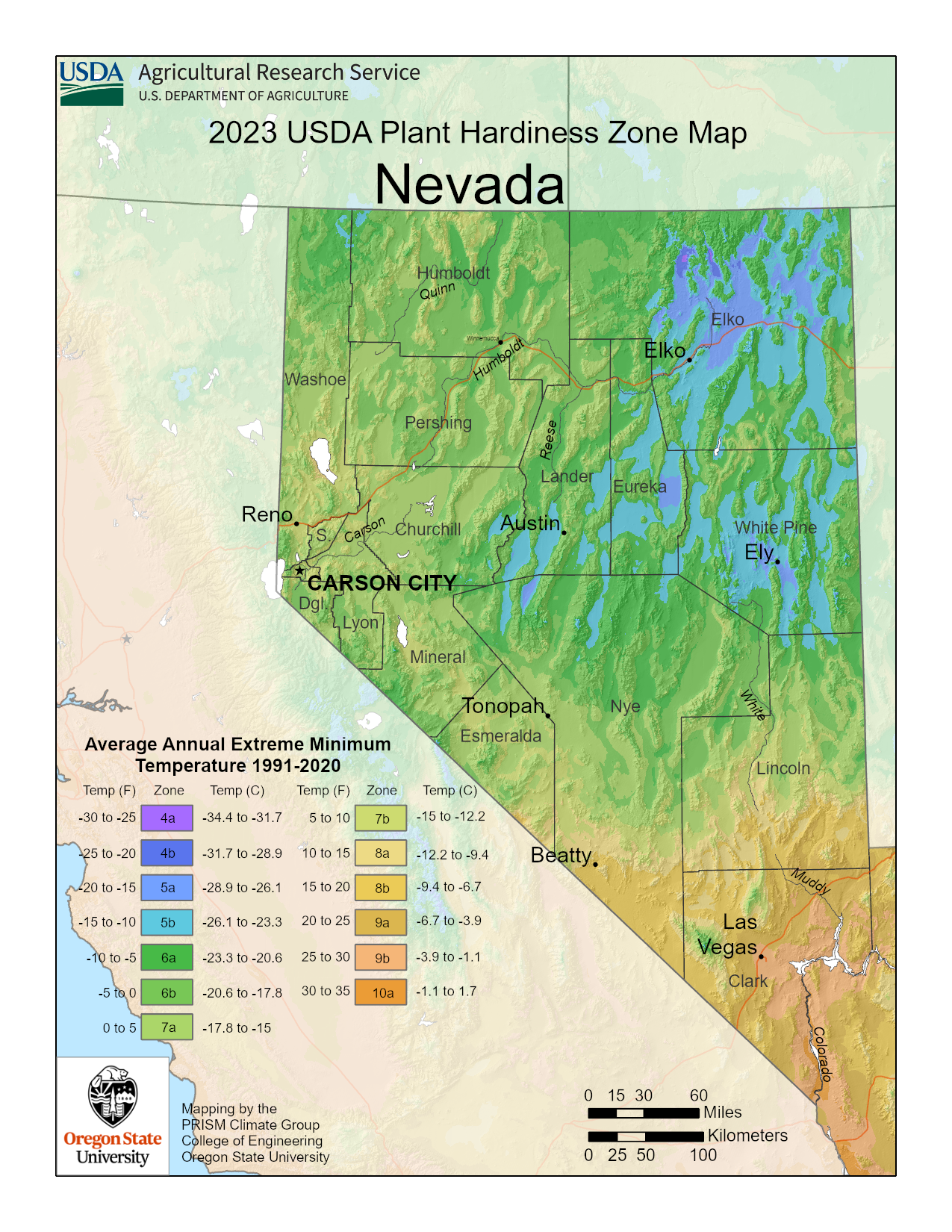
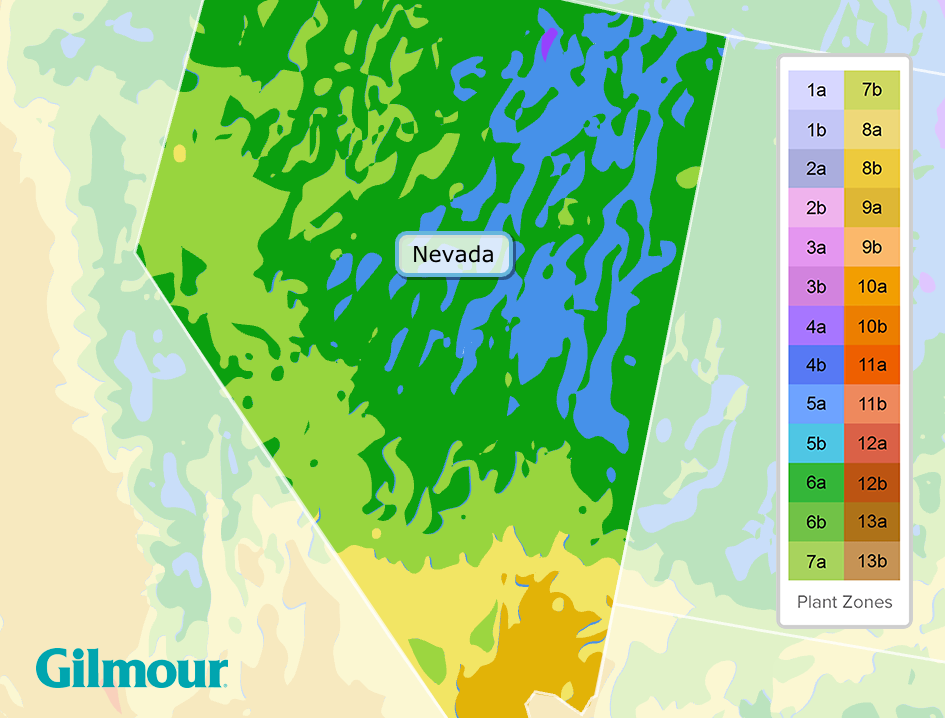
Las Vegas, nestled within the Mojave Desert, experiences a climate characterized by hot summers and mild winters. This unique environmental setting places it within specific USDA Plant Hardiness Zones. Historically, much of Las Vegas has fallen within Zone 9a and Zone 9b.
- Zone 9a: This zone is defined by average annual extreme minimum winter temperatures between 20°F and 25°F (-6.7°C to -3.9°C).
- Zone 9b: This zone has average annual extreme minimum winter temperatures between 25°F and 30°F (-3.9°C to -1.1°C).
The distinction between 9a and 9b can depend on microclimates within the metropolitan area. For instance, areas closer to the foothills of the Spring Mountains might experience slightly cooler temperatures, potentially pushing them into 9a, while more central or valley floor locations might lean towards 9b. Newer iterations of the USDA map have updated these zones slightly, and it is always advisable to check the most current map for your specific address. However, for general gardening purposes, considering Las Vegas to be primarily within Zone 9 provides a solid foundation for plant selection. This zone signifies that while freezing temperatures can occur, they are generally not severe or prolonged, allowing for a wide variety of plants to survive the winter with minimal protection.
The Significance of Microclimates
It is crucial to acknowledge that a “zone” is a generalization. Within Las Vegas, subtle variations in elevation, proximity to large bodies of water (like Lake Mead), the presence of urban heat islands, and even the orientation of a property can create distinct microclimates.
- Urban Heat Island Effect: The built environment in Las Vegas, with its abundance of concrete and asphalt, tends to retain heat, leading to warmer nighttime temperatures compared to surrounding undeveloped areas. This can effectively make certain urban areas warmer than their geographical zone might suggest, potentially allowing for slightly more tender plants to survive.
- Elevation: Higher elevations, such as those found on the outskirts of the valley floor or near the mountain ranges, will naturally experience cooler temperatures. This can lead to a slightly lower hardiness zone designation in those specific areas.
- Shelter and Exposure: A garden sheltered by buildings or dense vegetation might be more protected from frost than one exposed to open winds. Conversely, a south-facing wall can provide a warmer microclimate, allowing for plants that might struggle in more exposed locations.
When planning your garden in Las Vegas, observing these local conditions will refine your plant choices beyond the general zone designation.
Gardening in Las Vegas: Embracing the Desert Climate
Once you understand that Las Vegas is primarily in Zone 9, you can begin to make informed decisions about plant selection. The defining characteristic of this region is its arid climate, with intense summer heat and low humidity. Successful gardening here involves selecting plants that are naturally adapted to these conditions or providing appropriate care to help less-adapted species thrive.
Plants That Flourish in Zone 9 of Las Vegas
The good news for gardeners in Las Vegas is that Zone 9 offers a broad spectrum of plants, including many that are well-suited to desert living.
Drought-Tolerant and Native Species
Many plants native to the Mojave Desert or other arid regions are perfectly adapted to the temperature extremes and water scarcity of Las Vegas. These are often the most reliable and low-maintenance choices.
- Cacti and Succulents: From the towering Saguaro (though not native to this immediate area, they can be cultivated) to smaller Agaves and Echeverias, these plants are the epitome of desert adaptation. They store water in their leaves, stems, or roots and require minimal watering once established.
- Desert Shrubs: Varieties of Sagebrush, Creosote Bush, and various Buckwheats are hardy and provide texture and habitat for local wildlife.
- Desert Wildflowers: While often ephemeral, many native wildflowers bloom spectacularly after rainfall, adding vibrant color to the landscape.
Trees for Shade and Beauty
Selecting the right trees can significantly impact the comfort and aesthetics of your Las Vegas property, providing much-needed shade during the scorching summer months.
- Palo Verde: Known for its green bark and vibrant yellow spring blossoms, this tree is exceptionally drought-tolerant.
- Mesquite: A quintessential desert tree, mesquite offers filtered shade and is remarkably hardy.
- Desert Willow: Despite its name, this is not a true willow but a flowering shrub or small tree that produces beautiful, orchid-like flowers. It is drought-tolerant and thrives in heat.
- Texas Ranger (Hesperaloe parviflora): While technically a perennial, its shrub-like growth and tall flower stalks give it a tree-like presence in many landscapes. It is extremely drought-tolerant and attracts hummingbirds.
Perennial Flowers and Groundcovers
Many perennials can add color and life to your garden without demanding excessive water.
- Desert Marigold: Bright yellow, daisy-like flowers that bloom profusely in cooler months and after rains.
- Penstemon: Many varieties offer beautiful tubular flowers that attract pollinators.
- Gaillardia (Blanket Flower): Hardy and cheerful, these flowers bloom for extended periods.
- Yarrow: Tough and adaptable, yarrow comes in various colors and tolerates heat and drought well.
Adapting to the Heat and Sun
The intense solar radiation and high summer temperatures in Las Vegas necessitate specific gardening strategies.
Watering Wisely
Water conservation is paramount in the desert. Drip irrigation systems are highly recommended for their efficiency, delivering water directly to the plant’s roots and minimizing evaporation. Watering deeply and less frequently encourages plants to develop deeper root systems, making them more resilient. Early morning or late evening watering is best to reduce water loss to evaporation.
Soil Considerations
The native soil in Las Vegas is typically sandy or silty and alkaline. While many desert plants tolerate this, amending the soil with organic matter can improve drainage and nutrient content for less adapted species. However, it’s important not to over-amend, as excessive organic material can retain too much moisture for certain desert natives.
Providing Shade
For plants that are more sensitive to intense sun, providing artificial shade during the hottest parts of the day can be beneficial. Shade cloths, pergolas, or strategically placed larger plants can offer this crucial protection. This is particularly important for vegetables and more delicate flowering annuals.
Beyond the Garden: Las Vegas’s Horticultural Landscape
The knowledge of Las Vegas’s planting zone extends beyond private gardens to influence the city’s broader horticultural landscape, including its renowned resorts and public spaces. Many of the iconic hotels and casinos on the Las Vegas Strip utilize drought-tolerant landscaping to create stunning, yet water-wise, environments.
Resort Landscaping and Water Conservation
Iconic establishments like the Bellagio, with its elaborate botanical displays, and the Venetian Las Vegas, with its Italian-inspired gardens, demonstrate that luxurious landscaping is achievable even in an arid climate. These venues often employ sophisticated irrigation systems, xeriscaping principles, and a selection of plants that thrive in Zone 9 conditions, showcasing the beauty of desert flora.
Public Parks and Botanical Gardens
Public spaces, such as the Springs Preserve, offer invaluable insights into native desert ecosystems and sustainable gardening practices. These institutions serve as educational hubs, demonstrating how to cultivate a vibrant green space within the constraints of the Las Vegas climate. Visitors can learn about drought-tolerant plants, water-wise techniques, and the ecological importance of native vegetation.
Conclusion: Thriving in Zone 9
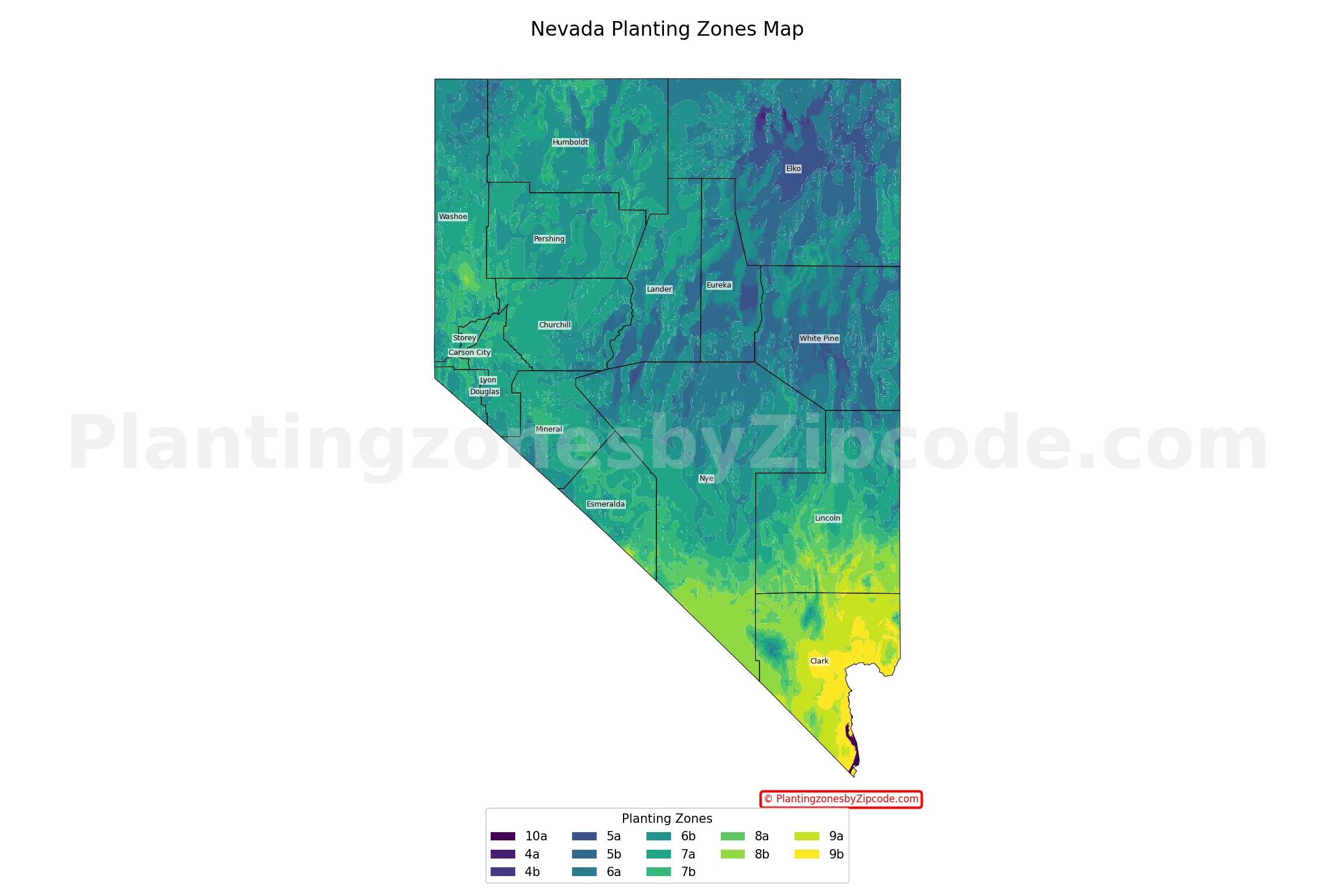
Las Vegas, Nevada, is predominantly located within USDA Plant Hardiness Zone 9a and 9b. This classification underscores a climate that, while arid and hot, offers a surprisingly wide range of horticultural possibilities. By understanding the specific microclimates of their location and selecting plants adapted to the desert environment, residents and visitors can cultivate beautiful and sustainable gardens. Whether you are planning to plant a vibrant flower bed, establish a fruit-bearing orchard, or simply create a low-maintenance, water-wise landscape, knowing your zone is the indispensable first step to horticultural success in the heart of the Mojave. The principles of water conservation, soil management, and thoughtful plant selection are key to transforming even the driest desert into a thriving oasis.
LifeOutOfTheBox is a participant in the Amazon Services LLC Associates Program, an affiliate advertising program designed to provide a means for sites to earn advertising fees by advertising and linking to Amazon.com. Amazon, the Amazon logo, AmazonSupply, and the AmazonSupply logo are trademarks of Amazon.com, Inc. or its affiliates. As an Amazon Associate we earn affiliate commissions from qualifying purchases.