
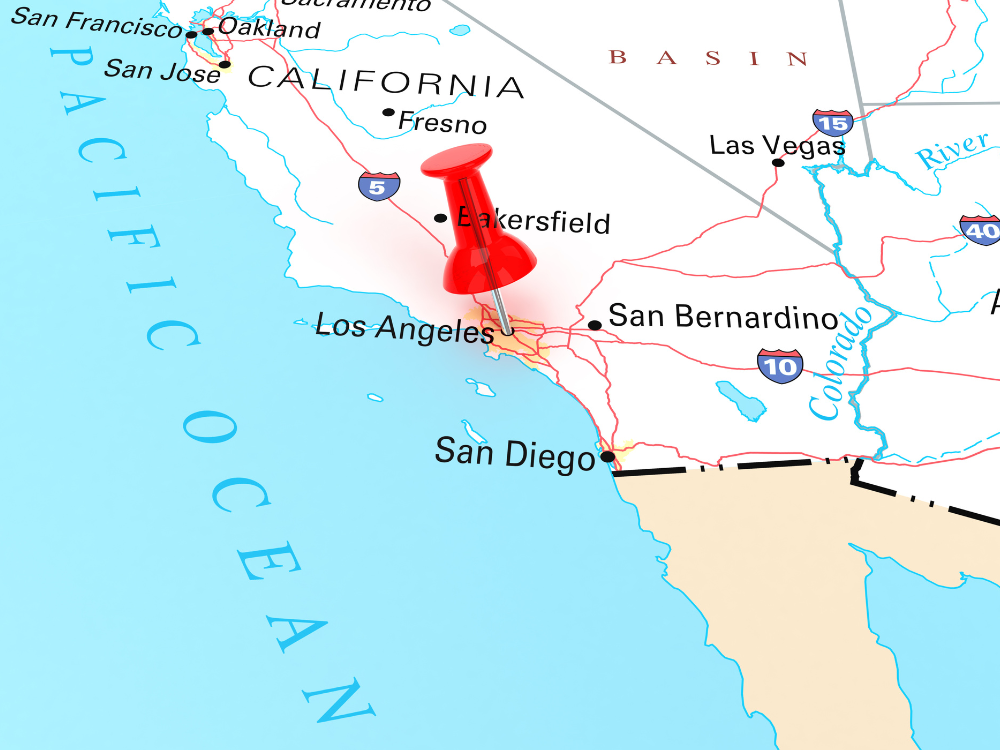
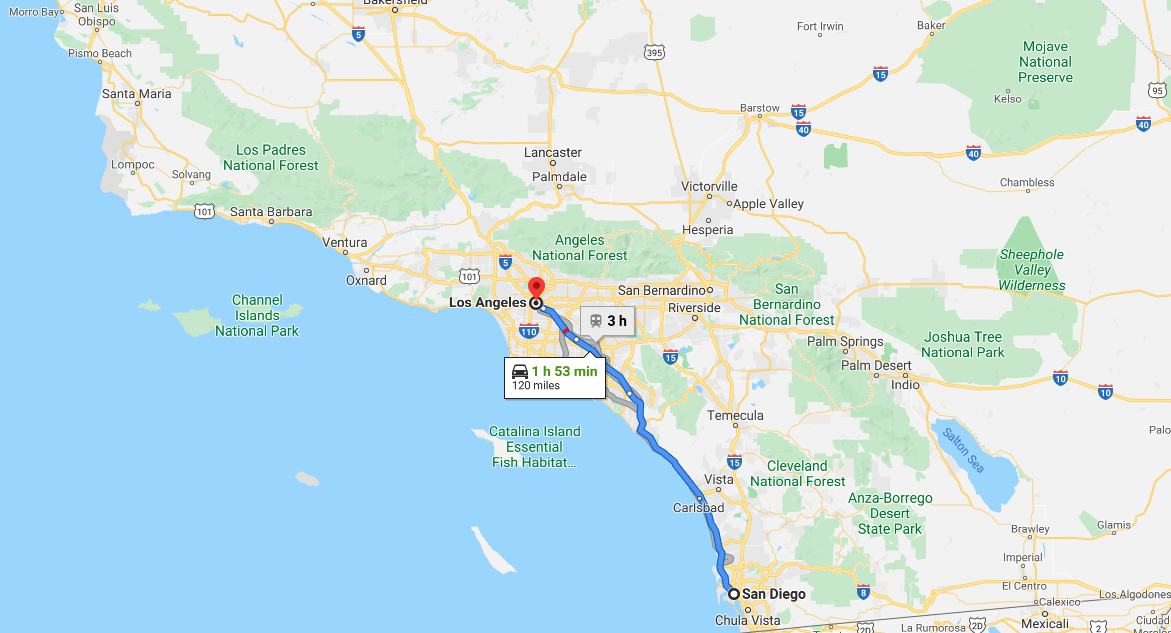
The distance between San Diego and Los Angeles is a frequent query for many travelers planning a trip along the Southern California coast. This seemingly straightforward question opens up a world of possibilities, as the answer depends on the mode of transportation, desired route, and your definition of “Los Angeles.” While the most direct route is approximately 120 miles, the actual travel time and experience can vary significantly, offering a spectrum of journeys from swift commutes to scenic explorations.
Understanding the Distance and Routes
The geographic separation between these two iconic Southern California cities is not merely a number but a gateway to diverse landscapes and experiences. The most commonly cited distance, around 120 miles, refers to the aerial distance or a very direct, though often impractical, path. For travelers on the ground, the actual mileage will be slightly longer and heavily influenced by the chosen route.
The Interstate 5 Corridor
The primary artery connecting San Diego and Los Angeles is the Interstate 5 (I-5) Freeway. This is the most direct and typically fastest route, especially if you’re aiming for the central or southern parts of the sprawling Los Angeles metropolitan area. The mileage along I-5 is generally around 120-130 miles, depending on your exact starting point in San Diego and your final destination within the greater Los Angeles region.
- Factors Affecting Mileage:
- Starting Point in San Diego: Whether you’re beginning in downtown San Diego, the La Jolla area, or further south in Chula Vista, your initial mileage will differ.
- Destination in Los Angeles: Los Angeles is not a single point but a vast collection of distinct cities and neighborhoods. Reaching Santa Monica will involve a different mileage than arriving in Pasadena or the San Fernando Valley.
- Off-ramps and Local Roads: The final leg of your journey will involve navigating local streets, which can add a few miles depending on the precise location of your accommodation or attraction.
Alternative Coastal Routes
For those with more time and a desire for scenic beauty, alternative routes offer a more picturesque, albeit longer, journey. The Pacific Coast Highway (PCH), also known as State Route 1, provides breathtaking ocean views and charming beach towns. While not a continuous direct route between the two cities, segments of the PCH can be incorporated into a road trip.
- The Scenic Detour: Taking sections of the PCH might involve weaving through coastal communities like Dana Point, Laguna Beach, Newport Beach, and Huntington Beach. These detours will add significant mileage, potentially pushing the total distance to 150-200 miles or more, depending on how much of the PCH you choose to explore. This option is ideal for travelers who view the journey as an integral part of their vacation, focusing on coastal experiences rather than simply reaching a destination.
Travel Time Considerations: Beyond Mileage
The distance is only one part of the equation; travel time is often the more critical factor for visitors. The approximately 120-mile journey can range from a manageable 2-hour drive to a grueling 4-hour or longer ordeal, primarily due to traffic.
Navigating Los Angeles Traffic
Los Angeles is notorious for its traffic congestion. Peak hours, typically weekday mornings and late afternoons, can transform the drive into a slow crawl.
- Peak Hour Impact: During rush hour, the travel time on I-5 can easily double. What might take two hours under optimal conditions can stretch to three, four, or even five hours. This is a crucial consideration for anyone planning to arrive or depart during these times.
- Day of the Week and Time: Weekends, especially Friday evenings as people head out of town, can also experience significant traffic. Conversely, driving mid-day on a Tuesday or Wednesday might offer a smoother, faster journey.
- Accident Delays: The freeways are prone to unexpected delays caused by accidents or construction, which can add significant time to your trip without warning. It’s always advisable to check real-time traffic conditions using GPS apps.
Mode of Transportation
The chosen method of travel will significantly influence both distance and time.
- Driving: As discussed, driving offers flexibility but is subject to traffic. The freedom to stop at various points along the way is a major advantage for exploration.
- Train: Amtrak offers a train service between San Diego and Los Angeles. The scenic coastal route, while not entirely on the PCH, provides beautiful views and a relaxing alternative to driving. The train journey typically takes around 2.5 to 3.5 hours, depending on the specific service and stops. This eliminates the stress of traffic but offers less flexibility for spontaneous detours.
- Flying: For those prioritizing speed, flying is an option, though it’s often less practical for this specific route. San Diego International Airport (SAN) and Los Angeles International Airport (LAX) are well-connected. However, factoring in travel to and from airports, security checks, and flight time, the overall door-to-door time might not be significantly shorter than a well-timed drive, especially considering the relatively short distance. It’s generally considered an inefficient option for this inter-city travel unless combined with other flights.
- Bus Services: Various bus companies operate routes between San Diego and Los Angeles. Travel times can vary widely, often ranging from 3 to 5 hours, depending on the number of stops and traffic conditions. This is typically the most budget-friendly option.
Planning Your Journey: Tips for Travelers
Successfully navigating the distance between San Diego and Los Angeles requires thoughtful planning. Whether you’re moving to a new home, embarking on a road trip, or simply visiting for business, understanding the nuances of the journey will enhance your experience.
Optimizing Your Travel Time
- Avoid Peak Hours: If driving, aim to travel outside of the typical rush hour windows (roughly 6:30 AM to 9:30 AM and 3:00 PM to 7:00 PM on weekdays). Mid-morning, mid-afternoon, or overnight travel can offer significantly shorter transit times.
- Utilize Traffic Apps: Services like Google Maps, Waze, or Apple Maps provide real-time traffic updates and can suggest alternative routes to avoid major slowdowns. These are invaluable tools for any driver in Southern California.
- Consider the Train for Predictability: If a predictable travel time is paramount, the Amtrak train is a strong contender. It offers a fixed schedule and avoids the unpredictable nature of freeway traffic.
Making the Most of the Drive
The drive itself can be an opportunity for exploration and discovery. The route between these two cities is dotted with interesting stops and attractions.
- Coastal Towns: As mentioned, incorporating parts of the Pacific Coast Highway allows for stops in charming beach towns. Laguna Beach is known for its art galleries, Newport Beach for its harbor and upscale atmosphere, and Huntington Beach as “Surf City USA.”
- Theme Parks: If you have ample time, the route passes near several major theme parks, including Knott’s Berry Farm and sections of Disneyland Resort. These would require significant detours and dedicated days.
- Historical Sites: Consider detours to explore Spanish missions or historical landmarks that lie slightly off the main freeway, offering a glimpse into the region’s rich past.

Choosing Your Destination Within Los Angeles
Remember that “Los Angeles” is a vast area. Be specific about your intended destination within the greater Los Angeles region. Are you heading to:
- Downtown Los Angeles (DTLA): The financial and cultural heart of the city.
- Westside: Areas like Santa Monica, Beverly Hills, and Westwood.
- San Gabriel Valley: Known for its diverse culinary scene, especially Chinese food.
- San Fernando Valley: A large suburban area with many residential and commercial hubs.
- Long Beach: A major port city with its own unique attractions.
The precise destination will influence not only the mileage but also the recommended route and estimated travel time.
The journey from San Diego to Los Angeles is more than just a simple distance calculation; it’s an introduction to the diverse geography and vibrant culture of Southern California. By understanding the routes, anticipating traffic, and choosing the right mode of transportation, travelers can transform this inter-city commute into a seamless and enjoyable part of their Californian adventure.
LifeOutOfTheBox is a participant in the Amazon Services LLC Associates Program, an affiliate advertising program designed to provide a means for sites to earn advertising fees by advertising and linking to Amazon.com. Amazon, the Amazon logo, AmazonSupply, and the AmazonSupply logo are trademarks of Amazon.com, Inc. or its affiliates. As an Amazon Associate we earn affiliate commissions from qualifying purchases.