
The glittering allure of the Las Vegas Strip, a dazzling spectacle of neon and ambition, often leads visitors to ponder its origins. While the modern image of Las Vegas is synonymous with mega-resorts and high-stakes gambling, the city’s foundational years were marked by a more rustic, yet equally determined, entrepreneurial spirit. To understand the genesis of the gambling mecca we know today, one must delve into the very first establishment that dared to officially open its doors as a casino, setting the stage for a phenomenon that would reshape entertainment and tourism.
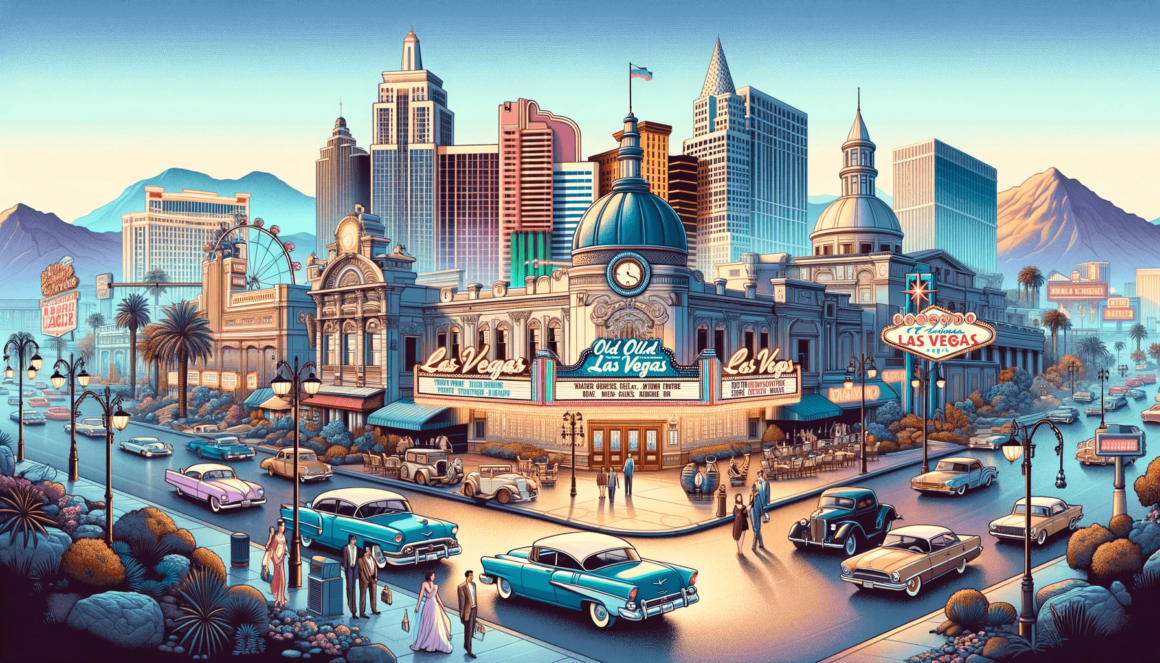
The story of the first casino in Las Vegas, Nevada is intrinsically tied to the burgeoning town’s early development and its unique position within the American West. While gambling was a pervasive activity across the frontier, the formalization of such enterprises, particularly in a newly established settlement, represented a significant step. This foundational establishment didn’t emerge from a vacuum; it was a product of its time, reflecting the legal landscape and the nascent desire for a distinct entertainment district.
The Flamingo: A Controversial Beginning
The title of the first true casino in Las Vegas, Nevada is, with considerable debate, often attributed to the Flamingo Hotel & Casino. While other establishments offered gambling in their backrooms or as an amenity, the Flamingo was conceived from its inception as a premier destination, a luxurious haven for the discerning gambler and vacationer. Its story, however, is as colorful and complex as the city it helped to build, marked by high stakes, mob influence, and a vision that was decades ahead of its time.
Siegel’s Vision and the Mob’s Shadow
The driving force behind the Flamingo was Benjamin “Bugsy” Siegel, a notorious figure in the American mafia. Siegel, along with his associates, envisioned a luxurious resort that would transcend the typical frontier saloon or gambling den. His dream was to create a high-class establishment that would attract Hollywood celebrities, wealthy industrialists, and the elite of society, thereby establishing Las Vegas as a legitimate and glamorous destination. This vision was a stark departure from the existing, more rudimentary gambling operations.
Siegel’s plan was ambitious: a lavish hotel with opulent rooms, fine dining, a top-tier showroom, and, of course, an expansive casino. He envisioned a place where the wealthy could escape their daily lives and indulge in the pleasures of gambling, entertainment, and relaxation, all under one roof. The construction of the Flamingo began in earnest in 1945, funded, in large part, by mob money. This connection to organized crime would cast a long shadow over the project and Siegel himself.
The initial construction was fraught with challenges, including cost overruns and delays. Siegel’s uncompromising standards and his insistence on luxury, from the quality of the marble to the design of the swimming pool, pushed the budget to unprecedented levels for Las Vegas at the time. The mobsters who had invested in the project grew impatient, and their patience ultimately ran out.
On June 12, 1947, just months after the Flamingo officially opened its doors, Siegel was tragically murdered in Beverly Hills, California. While his death was attributed to various mob disputes, it’s widely believed that his lavish spending and the financial strains on the Flamingo played a significant role in his demise. His assassination added another layer of dark intrigue to the already sensational narrative of the Flamingo.
The Grand Opening and Early Days
The Flamingo Hotel & Casino officially opened on December 26, 1946. Unlike the grand, meticulously planned openings of today’s mega-resorts, the Flamingo was not entirely finished when it welcomed its first guests. The facade was incomplete, and some areas were still under construction. Nevertheless, the initial impression was one of undeniable grandeur.
The hotel boasted 223 rooms, many of which were considered luxurious for the era. The casino floor was designed to be a sophisticated gambling hub, featuring an array of table games like blackjack and roulette, alongside the nascent slot machines. The centerpiece of the entertainment was the showroom, which quickly became a magnet for top-tier performers, further solidifying the Flamingo’s reputation as a place for high-quality entertainment.
Despite Siegel’s murder shortly after its opening, the Flamingo continued to operate and, under new management, began to flourish. The mob’s control over the operation was eventually challenged and diminished over time, but their initial involvement cemented the Flamingo’s place in the controversial, yet fascinating, history of Las Vegas casinos. Its establishment marked a pivotal moment, demonstrating the potential for a large-scale, integrated resort that combined lodging, dining, entertainment, and gambling.
The Precursors: What Came Before?
While the Flamingo Hotel & Casino is widely recognized as the first integrated resort and casino in Las Vegas in the modern sense, it is crucial to acknowledge the establishments that predated it and laid the groundwork for its existence. These earlier venues, though less grand and often operating in a legal gray area, were the true pioneers of gambling in the developing town.
El Rancho Vegas: The Other Contender
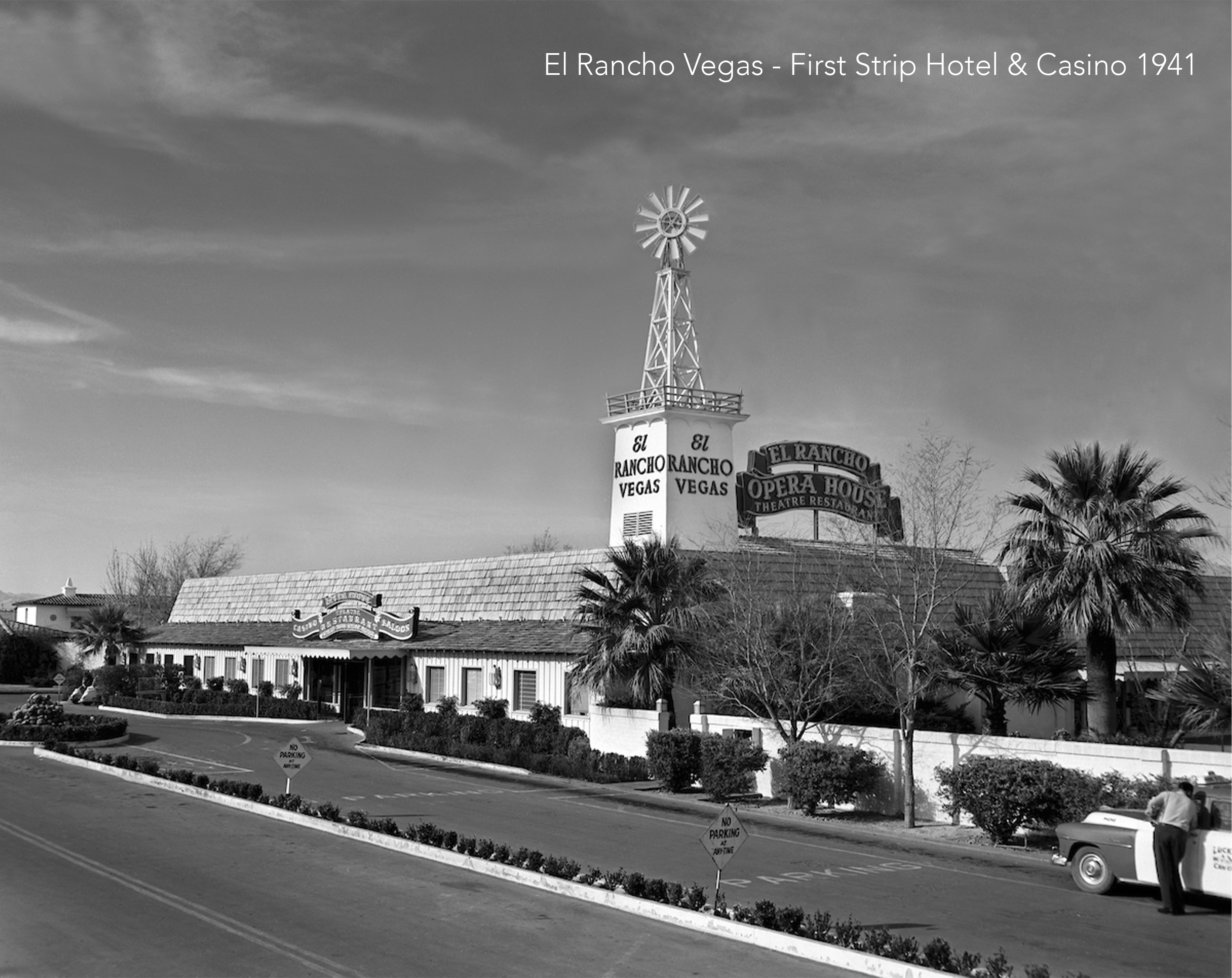
The title of “first casino” can be contested, and the El Rancho Vegas also holds a strong claim. Opened in 1941, the El Rancho Vegas was the first hotel on what would eventually become the Las Vegas Strip, and it featured a casino. It was a significant development for the nascent community, offering a more substantial lodging and entertainment option than the existing downtown saloons.
The El Rancho Vegas was a sprawling property, designed to evoke the atmosphere of a Western dude ranch. It offered a large swimming pool, a dance hall, a restaurant, and importantly, a casino floor with various gambling games. Its opening was a crucial step in the development of the area outside of downtown Las Vegas, and it established the concept of a resort-style destination.
However, the El Rancho Vegas did not possess the same level of opulence or the ambitious vision for celebrity clientele that Siegel had for the Flamingo. Its financing was more conventional, and it did not carry the same notorious reputation or the deep ties to organized crime that would later define the Flamingo. Tragically, the El Rancho Vegas was destroyed by fire in 1960, erasing a significant piece of early Las Vegas history.
Downtown’s Role and Early Saloons
Before the glitz and glamour of the Strip, the heart of Las Vegas was downtown. Here, numerous saloons and gambling halls operated, often with the tacit approval of local authorities. These establishments provided the primary source of entertainment and gambling for the town’s residents and the transient workers drawn by the construction of the Hoover Dam.
One of the earliest establishments to offer gambling was the Las Vegas Club, which opened in 1931, the same year that gambling was legalized in Nevada. While not a resort in the modern sense, the Las Vegas Club was a significant venue that catered to the gambling public. Other early establishments like the Apache Hotel also featured gambling operations.
These downtown establishments were the true genesis of gambling in Las Vegas. They established the town as a place where one could legally engage in games of chance and introduced the early concepts of gaming rooms and betting. However, they lacked the scale, the accommodation, and the integrated entertainment model that would later define the Strip and attract a national audience.
The Impact and Legacy
The debate over which establishment holds the definitive title of “first casino” in Las Vegas is a testament to the rapid evolution of the city. However, the impact of both the El Rancho Vegas and the Flamingo Hotel & Casino on the development of Las Vegas as a gambling and entertainment capital is undeniable.
The El Rancho Vegas was a crucial early player, demonstrating the viability of a large-scale resort destination outside of downtown. It set a precedent for the kind of amenities and entertainment that could draw visitors. Its existence paved the way for further development along the corridor that would become the iconic Las Vegas Strip.
The Flamingo Hotel & Casino, with its ambitious vision, mob connections, and star power, truly launched Las Vegas into a new stratosphere of entertainment and tourism. It ushered in an era of larger, more luxurious resorts that offered a complete vacation experience. The Flamingo established the integrated model of casino, hotel, and entertainment that would become the blueprint for virtually every subsequent development on the Strip.
The legacy of these early establishments is woven into the very fabric of Las Vegas. They represent a bold experiment in entertainment and hospitality, born out of a desire for recreation and a shrewd understanding of the gambling market. From the rudimentary saloons of downtown to the sophisticated resorts of the Strip, the journey of the first casino in Las Vegas, Nevada is a story of ambition, innovation, and the enduring allure of the gaming table. It laid the foundation for the dazzling, unforgettable city that continues to captivate millions worldwide.
LifeOutOfTheBox is a participant in the Amazon Services LLC Associates Program, an affiliate advertising program designed to provide a means for sites to earn advertising fees by advertising and linking to Amazon.com. Amazon, the Amazon logo, AmazonSupply, and the AmazonSupply logo are trademarks of Amazon.com, Inc. or its affiliates. As an Amazon Associate we earn affiliate commissions from qualifying purchases.